How Much Does Electrical Cost in Los Angeles, CA?
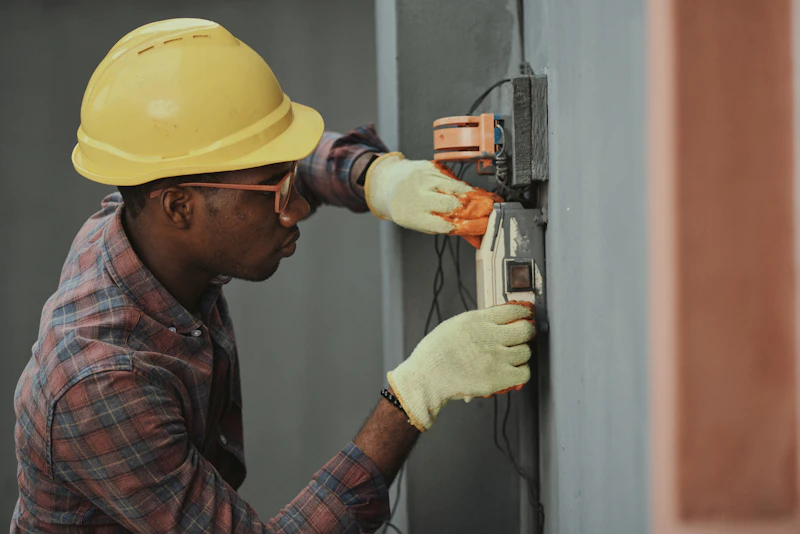
Based on Bureau of Labor Statistics wage data for the Los Angeles-Long Beach-Anaheim metropolitan area, electrical in Los Angeles costs between $80 and $5,070, with an average of $720.
Electrical Cost Breakdown — Los Angeles, CA
| Service/Item | Low Estimate | Average | High Estimate |
|---|---|---|---|
| Outlet Installation | $50 | $80 | $140 |
| Ceiling Fan Install | $180 | $260 | $400 |
| Panel Upgrade (200 amp) | $1,460 | $1,940 | $2,780 |
| EV Charger Install | $770 | $1,020 | $1,450 |
| Whole House Rewiring | $3,050 | $4,110 | $5,970 |
| Light Fixture Install | $70 | $110 | $170 |
Understanding Electrical Costs in Los Angeles
Electrical costs in Los Angeles are influenced by several factors, including the local labor market and the types of homes found in the area. According to the Bureau of Labor Statistics, the average hourly labor rate for electricians in the Los Angeles-Long Beach-Anaheim metropolitan area is $37.01. Contractors typically apply a 1.5x markup to this rate, which contributes to the overall cost of electrical work.
Los Angeles electrical costs are approximately 25% higher than the national average. This is partly due to the local housing stock, which includes a mix of ranch homes, Spanish-style homes, stucco construction, mid-century modern homes, and newer tract homes. Each of these home types presents unique electrical challenges and requirements.
The local climate also plays a role in electrical costs. Los Angeles experiences a mild Mediterranean climate along the coast, with hot dry inland valleys that can reach temperatures over 100°F. The area also faces wildfire smoke seasons and earthquake retrofitting needs, which can impact electrical system design and installation.
What's Included in a Typical Electrical Quote
| Feature | Budget | Standard | Premium |
|---|---|---|
| Materials | Basic materials (e.g., wire, outlets) | Mid-range materials (e.g., GFCI outlets, LED lighting) | High-end materials (e.g., smart home systems, energy-efficient solutions) |
| Warranty | 1-year warranty | 2-year warranty | 5-year warranty |
| Timeline | Multiple days or weeks | 1-3 business days | Same-day or next-day service |
| Cleanup | Basic cleanup | Thorough cleanup, including disposal of old materials | Comprehensive cleanup, including touch-ups and inspections |
| Inspection and Testing | Basic inspection | Comprehensive inspection and testing | Detailed inspection and testing, including thermal imaging |
| Permits and Compliance | Basic permit acquisition | Full permit acquisition and compliance | Comprehensive permit acquisition and compliance, including Title 24 energy code requirements |
Best Time to Schedule Electrical in Los Angeles
The best time to schedule electrical work in Los Angeles depends on several factors, including the climate and local demand. Generally, the cheapest time to schedule electrical work is during the shoulder seasons (April-May or September-October), when demand is lower.
Emergency rates tend to be higher during extreme weather conditions, such as heatwaves or wildfires. To save on electrical costs, consider scheduling work during:
- Shoulder seasons (April-May or September-October)
- Weekdays, rather than weekends
- Regular business hours, rather than evenings or holidays
- Non-emergency situations
- Avoiding peak summer months (June-August)
How to Hire a Electrical Contractor in CA
In California, electrical contractors must hold a CSLB (California State License Board) license for jobs over $500. Additionally, Title 24 energy code requirements are strict, affecting HVAC sizing, insulation, windows, and solar-ready requirements.
Before hiring an electrical contractor, verify the following:
- CSLB license number and status
- Insurance and bonding
- Physical address and contact information
- Reviews and ratings from previous clients
- Estimates and payment terms
- Warranty and support offered
During the estimate, ask:
What is your experience with electrical work in Los Angeles?
Can you provide references from previous clients?
What is your policy on warranty and support?
Red flags to watch for include:
- No CSLB license or insurance
- No physical address or contact information
- Unusually low estimates or payment terms
- No warranty or support offered
DIY vs. Hiring a Professional
| Task | Safe for DIY | Always Hire a Pro |
|---|---|---|
| Replacing light fixtures | Yes | |
| Installing new outlets | Yes | |
| Repairing electrical panels | Yes | |
| Running new electrical wiring | Yes | |
| Installing solar panels | Yes |
Electrical work can be hazardous if not done properly. DIY mistakes can lead to electrical shock, fires, or other safety issues, which can cost more to fix than hiring a professional in the first place.
What Affects Electrical Costs in Los Angeles?
What Affects Electrical Costs in Los Angeles?
As a homeowner in the Los Angeles-Long Beach-Anaheim, CA area, understanding the factors that influence electrical costs can help you budget and plan for your next project. Here are the key considerations:
- Local labor rates — The Los Angeles area has a local labor rate of $37.01/hr, which is significantly higher than the national average. This is largely due to the high cost of living in the area, the presence of strong unions, and the high demand for skilled electricians. These factors contribute to increased labor costs, which are then passed on to homeowners.
- Seasonal demand — In Los Angeles' mild Mediterranean climate, electrical demand peaks during the hot summer months when air conditioning usage is at its highest. During this time, electrical contractors may charge a premium of 10-20% for their services due to increased demand. Conversely, off-peak seasons like spring and fall may offer more competitive pricing.
- Project scope — The scope of your electrical project can greatly impact the overall cost. A basic repair job will typically cost less than a full replacement of your electrical system. The gap between low and high estimates can be driven by factors like the complexity of the job, the number of materials required, and the time needed to complete the project.
- Permits & inspections — In Los Angeles, electrical contractors must be licensed by the California State License Board (CSLB) to work on jobs over $500. Additionally, the city has strict Title 24 energy code requirements, which can affect the sizing of HVAC systems and other electrical components. Homeowners can expect to pay $50-$300 for permit fees, depending on the scope of the project.
- Materials quality — The quality of materials used in your electrical project can also impact the overall cost. Premium materials, such as high-end circuit breakers or smart home devices, can cost 30-50% more than builder-grade alternatives. For example, electrical contractors may offer a range of options for wiring, including copper, aluminum, or specialty cables.
- Property characteristics — The type, age, and accessibility of your property can also affect electrical costs. For example, ranch-style homes with easy access to electrical panels may be less expensive to work on than Spanish-style homes with multiple stories or stucco construction. Mid-century homes, which often have outdated electrical systems, may require more extensive and costly upgrades.
- Emergency vs scheduled — Emergency or after-hours electrical services can cost 1.5-2 times more than scheduled services. Additionally, weekend premiums may apply, adding to the overall cost of the project. It's essential to plan ahead and schedule electrical work during regular business hours to avoid these extra charges.
Popular Electrical Brands in Los Angeles
Frequently Asked Questions
How much does electrical cost in Los Angeles, CA?
The average cost of electrical work in Los Angeles, CA is $720. However, costs can range from $80 to $5,070 depending on the scope of the project. According to the Bureau of Labor Statistics, the average hourly rate for electricians in Los Angeles is $37.01 per hour.
Why is electrical more expensive in Los Angeles than the national average?
Electrical work in Los Angeles may be more expensive than the national average due to the high demand for services, strict building codes, and a higher cost of living in the area. Additionally, labor costs in Los Angeles are higher, with electricians earning an average of $37.01 per hour according to the BLS.
How can I save money on electrical in Los Angeles?
To save money on electrical work in Los Angeles, consider getting multiple quotes from licensed contractors to compare prices. Additionally, scheduling work during the off-season or bundling multiple projects together can help reduce costs. It's also essential to ensure that the contractor you hire is properly licensed and experienced to avoid costly mistakes.
Do I need a permit for electrical in CA?
Yes, in California, electrical work typically requires a permit from the local building department. The type of permit required will depend on the scope of the project, and a licensed contractor can help guide you through the process. Failing to obtain the necessary permits can result in fines and additional costs.
How long does electrical take in Los Angeles?
The duration of electrical work in Los Angeles depends on the complexity of the project. Simple tasks like installing a light fixture may take only a few hours, while more extensive projects like rewiring a home can take several days or even weeks. Be sure to discuss the project timeline with your contractor to get a better understanding of what to expect.
What warranty should I expect from a electrical contractor?
A reputable electrical contractor in Los Angeles should offer a warranty on their work, typically ranging from 1 to 5 years. The warranty should cover both labor and materials, and be sure to get a clear understanding of what's included and what's not. A warranty provides peace of mind and protects you in case something goes wrong with the work.
What's the best time of year for electrical in Los Angeles?
The best time for electrical work in Los Angeles is during the spring and fall seasons, when the weather is mild and there are fewer extreme temperatures. Scheduling work during these periods may help reduce costs and ensure that contractors are available to complete the project in a timely manner.
