How Much Does Bathroom Remodel Cost in Baltimore, MD?
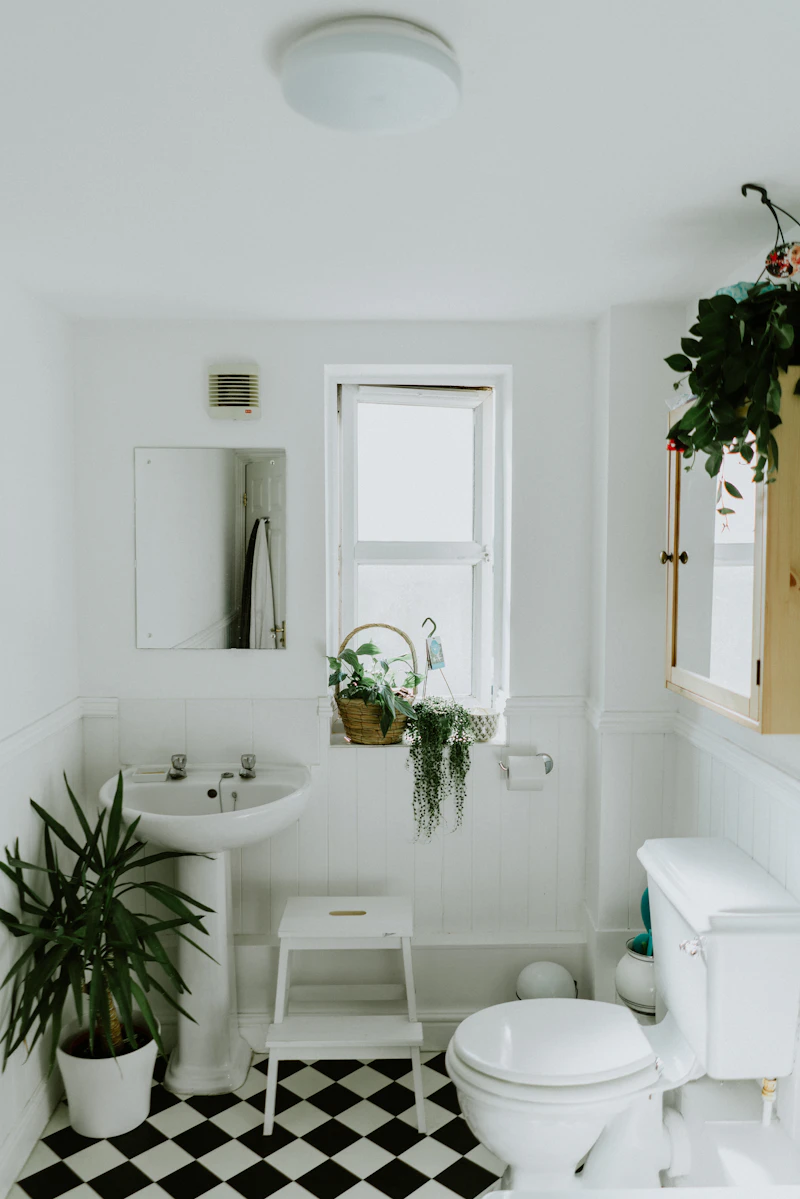
Based on Bureau of Labor Statistics wage data for the Baltimore-Columbia-Towson metropolitan area, bathroom remodel in Baltimore costs between $2,620 and $24,900, with an average of $7,660.
Bathroom Remodel Cost Breakdown — Baltimore, MD
| Service/Item | Low Estimate | Average | High Estimate |
|---|---|---|---|
| Vanity + Sink Install | $800 | $1,070 | $1,530 |
| Shower/Tub Replacement | $2,020 | $2,710 | $3,920 |
| Tile Work (floor + walls) | $1,720 | $2,390 | $3,600 |
| Toilet Replacement | $320 | $430 | $640 |
| Full Gut Remodel | $8,480 | $11,550 | $17,000 |
| Fixture Upgrade Package | $1,170 | $1,550 | $2,220 |
Complete Guide to Bathroom Remodel in Baltimore
Baltimore’s blend of historic charm and modern expansion makes bathroom remodeling both exciting and complex. Whether you're updating a 1920s row home in Federal Hill or a 2000s townhome in Columbia, your renovation must account for local weather, building styles, and material durability.
Bathrooms here face unique stress: summer humidity from the Chesapeake Bay accelerates mold growth, while coastal air increases corrosion on metal fixtures. Row homes often have tight layouts and shared walls, complicating plumbing and electrical work. Suburban homes may offer more space but still contend with clay-heavy soil and seasonal moisture shifts that affect flooring stability.
The city’s housing stock varies dramatically. In neighborhoods like Mount Vernon and Charles Village, you’ll find brick-faced colonials with original cast-iron tubs and narrow floor plans.
Towson and Hunt Valley are filled with Cape Cods and split-levels from the 1950s–70s, many now being modernized. Newer developments in Elkridge and Hanover offer larger bathrooms but often come with builder-grade finishes that homeowners quickly upgrade. These differences directly impact cost and design choices.
Baltimore’s labor and material costs run about 12% above the national average. This reflects higher insurance rates, union influence in skilled trades, and transportation logistics in a dense urban core.
Contractors must navigate narrow streets, limited parking, and permit delays through the Department of Permits and Inspections—especially in designated historic districts where design approvals add weeks to timelines. These factors, combined with the need for moisture-resistant materials, shape the final price tag.
Material and Labor Cost Breakdown
In most Baltimore bathroom remodels, materials account for 60–70% of total costs, with labor making up the remainder. Homeowners may also want to compare kitchen remodel costs in Baltimore.
This split shifts in high-end projects where custom tile, heated flooring, or freestanding tubs increase material expenses. For standard renovations, labor remains a major driver due to the region’s skilled trade rates.
The U.S. Bureau of Labor Statistics reports a median wage of $29.57/hr for plumbers, electricians, and tile setters—trades essential to bathroom work.
However, Baltimore-area contractors typically bill $45–$75/hr after factoring in insurance, equipment, permits, and overhead. This markup isn’t excess; it covers licensed supervision, compliance with Maryland’s strict plumbing codes, and disposal fees at local landfills like the Eastern Sanitary in Essex.
The wide gap between low and high-end estimates stems from several factors. At the lower end, projects often reuse existing layouts, keep original plumbing lines, and use prefab vanities and fiberglass surrounds. These choices limit demolition and rerouting costs.
High-end remodels, by contrast, may relocate showers or toilets, requiring new drain lines through concrete slabs or joist cutting. Custom tile work, especially with moisture-resistant porcelain or natural stone, adds both material and labor costs. Ventilation upgrades—critical in humid summers—are another common differentiator. Without proper exhaust, mold can return within months, especially in interior bathrooms common in row homes.
Other cost drivers include accessibility features like curbless showers or grab bars, which require structural reinforcement.
Historic homes may need lead paint abatement or knob-and-tube wiring updates before any cosmetic work begins. These hidden issues, while not visible at bid time, significantly impact final costs.
Timeline and Scheduling Considerations
Timing your bathroom remodel around Baltimore’s climate and contractor availability can save time and money. The mid-Atlantic’s hot, humid summers slow drying times for grout and paint, while winter freeze-thaw cycles risk pipe damage during extended outages.
Contractors are busiest from April through October, when outdoor projects also demand attention. Booking early—or going off-season—can ease scheduling pressure.
- Plan major remodels between late fall and early winter (November–February) to avoid peak demand; many contractors offer slight scheduling flexibility during these months.
- Install ventilation systems before summer hits—May is ideal—so fans can manage humidity during the sticky months of June through September.
- Avoid starting demolition during prolonged rain; clay soil around foundations can become unstable, and indoor drying becomes harder in row homes with limited airflow.
- Coordinate with your contractor to stage materials in advance, especially if working in tight city blocks where delivery trucks face parking restrictions.
- Account for permit review time—Baltimore City approvals can take 2–3 weeks, longer if your home is in a historic district like Fells Point or Mount Washington.
- Local labor rates
Baltimore-area labor averages $29.57 per hour—about 12% above the national average—due to higher cost of living, strong union presence in construction trades, and steady demand from urban renewal and aging housing stock. Skilled contractors in Baltimore City and surrounding counties often command premium rates, especially for specialized tile or plumbing work in older homes.
- Seasonal demand
Bathroom remodels peak between spring and early fall when humidity and rain are less disruptive to material installation, driving up contractor availability and pricing by 10–20%. The mid-Atlantic summer heat and humidity can delay drywall and adhesive curing, making winter (off-peak) a cost-effective time for indoor projects, though heating costs may offset some savings.
- Project scope
A basic repair—like re-grouting or fixture replacement—costs significantly less than a full tear-out involving plumbing relocation or waterproofing. The gap between low and high estimates often comes down to hidden damage from moisture, especially in older row homes prone to Chesapeake-area humidity and coastal corrosion.
- Permits & inspections
In Maryland, all bathroom remodels requiring structural or plumbing changes need permits through your county (e.g., Baltimore County, Howard County, or Baltimore City), with fees ranging from $50 to $300. Contractors must hold a valid MHIC license, ensuring compliance with state safety and consumer protection standards—unlicensed work risks fines and failed inspections.
- Materials quality
Premium materials like solid-surface countertops, porcelain tile, and moisture-resistant cabinetry cost 30–50% more than builder-grade options but are recommended in Baltimore’s humid climate. Locally popular choices include ceramic subway tile, vinyl plank flooring, and mold-resistant drywall to combat coastal moisture and seasonal humidity swings.
- Property characteristics
Remodeling a 100-year-old colonial or narrow Baltimore row home poses access and structural challenges that increase labor time versus a modern townhome in Columbia or Towson. Multi-story homes require more complex plumbing rerouting, and limited alley access in historic districts can delay material delivery, affecting overall pricing.
- Emergency vs scheduled
Emergency repairs—such as fixing burst pipes after a mild winter freeze or water damage from summer storms—can trigger after-hours rates up to 2x standard labor costs. Scheduling your remodel proactively avoids weekend or urgent-service premiums common among local contractors during peak weather events.
Emergency rates apply when water damage, burst pipes, or sewage backups force immediate work.
These situations are common after winter thaws or during heavy summer storms that overwhelm older drainage systems. To avoid emergency pricing, maintain your plumbing, ensure sump pumps are functional (especially in basements), and schedule annual inspections before winter and storm season.
Protecting Yourself: Warranties and Guarantees
Every reputable contractor in Baltimore should offer separate warranties for labor and materials. Labor warranties typically cover 1–2 years on workmanship, including leaks, tile adhesion, and fixture installation.
Materials warranties come from manufacturers—often 5 to lifetime coverage on faucets, tiles, and vanities—but require professional installation to remain valid. Ask for written proof of both before work starts.
In Maryland, all contractors must carry general liability insurance and be bonded if they collect over $2,500 upfront.
Verify their license through the Maryland Home Improvement Commission (MHIC). An MHIC license number is non-negotiable; unlicensed contractors can’t pull permits or secure inspections, which may void your homeowner’s insurance in case of damage.
Before a single tile is removed, ensure the following are in writing: the full scope of work, timeline, payment schedule, permit responsibility, and cleanup procedures. Include clauses for change orders—common in older homes where hidden damage emerges.
Specify how disruptions like water shutoffs or shared wall vibrations in row homes will be managed. In Baltimore’s tight urban fabric, one contractor’s oversight can affect three households.
Finally, keep records of all inspections. Baltimore City and county jurisdictions require rough-in and final plumbing and electrical checks.
Passing these ensures compliance with local codes and protects resale value. A completed renovation with proper documentation adds credibility—and value—when it’s time to sell in a competitive market like Canton or Roland Park.
What Affects Bathroom Remodel Costs in Baltimore?
What Affects Bathroom Remodel Costs in Baltimore?
Homeowners in the Baltimore-Columbia-Towson, MD area face unique cost factors when remodeling a bathroom. From local labor trends to regional climate challenges, here’s what shapes your project budget:
Popular Bathroom Remodel Brands in Baltimore
Frequently Asked Questions
How much does bathroom remodel cost in Baltimore, MD?
The average cost of a bathroom remodel in the Baltimore-Columbia-Towson metro area is $7,660, with typical project costs ranging from $2,620 to $24,900 depending on scope and materials. This includes labor, which averages $29.57 per hour according to the U.S. Bureau of Labor Statistics (BLS). Costs can vary significantly based on whether the project is a full renovation or a partial update, and whether high-end fixtures or custom tiling are included.
Why is bathroom remodel more expensive in Baltimore than the national average?
Bathroom remodels in Baltimore can exceed the national average due to higher labor rates and older housing stock requiring updated plumbing, electrical, or structural work. The BLS reports local hourly wages for tradespeople at $29.57, which influences overall labor costs. Additionally, compliance with Maryland building codes and the need for lead paint or asbestos abatement in historic homes can increase project expenses.
How can I save money on bathroom remodel in Baltimore?
You can save money by keeping the existing plumbing layout to avoid costly pipe rerouting and by choosing cost-effective, durable materials like porcelain tile and acrylic shower surrounds. Doing demolition or painting yourself can reduce labor costs, especially since local labor averages $29.57 per hour (BLS data). Prioritize essential upgrades and get multiple bids from licensed contractors to ensure competitive pricing.
Do I need a permit for bathroom remodel in MD?
Yes, most bathroom remodels in Maryland require a permit if the project involves plumbing, electrical, or structural changes. The Baltimore Department of Permits and Inspections enforces these requirements to ensure code compliance, especially in older homes. Permits help protect your investment and are often required for insurance and resale purposes.
How long does bathroom remodel take in Baltimore?
A typical bathroom remodel in the Baltimore area takes 2 to 4 weeks, depending on the project's complexity and whether unexpected issues like mold or outdated plumbing are found. Larger renovations involving permit approvals and inspections may take longer due to scheduling with city inspectors. Delays can also occur during winter months due to supply chain or contractor availability.
What warranty should I expect from a bathroom remodel contractor?
Reputable bathroom remodel contractors in Baltimore typically offer a 1- to 2-year labor warranty on workmanship, in addition to manufacturer warranties on fixtures and materials. Some may provide longer coverage for major components like showers or tiling. Always get the warranty terms in writing and verify that the contractor is licensed and insured in Maryland.
What's the best time of year for bathroom remodel in Baltimore?
The best time for a bathroom remodel in Baltimore is late spring through early fall, when contractors have more availability and material deliveries are less likely to be delayed by weather. Scheduling during this period may also increase your chances of securing competitive pricing, as winter months see higher demand due to indoor home improvement projects. Mild weather supports faster inspections and approvals from local authorities.
