How Much Does Bathroom Remodel Cost in Las Vegas, NV?
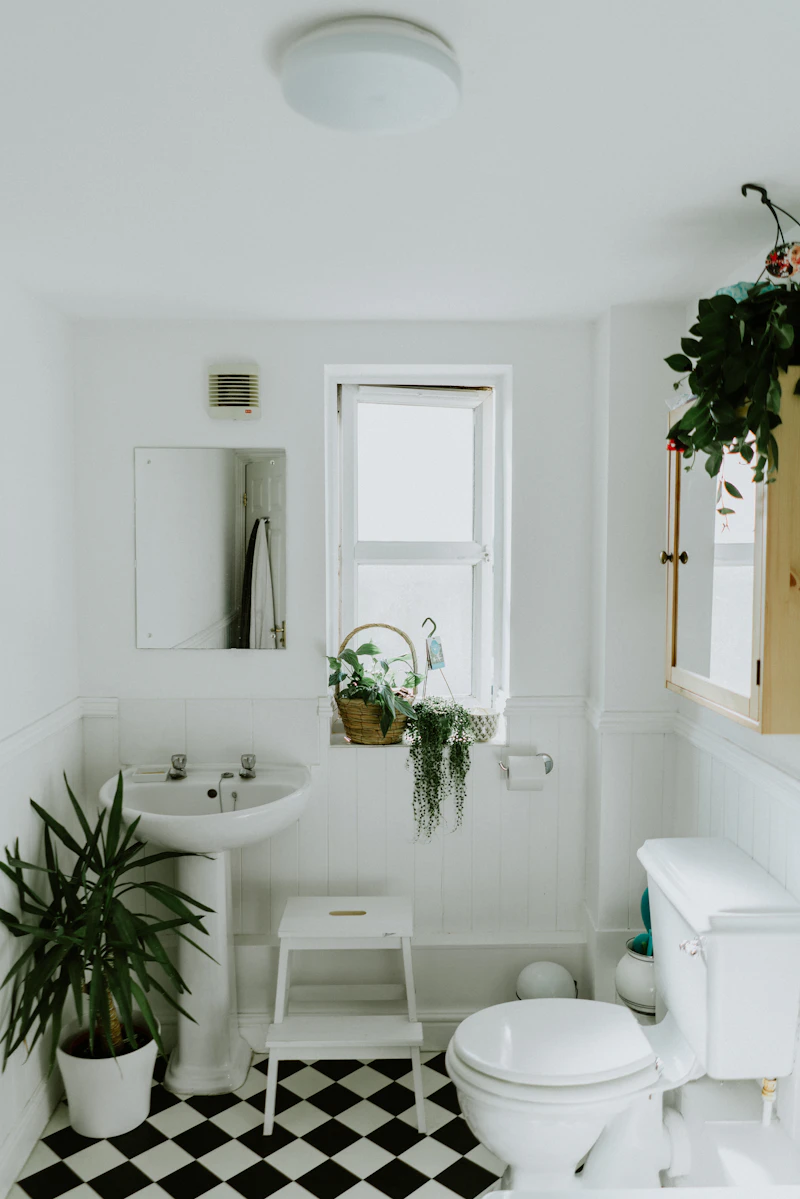
Based on Bureau of Labor Statistics wage data for the Las Vegas-Henderson-Paradise metropolitan area, bathroom remodel in Las Vegas costs between $2,580 and $24,280, with an average of $7,490.
Bathroom Remodel Cost Breakdown — Las Vegas, NV
| Service/Item | Low Estimate | Average | High Estimate |
|---|---|---|---|
| Vanity + Sink Install | $790 | $1,050 | $1,500 |
| Shower/Tub Replacement | $1,990 | $2,670 | $3,840 |
| Tile Work (floor + walls) | $1,690 | $2,330 | $3,500 |
| Toilet Replacement | $310 | $420 | $620 |
| Full Gut Remodel | $8,350 | $11,330 | $16,590 |
| Fixture Upgrade Package | $1,150 | $1,530 | $2,180 |
Why Bathroom Remodel Costs Vary in Las Vegas
Remodeling a bathroom in Las Vegas isn’t just about tile and fixtures—it’s about building to survive 110-degree summers, monsoon downpours, and air so dry it warps wood. These extreme conditions shape every aspect of cost, from material selection to labor timelines. The Bureau of Labor Statistics reports that trade labor in this metro averages $27.72/hr, but actual contractor billing rates often run higher due to overhead, insurance, and a typical 20–30% markup for project management. Las Vegas bathroom remodels run about 5% above the national average, not because labor is unusually high, but because durability requirements are.
Contractors must plan for thermal expansion, UV degradation, and slab-on-grade movement common in post-1990 tract homes built with stucco exteriors and minimal insulation. Older homes, especially those from the 1970s–80s, often have outdated plumbing under concrete slabs, increasing demolition risk and repair costs. Flash flood zones in areas like Summerlin or Enterprise require proper drainage planning, adding complexity. Materials must resist cracking—solid surface and porcelain are preferred over natural stone or wood-look tiles that can delaminate in low humidity. Even ventilation specs are stricter here: codes require higher CFM exhaust fans to combat moisture buildup in tightly sealed desert homes, preventing mold in a climate that swings from arid to sudden humidity during monsoon season.
Comparing Quotes: Budget vs. Mid-Range vs. Premium
| Feature | Budget | Mid-Range | Premium |
|---|---|---|---|
| Materials | Builder-grade ceramic tile, vinyl flooring, basic acrylic tub | Porcelain tile, solid surface countertops, frameless glass shower | Imported stone, custom cabinetry, smart fixtures, radiant floor heating |
| Plumbing & Electrical | Minimal reconfiguration, reuse existing lines where possible | Updated layouts, new shower valves, LED lighting upgrades | Full repipe if needed, smart toilets, heated towel bars, recessed lighting |
| Warranty | 1-year labor, manufacturer-only on materials | 2-year labor, 5-year coverage on major fixtures | 5-year comprehensive, including tile and waterproofing |
| Timeline | 2–3 weeks, may overlap trades | 4–6 weeks, structured phase schedule | 8+ weeks, custom lead times, precision detailing |
| Contractor Involvement | Project manager visits weekly | Weekly updates, dedicated point of contact | Daily supervision, design coordination, change order transparency |
| Permit & Code Compliance | Basic permits, minimal inspections | Full Clark County compliance, desert thermal and moisture barriers | Engineered plans if structural, full UV- and heat-rated sealing |
Seasonal Pricing Patterns in NV
Las Vegas weather doesn’t just affect comfort—it directly impacts remodel scheduling and pricing. Summer heat (105–115°F) makes indoor work slower and more costly due to extended cooling needs and worker fatigue. Homeowners may also want to compare kitchen remodel costs in Las Vegas.
Contractors often slow down June through August, but paradoxically, this isn’t always the cheapest time to book—many avoid summer due to humidity spikes and AC strain, creating uneven demand. The real off-peak window is late fall to early spring, when temperatures are stable and crews move faster. Flash flood season (July–September) can delay projects with outdoor access or slab work, especially in low-lying areas like downtown or near the Tropicana wash.
- Book permits in October–November to start construction in December–February for fastest, most predictable timelines.
- Avoid scheduling demolition during monsoon season—rain can delay slab drying and outdoor material storage.
- Winter (Dec–Feb) offers the most availability, but ensure your contractor maintains indoor temps above 60°F for proper adhesive curing.
- Spring (March–May) is peak demand—contractors are booked months out, and rush fees may apply.
- Emergency plumbing repairs after freeze events (rare but possible in January) can trigger 25–50% surcharges; insulate pipes proactively.
- Verify active license status on the Nevada State Contractors Board website and check for unresolved complaints.
- Confirm they carry general liability and worker’s compensation insurance—request certificates before work begins.
- Ask for three recent bathroom remodel references in Las Vegas, preferably in your neighborhood or home era.
- Ensure they include a written scope detailing material specs, timeline, and change order process.
- Require proof of Clark County permit submission—this confirms they follow local plumbing and electrical codes.
- Check if their subs are licensed—plumbers and electricians must have their own credentials.
- Local labor rates — Las Vegas labor averages $27.72/hour, about 5% above the national average due to rising cost of living, strong union presence in skilled trades, and high demand for remodeling in fast-growing areas like Summerlin and Anthem. Contractors must also account for worker retention in extreme heat, which can affect scheduling and labor efficiency.
- Seasonal demand — Peak remodeling seasons run from September to May, avoiding the scorching summer months (June–August) when outdoor work halts and indoor projects dominate. Contractors often charge 10–20% more during peak season due to high demand, especially in new developments across Henderson and Enterprise.
- Project scope — A basic repair (e.g., regrouting tile, replacing fixtures) costs significantly less than a full tear-out involving plumbing rerouting or waterproofing. The gap between low and high estimates often comes from hidden water damage behind stucco walls or slab-level plumbing issues common in older Las Vegas homes built in the 1980s–90s.
- Permits & inspections — All bathroom remodels requiring plumbing, electrical, or structural changes need permits from the Nevada State Contractors Board and Clark County Building Division. Permit fees typically range from $50 to $300, depending on project complexity, and inspections are mandatory to pass final approval—especially critical in areas with flash flood risk where drainage compliance is enforced.
- Materials quality — Builder-grade ceramic tile and vinyl flooring cost 30–50% less than premium options like UV-resistant porcelain, natural stone, or waterproof luxury vinyl plank designed to endure desert temperature swings. Upgraded materials also resist cracking from low humidity and intense sunlight through bathroom windows.
- Property characteristics — Homes on slab-on-grade foundations (common in post-2000 tract developments) may require jackhammering for plumbing updates, increasing labor. Older homes with stucco exteriors, tile roofs, or limited access in tight Henderson neighborhoods add complexity, while multi-story condos in Paradise may incur elevator or stairway equipment fees.
- Emergency vs scheduled — Emergency repairs (e.g., burst pipes after temperature swings or flash flood water intrusion) trigger after-hours rates that can be 1.5 to 2 times higher than standard pricing. Weekend or holiday service in areas like Downtown Las Vegas or near the Strip often includes premium labor charges.
Emergency rates typically apply after-hours or for urgent water damage from failed seals or slab leaks—common in older homes with galvanized piping. Avoid them by upgrading plumbing during remodels and using contractors who inspect behind walls.
Hiring the Right Contractor in Las Vegas
A valid Nevada State Contractors Board license is non-negotiable. In Clark County, contractors must also register locally and pull permits for all plumbing, electrical, and mechanical work.
Desert-specific codes require vapor barriers, UV-stable sealants, and proper ventilation to prevent mold in tightly sealed homes. Never hire someone who suggests skipping permits—inspections protect your investment and resale value.
Red flags include cash-only demands, refusal to provide a written contract, or pressure to start before permits are pulled.
During estimates, ask: “Have you worked on homes with slab-on-grade foundations in this area?” and “How do you handle slab leaks if found during demo?” A qualified contractor will explain moisture testing, thermal imaging, and coordination with licensed plumbers. They’ll also discuss ventilation strategies to combat humidity spikes after showers—a critical detail in a climate where dry air can’t absorb moisture, leading to long-term mold risk behind tile.
What Affects Bathroom Remodel Costs in Las Vegas?
What Affects Bathroom Remodel Costs in Las Vegas?
Homeowners in Las Vegas, Henderson, and Paradise face unique factors that influence bathroom remodel pricing. From desert-driven material wear to seasonal labor demand, understanding these elements helps plan a cost-effective renovation.
Popular Bathroom Remodel Brands in Las Vegas
Frequently Asked Questions
How much does bathroom remodel cost in Las Vegas, NV?
The average cost of a bathroom remodel in Las Vegas, NV is $7,490, with prices typically ranging from $2,580 for basic updates to $24,280 for high-end renovations. This includes labor, materials, and fixtures, with labor priced around the BLS-reported rate of $27.72 per hour for construction trades in the area. Costs vary based on bathroom size, material quality, and whether plumbing or electrical systems are modified.
Why is bathroom remodel more expensive in Las Vegas than the national average?
While the average remodel cost in Las Vegas is $7,490, it's not necessarily higher than the national average—regional differences stem from material transport costs, labor demand, and water-efficient fixture requirements. The desert climate increases demand for moisture-resistant materials, and strict local building codes for plumbing can add to labor time. Additionally, higher summer demand for AC-compatible renovations can strain contractor availability, indirectly increasing costs.
How can I save money on bathroom remodel in Las Vegas?
You can save money by keeping the existing plumbing layout to avoid costly rerouting, choosing locally available materials to reduce delivery fees, and scheduling the project during off-peak months like late fall. Opting for water-efficient fixtures may qualify for local utility rebates, helping offset initial costs. Using contractors who charge close to the BLS-reported $27.72/hour labor rate can also help control expenses without sacrificing quality.
Do I need a permit for bathroom remodel in NV?
Yes, most bathroom remodels in Nevada require a permit if they involve plumbing, electrical, or structural changes. The Las Vegas Building Department mandates permits to ensure compliance with local codes, especially for water-conservation standards in this arid region. Permits typically cost $100–$300 and should be pulled by your licensed contractor, who must also schedule inspections.
How long does bathroom remodel take in Las Vegas?
A standard bathroom remodel in Las Vegas takes 2 to 4 weeks, depending on the scope. Simple updates like fixtures and paint may be done in 5–7 days, while full tear-outs with tile, plumbing, and drywall take 3 weeks or more. Delays can occur during summer due to high contractor demand or material delivery issues, even with labor available at the BLS-reported $27.72/hour rate.
What warranty should I expect from a bathroom remodel contractor?
Reputable bathroom remodel contractors in Las Vegas typically offer a 1- to 2-year labor warranty on workmanship, in addition to manufacturer warranties on materials and fixtures. Some may extend coverage for major components like waterproofing or tile installation. Always get the warranty in writing and verify the contractor is licensed and insured under Nevada law to ensure enforceability.
What's the best time of year for bathroom remodel in Las Vegas?
The best time for a bathroom remodel in Las Vegas is late fall to early spring (October to March), when contractors have more availability and can often offer better rates. Summer months see high demand due to indoor projects during extreme heat, potentially increasing wait times and labor pressure. Scheduling during the off-season may also result in faster material deliveries and more flexibility with crews charging near the BLS $27.72/hour average.
