How Much Does Bathroom Remodel Cost in Jersey City, NY?
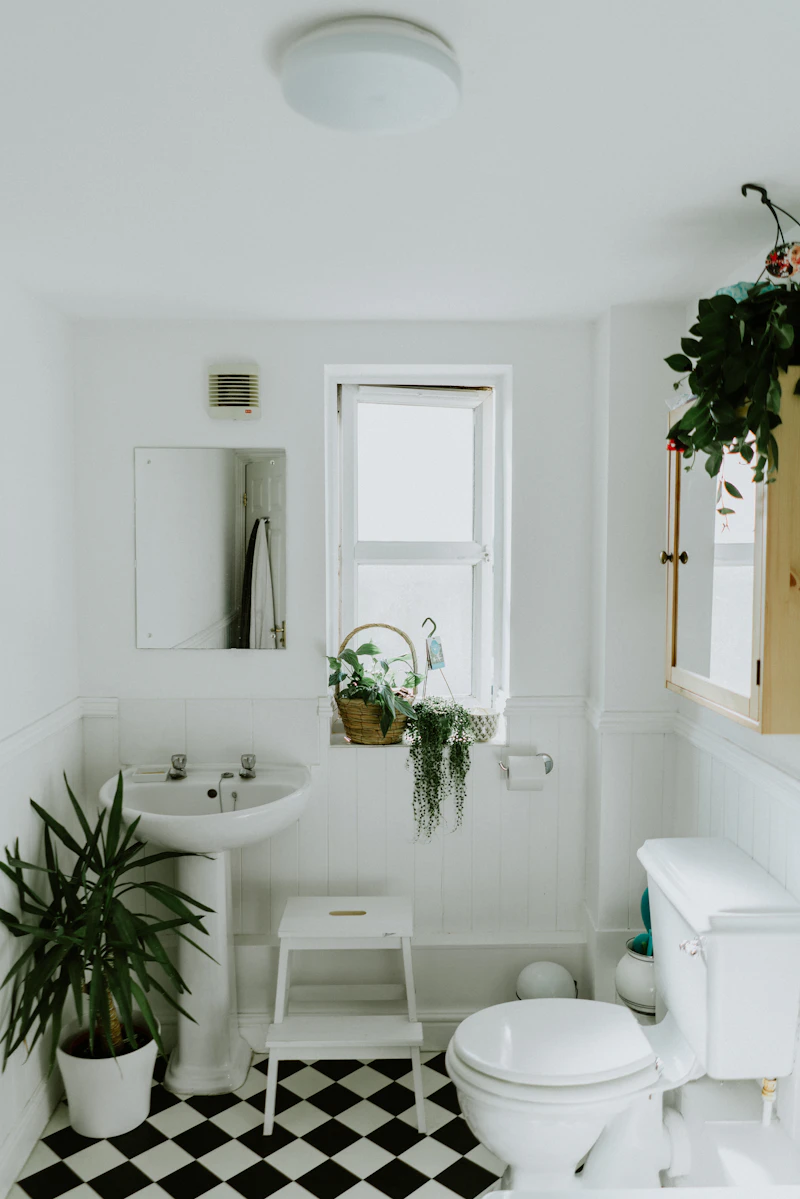
Based on Bureau of Labor Statistics wage data for the New York-Newark-Jersey City metropolitan area, bathroom remodel in Jersey City costs between $2,670 and $25,610, with an average of $7,850.
Bathroom Remodel Cost Breakdown — Jersey City, NY
| Service/Item | Low Estimate | Average | High Estimate |
|---|---|---|---|
| Vanity + Sink Install | $810 | $1,090 | $1,570 |
| Shower/Tub Replacement | $2,040 | $2,760 | $4,010 |
| Tile Work (floor + walls) | $1,760 | $2,450 | $3,720 |
| Toilet Replacement | $320 | $440 | $660 |
| Full Gut Remodel | $8,620 | $11,800 | $17,470 |
| Fixture Upgrade Package | $1,180 | $1,580 | $2,270 |
Is It Time for Bathroom Remodel? Warning Signs
Jersey City’s mix of aging brownstones, high-rise condos, and historic co-ops means many bathrooms are fighting a daily battle against humidity, salt air, and decades-old plumbing. If your grout is crumbling, your shower drain gurgles like the Hudson at low tide, or you’ve noticed soft spots near the base of the tub, it’s not just cosmetic—it’s structural.
Mold behind tile, persistent musty odors, or peeling paint in moisture-resistant finishes signal that your bathroom is losing the war against Jersey’s humid summers and freeze-thaw cycles. These aren’t just annoyances—they’re early warnings of costly water damage.
Timing your remodel around Jersey City’s climate and contractor demand can save you time and money. Here’s how:
- Schedule major work in late fall (October–November) to avoid peak summer demand and winter storm delays—contractors are more available, and indoor work avoids weather setbacks.
- Avoid starting projects during nor’easter season (December–March); even indoor jobs get delayed when materials can’t be delivered through flooded streets or snow-blocked alleys.
- Coastal salt air accelerates corrosion in exhaust fans and metal fixtures—replace or upgrade ventilation systems during remodels to prevent premature failure.
- Pre-war buildings often require lead-safe practices and asbestos checks; schedule inspections early to avoid stop-work orders mid-remodel.
- High-rise condo boards may require permits or off-hours work restrictions—confirm rules before signing contracts to prevent costly delays.
- Local labor rates
Jersey City labor averages $31.68 per hour, roughly 20% above the national average, driven by high cost of living, strong union presence in construction trades, and sustained demand from urban redevelopment and co-op renovation cycles. Skilled labor is in limited supply, especially for specialized tile and plumbing work in older buildings.
- Seasonal demand
Peak remodeling seasons run from late spring through early fall when humidity levels are more manageable and nor’easters don’t disrupt material deliveries. Contractors often charge 10–20% more during these months, while off-peak winter work (December–February) may offer slight scheduling flexibility, though cold temperatures can delay drying times for adhesives and grout.
- Project scope
A basic repair—such as fixture replacement or re-tiling—differs significantly from a full gut renovation involving plumbing relocation, waterproofing, and custom cabinetry. The scope gap is widest in pre-war buildings where hidden issues like cast-iron pipe corrosion or knob-and-tube wiring behind walls can dramatically increase labor and material needs.
- Permits & inspections
In Jersey City, any bathroom remodel exceeding $10,000 in value requires a permit from the Department of Buildings (DOB), with fees ranging from $50 to $300 depending on scope. Licensed contractors must carry $2 million in general liability insurance, and inspections are mandatory for plumbing and electrical modifications, especially in co-ops and high-rises with strict board requirements.
- Materials quality
Premium materials like porcelain tile from New Jersey manufacturers, solid-surface vanities, and mold-resistant drywall cost 30–50% more than builder-grade alternatives but are recommended due to the region’s hot, humid summers and coastal salt air that accelerate wear. Water-efficient fixtures and vapor barriers are also commonly upgraded to meet local environmental conditions.
- Property characteristics
Remodeling a bathroom in a historic brownstone or high-rise condo in Journal Square involves more complexity than in a single-family home in Greenville, due to limited access, weight restrictions, and building board approvals. Older homes often require asbestos or lead abatement, while newer suburban builds allow for easier layout changes.
- Emergency vs scheduled
Water damage from burst pipes during freezing winters or failed seals in humid summers often necessitates emergency repairs, with after-hours labor rates running 1.5 to 2 times standard fees. Scheduling work proactively avoids weekend premiums and long lead times common during peak seasons.
Emergency rates kick in when water is actively damaging walls, floors, or neighboring units. Burst pipes, sewage backups, or sudden leaks from upper units trigger urgent response fees—sometimes double standard labor.
Prevent emergencies with annual checks of supply lines, shutoff valves, and grout integrity, especially before winter freezes. A $150 inspection can save thousands in flood damage and emergency call-outs.
What Drives Price Differences Between Contractors
Bathroom remodel costs in Jersey City aren’t arbitrary—they reflect real market pressures. The Bureau of Labor Statistics reports a local trade labor rate of $31.68/hr, but that’s just the baseline.
Contractors in this metro area typically apply a 30–45% markup to cover overhead, insurance, permits, and compliance with NYC-area building codes that often exceed national standards. What you’re paying for isn’t just labor—it’s expertise navigating tight urban job sites, union requirements in high-rises, and the quirks of 100-year-old plumbing systems.
Jersey City remodels run about 20% above the national average—not just because of labor, but due to material handling challenges. Delivering tile to a 5th-floor walk-up in Journal Square? That’s double-carry fees.
Installing a new vent stack in a pre-war brownstone? You’re paying for masonry repair and code-compliant routing through shared walls. Co-op boards often require licensed, insured contractors with specific liability coverage—adding administrative costs that trickle into your quote.
The local environment also drives material choices. Coastal humidity demands mold-resistant drywall and exhaust fans with humidity sensors.
Salt air corrodes standard chrome fixtures faster, so many homeowners opt for marine-grade stainless or PVD-coated finishes—even if they cost more upfront. In summer, poor ventilation turns small bathrooms into steam rooms, so high-CFM fans are non-negotiable. In winter, uninsulated pipes in exterior walls freeze, requiring re-routing or heat tape—common in older homes near the Heights or Paulus Hook.
Suburban colonials in Greenville or Journal Square face different issues: larger bathrooms, outdated septic-fed plumbing, or slab foundations that complicate re-piping.
High-rises in Harborside or Exchange Place deal with strict noise ordinances, freight elevator scheduling, and waste removal fees. Each project’s cost reflects these hidden variables—two identical-looking bathroom layouts can have vastly different price tags based on building type and location.
Financing Options for Bathroom Remodel in NY
Paying for a bathroom remodel doesn’t require draining your savings. Many Jersey City contractors offer in-house payment plans—typically 1/3 at signing, 1/3 at demo/completion of rough-in, and final third at project closeout.
Some partner with lenders to offer 6–12 months no-interest financing if paid in full within the term. These options help manage cash flow, especially in co-ops where assessments or maintenance fees already strain budgets.
Home equity loans or HELOCs are popular for larger remodels, particularly in owner-occupied brownstones or single-family homes.
With current rates competitive, leveraging home equity often beats high-interest credit cards. Personal loans from credit unions like Hudson County or Summit FCU offer fixed rates and predictable payments—ideal for renters with landlord approval or those in co-ops with renovation limits.
Financing makes sense when the remodel increases safety, accessibility, or property value—like replacing a tub with a walk-in shower for aging in place, or fixing chronic mold issues that could affect resale.
If you’re planning to sell in 3–5 years, a well-designed bathroom often delivers strong ROI. But if you’re in a rent-stabilized unit or face strict co-op rules, cash may be smarter—avoid debt on improvements you can’t fully control or recoup.
How to Avoid Overpaying in Jersey City
Overpaying starts with skipping due diligence. The most effective negotiation isn’t haggling over price—it’s demanding transparency.
Ask contractors to break down labor vs. material costs, and verify they’re using local subs (not importing crews at your expense). A detailed quote should reflect the $31.68/hr baseline with clear markup—anything vague suggests padding.
Timing is leverage. Schedule your project in November or February—contractors are more flexible on pricing when demand dips. Some offer 5–10% off-season discounts just to keep crews working. Avoid summer and spring, when demand from pre-listing renovations peaks.
Bundling adds value. If you’re updating multiple bathrooms, or combining the remodel with kitchen plumbing or laundry room upgrades, insist on package pricing.
Shared materials (tile, fixtures), single permit fees, and continuous labor reduce overhead—pass those savings to you. In high-rises, coordinating with neighbors on simultaneous renovations can split freight elevator fees or temporary storage costs.
Finally, get three detailed bids—but compare line items, not totals. One contractor may quote premium waterproofing (worth it in humid basements), while another skips vapor barriers to underbid.
In Jersey City, the cheapest quote often becomes the most expensive when callbacks and repairs pile up. Choose clarity, local experience, and weather-smart planning over the lowest number.
What Affects Bathroom Remodel Costs in Jersey City?
What Affects Bathroom Remodel Costs in Jersey City?
Homeowners in Jersey City face unique cost factors when remodeling bathrooms, shaped by local labor markets, climate challenges, building regulations, and housing stock. Understanding these elements helps manage expectations and plan effectively for a successful renovation.
Popular Bathroom Remodel Brands in Jersey City
Frequently Asked Questions
How much does bathroom remodel cost in Jersey City, NY?
The average bathroom remodel in Jersey City, NY costs $7,850, with prices typically ranging from $2,670 to $25,610 depending on the scope and materials used. This includes labor, which averages $31.68 per hour according to the U.S. Bureau of Labor Statistics (BLS) for the New York-Newark-Jersey City metro area. Costs can vary significantly based on fixture quality, layout changes, and plumbing or electrical upgrades. Larger renovations involving structural changes or high-end finishes will fall toward the upper end of the range.
Why is bathroom remodel more expensive in Jersey City than the national average?
Bathroom remodels in Jersey City are more expensive than the national average due to higher labor rates, local building code requirements, and increased material and disposal costs in the metro area. The BLS reports that hourly wages for construction workers average $31.68, above many other U.S. regions, directly impacting total project costs. Additionally, compliance with New Jersey plumbing and electrical codes often requires licensed professionals, adding to labor expenses. Urban logistics, such as permit fees and limited job site access, also contribute to higher overall pricing.
How can I save money on bathroom remodel in Jersey City?
You can save money on a bathroom remodel by keeping the existing plumbing layout to avoid costly rerouting of pipes, which can add thousands to the project. Choosing mid-range fixtures and materials instead of high-end options helps stay closer to the $7,850 average cost. Getting multiple bids from licensed contractors in the New York-Newark-Jersey City metro area ensures competitive pricing based on the BLS-reported labor rate of $31.68/hr. Doing cosmetic updates like painting or replacing hardware yourself can also reduce labor expenses.
Do I need a permit for bathroom remodel in NY?
Yes, most bathroom remodels in Jersey City require a permit if the project involves plumbing, electrical, or structural changes, as mandated by New York State and local Jersey City regulations. Simple cosmetic updates like repainting or replacing a vanity without plumbing alterations may not need one. Permits ensure work meets safety codes and are typically obtained by your licensed contractor. Failure to secure permits can result in fines or complications during home sales.
How long does bathroom remodel take in Jersey City?
A typical bathroom remodel in Jersey City takes 2 to 3 weeks for a mid-range renovation, assuming no major delays in material delivery or permitting. Projects involving structural changes, custom tile work, or plumbing rerouting may take 4 to 6 weeks. The timeline depends on contractor availability, which can be affected by high demand in the metro area. Efficient planning and using local contractors familiar with BLS-aligned labor workflows can help stay on schedule.
What warranty should I expect from a bathroom remodel contractor?
Most reputable bathroom remodel contractors in Jersey City offer a 1- to 2-year labor warranty covering workmanship issues like leaks, tile cracking, or faulty installations. Manufacturer warranties typically apply to fixtures and materials, such as toilets, faucets, and showers, and can range from 5 to lifetime coverage. Always request warranty terms in writing and confirm they align with industry standards in the New York-Newark-Jersey City metro area. A warranty reflects confidence in work done at the BLS-reported rate of $31.68/hr.
What's the best time of year for bathroom remodel in Jersey City?
The best time for a bathroom remodel in Jersey City is late fall or winter, when demand for contractors is lower, potentially leading to better pricing and faster scheduling. Summer and spring are peak seasons due to pre-holiday home improvement trends, which can extend wait times and increase labor costs. Off-season projects may also benefit from contractor availability aligned with the BLS-reported $31.68/hr rate without rush fees. Additionally, indoor bathroom work is less affected by weather, making winter a practical choice.
