How Much Does Bathroom Remodel Cost in Charlotte, NC?
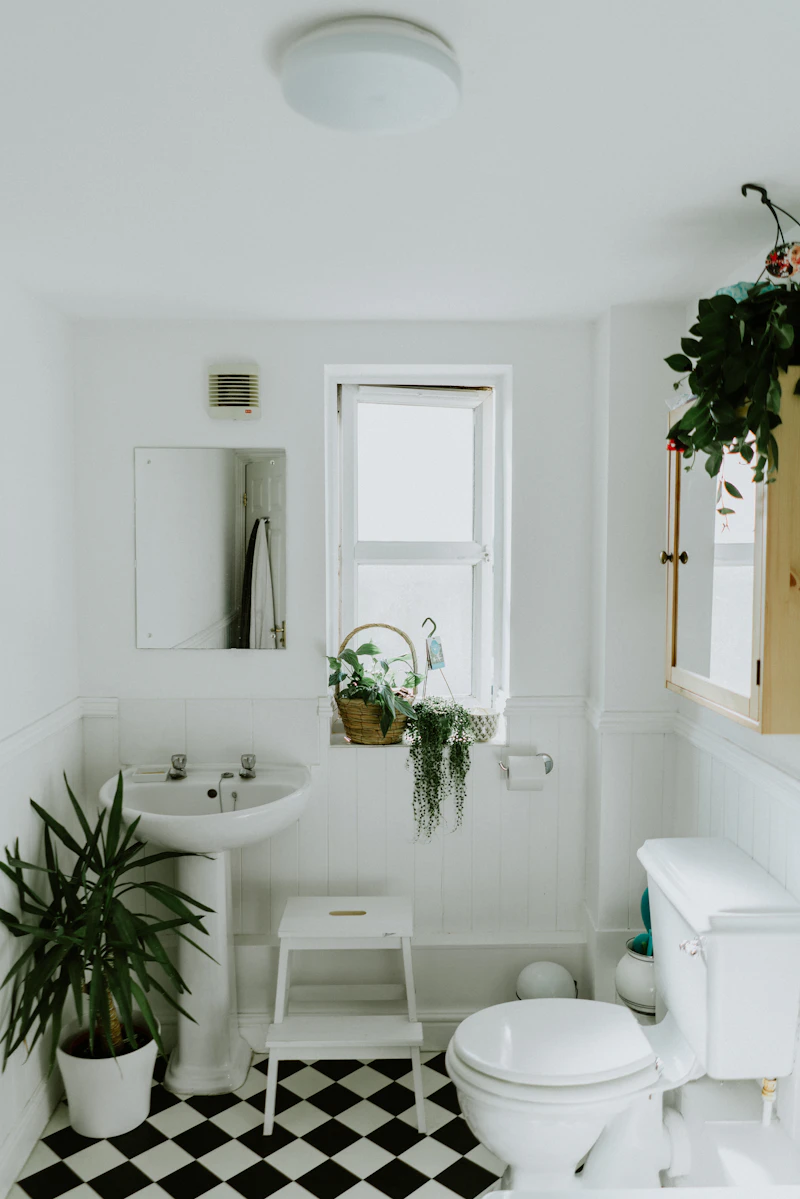
Based on Bureau of Labor Statistics wage data for the Charlotte-Concord-Gastonia metropolitan area, bathroom remodel in Charlotte costs between $2,520 and $23,220, with an average of $7,210.
Bathroom Remodel Cost Breakdown — Charlotte, NC
| Service/Item | Low Estimate | Average | High Estimate |
|---|---|---|---|
| Vanity + Sink Install | $770 | $1,020 | $1,450 |
| Shower/Tub Replacement | $1,940 | $2,590 | $3,700 |
| Tile Work (floor + walls) | $1,630 | $2,240 | $3,320 |
| Toilet Replacement | $300 | $410 | $600 |
| Full Gut Remodel | $8,120 | $10,950 | $15,880 |
| Fixture Upgrade Package | $1,130 | $1,490 | $2,110 |
How Bathroom Remodel Pricing Works in the Charlotte-Concord-Gastonia Area
Remodeling a bathroom in Charlotte isn’t just about tile and fixtures—it’s shaped by the region’s climate, housing stock, and labor market. While national averages suggest higher costs, Charlotte-area projects typically run about 7% below the U.S.
average, thanks to moderate labor rates and competitive contractor availability. According to the Bureau of Labor Statistics, the average hourly wage for construction laborers here is $24.55, which helps keep labor line items predictable. But that’s just one piece.
Contractors in this metro area typically apply a markup of 15–25% on materials and subcontractor costs. This covers project management, warranty support, permit acquisition, and risk mitigation—especially important given local conditions.
For example, Charlotte’s hot, humid summers (regularly hitting 90–100°F) accelerate moisture buildup, making proper ventilation and mold-resistant materials non-negotiable. Bathrooms here must be built to handle persistent humidity, not just look good on day one.
Then there’s the soil. The region’s red clay expands and contracts dramatically with rain and drought.
Homes on crawl spaces—common in both older brick ranches and newer developments—can shift slightly over time, affecting plumbing alignment and floor stability. A pro remodel accounts for this with reinforced subflooring and flexible supply lines. Newer builds often feature vinyl siding and tighter envelopes, but also tighter profit margins for contractors, which can influence bid accuracy. Homeowners may also want to compare kitchen remodel costs in Charlotte.
Charlotte’s location in the piedmont means milder winters than northern states, allowing for year-round construction. But coastal hurricane risks—though 200+ miles away—still influence code enforcement in some jurisdictions.
Counties like Union and Gaston follow the NC Building Code based on the International Residential Code (IRC), with additional wind-borne debris requirements in certain zones. While bathrooms aren’t directly impacted by wind codes, structural upgrades during a remodel may trigger compliance checks.
All of this shapes pricing: labor efficiency, material selection, and code adherence aren’t add-ons—they’re baked into every legitimate bid. Cutting corners on moisture barriers or venting might save money upfront, but in Charlotte’s climate, it leads to callbacks, mold, and failed inspections.
What to Expect During the Estimate Process
Your first call to a contractor should lead to an on-site evaluation, not an instant quote.
A professional estimate visit in the Charlotte metro includes a walkthrough, measurement check, and discussion of your goals. The contractor will inspect the existing plumbing stack, vent lines, subfloor condition, and electrical setup—especially if you’re moving fixtures or adding heated flooring.
They’ll also check for signs of past water damage, common in homes with aging caulk joints or undersized exhaust fans.
Given the humidity, proper vapor barriers and insulation in walls are standard in our bids. You’ll receive a written proposal within 3–5 business days, detailing scope, materials, timeline, and payment schedule.
Most bathroom remodels in Charlotte take 10–16 days from demo to final cleanup, assuming no structural surprises.
Permits are pulled through your city or county building department—Mecklenburg, Union, or Gaston—and inspections occur at rough-in and final stages. Delays usually stem from material backorders or unforeseen issues like rotted subfloor or outdated plumbing that doesn’t meet current code.
Communication is key. Top contractors in this area provide weekly updates and a single point of contact. They coordinate plumbers, electricians, and tile setters—many of whom are licensed separately under NC law for jobs over $30,000. You shouldn’t be managing subs yourself.
DIY vs. Professional Bathroom Remodel: When It Makes Sense
| Safe for DIY | Hire a Pro |
|---|---|
| Replacing a vanity or toilet (if no plumbing changes) | Relocating plumbing drains or vent lines |
| Installing peel-and-stick flooring in low-moisture zones | Running new electrical circuits for heated floors or lighting |
| Painting walls with moisture-resistant paint | Designing and building a tile shower with proper slope and waterproofing |
| Replacing light fixtures on existing circuits | Structural modifications, including load-bearing wall removal |
| Adding shelving or accessories | Permitting and code compliance in Mecklenburg or surrounding counties |
DIY can work for cosmetic updates, but plumbing and electrical work in bathrooms must meet NC code.
Improper venting or grounding can lead to mold, electrocution risk, or failed inspections. Licensed pros carry liability insurance—critical if a DIY attempt causes water damage to a downstairs unit or crawlspace.
Questions to Ask Before Signing a Contract
In North Carolina, general contractors need a license for projects over $30,000. Plumbing, HVAC, and electrical work require separate trade licenses. Always verify that your contractor holds the appropriate credentials through the NC Licensing Board for General Contractors.
- Are you licensed and insured for this scope? Ask for license numbers and proof of general liability and workers’ comp.
- Who pulls the permits? In Charlotte, Concord, and Gastonia, permits are required for plumbing and electrical changes. The contractor should handle this.
- Which subs are licensed? Plumbers and electricians must be individually licensed in NC. Confirm they’re not “handymen” doing regulated work.
- What’s included in the quote? Ensure demo, disposal, fixtures, tile, and rough-ins are itemized. Hidden costs often appear in vent extensions or subfloor repairs.
- What’s the timeline, and what causes delays? Realistic schedules account for inspections and material lead times.
- What’s your warranty? Reputable firms offer 1–2 years on workmanship.
Red flags: cash-only demands, refusal to provide references, bids significantly below market, or pressure to sign same-day. In a market where labor averages $24.55/hr, ultra-low bids often mean unlicensed labor or skipped permits—risks you’ll own later.
What Affects Bathroom Remodel Costs in Charlotte?
What Affects Bathroom Remodel Costs in Charlotte?
Homeowners in the Charlotte-Concord-Gastonia area face unique cost factors when remodeling a bathroom. From local labor trends to regional climate challenges, here’s what shapes your project budget:
- Local labor rates — Charlotte’s average hourly rate for home repair trades is around $24.55, about 7% below the national average. This is due to lower overall cost of living and limited union presence, though rising demand from population growth is beginning to tighten labor supply, especially in Mecklenburg and Union counties.
- Seasonal demand — Bathroom remodels peak in spring and early fall when humidity drops and homeowners avoid disrupting AC systems during hot summer months (90–100°F). Contractors often charge 10–20% more during these high-demand windows, while late winter—outside of holiday periods—offers better availability and potential scheduling discounts.
- Project scope — A basic repair like regrouting or fixture replacement costs significantly less than a full tear-out involving plumbing rerouting or structural changes. The gap between low and high estimates often comes down to hidden issues like water damage from prolonged humidity exposure or red clay soil shifting affecting slab foundations.
- Permits & inspections — North Carolina requires licensed contractors for plumbing, electrical, and structural work, with general contractors needing at least $30,000 in liability coverage. Permits are processed through county offices (Mecklenburg, Cabarrus, or Gaston), typically costing $50–$300 depending on scope, and inspections help ensure compliance with local codes, especially around moisture-resistant materials in humid climates.
- Materials quality — Builder-grade ceramic tile and vinyl flooring cost 30–50% less than premium options like porcelain tile, solid surface countertops, or moisture-resistant quartz—critical in Charlotte’s humid environment. Upgraded ventilation fans and mold-resistant drywall add durability but increase material costs.
- Property characteristics — Older brick ranch homes common in neighborhoods like Dilworth or Belmont often have tight layouts and crawl space access, raising labor time. Newer constructions in Waxhaw or Steele Creek may allow easier routing but still contend with slab foundations vulnerable to red clay expansion, potentially affecting plumbing lines.
- Emergency vs scheduled — Water leaks or HVAC conflicts during summer storms can trigger emergency calls, where after-hours rates run 1.5 to 2 times standard. Scheduling during weekdays and avoiding hurricane season (June–November) peak alerts helps avoid weekend and urgent-service premiums.
Popular Bathroom Remodel Brands in Charlotte
Frequently Asked Questions
How much does bathroom remodel cost in Charlotte, NC?
The average cost of a bathroom remodel in Charlotte, NC is $7,210, with prices typically ranging from $2,520 for basic updates to $23,220 for high-end renovations. This includes labor, materials, and fixtures. Labor rates in the area average $24.55 per hour according to the U.S. Bureau of Labor Statistics (BLS), contributing to overall project costs.
Why is bathroom remodel less expensive in Charlotte than the national average?
Bathroom remodels in Charlotte tend to be less expensive than the national average due to lower labor and material costs. The BLS reports local hourly wages for contractors at $24.55, which is below the national average for many metro areas. Additionally, competition among local contractors in the Charlotte-Concord-Gastonia metro helps keep pricing competitive. Lower overhead costs for businesses also contribute to reduced project totals.
How can I save money on bathroom remodel in Charlotte?
You can save money by keeping the existing plumbing layout to avoid costly rerouting, choosing mid-range fixtures, and scheduling the project during off-peak seasons. Hiring licensed contractors who offer competitive bids based on the local $24.55/hr BLS labor rate can also reduce expenses. Getting multiple quotes and reusing structural elements like walls and flooring helps control costs within the $2,520–$23,220 range.
Do I need a permit for bathroom remodel in NC?
Yes, most bathroom remodels in North Carolina require a permit if the project involves plumbing, electrical, or structural changes. The local building department in Charlotte or your municipality will review plans and ensure compliance with state codes. Permits help ensure safety and may be required for insurance or resale, especially on remodels approaching $23,220 in cost.
How long does bathroom remodel take in Charlotte?
A typical bathroom remodel in Charlotte takes 1 to 3 weeks, depending on the scope. Simple updates like fixtures and paint may be completed in under a week, while full renovations involving plumbing or tile work can take up to 21 days. Delays may occur due to material availability or permit approvals. Contractors billing at the BLS-reported $24.55/hr usually provide timelines with their estimates.
What warranty should I expect from a bathroom remodel contractor?
Most reputable bathroom remodel contractors in Charlotte offer a 1- to 2-year labor warranty on workmanship, in addition to manufacturer warranties on materials and fixtures. This covers issues like leaking joints, tile cracks, or faulty installations performed at the local BLS rate of $24.55/hr. Always get the warranty in writing and confirm what is covered, especially for projects costing $7,210 or more.
What's the best time of year for bathroom remodel in Charlotte?
The best time for a bathroom remodel in Charlotte is late fall or winter, when contractor demand is lower and scheduling is easier. With fewer homeowners starting projects, you may secure better rates on labor, which averages $24.55/hr per BLS data. Off-peak scheduling can also reduce project timelines, as crews may prioritize your job. Avoid spring and summer, when demand peaks and lead times can extend beyond three weeks.
