How Much Does Electrical Cost in Denver, CO?
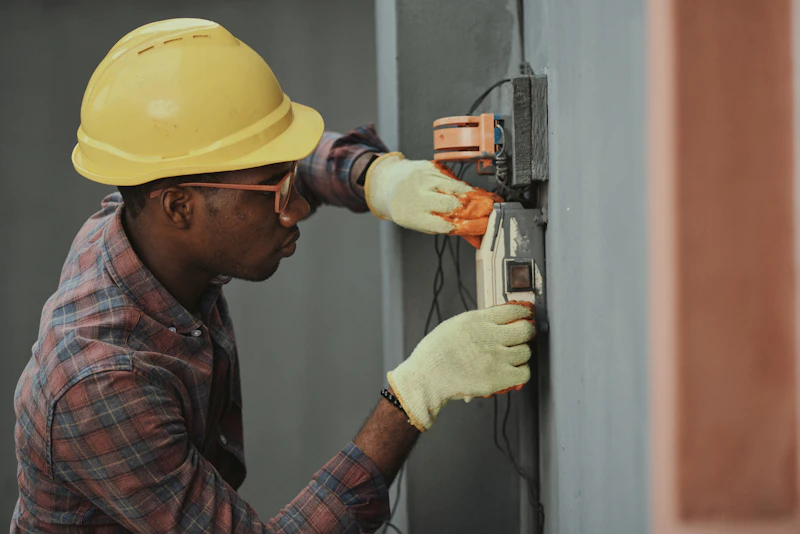
Based on Bureau of Labor Statistics wage data for the Denver-Aurora-Lakewood metropolitan area, electrical in Denver costs between $80 and $4,820, with an average of $700.
Electrical Cost Breakdown — Denver, CO
| Service/Item | Low Estimate | Average | High Estimate |
|---|---|---|---|
| Outlet Installation | $50 | $70 | $120 |
| Ceiling Fan Install | $180 | $250 | $380 |
| Panel Upgrade (200 amp) | $1,430 | $1,890 | $2,680 |
| EV Charger Install | $750 | $1,000 | $1,400 |
| Whole House Rewiring | $2,970 | $3,980 | $5,720 |
| Light Fixture Install | $70 | $100 | $160 |
The Rocky Mountain sun beats down on Denver rooftops, where solar gain and sudden hailstorms shape how homes are wired.
At 5,280 feet, electrical systems face unique stresses—dry air that increases static risk, UV radiation that degrades outdoor components faster, and temperature swings that make connections expand and contract daily. These aren’t just weather quirks—they directly impact material choices, labor demands, and ultimately, your electrical costs in the Mile High City.
Why Electrical Costs Vary in Denver
Denver’s electrical pricing sits about 10% above the national average, and the reasons go beyond simple supply and demand. The Bureau of Labor Statistics reports an average electrician wage of $32.57/hr here, but most full-service contractors apply a markup to cover overhead, permits, insurance, and project management—especially critical in a market where jobs often involve retrofitting older brick-and-stucco ranch homes or navigating the tight crawl spaces of hillside walkout basements.
Local housing styles add complexity.
Split-levels common in Southeast Denver require multi-zone circuit planning, while stone-clad exteriors make running new exterior lines labor-intensive. Stucco repairs after conduit installation can add unexpected line items, and high-end neighborhoods like Cherry Hills or Wash Park often demand recessed, invisible wiring solutions that increase labor hours. Homeowners may also want to compare hvac costs in Denver.
Then there’s the climate. Intense UV at elevation deteriorates standard outdoor-rated cables and junction boxes faster than in lower areas, pushing contractors toward UV-stabilized, high-altitude-rated materials.
Large hail—common in spring and summer—damages exposed meter bases and service heads, leading to more frequent upgrades. And when temperatures swing 40°F in 24 hours, as they often do in March or October, thermal cycling stresses connections, increasing the need for robust terminations and torque-rated tools—something not all crews use consistently.
Finally, Denver’s mix of old and new construction creates a fragmented labor market.
Historic homes in Capitol Hill or Five Points may require knob-and-tube removal or aluminum wiring remediation, while new builds in Stapleton follow updated NEC amendments for EV charging and backup power. Each demands different expertise, and experienced electricians who know Denver’s soil conductivity (which affects grounding) and snow-load grounding requirements are in high demand—driving up effective rates.
Comparing Quotes: Budget vs. Mid-Range vs. Premium
| Feature | Budget | Mid-Range | Premium |
|---|---|---|---|
| Materials | Basic NM-B cable, standard outlets, builder-grade panels | Commercial-grade wiring, tamper-resistant outlets, surge-protected breakers | High-temp conductors, UV-stabilized outdoor components, smart panels with monitoring |
| Labor Approach | Single electrician, minimal cleanup, limited planning | Dedicated crew, pre-wire inspection, labeled circuits | Project manager + team, thermal imaging, torque-spec tools, post-install review |
| Warranty | 1-year labor, manufacturer-only parts | 2-year labor, 5-year parts on major components | 5-year system warranty, includes surge damage and grounding performance |
| Permits & Code | Basic Denver electrical permit, minimal inspections | Full permit package, all required inspections, high-altitude compliance | Third-party code audit, snow-load grounding verification, utility coordination |
| Timeline | Completed in 1–2 days, may delay for inspections | Scheduled with inspection windows, 3–5 day completion | Phased work with homeowner updates, 1–2 weeks for whole-house |
| Service Add-Ons | None | Basic surge protection, GFCI in wet areas | Whole-house surge suppression, generator interlock, EV-ready panel |
Seasonal Pricing Patterns in CO
Denver’s climate creates predictable peaks in electrical demand—and pricing.
Summer brings a surge in outdoor lighting and AC circuit upgrades, while spring sees a spike in hail-related service repairs after storms roll through the Front Range. Winter slows new construction, but indoor remodels and lighting upgrades keep crews busy—especially before the holidays.
- Book electrical work in late fall (November) or mid-winter (January–February) to avoid summer markup and scheduling delays.
- Avoid April–June if possible—this is peak hail season, and emergency service calls for damaged meters or siding-integrated lighting can delay non-urgent projects.
- Plan outdoor projects for early summer when UV-rated materials are in stock and crews are less backlogged.
- Consider scheduling panel upgrades before snow season—Denver’s occasional heavy snow can overload circuits when multiple space heaters run simultaneously.
- Verify the contractor holds an active electrical license with the city where you live—Denver’s Department of Excise and Licenses, Aurora’s Development Services, or Boulder’s Building Division.
- Ask for proof of Colorado-specific liability insurance and worker’s comp—uninsured crews shift risk to you.
- Confirm they pull permits for all work—ask to see the permit number and inspection schedule.
- Require a written scope that includes torque-spec tools for breaker connections, which prevents overheating in high-load circuits.
- Check if they test grounding resistance—critical in Denver’s rocky, dry soil, which has poor conductivity.
- Ask about experience with stucco or stone wall penetrations and whether patching is included.
- Get 3-5 quotes — Prices in Denver range from $80 to $4,820, so comparing multiple estimates can save you hundreds or thousands.
- Check licensing — Verify your contractor is properly licensed and insured in Colorado.
- Ask about warranties — Reputable electrical professionals in Denver should offer at least a 1-year labor warranty.
- Read recent reviews — Look for contractors with reviews from other Denver homeowners specifically.
- Schedule off-season — You may save 10-20% by scheduling during slower months when contractors compete harder for work.
- Avoid the lowest bid — Extremely low quotes in Denver often mean cut corners, unlicensed workers, or hidden upcharges later.
- Labor costs — Denver tradespeople earn $32.57/hr on average, directly impacting your project cost.
- Material availability — Supply chain proximity and local demand affect material pricing in the Denver-Aurora-Lakewood area.
- Permit requirements — Colorado and local Denver building codes may require permits that add to overall project cost.
- Competition — The number of qualified electrical contractors in Denver influences pricing through market competition.
- Property characteristics — Home age, size, accessibility, and existing conditions unique to Denver neighborhoods affect scope and cost.
- Local labor rates
Electricians in Denver earn a median wage of $32.57/hour—over 10% above the national average—driven by high local costs of living, strong union presence in construction trades, and sustained demand for skilled labor due to ongoing residential development and remodeling across the Front Range.
- Seasonal demand
Electrical work peaks in spring and early fall when homeowners prepare for extreme temperatures; during these months, demand can push service pricing 10–20% higher. Winter brings fewer outdoor electrical projects, but indoor upgrades and repairs remain steady, especially during temperature swings that stress aging systems.
- Project scope
A simple outlet repair may involve minimal labor and materials, while full electrical panel replacements or whole-home rewiring require extensive labor, permits, and coordination. The gap between low and high estimates often reflects hidden issues like outdated knob-and-tube wiring or difficult access behind stucco or stone walls common in local homes.
- Permits & inspections
Colorado does not issue state-level contractor licenses—permits are handled locally by cities like Denver, Aurora, and Boulder, each with their own rules and fees ranging from $50 to $300. Most electrical upgrades require inspections to meet local code, especially in areas with strict fire and safety regulations due to dry, high-altitude conditions.
- Materials quality
Premium electrical materials—such as AFCI/GFCI breakers, UV-resistant outdoor conduit, and commercial-grade wiring—can cost 30–50% more than builder-grade but are recommended in Denver’s high-sun, high-hail environment. These materials better withstand thermal expansion, intense UV exposure, and storm damage common in the region.
- Property characteristics
Denver’s mix of older ranch homes, split-levels, and walkout basements on sloped lots affects labor time and complexity. Stucco and stone exteriors, common in Aurora and Lakewood, make accessing wiring more labor-intensive, increasing costs compared to simpler frame-wall access.
- Emergency vs scheduled
After-hours, weekend, or storm-related electrical calls—common during Denver’s sudden hailstorms or winter outages—can carry 1.5 to 2 times the standard rate due to urgency and limited technician availability. Scheduling non-urgent work during business hours avoids these premiums.
Emergency rates apply after hailstorms or during cold snaps when power failures spike.
These can double labor rates due to demand surges. Avoid them by upgrading aging service heads and grounding systems proactively, especially if your home is in a high-exposure area like the eastern plains edge of Aurora or near the foothills in Lakewood.
Hiring the Right Contractor in Denver
Colorado doesn’t issue a statewide contractor license, but Denver, Aurora, and Boulder all require local electrical licensing and permit oversight. See how costs compare: plumbing costs in Denver.
Work without a permit isn’t just illegal—it can void homeowner insurance, especially after weather-related claims. High-altitude electrical codes, including grounding for lightning dissipation and UV resistance for rooftop solar conduit, are strictly enforced in metro jurisdictions.
Red flags include cash-only offers, refusal to provide a permit, or estimates that don’t account for Denver’s 2020 NEC amendments—like AFCI protection in all living areas. During estimates, ask: “How do you adjust for thermal cycling in connections?” or “Do you use UV-rated conduit for rooftop runs?” If they hesitate, keep looking. In Denver, the right electrician doesn’t just wire homes—they build systems that withstand the mountain climate.
How to Hire a Electrical Professional in Denver
Finding a qualified electrical contractor in Denver, CO requires some research. Local labor rates average $32.57/hr based on Bureau of Labor Statistics data for the Denver-Aurora-Lakewood area, which is +10% compared to the national average.
Tips for Getting the Best Price
What to Expect During the Process
A typical electrical project in Denver begins with an on-site estimate (most reputable contractors offer free estimates). The contractor should provide a detailed written quote including materials, labor at approximately $32.57/hr, timeline, and warranty terms. For the Denver-Aurora-Lakewood market, expect the project to take anywhere from a few hours for minor repairs to several weeks for major installations.
Why Electrical Costs Vary in Denver
The average electrical cost of $700 in Denver reflects local market conditions. Key factors driving prices +10% compared to the national average include:
What Affects Electrical Costs in Denver?
What Affects Electrical Costs in Denver?
Electrical repair and upgrade costs for homeowners in the Denver-Aurora-Lakewood metro area are influenced by several local factors, from labor rates to climate challenges and housing styles. Understanding these variables helps homeowners anticipate costs and make informed decisions when hiring electricians.
Popular Electrical Brands in Denver
Frequently Asked Questions
How much does electrical cost in Denver, CO?
Electrical work in Denver, CO (Denver-Aurora-Lakewood metro) averages $700, with prices typically ranging from $80 to $4,820 depending on project complexity. The Bureau of Labor Statistics (BLS) reports an hourly wage of $32.57 for electricians in the area, which factors into labor costs. This average reflects common residential jobs such as outlet installations, panel upgrades, or light fixture replacements.
Why is electrical more expensive in Denver than the national average?
Electrical costs in Denver are slightly elevated compared to some national averages due to higher local labor rates, cost of living increases, and strict adherence to Colorado's electrical code requirements. The BLS-reported hourly wage of $32.57 for electricians is competitive and reflects the skilled labor demand in the growing Front Range metro area. Additionally, permit fees, insurance requirements, and material transport in mountain-region states can contribute to higher overall costs.
How can I save money on electrical in Denver?
You can save money on electrical work in Denver by obtaining multiple bids from licensed contractors and scheduling projects during off-peak seasons like late fall or winter. Bundling multiple electrical upgrades—such as new outlets, lighting, and panel work—can reduce labor time and overall costs. Always verify that quotes are based on the local standard rate near $32.57/hr (BLS data) to avoid overpayment.
Do I need a permit for electrical in CO?
Yes, most electrical work in Colorado requires a permit, especially for new installations, panel upgrades, or any modifications to existing wiring. Permits ensure compliance with the National Electrical Code (NEC) and local regulations enforced by city or county building departments. Minor repairs like replacing a switch or outlet may not require one, but it's best to check with your local authority or hire a licensed contractor who handles permitting.
How long does electrical take in Denver?
The duration of electrical work in Denver depends on the project—simple repairs may take a few hours, while full home rewiring or panel upgrades can take several days. Permits and inspections, which are typically required, may add 1–3 business days to the timeline depending on jurisdiction. Scheduling with a licensed contractor who knows local inspection processes can help avoid delays.
What warranty should I expect from a electrical contractor?
Most reputable electrical contractors in Denver offer a warranty of 1 to 2 years on labor, while parts and fixtures may carry separate manufacturer warranties. Some contractors provide longer coverage for major installations like panels or EV chargers. Always ask for the warranty terms in writing and confirm they align with industry standards in the Denver-Aurora-Lakewood metro area.
What's the best time of year for electrical in Denver?
The best time for electrical work in Denver is during the fall or winter months when demand for HVAC and outdoor projects is lower, potentially leading to faster scheduling and competitive pricing. Contractors may offer discounts during slower seasons to maintain workflow. Avoiding spring and summer—peak construction times—can reduce wait times and help secure more availability from qualified electricians.
