How Much Does Electrical Cost in Sanford, FL?
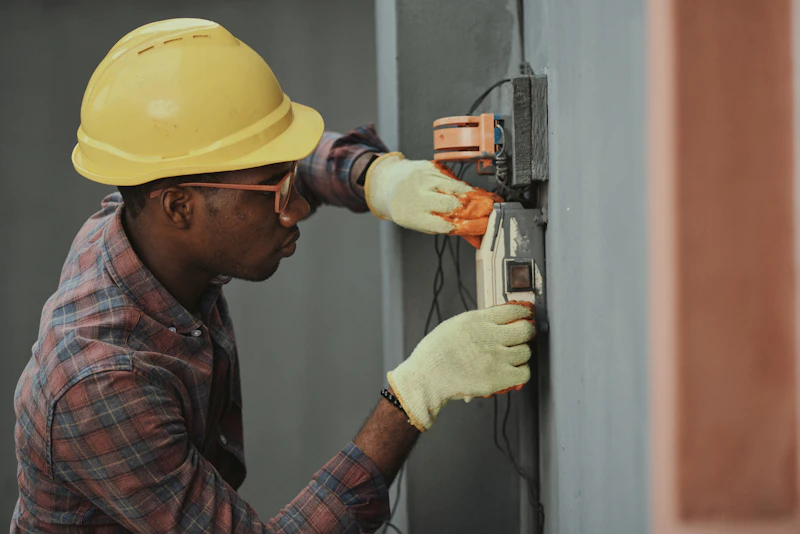
Based on Bureau of Labor Statistics wage data for the Orlando-Kissimmee-Sanford metropolitan area, electrical in Sanford costs between $80 and $4,620, with an average of $670.
Electrical Cost Breakdown — Sanford, FL
| Service/Item | Low Estimate | Average | High Estimate |
|---|---|---|---|
| Outlet Installation | $50 | $70 | $110 |
| Ceiling Fan Install | $170 | $240 | $360 |
| Panel Upgrade (200 amp) | $1,400 | $1,850 | $2,600 |
| EV Charger Install | $740 | $970 | $1,360 |
| Whole House Rewiring | $2,910 | $3,870 | $5,520 |
| Light Fixture Install | $70 | $90 | $150 |
Is It Time for Electrical? Warning Signs
Sanford’s subtropical climate doesn’t just affect your AC bill—it’s silently stressing your home’s electrical system year after year.
With humidity consistently above 80%, salt air creeping in from the Atlantic, and termites active in every season, wiring, panels, and connections degrade faster here than in most of the country. Add in the threat of Category 3-5 hurricanes, and it’s not just comfort at stake—it’s safety.
Unlike colder climates where electrical issues surface in winter, here in the Orlando-Kissimmee-Sanford metro, peak strain hits during summer afternoons when every home is running AC, pool pumps, and dehumidifiers.
That’s when aging circuits fail. But waiting for a breaker to trip—or worse, a flicker during a storm—means you’ve already missed the warning signs.
- Dimming or flickering lights when large appliances kick on, especially pool pumps or AC units common in CBS (concrete block) homes
- Breakers tripping during or after heavy rain, a red flag for moisture infiltration in outdoor-rated boxes or corroded connections
- Warm or discolored outlets, particularly in older stilt homes near Lake Monroe where airflow is limited and heat builds up
- Visible corrosion on service panels or meter bases, accelerated by salt air even 15 miles inland
- Unexplained increases in energy usage, often tied to failing grounding systems or degraded wiring insulation from termite activity
- Local labor rates — Sanford electricians earn an average of $29.02 per hour, about 2% below the national average, due to lower regional cost of living and limited union presence in Florida’s electrical trade. However, high demand during hurricane season and frequent remodeling in aging Central Florida homes keeps skilled labor consistently busy, limiting significant discounts.
- Seasonal demand — Electrical work peaks from May through October, coinciding with hurricane prep, storm damage repairs, and AC system upgrades in the region’s oppressive 80%+ humidity. Contractors may charge 10–20% more during this high-demand window, especially for surge protection, generator hookups, and panel upgrades ahead of storm season.
- Project scope — A simple outlet replacement differs drastically in cost from a full electrical panel upgrade or rewiring an older stucco home. The gap between low and high estimates often reflects hidden issues like corroded wiring, knob-and-tube systems in pre-1970s homes, or the need to run new circuits through concrete block (CBS) walls, which are common in Sanford.
- Permits & inspections — Florida’s Department of Business and Professional Regulation (DBPR) requires licensed electricians for most electrical work, and permits are mandatory for upgrades, especially within one mile of the coast where hurricane-rated materials are enforced. Permit fees typically range from $50 to $300 depending on project size and municipality, with Seminole County inspections ensuring code compliance for wind resistance and moisture protection.
- Materials quality — Choosing between builder-grade and premium electrical components can result in a 30–50% price difference. In coastal-influenced Sanford, homeowners benefit from corrosion-resistant materials like aluminum-jacketed cables, GFCI outlets in all exterior and damp areas, and salt-air-rated breaker panels to combat humidity and storm exposure.
- Property characteristics — Older CBS homes, stilt-style constructions near Lake Monroe, and homes with flat or low-pitched roofs common in Sanford affect labor access and time. Electricians may charge more for homes with limited attic access, raised foundations, or deteriorated stucco that conceals wiring, increasing diagnostic and repair complexity.
- Emergency vs scheduled — After-hours, weekend, or storm-related electrical calls—common during hurricane season—can cost 1.5 to 2 times the standard rate. Power outages, tripped breakers from flooded outlets, or lightning damage often require urgent response, especially with Florida’s frequent summer thunderstorms and tropical systems.
Emergency electrical rates in Sanford typically apply after 6 PM, weekends, and during hurricane season (June 1–November 30) when storm-related outages spike demand.
These calls can cost 1.5 to 2 times standard rates. Avoid them by scheduling inspections before hurricane season and upgrading critical components—like transfer switches or whole-house surge protectors—during spring or early fall.
What Drives Price Differences Between Contractors
Electrical pricing in Sanford isn’t just about labor and materials—it’s shaped by the environment your home fights every day.
The Bureau of Labor Statistics reports an average electrician wage of $29.02/hr in this region, but what contractors charge goes beyond hourly rates. Most apply a 25–40% markup to cover insurance, compliance with Florida’s strict wind-resistant electrical codes, and specialized equipment for working on stucco-covered CBS walls or flat-roof attic chases. Homeowners may also want to compare Electrical in Miami.
Sanford’s market runs about 2% below the national average for electrical work, but that doesn’t mean low pressure. Contractors here must account for constant environmental wear: corrosion-resistant conduit, GFCI-protected circuits in screened-in lanais, and elevated service panels in flood-prone stilt homes near the St. For a nearby comparison, check Electrical in Pompano Beach.
Johns River. These aren’t upgrades—they’re standard, and they’re priced in. Homeowners may also want to compare roofing costs in Sanford.
Contractor pricing varies widely based on how they handle these conditions.
Some cut corners using non-marine-grade materials near water, while others invest in stainless steel connectors and UV-rated wiring for longevity. The difference shows up in bids: one contractor may quote lower by reusing old junction boxes in a humid attic; another includes full replacement to prevent mold-related shorts.
Homes with flat or low-slope roofs—common in Central Florida tract developments—require extra labor for attic access and ventilation-safe installations.
Pool equipment, especially on screened enclosures, demands dedicated circuits with waterproof enclosures, adding complexity. And because termites eat wood but also chew through non-metallic sheathing, many reputable contractors here use metal-clad (MC) cable in vulnerable areas, even when not required.
Bottom line: the lowest bid may skip these region-specific protections. The right contractor factors in Sanford’s climate, soil, and housing stock—not just the job, but how long it needs to last.
Financing Options for Electrical in FL
Major electrical work—panel upgrades, service replacements, or hurricane-hardening—can strain even prepared budgets. In Sanford, most licensed contractors offer flexible payment options because they know these projects are essential, not optional.
Many provide in-house payment plans with no interest for 6–12 months, especially for jobs tied to insurance claims after storm damage. Some partner with lenders offering 0% APR for 18–24 months on qualifying projects, such as installing whole-house generators or surge protection ahead of hurricane season.
Home equity loans or HELOCs are strong options here, where property values in Seminole County have remained stable. These typically carry lower interest rates than credit cards and let you fund larger upgrades—like rewiring a 1970s CBS home with outdated aluminum wiring—without draining savings.
Personal loans from credit unions or online lenders are viable for smaller jobs, but watch the terms. In a market where $29.02/hr is the baseline labor rate, fees and interest can add 15–20% to total cost if not managed.
Financing makes sense when the upgrade increases safety or insurability. For example, replacing a Zinsco or Federal Pacific panel isn’t just code compliance—it can lower homeowners insurance premiums.
Same with adding a transfer switch for a generator: insurers in hurricane-prone areas often reward preparedness. If the improvement protects your home or reduces long-term risk, financing spreads the cost without sacrificing quality. Related: plumbing costs in Sanford.
Paying cash still wins for smaller repairs or maintenance, where financing fees outweigh benefits. But for system-wide work, especially in older homes near the coast, financing preserves liquidity for other storm prep. See how costs compare: Electrical in Fort Lauderdale.
How to Avoid Overpaying in Sanford
Smart homeowners in Sanford don’t chase the lowest price—they target the best value. That means understanding what drives cost and using local conditions to your advantage.
Negotiation works best when you speak the language of the trade.
Mentioning specific needs—like corrosion-resistant fittings for a home near Lake Monroe or termite-resistant cabling in a slab-on-grade stucco house—shows you’ve done your homework. Contractors are more willing to adjust pricing when they know you understand the real requirements, not just the quote.
Ask for a line-item breakdown. If labor is marked up above 35% on a $29.02/hr base, question it. If materials don’t specify UV-rated or moisture-resistant types, push for clarity. Many overpayments come from vague scopes that let contractors substitute cheaper, less durable parts.
Time your project strategically. Late fall, just after hurricane season, offers the best availability and potential discounts as contractors balance their books. January and February are slower months—some offer 5–10% off for scheduling during this window.
Bundling delivers real savings. Combine electrical upgrades with roofing, AC replacement, or pool rescreening. Contractors already on-site save on mobilization, and many offer 10–15% off bundled trades. For example, running new circuits during a roof repair avoids attic re-entry fees later.
Finally, get three bids—but compare them like a pro. A bid that skips surge protection or grounding upgrades may look cheaper today but cost more in repairs after the next lightning strike. In Sanford, durability isn’t a luxury. It’s the baseline.
What Affects Electrical Costs in Sanford?
What Affects Electrical Costs in Sanford?
Homeowners in Sanford, FL—and across the Orlando-Kissimmee-Sanford metro—face unique factors that influence electrical repair and upgrade costs.
From hurricane resilience requirements to year-round humidity and termite activity, local conditions shape both labor and material expenses. Below are the key factors affecting electrical project pricing in Seminole County and surrounding areas.
Popular Electrical Brands in Sanford
Frequently Asked Questions
How much does electrical cost in Sanford, FL?
The average cost for electrical work in Sanford, FL is $670, with prices typically ranging from $80 to $4,620 depending on the scope of the project. Labor rates average $29.02 per hour, according to the U.S. Bureau of Labor Statistics (BLS), which tracks the Orlando-Kissimmee-Sanford metro area. This includes common jobs like outlet installations, panel upgrades, and wiring repairs. Costs can vary based on licensing, materials, and job complexity.
Why is electrical less expensive in Sanford than the national average?
Electrical work in Sanford tends to be less expensive than the national average due to lower labor costs and overhead for contractors in the Orlando-Kissimmee-Sanford metro area. The BLS reports an hourly mean wage of $29.02 for electricians here, which is below the national average for many higher-cost metro areas. Additionally, competition among licensed contractors and moderate permitting fees help keep overall project costs lower. Regional building code consistency also reduces compliance expenses for electricians.
How can I save money on electrical in Sanford?
You can save money on electrical work in Sanford by getting multiple quotes from licensed contractors and scheduling projects during off-peak seasons. Bundling multiple electrical upgrades—like adding outlets and installing ceiling fans—can reduce labor costs since the electrician is already onsite. Always verify that contractors use BLS-aligned hourly rates around $29.02 to avoid overpaying. Avoid DIY for major work, as improper installations may lead to costly repairs or failed inspections.
Do I need a permit for electrical in FL?
Yes, most electrical work in Florida requires a permit, including new installations, panel upgrades, and major rewiring. The Florida Building Code mandates permits to ensure safety and compliance, and local jurisdictions in Seminole County, including Sanford, enforce this strictly. Permits are typically pulled by licensed contractors, who also schedule required inspections. Minor repairs like replacing switches or outlets may not need permits, but it's best to confirm with the local building department.
How long does electrical take in Sanford?
The duration of electrical work in Sanford depends on the project: simple repairs or outlet installations usually take a few hours, while full home rewiring or panel upgrades can take 2–5 days. Permits and inspections may add 1–3 business days to the timeline, depending on local Seminole County processing speed. Larger projects with custom features, such as outdoor lighting or smart home systems, may extend the timeframe. Contractors in the Orlando-Kissimmee-Sanford metro area typically follow BLS-reported labor standards for efficiency.
What warranty should I expect from a electrical contractor?
Most reputable electrical contractors in Sanford offer a warranty of 1–2 years on labor, while manufacturer warranties typically cover fixtures and panels for longer periods. Some contractors may provide extended warranties for premium service agreements or complex installations. Always get the warranty terms in writing and confirm they align with Florida state licensing board guidelines. Warranties usually exclude damage from external factors like storms or homeowner modifications.
What's the best time of year for electrical in Sanford?
The best time for electrical work in Sanford is during the late fall to early spring months—November through March—when contractors have more availability and scheduling is easier. This off-peak period avoids the summer surge in demand tied to hurricane prep and AC-related electrical upgrades. Cooler weather also makes working conditions safer and more efficient for outdoor projects. With BLS-reported hourly rates stable at $29.02, timing your project in this window can maximize value and minimize delays.
