How Much Does Electrical Cost in The Woodlands, TX?
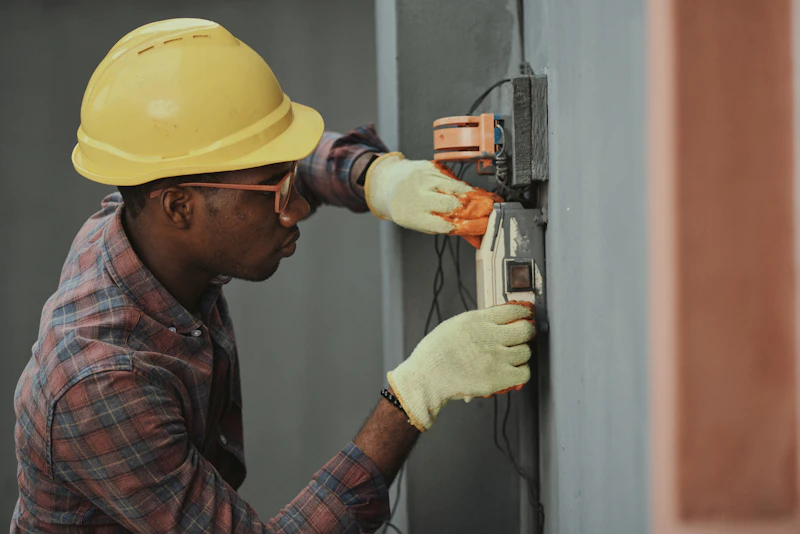
Based on Bureau of Labor Statistics wage data for the Houston-The Woodlands-Sugar Land metropolitan area, electrical in The Woodlands costs between $80 and $4,600, with an average of $670.
Electrical Cost Breakdown — The Woodlands, TX
| Service/Item | Low Estimate | Average | High Estimate |
|---|---|---|---|
| Outlet Installation | $50 | $70 | $110 |
| Ceiling Fan Install | $170 | $240 | $360 |
| Panel Upgrade (200 amp) | $1,400 | $1,840 | $2,590 |
| EV Charger Install | $740 | $970 | $1,360 |
| Whole House Rewiring | $2,900 | $3,860 | $5,500 |
| Light Fixture Install | $70 | $90 | $150 |
Is It Time for Electrical? Warning Signs
The Woodlands’ blend of modern master-planned communities and aging in-town bungalows means electrical systems face unique stressors.
High humidity, prolonged summer heat, and storm threats don’t just wear down wiring—they expose outdated or improperly installed systems. If your home flickers during a thunderstorm or your AC trips breakers regularly, it’s not just inconvenient—it’s a signal.
- Summer peak load strain: Between June and September, when temperatures hover between 95°F and 105°F, electrical demand spikes. Homes with undersized panels or aging service lines often struggle, leading to frequent tripping or hot outlets.
- Post-storm system checks: After severe storms or hail events—common in northern Montgomery County—inspect your meter base, outdoor junctions, and grounding. Wind-driven debris and moisture can compromise connections.
- Pre-hurricane readiness: Even inland, The Woodlands feels coastal storm effects. If your home lacks a transfer switch or generator interlock, upgrade before hurricane season (June–November) to avoid emergency pricing.
- Older homes with knob-and-tube or aluminum wiring: Found in bungalows near Panther Creek or Grogan’s Mill, these systems can’t handle modern loads. Flickering lights or discolored outlets are red flags.
- Renovations or EV charger plans: Adding a pool, garage, or Tesla charger? Don’t assume your 100-amp panel suffices. Load calculations should precede any major addition.
- Local labor rates — Electricians in The Woodlands earn a median wage of $28.72/hour, about 3% below the national average due to lower union presence and relatively moderate cost of living compared to major urban centers. However, high demand during summer peak seasons and storm recovery periods can tighten labor supply, pushing effective rates higher.
- Seasonal demand — Electrical work peaks from May through September when extreme heat (95–105°F) strains aging systems and drives AC-related repairs or panel upgrades. Contractors may charge 10–20% more during this high-demand window, especially following severe storms or power outages common in the Gulf Coast climate.
- Project scope — A simple outlet replacement differs drastically in cost from a full-service panel upgrade or whole-home rewiring. The gap between low and high estimates often reflects hidden issues like outdated knob-and-tube wiring, difficult access behind brick veneer walls, or the need to bring older homes up to current NEC and local code standards.
- Permits & inspections — Texas does not license contractors at the state level, but cities like The Woodlands, Houston, and Conroe require electrical permits for most major work. Permit fees typically range from $50 to $300 depending on project size, and skipping them risks failed inspections or complications when selling your home.
- Materials quality — Choosing premium electrical components—such as tamper-resistant (TR) outlets, arc-fault breakers (AFCI), or commercial-grade panels from brands like Square D or Siemens—can cost 30–50% more than builder-grade equivalents. These upgrades enhance safety and durability, especially important in a humid, storm-prone region.
- Property characteristics — Most homes in The Woodlands are slab-on-grade with brick exteriors and limited attic or crawlspace access, making electrical retrofits more labor-intensive. Older properties in established neighborhoods like Panther Creek may have outdated systems, while newer subdivisions often allow easier upgrades due to modern framing and accessible chases.
- Emergency vs scheduled — After-hours, weekend, or storm-response electrical services—common during hurricane season or sudden outages—can cost 1.5 to 2 times the standard rate. Scheduling non-urgent work during mild seasons (spring or fall) avoids these premiums and ensures faster contractor availability.
Emergency electrical rates in The Woodlands can double standard pricing, especially during storm recovery. Utility outages after straight-line winds or microbursts often trigger after-hours calls.
Avoid premium charges by scheduling inspections proactively—ideally in spring or fall—and keeping a licensed contractor on file for urgent needs. Most reputable electricians offer 24/7 response without inflating rates for storm-related calls if you’re an established client.
What Drives Price Differences Between Contractors
Electrical pricing in The Woodlands reflects a mix of labor costs, material standards, and local construction practices. The U.S.
Bureau of Labor Statistics reports an average electrician wage of $28.72/hr, but in this market, effective field rates are higher once overhead, licensing, and insurance are factored in. Contractors typically apply a 30–50% markup to labor and materials to cover these costs, project management, and compliance with Texas Real Estate Commission (TREC) and NFPA 70 standards.
Despite higher operational costs, The Woodlands averages about 3% below national pricing for electrical work. Homeowners may also want to compare Electrical in Dallas.
This is due in part to competitive density—numerous licensed contractors operate in the area, especially around The Woodlands Township and Creekside Park—keeping margins lean. However, newer subdivisions like Carlton Woods or Imperial Oaks often require more complex installations due to larger homes, smart home integrations, and underground service, which can offset savings. For a nearby comparison, check Electrical in Arlington.
Local housing construction adds another layer. Slab-on-grade foundations mean conduit runs are often overhead or surface-mounted, reducing excavation costs but increasing material use. Homeowners may also want to compare roofing costs in The Woodlands.
Brick veneer walls make retrofitting circuits more labor-intensive—cutting and resealing masonry adds time. Homes built after 2010 typically meet updated NEC codes, but older bungalows in Panther Creek or Indian Springs may need full reworks to support today’s power demands.
Weather resilience also impacts cost.
Contractors here use UV-resistant conduit, sealed outdoor enclosures, and elevated meter bases to mitigate flood and heat risks. These aren’t extras—they’re standard in The Woodlands, where humidity accelerates corrosion and summer heat degrades subpar materials quickly.
Financing Options for Electrical in TX
Major electrical upgrades—panel replacements, whole-house rewiring, or generator installs—can strain budgets, but financing can make them manageable.
Most established electrical contractors in The Woodlands offer in-house payment plans, typically 6–12 months same-as-cash or low-interest installment options. These are often backed by third-party lenders like GreenSky or Synchrony and require no upfront cost.
Home equity loans or HELOCs are strong options for homeowners with 15%+ equity, especially with rising property values in areas like Village of Creekside or Carlton Woods.
These offer lower interest rates than personal loans and may be tax-deductible. Personal loans from credit unions such as Woodforest National Bank or NASA Federal are viable for smaller projects, though rates vary by credit tier.
Zero-percent financing is occasionally available through manufacturer promotions—especially for standby generators (e.g., Generac or Kohler) during hurricane prep season. These promotions typically require repayment within 12–24 months and are worth leveraging if you can commit to the timeline.
Financing makes sense when deferring work poses safety risks—like aluminum wiring or overloaded circuits—or when upgrading for resale.
In The Woodlands’ competitive market, a modern electrical system with surge protection and smart panels can boost appraisal value. Paying cash is ideal for smaller repairs, but for projects over $3,000, spreading payments without interest preserves liquidity for other home improvements. Related: plumbing costs in The Woodlands.
How to Avoid Overpaying in The Woodlands
Overpaying for electrical work often stems from urgency, lack of comparison, or vague scopes. See how costs compare: Electrical in Fort Worth.
The key is preparation. Start by getting at least three itemized bids—reputable contractors in The Woodlands, like those licensed through the Texas Department of Licensing and Regulation (TDLR), will break down labor, materials, and permit fees.
Negotiation works best when you understand the scope.
Ask for alternatives—like using EMT conduit instead of PVC where code allows, or grouping circuits to reduce panel spaces. Some contractors reduce labor charges by 5–10% if you obtain the electrical permit yourself through Montgomery County’s online portal, though most handle this for compliance reasons.
Timing matters. Schedule non-urgent work in late fall or winter—November to February—when demand drops. Contractors are less booked, and some offer 5–15% seasonal discounts to maintain workflow. Avoid summer months when AC-related electrical calls peak.
Bundling delivers real savings. If you’re replacing a roof after hail damage, coordinate electrical upgrades—like removing old antenna mounts or relocating solar panels—during the same site access.
Roofing crews in The Woodlands often work with preferred electricians, and shared lift equipment cuts labor time. Similarly, pairing a kitchen remodel with circuit upgrades lets one crew handle wall access, reducing drywall repair costs.
In a market where reliability meets storm readiness, smart electrical planning isn’t just about cost—it’s about resilience. In The Woodlands, that means working with contractors who know slab foundations, brick walls, and summer load stress—and pricing their work accordingly.
What Affects Electrical Costs in The Woodlands?
What Affects Electrical Costs in The Woodlands?
Homeowners in The Woodlands, TX—part of the Houston-The Woodlands-Sugar Land metro—face unique factors that influence electrical repair and upgrade costs. From climate-driven demand spikes to local permitting rules, here’s what shapes your final bill:
Popular Electrical Brands in The Woodlands
Frequently Asked Questions
How much does electrical cost in The Woodlands, TX?
Electrical work in The Woodlands, TX averages $670, with costs typically ranging from $80 to $4,600 depending on the project scope. Labor rates average $28.72 per hour, according to the U.S. Bureau of Labor Statistics (BLS), which aligns with regional wage data for electricians in the Houston-The Woodlands-Sugar Land metro. This average reflects common residential jobs such as outlet installations, light fixture upgrades, or minor repairs.
Why is electrical less expensive in The Woodlands than the national average?
Electrical services in The Woodlands are often less expensive than the national average due to lower labor costs and overhead compared to major metropolitan areas. The BLS reports an hourly mean wage of $28.72 for electricians in this region, which is below the national average for electrical labor. Additionally, competition among licensed contractors in the area helps keep service pricing competitive.
How can I save money on electrical in The Woodlands?
You can save money by scheduling electrical work during off-peak seasons, such as late winter, when contractors may offer discounts due to lower demand. Bundling multiple electrical projects—like adding outlets and upgrading lighting—can reduce labor costs by minimizing contractor trips. Always get multiple quotes from licensed electricians, as competitive pricing is common in The Woodlands due to the concentration of qualified professionals.
Do I need a permit for electrical in TX?
Yes, most electrical work in Texas requires a permit, especially for new installations, panel upgrades, or structural wiring changes. Permits ensure work complies with the Texas Electrical Safety and Licensing Act and local building codes. Your licensed electrician typically handles permit applications and inspections to verify code compliance.
How long does electrical take in The Woodlands?
Simple electrical jobs like replacing fixtures or adding outlets usually take a few hours to one day in The Woodlands. Larger projects such as panel upgrades or whole-home rewiring can take several days to a week, depending on complexity and permitting. Timelines may vary based on contractor availability and inspection scheduling through local authorities.
What warranty should I expect from a electrical contractor?
Most reputable electrical contractors in The Woodlands offer a warranty of 1 to 2 years on labor, covering defects or issues arising from installation. Materials are typically covered by manufacturer warranties, but some contractors may extend coverage for premium parts. Always request warranty terms in writing before work begins to ensure clarity and protection.
What's the best time of year for electrical in The Woodlands?
The best time for electrical work in The Woodlands is late winter or early spring, particularly February to March, when demand for contractors is lower. Scheduling during this period may result in faster appointments and potential cost savings due to reduced workload. Avoid peak summer months when HVAC and electrical projects coincide, increasing wait times and labor demand.
