How Much Does Flooring Installation Cost in Phoenix, AZ?
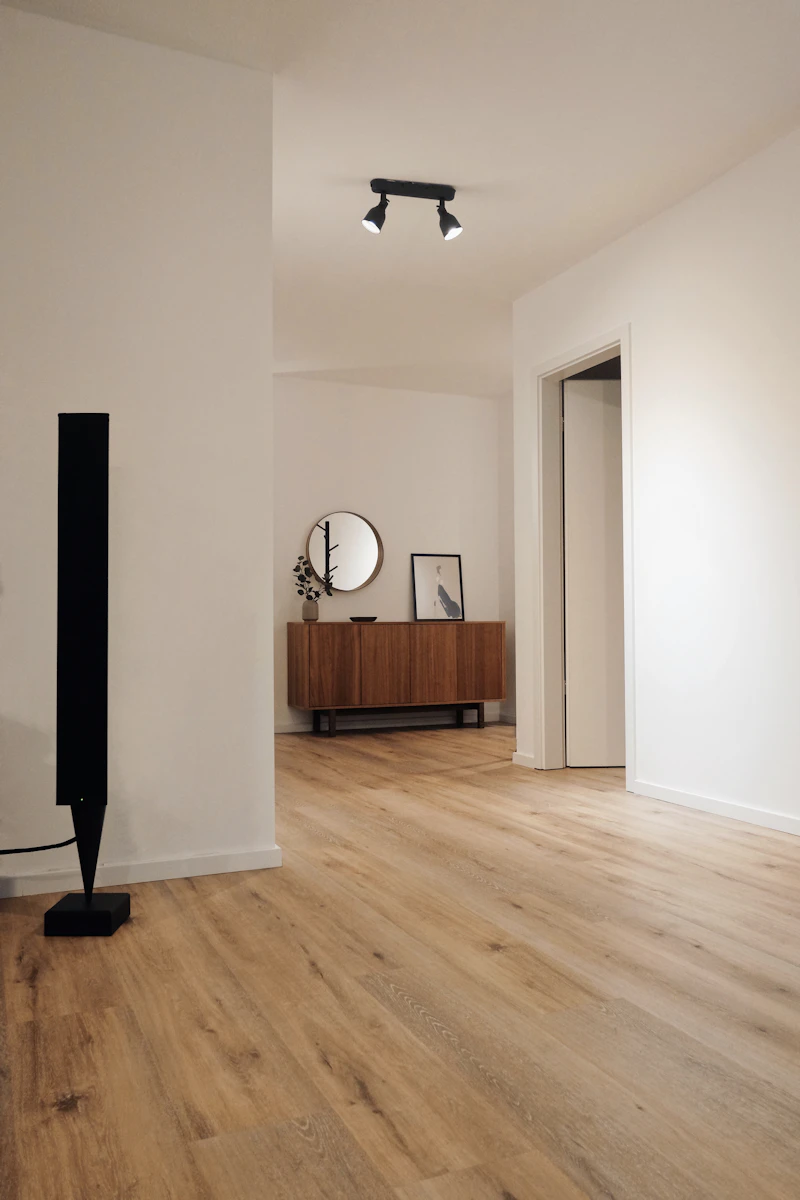
Based on Bureau of Labor Statistics wage data for the Phoenix-Mesa-Chandler metropolitan area, flooring installation in Phoenix costs between $550 and $7,350, with an average of $2,130.
Flooring Installation Cost Breakdown — Phoenix, AZ
| Service/Item | Low Estimate | Average | High Estimate |
|---|---|---|---|
| LVP Install (per 200 sq ft) | $630 | $850 | $1,250 |
| Hardwood Install (per 200 sq ft) | $1,500 | $1,980 | $2,790 |
| Tile Install (per 200 sq ft) | $1,260 | $1,710 | $2,500 |
| Carpet Install (per 200 sq ft) | $510 | $690 | $1,000 |
| Subfloor Repair | $390 | $550 | $860 |
| Hardwood Refinishing (per 200 sq ft) | $340 | $520 | $850 |
Complete Guide to Flooring Installation in Phoenix
In Phoenix, where summer temperatures regularly climb to 115°F and the sun blazes with a UV index that often exceeds 12, flooring decisions are more than a style choice—they’re a durability test. Homeowners must balance aesthetic goals with the reality that intense heat expands wood, warps laminate, and accelerates wear on carpet backing.
Add the monsoon season from July through September, and you have a climate that can introduce moisture spikes, water‑driven swelling, and temporary site access issues. Understanding how these factors intersect with local construction practices is the first step toward a realistic budget and a successful installation.
The typical Phoenix‑area home features stucco‑clad walls over wood or steel framing, slab‑on‑grade foundations, and tile roofs that reflect heat.
Newer planned communities often include raised concrete pads and engineered subfloors designed for desert conditions, while commercial properties may have flat roofs that retain heat longer. These building envelopes influence how subfloor preparation, moisture barriers, and expansion gaps are handled, directly affecting labor time and material selection.
When you compare Phoenix estimates to the national average, you’ll notice a modest discount—about 4 % lower than the U.S. baseline.
The reduction stems from a competitive contractor market and the prevalence of slab‑on‑grade construction, which eliminates the need for joist framing in many single‑family homes. However, the discount does not eliminate the need for climate‑specific precautions; it simply means the base price starts a little lower.
Material and Labor Cost Breakdown
Across the Phoenix metro, the average flooring project splits roughly 55 % labor and 45 % materials. Labor accounts for the bulk of the cost because installers must accommodate thermal expansion, lay moisture‑resistant underlayment, and often perform site‑specific subfloor leveling on concrete slabs that have cracked from heat cycles.
The Bureau of Labor Statistics reports a median wage of $22.57/hr for flooring installers.
Contractors typically apply a markup of 1.5 × to cover overhead, insurance, and profit, resulting in a billed rate near $34 /hr. This figure can rise in peak summer months when crews are in high demand and the risk of heat‑related delays is greatest.
The wide range between a low‑end estimate of $550 and a high‑end estimate of $7,350 reflects three primary drivers:
- Material grade and specialty finishes. Luxury vinyl planks with a reinforced wear layer cost significantly more than basic ceramic tile, and exotic hardwoods require acclimation periods that add labor hours.
- Subfloor condition. A pristine, level concrete slab may need only a thin moisture barrier, while a cracked or uneven slab demands grinding, patching, and possibly a self‑leveling compound, each adding both material and labor costs.
- Project scope. A single‑room remodel with minimal demolition stays at the lower end, whereas a whole‑house replacement that includes removal of existing carpet, disposal fees, and transition molding pushes the estimate upward.
Timeline and Scheduling Considerations
Phoenix’s climate creates distinct windows for optimal flooring work.
The most favorable months are October through March, when daytime highs hover between 65°F and 80°F and UV exposure is reduced. Installing during this period minimizes the risk of adhesive failure, prevents premature curing of thinset, and allows wood products to settle without excessive expansion.
Conversely, the summer heat (June–August) can force crews to pause mid‑day, extend project timelines, and increase labor rates due to overtime or “heat‑hazard” premiums. Monsoon storms introduce sudden moisture, which can compromise adhesive set times and require additional drying periods.
- Schedule adhesive‑based installations (tile, engineered hardwood) for early morning or late afternoon to keep temperatures below 90°F.
- Allow a 48‑hour buffer after a heavy rain event before laying moisture‑sensitive products.
- Use UV‑stable adhesives and sealants that are rated for temperatures above 120°F when work must occur in summer.
- Plan for a minimum of three days of site access when monsoon forecasts predict 50 % or greater chance of rain.
- The exact scope of work, including square footage, product SKUs, and any demolition required.
- A detailed schedule that outlines start date, major milestones, and a contingency plan for weather‑related delays.
- The total cost broken down by labor, materials, and any applicable taxes or permits.
- All warranty terms, specifying who is responsible for warranty claims (manufacturer vs. installer) and the process for filing them.
- Payment schedule, including any deposits, progress payments, and the final balance, along with penalties for late payment or early termination.
- Local labor rates — Phoenix’s average labor cost sits about 4 % below the national average, reflecting a relatively low cost‑of‑living and a competitive pool of skilled installers. Union presence is modest, but the high demand for construction work during growth spurts can push hourly wages toward the BLS benchmark of $22.57.
- Seasonal demand — The desert climate creates a clear peak season from October through April when cooler temperatures make installation easier and homeowners are more likely to start projects. Contractors often add a 10‑20 % premium during these months, while the summer lull (June‑August) can yield modest discounts as crews seek work during the heat.
- Project scope — A simple repair of a few damaged planks costs far less than a full‑home replacement that includes subfloor preparation, removal of existing material, and finishing work. The gap widens when you add steps such as leveling, moisture barriers, or custom transitions, each of which adds labor hours and material handling.
- Permits & inspections — In Arizona, any flooring work that involves structural changes or fire‑rated assemblies requires a contractor to hold a valid ROC (Registrar of Contractors) license. City or county building departments typically charge $50‑$300 for permits and may schedule an inspection to verify code compliance.
- Materials quality — Premium options like engineered hardwood, high‑end luxury vinyl tile (LVT), or ceramic tile with large format slabs can be 30‑50 % more expensive than builder‑grade laminate or basic carpet. Selecting moisture‑resistant core layers, UV‑stabilized finishes, or radiant‑heat‑compatible products also influences the material cost.
- Property characteristics — Most homes in the Phoenix metro are stucco‑clad, slab‑on‑grade constructions with tile roofs, which simplify subfloor access but may require additional preparation on older homes with uneven concrete. Multi‑story houses, limited stairwell clearance, or homes with tight crawl spaces typically increase labor time and equipment needs.
- Emergency vs. scheduled — When a floor fails after a monsoon storm or during a weekend gathering, contractors often charge 1.5‑2 × the standard rate for after‑hours service. Scheduling work during regular business hours on weekdays avoids these premiums and gives you more flexibility to coordinate with inspections.
Emergency rates typically apply when a homeowner requests same‑day service during a heat wave or after a storm has caused water damage.
These rates can add 25 %–40 % to the labor portion of the bill. To avoid them, book installations at least two weeks in advance and confirm a weather window with your contractor.
Protecting Yourself: Warranties and Guarantees
Reputable Phoenix flooring contractors provide two layers of protection: a materials warranty from the manufacturer and a labor warranty from the installer. Materials warranties usually cover manufacturing defects for 10–25 years, depending on the product, while labor warranties range from one to five years and address issues such as improper installation, gaps, or premature wear caused by installer error.
Arizona law requires contractors to carry both general liability insurance and workers’ compensation.
Verify that the contractor’s license number is active on the Arizona Registrar of Contractors website and ask to see a certificate of insurance that lists a minimum of $1 million in general liability coverage. Bonding is not mandatory for residential flooring, but a bonded contractor offers an extra layer of financial protection if the job is abandoned.
Before any work begins, put the following items in writing:
Having these elements documented reduces the likelihood of surprise charges and provides a clear path for recourse if the finished floor does not meet the agreed‑upon standards. With the right preparation, Phoenix homeowners can navigate the desert’s challenges and enjoy a beautiful, long‑lasting floor that stands up to heat, sun, and occasional monsoon moisture.
What Affects Flooring Installation Costs in Phoenix?
What Affects Flooring Installation Costs in Phoenix?
Homeowners in the Phoenix‑Mesa‑Chandler metro area face a unique mix of economic, climatic, and regulatory factors that shape the price of a new floor. Understanding each driver helps you budget realistically and choose the right timing, materials, and contractors for your project.
Popular Flooring Installation Brands in Phoenix
Frequently Asked Questions
How much does flooring installation cost in Phoenix, AZ?
The average cost of flooring installation in Phoenix, AZ is $2,130, with prices typically ranging from $550 to $7,350 depending on materials, labor, and project size. Labor rates average $22.57 per hour according to the U.S. Bureau of Labor Statistics (BLS), which contributes to the overall affordability in the Phoenix-Mesa-Chandler metro area. Costs can vary significantly based on flooring type—such as tile, hardwood, or carpet—and whether demolition or subfloor repairs are needed.
Why is flooring installation less expensive in Phoenix than the national average?
Flooring installation in Phoenix is often less expensive than the national average due to lower labor costs, with BLS reporting an hourly rate of $22.57 for installers in the area—below the national mean. The region's competitive contractor market and high volume of installation work help keep prices in check. Additionally, readily available local materials and dry climate conditions reduce overhead and material waste, contributing to lower overall project costs.
How can I save money on flooring installation in Phoenix?
You can save money on flooring installation by scheduling during off-peak seasons, such as summer months when demand drops due to extreme heat. Bundling flooring projects with other home renovations may also qualify you for contractor discounts. Choosing locally available materials reduces shipping costs, and obtaining multiple quotes ensures competitive labor pricing around the BLS-reported $22.57/hr average. Doing prep work yourself, like removing furniture or old flooring, can further reduce labor time and expenses.
Do I need a permit for flooring installation in AZ?
In most cases, flooring installation in Arizona does not require a permit if it does not involve structural changes or electrical work. However, permits may be necessary if the project includes subfloor modifications, moisture barriers in bathrooms, or work in multi-family dwellings governed by local codes. Always check with your city or county building department in Phoenix, Mesa, or Chandler to confirm requirements. Licensed contractors can typically advise on permit needs and handle filings if required.
How long does flooring installation take in Phoenix?
Most residential flooring installations in Phoenix take between 1 to 3 days, depending on the size of the area and type of flooring. Simple laminate or vinyl plank installations in a single room can be completed in a day, while larger homes with tile or hardwood may take up to three days. The dry climate in the Phoenix-Mesa-Chandler metro area allows for faster drying times for adhesives and grout, speeding up the process compared to more humid regions. Delays may occur if demolition, subfloor repairs, or custom cuts are needed.
What warranty should I expect from a flooring installation contractor?
A reputable flooring contractor in Phoenix should offer a labor warranty of at least 1 to 2 years covering workmanship issues like uneven installation or seam failures. Some contractors may extend warranties for premium services or when paired with manufacturer warranties on materials. Always get the warranty in writing and verify what it includes—many exclude damage from water, heavy furniture, or improper maintenance. The BLS reports installer wages at $22.57/hr, which often reflects skilled labor backed by professional standards and service guarantees.
What's the best time of year for flooring installation in Phoenix?
The best time for flooring installation in Phoenix is during the cooler months from October to April, when temperatures are mild and indoor work is more comfortable for crews. Scheduling during this period avoids summer heat extremes that can affect adhesive curing and material expansion, especially with tile or engineered wood. Contractors may also be more available during fall and winter, potentially offering better pricing due to lower demand. This timing aligns well with the region's dry climate, ensuring optimal conditions for a durable, long-lasting installation.
