How Much Does Flooring Installation Cost in Atlanta, GA?
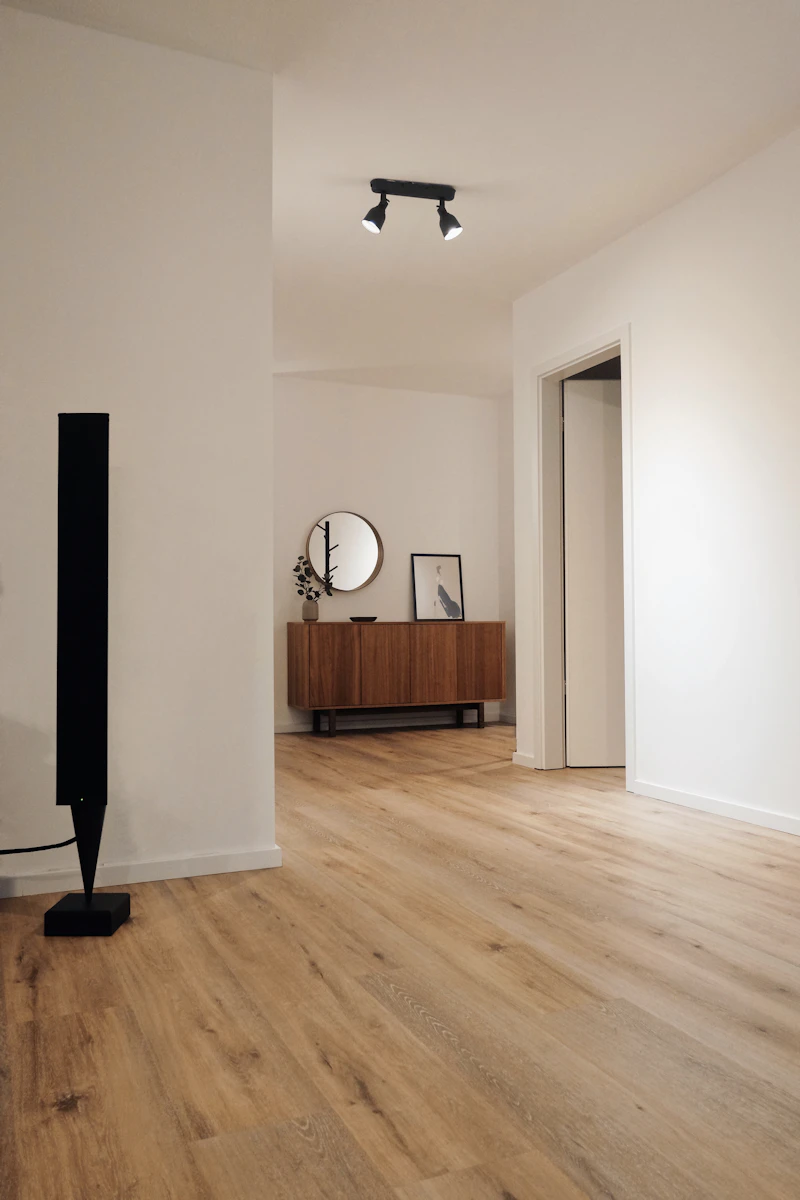
Based on Bureau of Labor Statistics wage data for the Atlanta-Sandy Springs-Alpharetta metropolitan area, flooring installation in Atlanta costs between $550 and $7,330, with an average of $2,130.
Flooring Installation Cost Breakdown — Atlanta, GA
| Service/Item | Low Estimate | Average | High Estimate |
|---|---|---|---|
| LVP Install (per 200 sq ft) | $630 | $850 | $1,250 |
| Hardwood Install (per 200 sq ft) | $1,500 | $1,980 | $2,780 |
| Tile Install (per 200 sq ft) | $1,250 | $1,700 | $2,490 |
| Carpet Install (per 200 sq ft) | $510 | $690 | $1,000 |
| Subfloor Repair | $390 | $550 | $860 |
| Hardwood Refinishing (per 200 sq ft) | $340 | $510 | $840 |
Atlanta’s red clay doesn’t just stain your sidewalks—it shifts beneath homes, warps subfloors, and quietly drives up flooring costs if you don’t plan right. From Buckhead to Duluth, flooring installation isn’t just about picking a material; it’s about understanding how Georgia’s climate, housing stock, and labor market shape every nail, plank, and tile.
Why Flooring Installation Costs Vary in Atlanta
Atlanta’s flooring costs sit about 5% below the national average, but don’t mistake that for simplicity.
The Bureau of Labor Statistics reports a local labor rate of $22.33/hr for flooring installers—lower than coastal metros, but contractors typically apply a 20–35% markup to cover insurance, equipment, and project management. That markup reflects real risks: afternoon thunderstorms delay deliveries, red clay causes slab-on-grade homes to settle unevenly, and subfloor prep often takes longer than expected.
Most homes in the metro—especially post-2000 builds in Alpharetta and Johns Creek—are brick ranches on concrete slabs. That means no basement access, so moisture testing and vapor barriers are non-negotiable. Homeowners may also want to compare hvac costs in Atlanta.
Older homes in Inman Park or East Atlanta often have crawl spaces, which require encapsulation and termite inspections before any flooring goes down. Termite damage is so common that many contractors include a structural assessment in their estimate.
Atlanta’s hot, humid summers (regularly 90–100°F from June to August) affect material acclimation. Engineered hardwood and LVP must sit in climate-controlled spaces for 72+ hours before installation, or you risk gapping and buckling.
Contractors factor in storage and scheduling delays, especially during peak thunderstorm season when job sites sit idle. These aren’t just labor hours—they’re risk mitigation steps baked into the quote.
Comparing Quotes: Budget vs. Mid-Range vs. Premium
| Feature | Budget | Mid-Range | Premium |
|---|---|---|---|
| Materials | Basic LVP, laminate, or builder-grade carpet; limited color/texture options | Branded LVP (e.g., Shaw, Mohawk), engineered hardwood (3–5mm wear layer), stain-resistant carpet | Wide-plank solid hardwood, luxury tile (6x24"+), custom inlays, sound-rated underlayment |
| Subfloor Prep | Minimal leveling; no moisture barrier unless required | Self-leveling compound, moisture testing, vapor barrier on slabs | Full subfloor replacement if needed, laser-leveling, termite treatment, encapsulation in crawl spaces |
| Warranty | 1-year labor; manufacturer-only material coverage | 3-year labor; transferable material warranties (10–25 years) | 5+ year labor; lifetime structural warranties on wood/tile; moisture intrusion coverage |
| Timeline | 3–5 days (often overlaps with other trades) | 5–7 days (includes acclimation, inspections) | 7–10+ days (custom cuts, design layouts, third-party moisture checks) |
| Labor Skill | General crew; may subcontract specialty work | Dedicated flooring team; certified installers for hardwood/tile | Master-level craftsmen; layout planning, diagonal/parquet patterns, threshold transitions |
| Permits & Inspections | None typically pulled | Required if structural changes or moisture barriers in crawl spaces | Full compliance with Atlanta Building Code; documentation for resale |
Seasonal Pricing Patterns in GA
Atlanta’s climate creates predictable swings in flooring availability and pricing.
Summer brings peak demand—homeowners finish kitchens and living areas before fall—but also the highest risk of delays. Winter, while milder, introduces its own challenges with humidity fluctuations and holiday scheduling.
- Schedule demo and subfloor work in late fall (October–November) to lock in rates before winter slowdowns; many contractors offer 5–10% discounts to stay busy.
- Avoid June through August for solid hardwood—high humidity prevents proper acclimation, and slab moisture readings often exceed 75% RH, requiring costly mitigation.
- Use spring (March–April) for tile and LVP: lower humidity, stable slab temps, and fewer thunderstorms mean faster, drier installs.
- Emergency rates (25–50% surcharge) apply after storm damage—especially from July thunderstorms that flood basements or crawl spaces. Prevent this with annual crawlspace inspections and sump pump checks.
- Contractors in Fulton and DeKalb counties often have 4–6 week lead times during back-to-school season (July–August); book at least 60 days in advance.
- Verify they carry general liability and workers’ comp insurance—request certificates before work starts. Uninsured crews leave you liable for injuries on slab jobs.
- Ask for references from recent projects in your area—especially homes with crawl spaces or red clay foundations. A job in Roswell’s hilly terrain tests different skills than a flat Marietta slab.
- Confirm they use a moisture meter on every slab. Readings above 75% RH require mitigation—don’t let them skip this step to save time.
- Check if they subcontract specialty work. Tile setting and hardwood sanding should be done by certified installers, not labor-only crews.
- Require a written scope that includes acclimation time, subfloor prep, and disposal fees. Vague estimates often lead to change orders.
- Ask how they handle termite damage. In older neighborhoods, damaged sill plates or subfloor joists must be repaired by a licensed carpenter—don’t let flooring crews patch over it.
- Get 3-5 quotes — Prices in Atlanta range from $550 to $7,330, so comparing multiple estimates can save you hundreds or thousands.
- Check licensing — Verify your contractor is properly licensed and insured in Georgia.
- Ask about warranties — Reputable flooring installation professionals in Atlanta should offer at least a 1-year labor warranty.
- Read recent reviews — Look for contractors with reviews from other Atlanta homeowners specifically.
- Schedule off-season — You may save 10-20% by scheduling during slower months when contractors compete harder for work.
- Avoid the lowest bid — Extremely low quotes in Atlanta often mean cut corners, unlicensed workers, or hidden upcharges later.
- Labor costs — Atlanta tradespeople earn $22.33/hr on average, directly impacting your project cost.
- Material availability — Supply chain proximity and local demand affect material pricing in the Atlanta-Sandy Springs-Alpharetta area.
- Permit requirements — Georgia and local Atlanta building codes may require permits that add to overall project cost.
- Competition — The number of qualified flooring installation contractors in Atlanta influences pricing through market competition.
- Property characteristics — Home age, size, accessibility, and existing conditions unique to Atlanta neighborhoods affect scope and cost.
- Local labor rates — Atlanta’s average hourly wage for flooring installers is $22.33, about 5% below the national average. This is due to a lower cost of living compared to coastal cities, limited union presence in residential construction, and steady competition among contractors in a high-demand metro area.
- Seasonal demand — Flooring projects peak in spring and fall when humidity drops and homes are more comfortable for renovations. During summer, afternoon thunderstorms and high humidity can delay subfloor prep, while winter holidays reduce contractor availability—leading to 10–20% higher pricing during peak months.
- Project scope — Costs vary significantly between repairing water-damaged sections in older Vinings bungalows and full tear-outs in Buckhead condos. Larger jobs requiring old flooring removal, moisture barrier installation, or subfloor repairs on slab-on-grade homes in Alpharetta drive estimates higher due to added labor and materials.
- Permits & inspections — While flooring itself rarely requires permits, related upgrades like electrical (for heated floors) or moisture barriers in basements may need approval. Atlanta, Sandy Springs, and Fulton County jurisdictions typically charge $50–$300 for permits, especially if work affects habitability or energy compliance.
- Materials quality — Builder-grade vinyl or laminate costs significantly less than premium waterproof LVP, wide-plank hardwood, or tile—differences of 30–50% are common. In humid Atlanta climates, homeowners often upgrade to mold-resistant engineered hardwood or tile in basements and bathrooms to combat moisture from red clay soil.
- Property characteristics — Older brick ranch homes in Morningside or slab-on-grade builds in Johns Creek may need leveling due to foundation shifts from expansive clay soil. Multi-story homes in Sandy Springs add labor for material transport, while tight access or crawlspaces increase installation time and cost.
- Emergency vs scheduled — Water damage from burst pipes or storm leaks—common during Atlanta’s heavy summer thunderstorms—often require immediate flooring removal to prevent mold. Emergency or weekend installations can cost 1.5 to 2 times more than scheduled work due to after-hours labor rates and urgent material delivery.
Hiring the Right Contractor in Atlanta
Georgia doesn’t require state licensing for general flooring contractors, but local rules matter.
Atlanta mandates permits for any flooring that affects moisture barriers, structural supports, or egress—especially in historic districts like Virginia-Highland. Cobb and Gwinnett counties are more lenient, but still enforce the Georgia Energy Code when underlayment impacts insulation R-values. See how costs compare: plumbing costs in Atlanta.
Red flags: quotes more than 20% below average, refusal to provide a written contract, or pressure to skip moisture testing. During estimates, ask, “What’s the most common flooring failure you see in Atlanta homes?” A good contractor will mention clay soil movement, improper vapor barriers, or HVAC humidity imbalances—not just “cheap materials.” Your floor isn’t just a surface. It’s a system built for Atlanta’s ground, air, and storms.
How to Hire a Flooring Installation Professional in Atlanta
Finding a qualified flooring installation contractor in Atlanta, GA requires some research. Local labor rates average $22.33/hr based on Bureau of Labor Statistics data for the Atlanta-Sandy Springs-Alpharetta area, which is -5% compared to the national average.
Tips for Getting the Best Price
What to Expect During the Process
A typical flooring installation project in Atlanta begins with an on-site estimate (most reputable contractors offer free estimates). The contractor should provide a detailed written quote including materials, labor at approximately $22.33/hr, timeline, and warranty terms. For the Atlanta-Sandy Springs-Alpharetta market, expect the project to take anywhere from a few hours for minor repairs to several weeks for major installations.
Why Flooring Installation Costs Vary in Atlanta
The average flooring installation cost of $2,130 in Atlanta reflects local market conditions. Key factors driving prices -5% compared to the national average include:
What Affects Flooring Installation Costs in Atlanta?
What Affects Flooring Installation Costs in Atlanta?
Homeowners in the Atlanta-Sandy Springs-Alpharetta metro area face unique cost factors when installing new flooring.
From red clay soil shifting slab foundations to high humidity encouraging mold and termite damage, local conditions directly impact labor, materials, and timing. Below are the key factors influencing flooring installation costs in this region.
Popular Flooring Installation Brands in Atlanta
Frequently Asked Questions
How much does flooring installation cost in Atlanta, GA?
The average cost of flooring installation in Atlanta, GA is $2,130, with prices typically ranging from $550 to $7,330 depending on the material, labor, and project size. Labor rates average $22.33 per hour according to the U.S. Bureau of Labor Statistics (BLS), contributing to competitive overall pricing. Costs can vary significantly based on flooring type—such as hardwood, tile, or luxury vinyl—and the complexity of the job.
Why is flooring installation less expensive in Atlanta than the national average?
Flooring installation in Atlanta tends to be more affordable than the national average due to lower labor costs, with BLS reporting hourly wages at $22.33 for installation workers. The region's competitive contractor market and access to regional supply chains help reduce overhead and material expenses. Additionally, Atlanta's moderate cost of living compared to other major metros supports lower service pricing.
How can I save money on flooring installation in Atlanta?
You can save money by scheduling flooring installation during off-peak seasons, such as late fall or winter, when contractors may offer discounts due to lower demand. Choosing locally available materials and getting multiple quotes from licensed contractors can also reduce costs. Doing prep work yourself, like removing furniture or old flooring, may lower labor time and expenses based on the $22.33/hr BLS average rate.
Do I need a permit for flooring installation in GA?
Generally, flooring installation in Georgia does not require a permit if it does not involve structural changes, electrical work, or plumbing modifications. Most residential flooring replacements, such as installing new hardwood, tile, or carpet, are considered cosmetic updates exempt from permitting. Always check with your local city or county building department to confirm requirements for your specific project.
How long does flooring installation take in Atlanta?
Most standard flooring installations in Atlanta take 1 to 3 days, depending on the size of the area and material type. Simple projects like laminate or vinyl in a single room may be completed in a day, while full-home hardwood or tile installations can take longer due to prep and drying times. Scheduling and material availability can also influence timelines, especially during peak demand periods.
What warranty should I expect from a flooring installation contractor?
Reputable flooring contractors in Atlanta typically offer a 1- to 5-year labor warranty covering workmanship issues like improper seams, buckling, or adhesive failure. The manufacturer usually provides a separate warranty for the flooring material, which can range from 10 years to a lifetime. Always request warranty details in writing and confirm what is covered, as terms vary by contractor and product.
What's the best time of year for flooring installation in Atlanta?
The best time for flooring installation in Atlanta is late fall to early winter, when lower humidity stabilizes wood and helps adhesives cure properly. Contractors may also offer better rates during this off-peak season due to reduced demand. Avoid summer months when high heat and moisture can affect installation quality and scheduling. This timing aligns with optimal indoor climate control for materials like hardwood and tile.
