How Much Does Flooring Installation Cost in Philadelphia, PA?
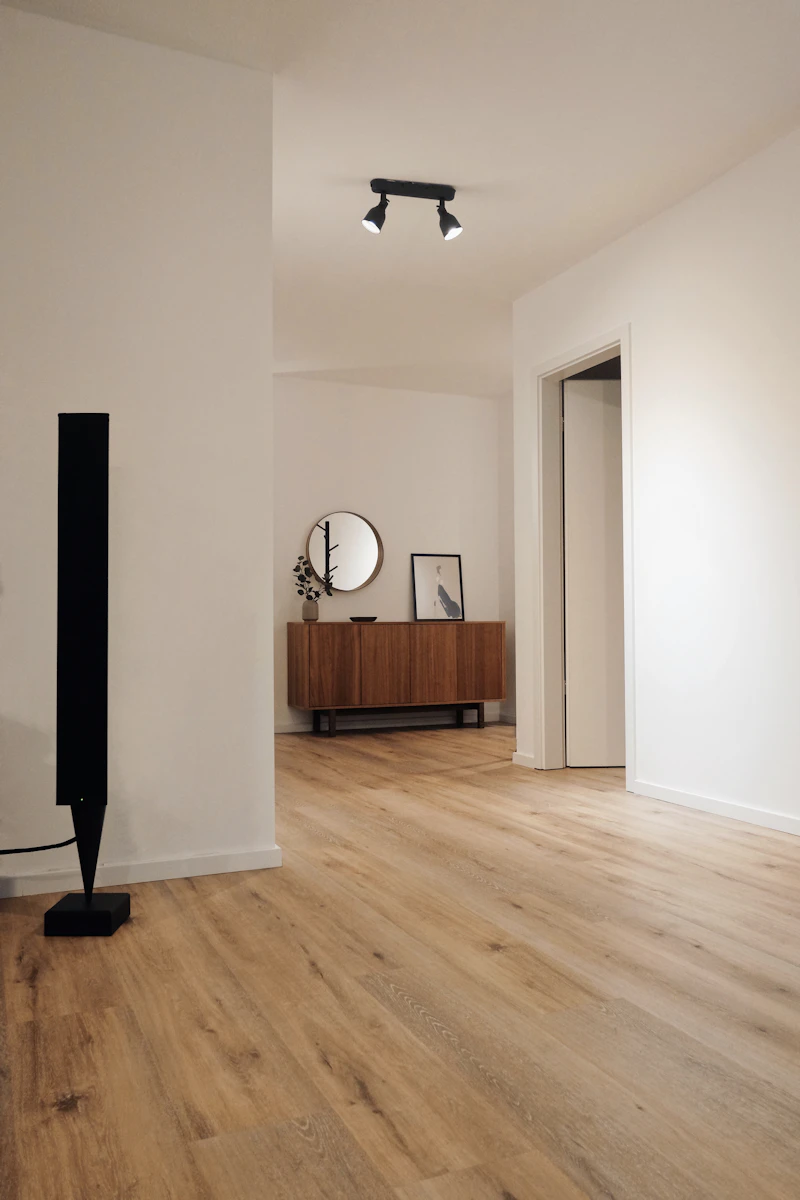
Based on Bureau of Labor Statistics wage data for the Philadelphia-Camden-Wilmington metropolitan area, flooring installation in Philadelphia costs between $560 and $7,500, with an average of $2,170.
Flooring Installation Cost Breakdown — Philadelphia, PA
| Service/Item | Low Estimate | Average | High Estimate |
|---|---|---|---|
| LVP Install (per 200 sq ft) | $640 | $870 | $1,280 |
| Hardwood Install (per 200 sq ft) | $1,520 | $2,000 | $2,830 |
| Tile Install (per 200 sq ft) | $1,270 | $1,740 | $2,560 |
| Carpet Install (per 200 sq ft) | $520 | $700 | $1,020 |
| Subfloor Repair | $400 | $570 | $890 |
| Hardwood Refinishing (per 200 sq ft) | $360 | $540 | $880 |
How Flooring Installation Pricing Works in the Philadelphia-Camden-Wilmington Area
Philadelphia’s row homes, stone colonials, and aging suburban split-levels demand flooring solutions that withstand decades of wear—and a climate that swings from biting winter cold to humid summer heat. These conditions shape how contractors price jobs across the metro area.
Labor costs here reflect a tight market: the Bureau of Labor Statistics reports an average hourly wage of $23.98 for flooring installers, but most licensed contractors bill higher to cover insurance, tools, and overhead. A typical markup of 20–30% is standard, factoring in job management, material sourcing, and compliance with Pennsylvania’s strict home improvement regulations.
Overall, flooring installation in the Philadelphia-Camden-Wilmington area runs about 2% above the national average. That slight premium comes from older housing stock requiring more prep work—uneven subfloors, lead paint abatement, or asbestos tile removal in homes built before the 1980s.
Row homes in neighborhoods like Fishtown or Overbrook often have narrow doorways and shared walls, complicating material delivery and noise control. Contractors build these challenges into their estimates.
Winter conditions matter too. With average lows between 15–30°F and frequent snowfall—especially west of the city—subfloor moisture levels fluctuate.
Installers must acclimate materials properly and avoid laying hardwood during deep cold snaps. This seasonal sensitivity can delay projects, and smart homeowners schedule flooring work in spring or fall when humidity and temperature stabilize.
Suburbs like Cherry Hill, Media, and Abington feature more single-family homes with basements and garages, allowing for easier access and storage. But even here, homes from the 1920s to 1960s often have non-standard joist spacing or outdated radiant heat systems under concrete slabs. Homeowners may also want to compare hvac costs in Philadelphia.
These hidden variables increase labor time and, therefore, cost. Contractors familiar with the region know to inspect for these issues before quoting a final price.
What to Expect During the Estimate Process
Start by calling three licensed contractors registered with the Pennsylvania Attorney General’s Home Improvement Contractor Registration program.
The best ones will schedule an in-person walkthrough within 48 hours. During the visit, they’ll measure each room, check subfloor integrity, note transitions to adjacent spaces, and assess access points—critical in narrow Center City row homes where carrying planks up tight staircases affects labor time.
A professional estimator will ask about your lifestyle: pets, kids, furniture weight.
They’ll also confirm whether your home was built before 1978, triggering a federal lead paint disclosure requirement. If you’re replacing flooring in a pre-1978 home, the contractor must follow EPA RRP (Renovation, Repair, and Painting) rules, which may add time and containment costs.
After the visit, expect a detailed written estimate within 2–3 business days. It should itemize materials, labor, prep work (like removing baseboards or old flooring), and any permits.
In Philadelphia, L&I permits are required for structural modifications, but flooring usually doesn’t need one unless it involves subfloor replacement. Still, contractors must comply with the state’s Uniform Construction Code (UCC) for moisture barriers, fire ratings, and sound transmission—especially in multi-unit buildings.
Timeline-wise, most flooring jobs in the region take 2–5 days. Simple laminate or LVP in a Center City condo might wrap in two.
Full hardwood installation in a 1950s split-level with subfloor repairs can stretch to five, especially if acclimation or moisture mitigation is needed. Scheduling often depends on material availability—imported tile or specialty hardwood may have longer lead times. Aim to book 4–6 weeks out during peak seasons (spring and fall).
DIY vs. Professional Flooring Installation: When It Makes Sense
| Safe for DIY | Hire a Pro |
|---|---|
| Click-together LVP or laminate in a small, square room with a flat subfloor | Hardwood installation on uneven or squeaky subfloors common in Philly row homes |
| Replacing carpet with low-pile area rugs in a rental unit | Tile installation in wet areas like bathrooms or kitchens—requires waterproofing and slope knowledge |
| Installing peel-and-stick vinyl tiles in a dry, low-traffic space | Projects in homes built before 1978 requiring lead-safe work practices |
| Basic underlayment replacement in a finished basement with good access | Any job needing structural subfloor repairs or joist reinforcement |
| Using pre-cut cork or foam tiles in a home office or closet | Installations involving permits, code compliance, or HOA approvals in suburban communities |
DIY can save money, but it carries risk. Improperly installed flooring can void manufacturer warranties, create tripping hazards, or lead to moisture damage—especially in basements prone to dampness.
Professionals carry liability insurance and workers’ comp, protecting you if someone gets injured on your property. They also know how to handle the region’s unique challenges: radiant heat systems under concrete, shared walls in condos, and narrow delivery routes in Old City.
Questions to Ask Before Signing a Contract
Under Pennsylvania law, all home improvement contractors must register with the state. Ask for their registration number and verify it with the Attorney General’s office. See how costs compare: plumbing costs in Philadelphia.
In Philadelphia, check if L&I permits are needed—especially if you’re modifying floor structure. For homes built before 1978, confirm the contractor follows lead-safe practices.
- Are you registered under the PA Home Improvement Contractor Registration Act? Can I see your registration number?
- Will you pull any required permits, and who pays for them?
- Does your quote include removal and disposal of old flooring, especially if it might contain asbestos or lead?
- What’s your process for handling subfloor issues like squeaks, dips, or moisture—common in 1920s–1960s homes?
- Do you carry general liability insurance and workers’ comp? Can I get proof?
- What happens if the job runs late due to weather, material delays, or hidden damage?
Red flags include contractors who demand full payment upfront, refuse to provide a written contract, or can’t show local references. Avoid anyone who dismisses lead paint concerns or says “no permit needed” without checking L&I rules.
A solid estimate should break down labor at or above $23.98/hr, reflect regional challenges, and include a clear timeline. Trust contractors who walk the space thoroughly—they’re more likely to spot the hidden issues that define real cost in this market.
How to Hire a Flooring Installation Professional in Philadelphia
Finding a qualified flooring installation contractor in Philadelphia, PA requires some research. Local labor rates average $23.98/hr based on Bureau of Labor Statistics data for the Philadelphia-Camden-Wilmington area, which is +2% compared to the national average.
Tips for Getting the Best Price
- Get 3-5 quotes — Prices in Philadelphia range from $560 to $7,500, so comparing multiple estimates can save you hundreds or thousands.
- Check licensing — Verify your contractor is properly licensed and insured in Pennsylvania.
- Ask about warranties — Reputable flooring installation professionals in Philadelphia should offer at least a 1-year labor warranty.
- Read recent reviews — Look for contractors with reviews from other Philadelphia homeowners specifically.
- Schedule off-season — You may save 10-20% by scheduling during slower months when contractors compete harder for work.
- Avoid the lowest bid — Extremely low quotes in Philadelphia often mean cut corners, unlicensed workers, or hidden upcharges later.
What to Expect During the Process
A typical flooring installation project in Philadelphia begins with an on-site estimate (most reputable contractors offer free estimates). The contractor should provide a detailed written quote including materials, labor at approximately $23.98/hr, timeline, and warranty terms. For the Philadelphia-Camden-Wilmington market, expect the project to take anywhere from a few hours for minor repairs to several weeks for major installations.
Why Flooring Installation Costs Vary in Philadelphia
The average flooring installation cost of $2,170 in Philadelphia reflects local market conditions. Key factors driving prices +2% compared to the national average include:
- Labor costs — Philadelphia tradespeople earn $23.98/hr on average, directly impacting your project cost.
- Material availability — Supply chain proximity and local demand affect material pricing in the Philadelphia-Camden-Wilmington area.
- Permit requirements — Pennsylvania and local Philadelphia building codes may require permits that add to overall project cost.
- Competition — The number of qualified flooring installation contractors in Philadelphia influences pricing through market competition.
- Property characteristics — Home age, size, accessibility, and existing conditions unique to Philadelphia neighborhoods affect scope and cost.
What Affects Flooring Installation Costs in Philadelphia?
What Affects Flooring Installation Costs in Philadelphia?
Homeowners in the Philadelphia-Camden-Wilmington area face unique cost factors when installing or replacing flooring. From local labor standards to the region’s aging housing stock, these elements shape project pricing. Below are the key factors influencing flooring installation costs in the area.
- Local labor rates — Philadelphia’s average hourly wage for flooring installers is approximately 2% above the national average, at $23.98 per hour, according to the Bureau of Labor Statistics. This reflects the city’s higher cost of living, strong union presence in construction trades, and steady demand for home renovations in densely populated neighborhoods like Fishtown, Center City, and South Philly.
- Seasonal demand — Flooring installation peaks in spring and summer when homeowners avoid disrupting heating systems during cold months. Contractors often charge 10–20% more during the high-demand season, while scheduling in late fall or winter—especially after snow events affecting western suburbs—can yield better availability and lower rates.
- Project scope — A minor repair, such as replacing water-damaged boards in a bathroom, costs significantly less than a full first-floor replacement in a historic row home. The gap in estimates often comes from subfloor preparation, disposal fees, and time required to work around existing fixtures common in older Philadelphia homes.
- Permits & inspections — Under the PA Home Improvement Contractor Registration Act, all contractors must be registered with the state. In Philadelphia, permits may be required for structural modifications or multi-room installations, typically costing $50 to $300; skipping this step risks fines and complications during resale.
- Materials quality — Builder-grade vinyl or laminate costs notably less than premium options like wide-plank white oak, porcelain tile, or custom ceramic inlays popular in Center City renovations. The price difference between entry-level and high-end materials can range from 30% to 50%, significantly impacting total project cost.
- Property characteristics — Philadelphia’s abundance of narrow row homes, multi-story stone colonials, and homes with limited access (e.g., shared alley entries) increases labor time and complexity. Older homes often require floor leveling or joist repair before installation, especially in areas like Queen Village or Germantown with pre-1950s construction.
- Emergency vs scheduled — Water damage from burst pipes during freezing winter months often triggers emergency flooring repairs. Contractors may charge 1.5 to 2 times the standard rate for same-day or weekend service, particularly in areas prone to heavy snowfall like Mount Airy or the Far Northeast.
Popular Flooring Installation Brands in Philadelphia
Frequently Asked Questions
How much does flooring installation cost in Philadelphia, PA?
The average cost for flooring installation in Philadelphia, PA is $2,170, with prices typically ranging from $560 to $7,500 depending on materials, labor, and project size. Labor rates average around $23.98 per hour based on U.S. Bureau of Labor Statistics (BLS) data for the Philadelphia-Camden-Wilmington metro area. Costs can vary significantly based on flooring type—such as hardwood, tile, or laminate—and whether subfloor repairs are needed. Larger or older homes in neighborhoods like Center City or Queen Village may incur higher labor costs due to accessibility or building age.
Why is flooring installation more expensive in Philadelphia than the national average?
Flooring installation in Philadelphia often exceeds the national average due to higher local labor costs, with installers averaging $23.98 per hour according to BLS data—above rates in many rural or southern regions. The metro area's mix of historic homes requires specialized work, such as matching old wood or addressing uneven subfloors, increasing labor time and skill requirements. Additionally, material delivery costs and city regulations can contribute to higher overall project expenses. Urban density and contractor overhead in a major metro area also factor into pricing.
How can I save money on flooring installation in Philadelphia?
You can save money by scheduling flooring installation during off-peak seasons like late fall or winter, when demand and contractor rates may be lower. Choosing mid-grade materials and installing over existing subfloors—when structurally sound—can reduce both material and labor costs. Getting multiple quotes from licensed contractors in the Philadelphia-Camden-Wilmington metro area helps ensure competitive pricing around the $2,170 average. Doing prep work yourself, like removing furniture or old carpet, may also reduce labor hours billed at $23.98/hr.
Do I need a permit for flooring installation in PA?
Generally, flooring installation does not require a permit in Pennsylvania if it does not involve structural changes, electrical work, or plumbing modifications. However, some municipalities in the Philadelphia-Camden-Wilmington metro area may require permits for major renovations or if the work is part of a larger remodeling project. Always check with your local building department—especially in historic districts like Old City or Society Hill—where additional rules may apply. Permits ensure compliance with local codes and can be important for resale or insurance purposes.
How long does flooring installation take in Philadelphia?
Most flooring installations in Philadelphia take 1 to 3 days, depending on the size of the area and type of flooring—such as laminate, tile, or hardwood. Larger homes or projects requiring subfloor repairs may take longer, especially in older row homes common in neighborhoods like Fishtown or South Philly. Labor rates average $23.98 per hour, so extended timelines will affect total labor costs within the $560 to $7,500 range. Proper acclimation of materials and weather conditions—particularly in humid summers—can also influence project duration.
What warranty should I expect from a flooring installation contractor?
Most reputable flooring contractors in Philadelphia offer a 1- to 5-year labor warranty covering workmanship issues like warping, gaps, or improper seams. The manufacturer typically provides a separate warranty for the flooring material, which can range from 10 years to a lifetime depending on the product. Always request warranty details in writing, especially since labor rates in the area average $23.98/hr and repairs could be costly. Warranties may be voided if installation doesn’t follow code or if subfloor conditions weren’t properly addressed.
What's the best time of year for flooring installation in Philadelphia?
The best time for flooring installation in Philadelphia is late fall to early winter, when lower humidity helps stabilize wood and laminate materials during acclimation. Contractors may also offer better rates during this off-peak season, helping you stay closer to the $2,170 average cost instead of peak summer prices. Avoid summer months when high humidity and heat can delay adhesive curing and cause expansion issues. Indoor work is less weather-dependent, but scheduling during slower months can reduce labor time and costs based on the $23.98/hr BLS rate.
