How Much Does Flooring Installation Cost in Seattle, WA?
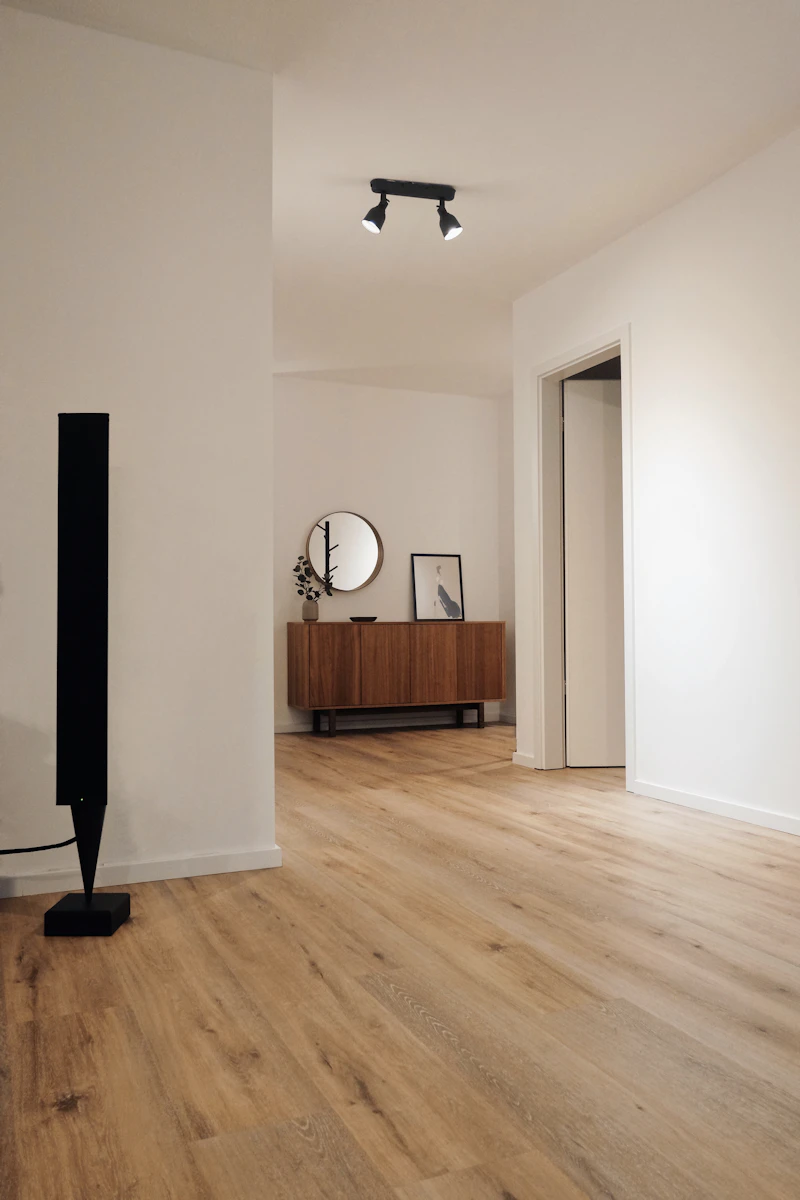
Based on Bureau of Labor Statistics wage data for the Seattle-Tacoma-Bellevue metropolitan area, flooring installation in Seattle costs between $580 and $7,820, with an average of $2,260.
Flooring Installation Cost Breakdown — Seattle, WA
| Service/Item | Low Estimate | Average | High Estimate |
|---|---|---|---|
| LVP Install (per 200 sq ft) | $660 | $900 | $1,340 |
| Hardwood Install (per 200 sq ft) | $1,550 | $2,050 | $2,920 |
| Tile Install (per 200 sq ft) | $1,310 | $1,810 | $2,690 |
| Carpet Install (per 200 sq ft) | $530 | $730 | $1,070 |
| Subfloor Repair | $420 | $600 | $950 |
| Hardwood Refinishing (per 200 sq ft) | $380 | $580 | $960 |
Seattle’s ever-present drizzle and rich architectural mix—from 1920s Craftsman bungalows in Capitol Hill to modern builds in Northgate—mean flooring isn’t just about aesthetics. It’s about performance in a damp, seismically active environment where moisture resistance and subfloor stability matter just as much as grain and color.
Why Flooring Installation Costs Vary in Seattle
Seattle’s flooring costs run about 15% above the national average, driven by labor rates, material handling challenges, and climate-specific requirements.
The Bureau of Labor Statistics reports a local flooring installer wage of $27.04/hr, but most general contractors apply a 30–45% markup to cover insurance, equipment, project management, and compliance with Seattle’s rigorous building codes. That pushes effective labor costs higher, especially on complex jobs.
The Pacific Northwest’s 37+ inches of annual rainfall creates persistent moisture issues. Homes on slopes—common in neighborhoods like Queen Anne or West Seattle—often have crawl spaces prone to dampness, requiring vapor barriers, dehumidification, or even structural repairs before flooring can begin. Homeowners may also want to compare hvac costs in Seattle.
Moss buildup in older homes can compromise subfloor integrity, adding unexpected prep work. Installers must also account for constant dampness when selecting adhesives and underlayment, ruling out moisture-sensitive materials like solid hardwood in basements or ground-level rooms.
Seattle’s seismic activity adds another layer. Homes built on unstable slopes or with raised foundations may need engineered flooring systems that allow for slight movement.
Floating floors like luxury vinyl plank (LVP) or engineered hardwood are increasingly popular not just for water resistance but for their flexibility during minor ground shifts. Retrofitting older homes to meet current earthquake codes can also affect flooring choices—especially if plywood underlayment needs upgrading.
Architectural variety further drives cost variation. Craftsman bungalows often have uneven joists and non-standard room dimensions, requiring meticulous measuring and custom cuts.
Split-level homes may involve multiple flooring transitions across short spans, increasing labor time. Meanwhile, newer developments in Bellevue or Federal Way often use standardized layouts, allowing for faster installs and lower per-square-foot costs.
Comparing Quotes: Budget vs. Mid-Range vs. Premium
| Feature | Budget | Mid-Range | Premium |
|---|---|---|---|
| Materials | Laminate, basic vinyl sheet | Engineered hardwood, LVP, ceramic tile | Wide-plank solid hardwood, natural stone, custom tile |
| Warranty | 5–10 years, limited moisture protection | 15–25 years, includes wear and water resistance | Lifetime or 30+ years, full structural & finish coverage |
| Subfloor Prep | Minimal leveling, basic moisture check | Full leveling, vapor barrier in damp areas | Structural inspection, moisture mitigation, seismic-rated underlayment |
| Installation Method | Glue-down or floating, minimal transitions | Professional floating or nail-down with custom transitions | Site-finished hardwood, radiant heat integration, custom inlays |
| Timeline | 2–3 days | 4–6 days | 7–10+ days (includes acclimation, finishing) |
| Best For | Rentals, low-traffic areas, quick updates | Primary homes, kitchens, moderate moisture zones | Main living areas, high-end remodels, seismic zones |
Seasonal Pricing Patterns in WA
Seattle’s wet climate creates a clear off-peak season for flooring—winter months from November to February.
Rain and high humidity slow drying times for adhesives and concrete subfloors, making installers cautious. Many contractors reduce scheduling during this period, creating openings for slightly better availability, though emergency repairs spike after storms. See how costs compare: plumbing costs in Seattle.
- Schedule major flooring projects between May and September when humidity is lowest and crews are fully staffed—this avoids delays from damp subfloors.
- Avoid booking during the fall (October) when demand surges for pre-holiday remodels and contractors are often booked 4–6 weeks out.
- Consider late winter (February) for smaller jobs—some contractors offer modest scheduling incentives to maintain workflow.
- Emergency rates apply after windstorms or plumbing failures, especially in hillside homes where water infiltration is common—maintain gutters and check crawl spaces annually to avoid crisis pricing.
- Newer developments in Kent or Auburn may have faster turnaround due to standardized builds—leverage this for quicker, more predictable installations.
- Confirm active L&I registration and check for disciplinary history at lni.wa.gov.
- Ask for proof of liability and workers’ comp insurance—uninsured workers on your property create financial risk.
- Require references from past flooring projects in similar homes (e.g., slope-built, pre-1950s, or moisture-prone areas).
- Verify experience with moisture mitigation—ask how they handle vapor barriers and subfloor drying in damp crawl spaces.
- Ensure they pull permits if structural work is involved, especially in Seattle, where inspections are frequent and strict.
- Get a written scope detailing prep work, acclimation time, and disposal of old materials—vague estimates often lead to change orders.
- Local labor rates — Labor for flooring installation in Seattle averages 15% above the national rate, with skilled workers earning around $27.04 per hour according to BLS data. This premium reflects the high cost of living, strong union presence in construction trades, and sustained demand in a growing metro area where skilled labor is competitive.
- Seasonal demand — Spring through early fall is peak season for flooring projects, as homeowners avoid working during Seattle’s wettest months (November–February). Contractors often charge 10–20% more during peak periods due to high booking volume, while off-season installations may offer more scheduling flexibility and modest pricing advantages.
- Project scope — A simple repair or partial replacement costs significantly less than a full tear-out and reinstallation, especially when addressing moisture damage common in older homes. The gap in estimates often reflects subfloor remediation, disposal fees, and whether waterproofing or vapor barriers are needed due to the region’s persistent dampness.
- Permits & inspections — All flooring work involving structural changes or multi-family units requires permits through Washington’s Department of Labor & Industries (L&I), which mandates licensed contractors. While flooring often doesn’t require permits unless tied to larger remodels, when needed, fees typically range from $50 to $300 and ensure compliance with state safety and building codes, including seismic retrofitting standards in older buildings.
- Materials quality — Builder-grade vinyl or basic laminate costs substantially less than premium options like engineered hardwood, tile with moisture-resistant underlayment, or mold-resistant luxury vinyl plank (LVP). In Seattle’s wet climate, investing in high-quality, moisture-tolerant materials can mean a 30–50% price increase but offers long-term durability against mold and warping.
- Property characteristics — Older craftsman bungalows in Capitol Hill or Queen Anne often have uneven subfloors and limited access, increasing labor time. Meanwhile, split-level homes in Bellevue or newer townhomes in South Lake Union may require special handling across multiple floors or elevators, impacting both logistics and final pricing.
- Emergency vs scheduled — Water damage from leaks or plumbing failures may require urgent flooring removal to prevent mold, common in Seattle’s humid environment. Emergency or weekend call-outs can cost 1.5 to 2 times the standard rate due to after-hours labor and immediate response needs, especially during the rainy season.
Hiring the Right Contractor in Seattle
Washington requires all contractors to register with the Department of Labor & Industries (L&I), but registration alone doesn’t guarantee expertise. A general contractor license is separate from specialty flooring certifications, so verify both.
Permits for flooring are typically not required unless structural changes are made, but Seattle enforces the state’s strictest energy code—especially for radiant heating systems or insulation under slabs. In earthquake-prone zones, proper fastening and floating methods must comply with seismic retrofitting standards.
Red flags include contractors who won’t provide L&I numbers, quote significantly below market rate, or refuse to discuss moisture protocols. During estimates, ask: “How do you handle subfloor issues in homes with chronic dampness?” or “What fastening method do you use in seismic zones?” Their answers will reveal whether they’re truly equipped for Seattle’s unique demands.
What Affects Flooring Installation Costs in Seattle?
What Affects Flooring Installation Costs in Seattle?
Homeowners in the Seattle-Tacoma-Bellevue area face unique factors when budgeting for flooring installation. From persistent dampness to seismic concerns and local labor standards, these elements shape project costs significantly. Below are the key influences specific to our region.
Popular Flooring Installation Brands in Seattle
Frequently Asked Questions
How much does flooring installation cost in Seattle, WA?
The average cost for flooring installation in Seattle is $2,260, with prices typically ranging from $580 to $7,820 depending on materials, labor, and project scope. Labor rates average $27.04 per hour according to the U.S. Bureau of Labor Statistics (BLS), contributing significantly to overall costs. Larger homes or high-end materials like hardwood or tile will push projects toward the higher end of the range.
Why is flooring installation more expensive in Seattle than the national average?
Flooring installation in Seattle tends to exceed the national average due to higher local labor costs, with BLS reporting wages at $27.04/hr for flooring installers in the area. The region's strong union presence, cost of living, and demand for skilled trades in the growing Seattle-Tacoma-Bellevue metro also drive up prices. Additionally, moisture-resistant materials and subfloor prep are often required due to the Pacific Northwest's damp climate, increasing material and labor needs.
How can I save money on flooring installation in Seattle?
You can reduce costs by scheduling installation during the winter months, when demand is lower and contractors may offer discounts. Choosing mid-grade, locally available materials reduces both material and shipping costs, while doing demolition or prep work yourself can lower labor hours. Getting multiple quotes and coordinating with contractors during off-peak times may also help leverage better rates without sacrificing quality.
Do I need a permit for flooring installation in WA?
In Washington, flooring installation typically does not require a permit if it does not involve structural changes, electrical work, or alterations to egress. However, major renovations or installations in rental units or commercial properties may require inspections or compliance with ADA or building codes. Always check with your local city or county building department—especially in Seattle, where rental property regulations can impose additional requirements.
How long does flooring installation take in Seattle?
Most residential flooring installations in Seattle take 1 to 3 days, depending on the size of the area and the complexity of the job. Simple laminate or vinyl installations in a single room may be completed in a day, while full-home hardwood or tile projects can take up to a week. Delays can occur due to moisture issues in subfloors, which are common in Seattle's damp climate and may require additional drying or mitigation time.
What warranty should I expect from a flooring installation contractor?
Reputable flooring contractors in Seattle typically offer a 1- to 5-year labor warranty covering workmanship, such as seams, buckling, or improper adhesion. Material warranties are provided separately by manufacturers and can last 10 years or more, especially for hardwood or luxury vinyl. Always get the warranty in writing and confirm what's covered—many exclude damage from humidity or water, which are common concerns in the Seattle area.
What's the best time of year for flooring installation in Seattle?
Late summer to early fall is ideal for flooring installation in Seattle, as humidity levels are lower and indoor conditions are more stable for acclimating materials. Installing during this period reduces the risk of moisture-related issues common in the rainy season. Contractors may also be more available before the winter slowdown, helping secure better scheduling and pricing. Avoid winter months when damp conditions can delay subfloor drying and adhesive curing.
