How Much Does Roofing Cost in Naperville, IL?
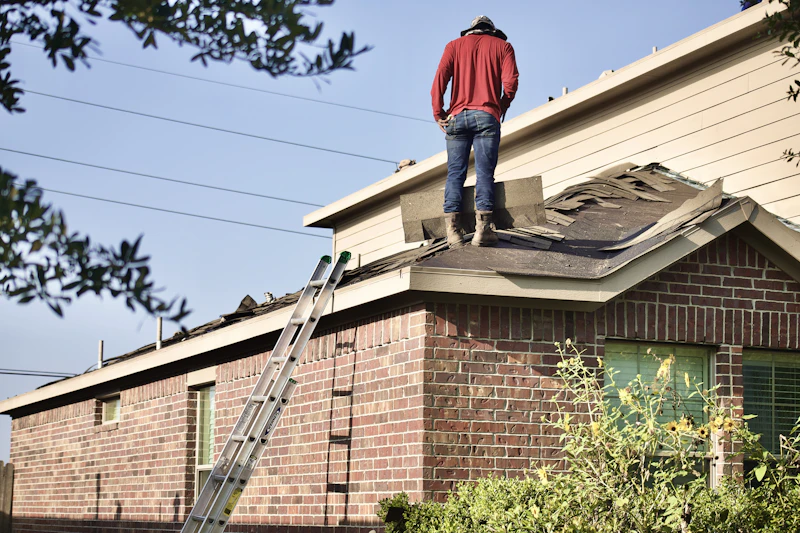
Based on Bureau of Labor Statistics wage data for the Chicago-Naperville-Elgin metropolitan area, roofing in Naperville costs between $2,310 and $15,940, with an average of $5,560.
Roofing Cost Breakdown — Naperville, IL
| Service/Item | Low Estimate | Average | High Estimate |
|---|---|---|---|
| Asphalt Shingles (per sq) | $120 | $170 | $250 |
| Metal Roofing (per sq) | $340 | $450 | $640 |
| Flat Roof Repair | $240 | $330 | $510 |
| Full Replacement (2,000 sq ft) | $4,220 | $5,560 | $7,820 |
| Roof Inspection | $20 | $30 | $60 |
| Gutter Installation (per ft) | $10 | $10 | $20 |
How Roofing Pricing Works in the Chicago-Naperville-Elgin Area
Naperville’s rooftops bear the brunt of Midwest extremes—bitter cold snaps that plunge wind chills below -10°F, scorching summers with heat indexes over 90°F, and relentless freeze-thaw cycles that test even the sturdiest shingles.
These conditions don’t just wear out roofs faster—they directly shape how contractors price their work. In this metro area, roofing costs run about 5% above the national average, driven by material durability requirements, labor standards, and local construction norms.
The U.S. Bureau of Labor Statistics reports an average roofing labor rate of $23.67 per hour in this region, but that’s just the baseline.
Most licensed contractors apply a markup to cover overhead, insurance, equipment, and project management—especially critical in Naperville, where older homes often have complex rooflines or hidden structural issues. Union labor is dominant across Cook and DuPage Counties, meaning higher hourly rates but also consistent quality and adherence to safety codes. This union presence, combined with strict Chicago building licensing (separate from Illinois state rules), creates a more regulated, and slightly more expensive, labor market.
Material choices are influenced by climate resilience. Asphalt shingles dominate, but 30-year architectural grades are standard—not the thinner 20-year versions seen in milder regions.
Ice and water shield installation is non-negotiable along eaves and valleys due to frequent ice damming in January and February. Homes in Naperville’s older subdivisions, like those near downtown or along the Riverwalk, often feature multi-level roofs with dormers and skylights, increasing labor time. Meanwhile, newer developments in west Naperville and Lisle may have larger roof footprints but simpler designs, balancing out complexity with scale. Homeowners may also want to compare Roofing in Chicago.
Permitting also affects cost. Cook County and Naperville require building permits for full roof replacements, and inspections are routine. For a nearby comparison, check kitchen remodel costs in Naperville.
Contractors must comply with Illinois EPA regulations if homes were built before 1978, particularly regarding lead-safe work practices during tear-offs. These compliance steps add time and paperwork, factored into the final quote. Lake-effect snow from Lake Michigan can push snow loads above 40 pounds per square foot in some winters, requiring reinforced decking or truss evaluations—another hidden cost driver not always obvious to homeowners.
What to Expect During the Estimate Process
When you call a roofing contractor in Naperville, the first step is usually a phone or online inquiry to schedule an on-site assessment. Reputable companies will send a project manager or lead estimator—not a salesperson—to inspect your roof, attic, and gutters.
They’ll check for sagging decking, ice dam damage, ventilation issues, and signs of interior leaks, especially common after a harsh winter. You’ll get a digital report with photos, measurements, and a detailed scope of work, not just a ballpark number.
The estimator will walk the property with you, explaining pitch, square footage, and any areas needing repair beyond the surface layer.
They’ll also review material options suited to Naperville’s climate—like algae-resistant shingles for shaded north-facing slopes or enhanced underlayment for homes near trees. If your home is in a historic district or hs Association (HOA), they’ll confirm color and style compliance before finalizing the bid.
From estimate to completion, expect a 2- to 6-week timeline, depending on season. Spring and fall are peak roofing months in Naperville, so delays are common. Winter work is possible but limited by snow and subfreezing temperatures.
Once materials are ordered and permits pulled (typically 3–7 days), the actual tear-off and installation usually take 1–3 days for a standard single-family home. Cleanup is thorough—magnetic sweepers are standard to catch stray nails, and debris is hauled off-site. Final inspection by the city or county closes the loop.
DIY vs. Professional Roofing: When It Makes Sense
| Safe for DIY | Hire a Pro |
|---|---|
| Replacing a few damaged shingles on a low-slope, accessible roof | Full roof replacement or structural repairs |
| Cleaning gutters or removing light debris after a storm | Installing ice and water shield or proper underlayment |
| Sealing small flashing leaks around vents or skylights | Working on roofs with pitch over 6:12 or multi-level designs |
| Inspecting attic ventilation and insulation levels | Permitting, inspections, or code compliance in Naperville or DuPage County |
| Applying roof cement to minor cracks (temporary fix) | Homes built before 1978 requiring lead-safe work practices |
Roofing is one of the most dangerous home projects—falls are the leading cause of injury. Naperville’s strict liability laws mean homeowners can be held responsible for accidents involving unlicensed helpers. See how costs compare: bathroom remodel costs in Naperville.
Insurance typically won’t cover DIY roof failures, especially if they lead to water damage. Professionals carry liability and workers’ comp, critical in a region where union crews and licensed contractors set the standard.
Questions to Ask Before Signing a Contract
Chicago has its own licensing board, separate from the state, and while Naperville follows DuPage County rules, both require proof of licensing, insurance, and bonding.
Union-affiliated contractors often provide stronger warranties and adherence to building codes. Never hire someone who can’t provide a valid Illinois Home Improvement Contractor Registration (IHC) number.
- Are you licensed, insured, and registered with the Illinois Attorney General’s Home Improvement Program?
- Will you pull the necessary permits from Naperville or DuPage County, and handle inspections?
- Do you follow OSHA safety protocols, especially for high-pitched or multi-story roofs?
- What’s your process for handling lead-based materials if my home was built before 1978?
- Can you provide references from recent roofing projects in Naperville or nearby suburbs?
- Is the quote based on actual measurements, or an estimate from satellite imagery?
Red flags include cash-only demands, unsolicited door-to-door offers after storms, and contracts that don’t itemize labor, materials, and disposal fees. If a quote seems unusually low, it may skip proper underlayment, ventilation, or cleanup—cutting corners that lead to premature failure in Naperville’s tough climate.
What Affects Roofing Costs in Naperville?
What Affects Roofing Costs in Naperville?
in Naperville, IL, understanding the factors that influence roofing costs can help you budget and make informed decisions. Here are the key factors to consider:
- Local labor rates — Naperville's labor rate is $23.67/hr (Bureau of Labor Statistics, 2024), which is 5% higher than the national average. This is largely due to the area's high cost of living, the presence of unionized labor, and the steady demand for roofing services.
- Seasonal demand — In Naperville's harsh climate, roofing demand peaks during summer and early fall, while winter months see a decline. Homeowners can expect to pay a 10-20% seasonal premium for roofing services during peak season.
- Project scope — The scope of the project significantly impacts roofing costs. A basic repair job will cost substantially less than a full replacement, with the gap between low and high estimates driven by factors like the extent of damage, roof size, and material requirements.
- Permits & inspections — In Cook County, including Naperville, permits are required for roofing work. Permit fees typically range from $50 to $300, and homeowners must also comply with stricter Chicago licensing regulations.
- Materials quality — The quality of materials used can significantly impact roofing costs, with premium materials costing 30-50% more than builder-grade options. For example, high-end asphalt shingles, metal roofing, or slate tiles are more expensive than standard asphalt shingles or wood shakes.
- Property characteristics — The type, age, and accessibility of your property can affect roofing costs. For instance, older Victorian homes in Chicago or two-flats may require more complex and expensive roofing work, while newer homes with simpler roof designs may be less costly. Additionally, multi-story homes or those with unique architectural features may incur higher labor costs.
- Emergency vs scheduled — Emergency roofing services, such as those required after a severe storm, can cost 1.5-2 times more than scheduled services. Weekend and after-hours premiums can also apply, adding to the overall cost.
Popular Roofing Brands in Naperville
Frequently Asked Questions
How much does roofing cost in Naperville, IL?
The average roofing cost in Naperville, IL is $5,560, with prices typically ranging from $2,310 to $15,940 depending on roof size, materials, and labor. This reflects regional labor rates, with roofers in the Chicago-Naperville-Elgin metro earning a mean hourly wage of $23.67 according to the U.S. Bureau of Labor Statistics (BLS). Costs can vary significantly based on shingle type, roof complexity, and whether full replacement or repairs are needed. Always get multiple quotes to ensure fair pricing within this range.
Why is roofing more expensive in Naperville than the national average?
Roofing in Naperville tends to be higher than the national average due to elevated labor costs, local permitting fees, and the region's stringent building codes. The BLS reports that roofers in this metro area earn $23.67/hr on average, which contributes to higher overall project costs. Additionally, material transportation, insurance requirements, and the prevalence of high-quality architectural shingles in suburban homes increase expenses. Cold winters and heavy snow loads also demand sturdier, more costly roofing systems.
How can I save money on roofing in Naperville?
You can save money by scheduling roof replacement during the off-season, such as late fall or winter, when contractors may offer discounts due to lower demand. Getting multiple bids from licensed, insured contractors helps ensure competitive pricing within the $2,310–$15,940 local range. Choosing standard asphalt shingles instead of premium materials can reduce costs, and coordinating with neighbors for group projects may yield bulk discounts. Avoid storm-chaser contractors offering unusually low prices, as quality and compliance may be compromised.
Do I need a permit for roofing in IL?
Yes, most roofing work in Naperville, IL requires a building permit, especially for full replacements or structural modifications. The city enforces the Illinois Building Code, and permits ensure work meets safety and zoning standards. Your licensed contractor should pull the permit and include it in the project cost. Failure to obtain one can result in fines or issues when selling your home.
How long does roofing take in Naperville?
A typical roof replacement in Naperville takes 2 to 3 days for an average-sized home, assuming no major structural repairs are needed. Weather delays are common, especially during spring and fall when rain or temperature fluctuations occur. Larger or complex roofs with multiple layers or custom features may take up to a week. Always confirm the timeline with your contractor based on current conditions and project scope.
What warranty should I expect from a roofing contractor?
You should expect at least a 5-year labor warranty from a reputable roofing contractor in Naperville, though many offer 10 years or more. Material warranties typically come from the manufacturer and can range from 25 to 50 years, especially for asphalt shingles. Ensure the warranty covers both materials and workmanship, and verify that the contractor is authorized to install the products they use. Always get the warranty in writing before work begins.
What's the best time of year for roofing in Naperville?
The best time for roofing in Naperville is late spring to early fall, particularly May through September, when weather is dry and temperatures are stable for proper shingle adhesion. Scheduling during this window reduces the risk of weather-related delays common in winter or early spring. Contractors are busiest during these months, so booking early improves availability. Avoid roofing during extreme cold or wet conditions, as they compromise installation quality and safety.
