How Much Does Bathroom Remodel Cost in Berkeley, CA?
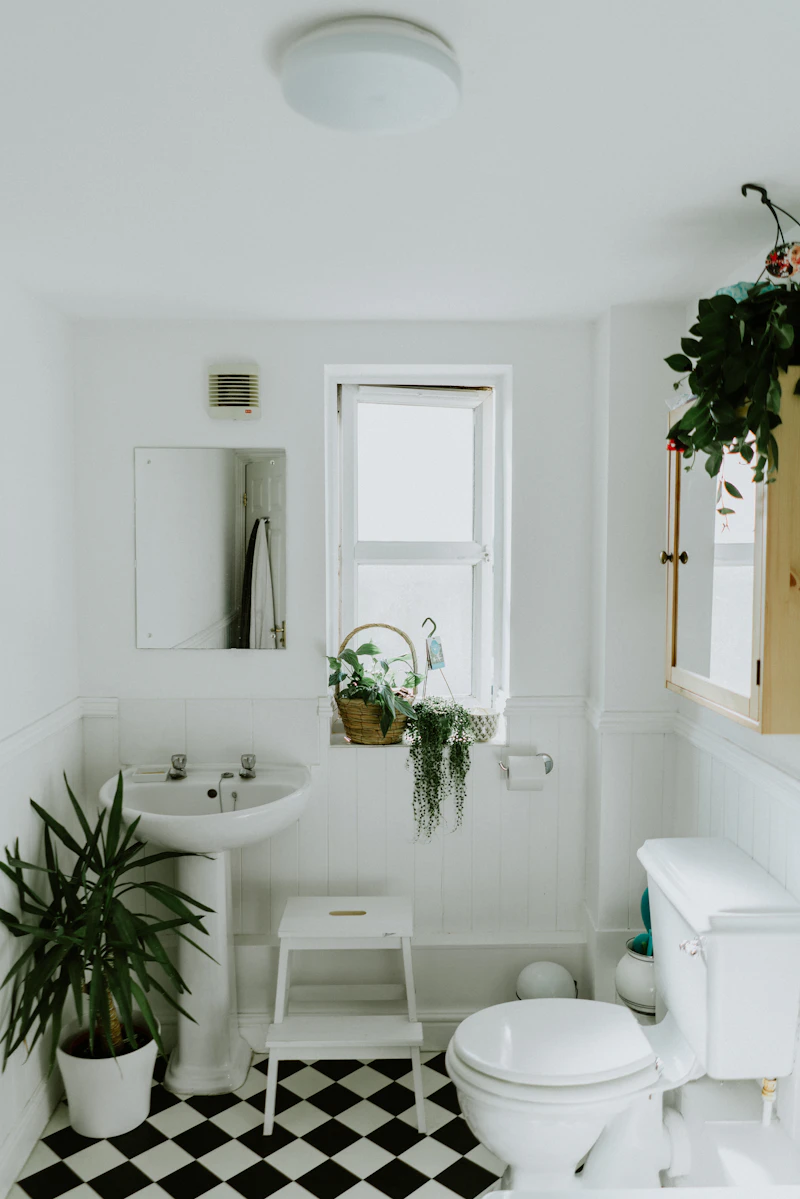
Based on Bureau of Labor Statistics wage data for the San Francisco-Oakland-Berkeley metropolitan area, bathroom remodel in Berkeley costs between $2,690 and $26,050, with an average of $7,970.
Bathroom Remodel Cost Breakdown — Berkeley, CA
| Service/Item | Low Estimate | Average | High Estimate |
|---|---|---|---|
| Vanity + Sink Install | $810 | $1,100 | $1,590 |
| Shower/Tub Replacement | $2,060 | $2,790 | $4,070 |
| Tile Work (floor + walls) | $1,780 | $2,490 | $3,790 |
| Toilet Replacement | $330 | $450 | $670 |
| Full Gut Remodel | $8,720 | $11,960 | $17,770 |
| Fixture Upgrade Package | $1,190 | $1,600 | $2,300 |
Berkeley’s bathrooms are as diverse as its neighborhoods—from Craftsman bungalows in North Berkeley with original tile to Spanish revivals in the flats needing seismic-safe plumbing upgrades.
Remodeling here isn’t just about aesthetics; it’s about adapting to a climate that swings from coastal fog to inland heat domes, all while meeting California’s toughest energy codes. Labor, materials, and compliance shape every quote, and understanding the local drivers helps you avoid overpaying or cutting corners that could cost you later.
Why Bathroom Remodel Costs Vary in Berkeley
Labor in the San Francisco-Oakland-Berkeley metro averages $33.00/hr according to the Bureau of Labor Statistics, but skilled tile setters, plumbers, and electricians often command more due to demand and union presence. Contractors typically apply a markup of 15–25% on materials and subcontractors to cover project management, insurance, and permit coordination—higher than national averages because of elevated overhead in the Bay Area.
Bathroom remodels here run about 25% above the national average, driven by strict local enforcement of Title 24 energy regulations, seismic retrofitting requirements, and material transport costs. Even a simple vanity replacement may trigger upgrades to plumbing vents or electrical grounding if work disturbs existing systems—rules enforced rigorously in Berkeley’s older housing stock.
The city’s mix of architectural styles adds complexity. Stucco-clad Spanish homes often hide outdated plumbing behind thick walls, requiring careful demolition. Homeowners may also want to compare Bathroom Remodel in Los Angeles.
Mid-century modern homes in the hills may need structural reinforcement before adding heavy soaking tubs. Ranch homes in South Berkeley frequently sit on shallow slabs, complicating drain relocations. Each style demands tailored solutions that impact labor hours and material choices. For a nearby comparison, check Bathroom Remodel in San Francisco.
Climate plays a role too. Coastal moisture encourages mold-resistant drywall and exhaust systems sized beyond code minimums.
Inland areas like nearby Richmond or El Cerrito face summer temps over 100°F, pushing homeowners toward radiant-reflective insulation and low-flow fixtures that reduce hot water demand. Wildfire smoke season has also increased demand for sealed ventilation systems with MERV-13 filtration—now commonly bundled into bathroom exhaust upgrades.
Comparing Quotes: Budget vs. Mid-Range vs. Premium
| Feature | Budget | Mid-Range | Premium |
|---|---|---|---|
| Materials | Builder-grade porcelain, prefab vanities, acrylic surrounds | Imported ceramic tile, solid surface countertops, frameless glass | Custom stone, Japanese soaking tubs, smart fixtures with leak detection |
| Plumbing & Electrical | Minimal relocations, existing circuits reused | One fixture moved, dedicated GFCI circuit added | Full re-pipe with PEX, dedicated circuits, smart venting |
| Warranty | 1-year labor, manufacturer parts only | 2-year labor, 5-year fixture coverage | 5-year system-wide warranty, annual inspection included |
| Permits & Code | Basic permit, no Title 24 calcs | Full permit, Title 24 compliance filed | Energy modeling, seismic anchoring documented |
| Timeline | 2–3 weeks, overlapping trades | 4–5 weeks, staged inspections | 6–8 weeks, custom lead times included |
| Contractor Involvement | Project manager visits weekly | Daily supervision, digital progress updates | Dedicated site lead, client portal with logs |
Seasonal Pricing Patterns in CA
Weather and demand cycles in Northern California create real cost differences depending on when you schedule.
Coastal fog keeps summer humidity high, but inland valleys bake—both extremes affect drying times and material storage. Wildfire season (late summer to fall) disrupts supply chains and labor availability, especially when air quality drops and outdoor work halts.
- Schedule framing and rough-ins between March and May to avoid summer heat delays in inland areas—plumbers work faster when temps stay under 90°F.
- Book tile and finish work for late fall (October–November) when demand drops after summer renovation peaks; many contractors offer 5–10% off-peak discounts.
- Avoid starting projects during wildfire season (August–October) unless you’re prepared for work stoppages due to poor air quality—some contracts include force majeure clauses that extend timelines without penalty.
- Winter rains (December–February) can delay exterior venting or slab repairs, but indoor bathroom work often proceeds—just confirm your contractor has climate-controlled drying equipment.
- Emergency rates—typically 1.5x standard labor—apply during seismic events or burst pipes from frozen pipes in older hillside homes; annual plumbing inspections can prevent these.
- Verify active CSLB license status and check for disciplinary history at checklist.ca.gov—look for “C-36” (plumbing) or “B” (general building) classification.
- Ask for proof of workers’ comp and general liability insurance—Berkeley homeowners can be liable for job site injuries if coverage lapses.
- Request a sample Title 24 compliance report from a past bathroom project—this shows they understand local energy code enforcement.
- Confirm they pull permits and schedule city inspections—never accept “cash jobs” that skip this step.
- Review change order policy in writing—projects often uncover stucco rot or outdated wiring, and transparent contractors detail how these are priced.
- Ask how they handle wildfire smoke disruptions or earthquake-related delays—reputable firms have contingency plans.
- Local labor rates — Berkeley’s skilled‑trade wages run about 25 % higher than the national average. The city’s high cost‑of‑living, strong union presence, and constant demand for construction work drive hourly rates to roughly $33.00 per hour, which directly inflates labor‑intensive tasks such as tiling, plumbing, and electrical work.
- Seasonal demand — The mild Mediterranean climate creates a busy remodeling season from late spring through early fall, when homeowners are eager to finish projects before the rainy winter. Contractors often apply a 10‑20 % premium during these peak months, while off‑peak periods (late fall to winter) can yield modest discounts and more flexible scheduling.
- Project scope — A “cosmetic refresh” that replaces fixtures and paint costs far less than a full‑gut remodel that involves demolition, re‑routing plumbing, and new waterproofing. The gap widens because extensive demolition adds labor hours, while comprehensive upgrades (e.g., new shower enclosures, custom vanities) require higher‑grade materials and more detailed coordination.
- Permits & inspections — Any bathroom remodel exceeding $500 must be performed by a CSLB‑licensed contractor, and the city requires a permit that typically costs $50‑$300 plus inspection fees. Berkeley also enforces Title 24 energy standards—the strictest in the U.S.—which can affect HVAC sizing and ventilation requirements, adding design time and possible equipment upgrades.
- Materials quality — Choosing premium finishes (e.g., natural stone tile, solid‑surface countertops, high‑efficiency fixtures) can increase material costs by 30‑50 % compared with builder‑grade options like ceramic tile, laminate counters, and standard faucets. Specific choices such as quartz versus cultured marble, or a walk‑in tile shower versus a prefabricated tub, create noticeable price differentials.
- Property characteristics — Berkeley’s housing stock ranges from early‑20th‑century Spanish‑style homes with stucco walls to mid‑century modern ranches. Older homes often have limited access for trucks, require seismic retrofitting, or have outdated plumbing that must be upgraded, all of which add labor and material complexity. Multi‑story houses may also need additional staging and safety measures.
- Emergency vs. scheduled work — When a bathroom failure occurs after hours or on a weekend, contractors typically charge 1.5‑2 × the standard rate. This premium reflects the need for on‑call staffing, overtime pay, and the disruption of normal project timelines.
Hiring the Right Contractor in Berkeley
California’s Contractors State License Board (CSLB) requires a valid license for any job over $500. In Berkeley, unlicensed work won’t pass inspection, and title companies flag unpermitted remodels during resale. Related: kitchen remodel costs in Berkeley.
Title 24 energy compliance is non-negotiable: bathroom exhaust fans must meet CFM/Watt limits, and any new lighting must be LED with controls. Solar-ready requirements may apply if you’re expanding the home’s electrical system—even for a bathroom panel upgrade. See how costs compare: Bathroom Remodel in Anaheim.
Most Bay Area cities, including Berkeley, allow online permit submittal through platforms like Accela, but only licensed contractors can sign off on structural or mechanical changes.
Red flags include reluctance to provide references in Berkeley, refusal to file permits, or estimates that don’t break down labor vs.
materials. During estimates, ask: “Have you worked on stucco homes in seismic zones?” and “How do you size exhaust fans for Title 24?” Their answers reveal whether they truly know this market or are just passing through.
What Affects Bathroom Remodel Costs in Berkeley?
What Affects Bathroom Remodel Costs in Berkeley?
For homeowners in the San Francisco‑Oakland‑Berkeley corridor, bathroom remodel budgets are shaped by a mix of local market forces, climate‑driven timing, and the unique characteristics of each property. Below are the key variables that can push a project’s price up or down.
Popular Bathroom Remodel Brands in Berkeley
Frequently Asked Questions
How much does bathroom remodel cost in Berkeley, CA?
In Berkeley, a full bathroom remodel typically runs between $2,690 and $26,050, with an average cost of about $7,970. The wide range reflects differences in size, material choices, and the level of finishes you select. Labor rates in the Bay Area are higher than many parts of the country, which drives the overall price. The Bureau of Labor Statistics reports an average construction labor rate of $33.00 per hour, which is a key factor in the total cost.
Why is bathroom remodel more expensive in Berkeley than the national average?
Berkeley’s higher costs stem from several local factors: the Bay Area’s labor market commands rates above the national average, as shown by the BLS $33.00/hr figure. Additionally, permitting fees, code requirements, and the need for skilled tradespeople familiar with seismic and energy standards add to the price. Real estate values and the cost of high‑quality, locally sourced materials also push budgets higher than the national norm.
How can I save money on bathroom remodel in Berkeley?
Start by keeping the existing layout; moving plumbing or electrical lines is the biggest expense. Choose mid‑range fixtures and finishes rather than premium brands, and shop sales or outlet stores for tiles and cabinetry. Getting multiple detailed quotes from licensed contractors lets you compare labor rates, which are a major cost driver. Finally, do any demolition or simple prep work yourself to reduce labor hours billed at the $33.00/hr BLS rate.
Do I need a permit for bathroom remodel in CA?
Yes, most bathroom remodels in California require a building permit, especially if you are altering plumbing, electrical, or structural elements. The City of Berkeley’s Building Department reviews plans to ensure they meet state and local codes, including seismic and water‑efficiency standards. Failing to obtain a permit can result in fines, forced rework, or problems when you sell the home. Your contractor should handle the permit process and include any fees in the project estimate.
How long does bathroom remodel take in Berkeley?
A typical bathroom remodel in Berkeley takes about 2 to 4 weeks from demolition to final finish, assuming no major structural changes. Projects that involve moving plumbing or re‑configuring the layout can extend to 6 weeks or more due to additional inspections and permit approvals. Scheduling delays are common in the Bay Area because skilled trades are in high demand, so it’s wise to build a buffer into your timeline.
What warranty should I expect from a bathroom remodel contractor?
Reputable contractors in Berkeley usually offer a workmanship warranty of at least one year, covering any defects in installation. Material warranties are separate and depend on the manufacturers of fixtures, tiles, and cabinets. Ask the contractor to provide written details of both the labor warranty and the warranties for all installed products before signing the contract.
What's the best time of year for bathroom remodel in Berkeley?
The most favorable window is late fall through early spring (October to March). During these months, contractors often have more availability and may offer off‑season discounts, while the mild Berkeley climate means indoor work isn’t affected by extreme heat or rain. Planning your remodel during this period can also help you avoid the summer rush when labor rates and material demand tend to rise.
