How Much Does Plumbing Cost in Berkeley, CA?
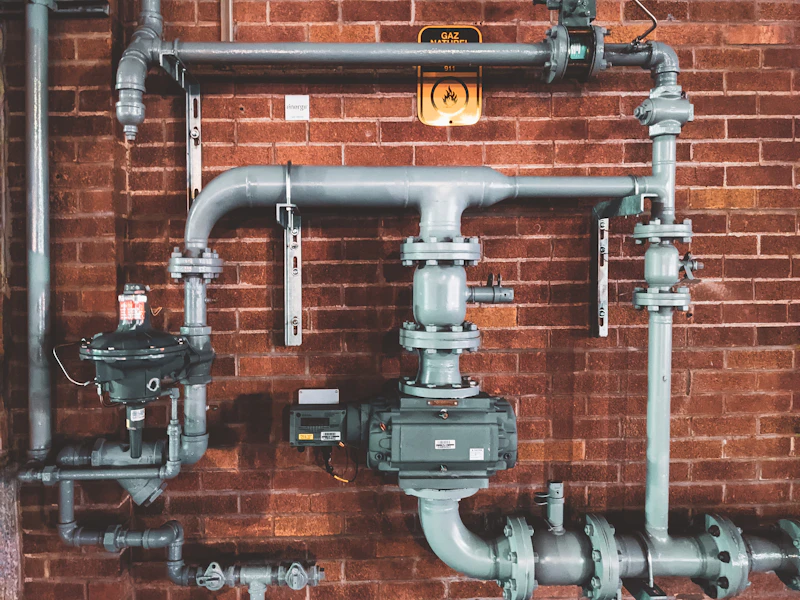
Based on Bureau of Labor Statistics wage data for the San Francisco-Oakland-Berkeley metropolitan area, plumbing in Berkeley costs between $80 and $3,750, with an average of $380.
Plumbing Cost Breakdown — Berkeley, CA
| Service/Item | Low Estimate | Average | High Estimate |
|---|---|---|---|
| Faucet Repair/Replace | $90 | $130 | $210 |
| Toilet Repair | $90 | $140 | $230 |
| Water Heater Install | $1,100 | $1,430 | $2,000 |
| Drain Cleaning | $50 | $80 | $140 |
| Pipe Leak Repair | $150 | $220 | $350 |
| Sewer Line Repair | $1,610 | $2,200 | $3,260 |
Complete Guide to Plumbing in Berkeley
Berkeley’s plumbing realities are shaped as much by its hills and history as by its climate and codes. Whether you're upgrading a 1940s ranch on The Alameda or replacing corroded galvanized lines in a Spanish-style home near Codornices Creek, your plumbing project must account for aging infrastructure, seismic resilience, and environmental extremes.
Coastal fog keeps humidity high near the bay, accelerating corrosion in older copper lines, while inland neighborhoods like Northbrae or Thousand Oaks face summer temperatures exceeding 100°F—putting strain on water heaters and outdoor irrigation systems. Add seasonal wildfire smoke that can delay outdoor work and complicate ventilation during indoor repipes, and it's clear: plumbing here isn’t just about pipes.
The city’s diverse housing stock demands tailored approaches. Stucco-clad homes common in the flats often conceal decades of patchwork plumbing, making access difficult without damaging walls.
Mid-century modern homes in the hills may have undersized waste lines or outdated venting that don’t meet current UPC amendments enforced by the City of Berkeley Building Division. Newer tract developments near Richmond Boulevard may offer easier access but still require compliance with strict water-efficiency standards under California’s Title 24.
Earthquake preparedness is non-negotiable. Homes built before 1980 likely need seismic bracing for water heaters—a code requirement for permits involving plumbing modifications.
Flexible gas connectors and automatic shut-off valves are increasingly common in retrofits, especially in hillside zones prone to ground shifting. These aren’t add-ons; they’re embedded in the cost of doing plumbing right in this region.
Overall, expect plumbing costs in the San Francisco-Oakland-Berkeley metro to run approximately 25% above national averages. Homeowners may also want to compare Plumbing in Los Angeles.
This reflects higher labor rates, stringent permitting, material sourcing challenges during supply disruptions, and the complexity of working within dense urban lots and older construction.
What looks like a simple fixture replacement can quickly involve slab jack repairs, lead abatement testing, or coordination with PG&E for gas line tie-ins—all routine in Berkeley’s renovation landscape. For a nearby comparison, check Plumbing in San Francisco.
Material and Labor Cost Breakdown
In most plumbing jobs across Berkeley, labor accounts for 60–70% of total project costs, with materials making up the remainder.
This split reflects the skill required to navigate tight crawl spaces under raised foundations, retrofit PEX in stucco walls without cosmetic damage, or align new fixtures with historic tile work. Homeowners may also want to compare bathroom remodel costs in Berkeley.
The U.S. Bureau of Labor Statistics reports a mean hourly wage of $36.69 for plumbers nationally, but in this metro area, effective field rates are significantly higher after contractor markup for insurance, tools, vehicle costs, and compliance overhead.
The wide gap between low and high estimates for similar services—say, a slab leak repair or full repipe—typically comes down to access difficulty, material choices, and code upgrades.
A low bid might assume minimal wall demolition and reuse of existing lines, while a higher estimate includes full seismic bracing, upgraded shut-off valves, and relocation of lines away from known fault zones beneath the foundation. Older homes on hilly lots often require additional support framing when trenches are dug, adding both labor and engineering coordination.
Material decisions also drive variance. While copper remains popular for its durability, many Berkeley contractors now recommend PEX for interior runs due to its freeze resistance and ease of installation—critical during rare cold snaps that affect inland zones.
However, local fire codes and homeowner associations may restrict PEX in certain applications, especially in multi-unit buildings or homes with recent wildfire exposure history. All materials must carry CA Green Building Standards compliance, affecting availability and lead times.
Timeline and Scheduling Considerations
Berkeley’s Mediterranean climate creates a de facto peak season for plumbing work from April through October, when dry weather allows for exterior trenching, sewer lateral repairs, and landscape restoration. Interior work is less weather-dependent but often scheduled alongside other renovations during summer months when families are away or homes are vacant between tenants.
- Plan sewer line replacements or slab work in late summer or early fall to avoid winter rain that can flood trenches and delay inspections.
- Schedule water heater upgrades before wildfire season (typically September–November) to ensure emergency shut-offs and proper ventilation are in place.
- Avoid scheduling major repipes during UC Berkeley academic peaks if you live near campus—parking and permit inspections become harder due to increased foot traffic and city staffing demands.
- Book earthquake retrofit plumbing modifications during spring, when contractors have more availability and city inspectors aren’t backlogged from winter storm repairs.
- Coordinate with your plumber early if your home is in a designated Hillside Jurisdiction Zone—these projects require geotechnical reports and longer permitting timelines.
- Local labor rates — Berkeley’s plumbing labor costs are approximately 25% higher than the national average due to the region’s elevated cost of living, strong union presence among tradespeople, and high demand for skilled workers across the Bay Area. With the Bureau of Labor Statistics reporting a local rate of $36.69 per hour, wages reflect the need to attract and retain qualified plumbers in a competitive market.
- Seasonal demand — Plumbing services peak during the dry inland summer months (June–September), especially in East Berkeley and the hills, where temperatures regularly exceed 100°F and older systems fail under stress. Scheduling work during the off-peak winter and spring can save homeowners 10–20% due to lower contractor demand and fewer emergency callouts.
- Project scope — A minor leak repair differs drastically in cost from a full repipe or sewer line replacement. The gap in estimates often comes from hidden damage behind stucco or slab foundations, rerouting pipes through earthquake-retrofitted walls, or upgrading outdated galvanized or polybutylene piping common in mid-century and Spanish-style homes.
- Permits & inspections — In Berkeley, any plumbing job exceeding $500 requires a CSLB-licensed contractor and a permit, with fees typically ranging from $50 to $300. Strict adherence to California’s Title 24 energy code is mandatory, affecting water heater sizing and efficiency requirements, especially in homes undergoing renovation or retrofitting.
- Materials quality — Choosing between builder-grade PVC or PEX versus premium copper or tankless water heater systems can increase material costs by 30–50%. High-end finishes, earthquake-resistant fittings, and drought-efficient fixtures are increasingly common in Berkeley’s eco-conscious housing market.
- Property characteristics — Older ranch homes, stucco-over-wood-frame constructions, and multi-story buildings in neighborhoods like North Berkeley or the flats present access challenges that increase labor time. Homes with slab foundations or retrofitted seismic bracing often require specialized routing, driving up complexity and cost.
- Emergency vs scheduled — After-hours, weekend, or holiday plumbing calls—common during winter storms or sudden pipe failures—can cost 1.5 to 2 times the standard rate. Scheduling non-urgent repairs during regular business hours in mild-weather months helps avoid these premiums.
Emergency rates apply for after-hours calls, especially during winter storms or sudden slab leaks.
To avoid them, invest in annual plumbing inspections, particularly if your home has galvanized or polybutylene piping.
Install smart water meters like Phyn or Flo by Moen, which alert you to small leaks before they become crises—especially valuable in homes with prolonged dry periods followed by heavy winter rains that stress old joints. Related: roofing costs in Berkeley.
Protecting Yourself: Warranties and Guarantees
Reputable Berkeley plumbing contractors offer a minimum one-year labor warranty on repairs and installations, with some providing up to three years for full repipe or seismic retrofit work. See how costs compare: Plumbing in Long Beach.
Material warranties are separate and typically handled by the manufacturer—know whether your PEX, fixture, or water heater carries a lifetime or prorated guarantee. Always request written confirmation of both warranties before work begins.
California law requires all licensed contractors to carry workers’ compensation insurance and a $15,000 contractor’s bond.
Verify license status through the CSLB (Contractor State License Board) website using the contractor’s license number—do not rely on verbal assurances. In Berkeley, many plumbers also carry additional liability coverage due to the high cost of property damage in retrofit scenarios involving slab work or wall demolition.
Before any tools arrive, ensure the following are in writing: scope of work, material specifications (brand, type, gauge), permit responsibility, disposal fees, and exact payment schedule.
Avoid large upfront payments—no more than 10–15% should be paid before work starts. Include language about compliance with Berkeley Municipal Code Chapter 15 (Plumbing Regulations) and the California Plumbing Code, particularly for water-conserving fixtures required in all residential upgrades.
What Affects Plumbing Costs in Berkeley?
What Affects Plumbing Costs in Berkeley?
Homeowners in Berkeley face unique factors that influence plumbing repair and installation costs. From local labor rates to strict energy codes and seasonal demand spikes, understanding these elements helps you plan and budget effectively.
Popular Plumbing Brands in Berkeley
Frequently Asked Questions
How much does plumbing cost in Berkeley, CA?
The average plumbing cost in Berkeley, CA is $380, with prices typically ranging from $80 to $3,750 depending on the job complexity. This reflects the broader San Francisco-Oakland-Berkeley metro area labor rates, where plumbers earn a mean hourly wage of $36.69 according to the U.S. Bureau of Labor Statistics (BLS). Costs can vary significantly based on emergency calls, materials, and system accessibility. Simple repairs like leaky faucets fall on the lower end, while full repipes or slab leak repairs drive costs higher.
Why is plumbing more expensive in Berkeley than the national average?
Plumbing in Berkeley is more expensive due to the region's high cost of living, strict building codes, and elevated labor rates. The BLS reports that plumbers in the San Francisco-Oakland-Berkeley metro earn $36.69 per hour on average—well above the national median. Additionally, compliance with California's Title 24 energy regulations and seismic standards increases labor and material requirements. Limited contractor availability and high demand in the Bay Area also contribute to higher overall costs.
How can I save money on plumbing in Berkeley?
You can save money by scheduling repairs early before small issues become major, costly problems. Obtain multiple quotes from licensed contractors and verify their CA license number through the CSLB website. Avoid emergency surcharges by planning non-urgent work during regular business hours. Choosing preventive maintenance, like annual water heater flushing, can extend fixture life and reduce unexpected breakdowns.
Do I need a permit for plumbing in CA?
Yes, most plumbing work in California requires a permit, including new installations, water heater replacements, and sewer line repairs. Permits ensure work complies with the California Plumbing Code and local municipal regulations. The plumbing contractor is typically responsible for pulling permits and scheduling inspections. Unpermitted work can lead to fines and complications during home sales.
How long does plumbing take in Berkeley?
Simple plumbing repairs like fixing a toilet or unclogging a drain usually take 1–2 hours. Larger jobs such as water heater replacement or repiping a bathroom may take 1–3 days depending on complexity. Older homes with slab foundations or asbestos-lined pipes can extend timelines due to added safety and access challenges. Delays may occur if permits or inspections are needed, especially during peak demand seasons.
What warranty should I expect from a plumbing contractor?
Most reputable plumbing contractors in Berkeley offer a minimum one-year labor warranty on repairs and installations. Manufacturer warranties typically cover fixtures and water heaters for 5–10 years, while tankless units may have longer coverage. Always request the warranty terms in writing and confirm what’s included—some exclude labor or require registration. A solid warranty reflects confidence in workmanship and protects against premature failures.
What's the best time of year for plumbing in Berkeley?
The best time for plumbing work in Berkeley is late summer to early fall (August–October), when demand is lower and contractors may offer better availability or pricing. Winter brings heavy rains and plumbing emergencies, leading to longer wait times and emergency fees. Scheduling during off-peak months can reduce scheduling delays and allow for more thorough inspections. Additionally, indoor plumbing projects are easier to manage when weather isn't a factor.
