How Much Does Plumbing Cost in Oakland, CA?
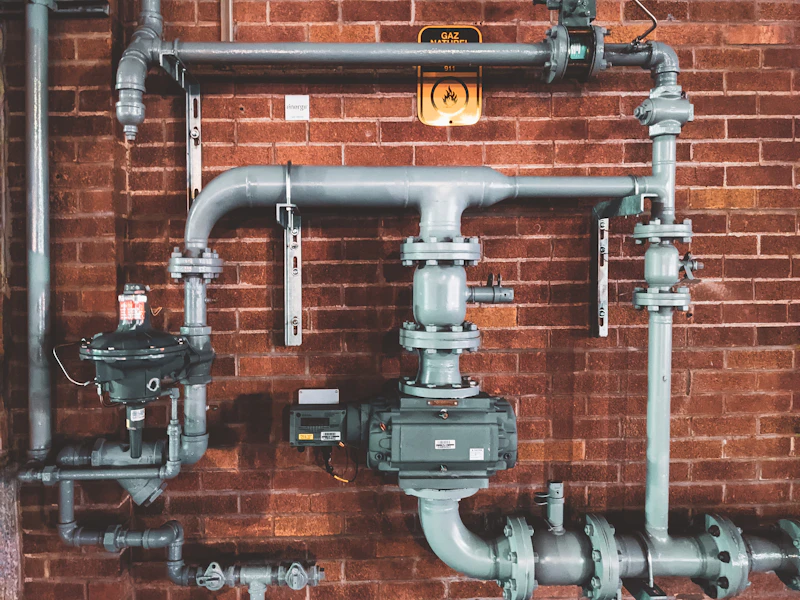
Based on Bureau of Labor Statistics wage data for the San Francisco-Oakland-Berkeley metropolitan area, plumbing in Oakland costs between $80 and $3,750, with an average of $380.
Plumbing Cost Breakdown — Oakland, CA
| Service/Item | Low Estimate | Average | High Estimate |
|---|---|---|---|
| Faucet Repair/Replace | $90 | $130 | $210 |
| Toilet Repair | $90 | $140 | $230 |
| Water Heater Install | $1,100 | $1,430 | $2,000 |
| Drain Cleaning | $50 | $80 | $140 |
| Pipe Leak Repair | $150 | $220 | $350 |
| Sewer Line Repair | $1,610 | $2,200 | $3,260 |
| Service | Average Cost Range | Labor Rate (BLS) | Permit Required? |
|---|---|---|---|
| Leak Repair (interior) | See price summary | $36.69/hr | No (if minor) |
| Water Heater Replacement | See price summary | $36.69/hr | Yes |
| Main Line Repipe | See price summary | $36.69/hr | Yes |
| Bathroom Remodel (plumbing only) | See price summary | $36.69/hr | Yes |
The Oakland Plumbing Market in 2026
Oakland’s plumbing sector is operating at near-peak capacity.
Demand remains high across the metro area, driven by aging infrastructure, seismic retrofitting requirements, and a steady stream of mid-century home renovations in neighborhoods like Montclair, Rockridge, and Temescal. Licensed contractors who can navigate Oakland’s permitting system and meet Title 24 compliance are consistently booked 3–6 weeks out, especially those with strong reviews and CSLB licensing.
The local economy plays a direct role in pricing. With tech employment stabilizing in the East Bay and remote work increasing homeowner investment in home systems, there’s sustained pressure on plumbing services.
At the same time, rising material costs—particularly for copper and PEX—combined with the baseline labor rate of $36.69/hr (per BLS data for the San Francisco-Oakland-Berkeley metro)—keep project costs elevated. Contractors aren’t cutting corners; they’re managing supply chain delays and city inspection backlogs that can stretch timelines.
Trends are shifting toward water efficiency and resilience. Bay Area drought cycles have made low-flow fixtures and greywater systems more common, especially in eco-conscious areas like North Oakland and the Hills.
Tankless water heaters are gaining ground, not just for space savings but because they meet newer energy codes. Smart leak detection systems are no longer luxury add-ons—they’re being integrated into remodels in anticipation of insurance incentives and future code requirements.
How Local Housing Stock Affects Your Costs
The age and style of your home in Oakland directly impact plumbing complexity and cost. The city’s mix of 1920s bungalows, 1950s ranch homes, stucco-clad Spanish revivals, and newer infill developments means no two jobs are identical. Homeowners may also want to compare Plumbing in Los Angeles.
Older homes, especially those built before 1970, often have galvanized steel or cast iron waste lines that are prone to corrosion and root intrusion. Replacing these in a stucco home requires careful wall patching, which adds labor and finish work. For a nearby comparison, check Plumbing in Anaheim.
Ranch homes in East Oakland and Fruitvale frequently have slab foundations, making slab leak repairs invasive and costly. Homeowners may also want to compare roofing costs in Oakland.
Mid-century modern homes in the hills may have copper piping that’s lasted decades—but if it’s failing, rerouting lines around radiant floor heating or exposed beam construction increases labor time. Contractors bill at $36.69/hr on average, but hourly rates can climb when working in tight crawl spaces under homes on stilts in the Oakland Hills, where access is limited and safety protocols are stricter.
Newer tract homes in areas like Ashland or Cherryland often use PEX and modern venting, reducing repair frequency.
But even these can have issues—some builders used undersized water lines to cut costs, leading to low pressure complaints. And in all home types, seismic code upgrades now require flexible gas connectors and water line shutoffs, which are often discovered during inspections and must be retrofitted.
Spanish-style homes with ornate tile and plaster walls add another layer. Cutting into stucco for pipe access requires skilled patching to match texture and color—often subcontracted to specialty finishers.
That coordination adds time and cost. In contrast, newer homes with accessible wall chases and modular plumbing layouts are faster to service, keeping labor hours down.
Permits, Codes, and Regulations in CA
In California, any plumbing job over $500 in materials and labor requires a CSLB-licensed contractor.
This isn’t just a formality—Oakland Building Services and neighboring cities like Berkeley and Alameda enforce this strictly. Unpermitted work discovered during a sale or refinance must be corrected, often at a higher cost, and can delay escrow.
Title 24 is the most aggressive energy code in the nation, and it applies to plumbing-related upgrades.
Replacing a water heater? It must meet efficiency standards and, in new construction, the home must be “solar-ready.” That means proper roof access, conduit runs, and sometimes upgraded electrical panels—even if solar isn’t installed yet. These requirements often surprise homeowners, but they’re non-negotiable in Oakland, where sustainability mandates are tied to city funding and building approvals.
Permits for plumbing work are pulled online through the city’s ePlanCheck system. For a standard water heater replacement, expect a 2–5 day review and a $100–$250 fee. Related: hvac costs in Oakland.
Repipes or new fixtures in a remodel may require plan checks and multiple inspections, stretching the timeline to 2–3 weeks. Skipping permits might save a few hundred dollars upfront, but the consequences are severe: fines, failed inspections, denied insurance claims for water damage, and legal liability when selling. Title companies routinely request Certificate of Occupancy documents, and unpermitted work can void a sale. See how costs compare: Plumbing in Long Beach.
Getting the Best Value on Plumbing
Value in Oakland plumbing isn’t about finding the cheapest bid—it’s about maximizing quality and compliance within your budget. Start by getting 3–4 detailed estimates from CSLB-licensed contractors with local experience.
Avoid cash-only offers; they often cut corners on permits and materials. Instead, ask how they handle city inspections and whether they include warranty service.
Negotiation works best when you’re flexible.
Scheduling non-emergency work in January or February—during the slower winter months—can yield better availability and sometimes bundled pricing. Contractors are more willing to offer small discounts to keep crews working during rainy season lulls, especially on larger projects like whole-house repipes or bathroom retrofits.
Bundling is where real savings emerge. If you’re replacing a water heater, consider upgrading your insulation or adding a recirculation pump at the same time—labor overlaps reduce total hours.
In a kitchen remodel, coordinate plumbing rough-ins with electric and HVAC to avoid redundant wall access. Many Oakland contractors partner with electricians or insulation specialists and pass referral savings to clients. Ask about package deals, especially in neighborhoods like West Oakland or Maxwell Park where full-system upgrades are common.
Finally, invest in documentation. Keep permits, warranties, and as-built diagrams. They protect you at resale and make future repairs faster. In a city where housing turnover is steady and buyers are savvy, having a full plumbing history adds value—and peace of mind.
What Affects Plumbing Costs in Oakland?
What Affects Plumbing Costs in Oakland?
Homeowners in the San Francisco‑Oakland‑Berkeley region face a unique set of factors that shape plumbing prices.
From the high cost of living to the area's seismic requirements, each element can add a noticeable premium to a job. Below is a concise, numbered guide to the most influential cost drivers for plumbing work in Oakland, California.
- Local labor rates — Oakland’s plumbers charge roughly 25 % above the national average. The BLS reports a base labor rate of $36.69 per hour, but the city’s elevated cost of living, strong union presence, and steady demand for skilled trades push hourly wages higher. As a result, even routine repairs can feel pricier than in neighboring inland valleys.
- Seasonal demand — The mild Mediterranean climate means most plumbing work is scheduled year‑round, yet the summer heat wave and wildfire smoke season create spikes in water‑usage‑related issues (e.g., burst pipes, clogged drains). Contractors typically add a 10‑20 % premium during peak months (June‑August) to cover overtime and material back‑orders, while off‑peak periods (late fall) often see modest discounts.
- Project scope — A simple faucet leak versus a full pipe replacement represents a wide cost spectrum. Low‑end estimates cover labor and basic parts, whereas high‑end quotes factor in extensive demolition, re‑routing of lines, and coordination with other trades. The breadth of the scope—especially when walls must be opened or fixtures upgraded—drives the gap between the two extremes.
- Permits & inspections — Any plumbing job exceeding $500 requires a CSLB‑licensed contractor, and many projects also trigger a Title 24 energy‑code review, which is among the strictest in the nation. Permit fees in Oakland typically range from $50 to $300, and the added inspection time can extend the schedule, influencing the overall price.
- Materials quality — Choosing premium components (e.g., PEX‑a tubing, copper‑nibbed fittings, brass fixtures) can increase material costs by 30‑50 % compared with builder‑grade PVC or galvanized steel. Homeowners often weigh durability and water‑efficiency against upfront expense, especially in older Spanish‑style or stucco homes where corrosion resistance matters.
- Property characteristics — Oakland’s housing stock is diverse: ranch‑style bungalows, mid‑century modern homes, and Spanish‑influenced stucco residences each present distinct challenges. Older homes may have concealed, deteriorating pipe runs, while multi‑story properties require additional labor to access upper‑floor plumbing. Limited yard access or narrow alleyways can also add travel and equipment costs.
- Emergency vs. scheduled — After‑hours calls, weekend work, or same‑day emergencies typically command rates 1.5‑2 times the standard hourly charge. The premium compensates plumbers for on‑call availability and the need to mobilize crews quickly, which can be especially costly during the rainy season when water‑related emergencies surge.
Popular Plumbing Brands in Oakland
Frequently Asked Questions
How much does plumbing cost in Oakland, CA?
The typical plumbing job in Oakland runs about $380 on average, with costs ranging from $80 for a simple repair to $3,750 for a major installation. Labor rates in the area are anchored to the BLS reported average of $36.69 per hour, so a two‑hour service will already be near $73 before parts. Material costs, permit fees, and the complexity of the job can push the total toward the upper end of the range. Always ask for a written estimate that breaks down labor, parts, and any additional fees.
Why is plumbing more expensive in Oakland than the national average?
Oakland’s higher cost reflects a combination of the BLS‑cited $36.69 hourly wage and the city’s elevated cost‑of‑living, which drives up wages for licensed plumbers. Permit requirements and stricter building codes in California also add administrative overhead that is passed on to the customer. Additionally, the competitive market and demand for skilled tradespeople in the Bay Area compress profit margins, prompting contractors to charge more to cover their expenses.
How can I save money on plumbing in Oakland?
Start by getting at least three written quotes from licensed local plumbers to compare labor rates and material mark‑ups. Schedule routine maintenance during off‑peak seasons to avoid emergency‑service premiums, which can double the hourly rate. When possible, purchase standard replacement parts yourself and verify that the contractor’s warranty still applies, reducing overall project costs.
Do I need a permit for plumbing in CA?
Yes, most plumbing work that alters the water supply, drainage system, or adds new fixtures requires a permit from the City of Oakland Building Department. Minor repairs, such as fixing a leaky faucet, are generally exempt, but any work involving pipe replacement, new installations, or remodels must be inspected. Failing to obtain the proper permit can result in fines and may void insurance coverage if a problem later arises.
How long does plumbing take in Oakland?
The duration depends on the scope: a simple faucet repair typically takes 1–2 hours, while a full bathroom remodel can require 4–8 hours of labor spread over several days. Using the BLS‑based rate of $36.69 per hour, a two‑hour job would cost roughly $73 in labor alone. Larger projects may also involve scheduling inspections, which can add a day or two to the overall timeline.
What warranty should I expect from a plumbing contractor?
Reputable Oakland plumbers usually offer a one‑year labor warranty that covers workmanship defects, in addition to any manufacturer warranties on parts such as valves or water heaters. The warranty should be provided in writing and detail what is covered, the claim process, and any exclusions. If a contractor does not mention a warranty upfront, ask for clarification before signing the contract.
What's the best time of year for plumbing in Oakland?
Oakland’s mild climate makes plumbing work feasible year‑round, but spring and early fall are often ideal because the weather is stable and water usage is moderate, reducing the risk of unexpected leaks. Winter can bring higher humidity and occasional storms that expose hidden pipe issues, making it a good time for preventative inspections. Planning major projects during the shoulder seasons can also help you avoid the premium rates that sometimes accompany emergency winter repairs.
