How Much Does Plumbing Cost in Anaheim, CA?
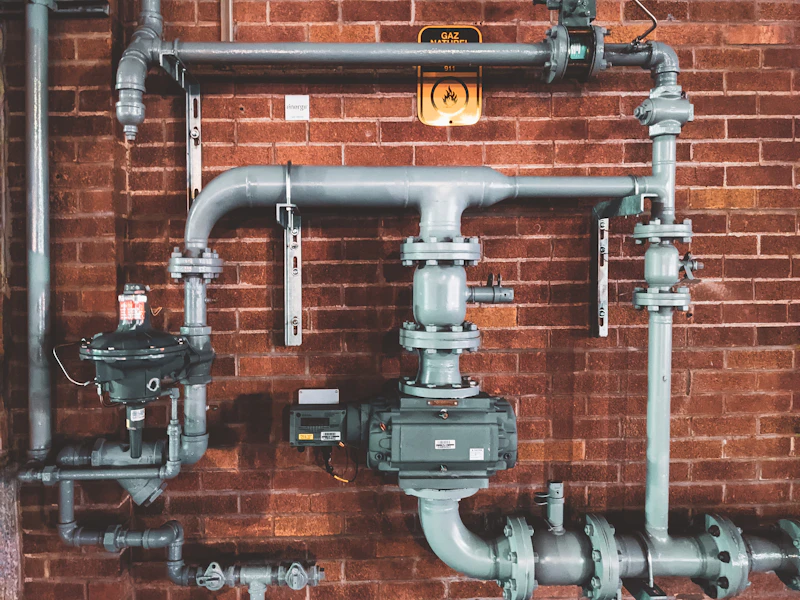
Based on Bureau of Labor Statistics wage data for the Los Angeles-Long Beach-Anaheim metropolitan area, plumbing in Anaheim costs between $80 and $3,750, with an average of $380.
Plumbing Cost Breakdown — Anaheim, CA
| Service/Item | Low Estimate | Average | High Estimate |
|---|---|---|---|
| Faucet Repair/Replace | $90 | $130 | $210 |
| Toilet Repair | $90 | $140 | $230 |
| Water Heater Install | $1,100 | $1,430 | $2,000 |
| Drain Cleaning | $50 | $80 | $140 |
| Pipe Leak Repair | $150 | $220 | $350 |
| Sewer Line Repair | $1,610 | $2,200 | $3,260 |
Is It Time for Plumbing? Warning Signs
When summer heat pushes past 100°F in Anaheim’s inland neighborhoods—especially around East Anaheim and near the 91 Freeway—aging plumbing systems start to show stress.
High temperatures expand pipes, exacerbate existing leaks, and increase water pressure, making midsummer a common time for failures. Coastal influences from Long Beach moderate some areas, but inland zones face harsher conditions, particularly during prolonged dry spells and wildfire smoke seasons that delay outdoor work and strain municipal water systems.
Earthquake retrofitting is another overlooked factor. While plumbing repairs aren’t directly tied to seismic upgrades, older homes in established pockets like Anaheim Hills or those built before the 1994 Northridge quake often need flexible gas connectors and secured water heaters—code requirements that many contractors bundle into plumbing jobs.
- Schedule inspections in early spring (March–April) to catch dry-weather leaks before summer demand spikes and before wildfire season limits outdoor access.
- Avoid late summer (August–September) when HVAC and plumbing demands overlap, increasing wait times and labor availability issues.
- Consider fall (October–November) for non-urgent work—contractors often offer slight scheduling flexibility after peak season.
- Be aware that smoke advisories during fall wildfire events can delay outdoor trenching or sewer line repairs due to air quality restrictions.
- Check for slab leaks in stucco ranch homes and mid-century homes with original plumbing—common in neighborhoods like East Anaheim—especially if you notice warm spots on the floor or unexplained water meter activity.
- Local labor rates
Plumbing labor in Anaheim averages 25% above the national rate, with licensed technicians earning around $36.69 per hour due to California’s high cost of living, strong union presence, and consistent demand across the Los Angeles-Long Beach-Anaheim metro. Skilled labor is limited, and contractors must pay competitive wages, which is reflected in service pricing.
- Seasonal demand
Plumbing demand peaks in late summer when inland valleys like Anaheim regularly exceed 100°F, increasing strain on water heaters and irrigation systems, while wildfire smoke seasons prompt indoor air quality upgrades involving plumbing components. During these high-demand months, service costs can carry a 10–20% seasonal premium compared to the cooler, slower winter months.
- Project scope
A simple leak repair differs drastically in cost from a full repipe or sewer line replacement, with scope complexity driving wide estimate ranges. Hidden damage behind stucco walls or under slab foundations—common in mid-century and Spanish-style homes—can significantly increase labor and material needs.
- Permits & inspections
In Anaheim, any plumbing job over $500 requires a CSLB-licensed contractor and often a permit costing $50–$300, especially for water heater replacements or new fixtures, to comply with California’s strict Title 24 energy code. These regulations ensure safety and efficiency but add time and administrative cost to projects.
- Materials quality
Homeowners choosing premium materials like PEX-A over standard PEX or brass fixtures instead of plastic see a 30–50% difference in total cost. In earthquake-prone Anaheim, flexible PEX and seismic-rated supports are increasingly preferred for durability.
- Property characteristics
Ranch-style homes and stucco-clad properties dominate Anaheim’s housing stock, where limited access behind walls or under slab foundations increases labor time. Older homes may require retrofitting for modern code compliance, especially when upgrading galvanized pipes in mid-century constructions.
- Emergency vs scheduled
After-hours, weekend, or holiday plumbing services—common during sudden slab leaks or water shutoffs—can cost 1.5 to 2 times the standard rate. Scheduling non-urgent repairs during regular business hours avoids these premiums and long wait times common in this high-demand region.
Emergency rates typically apply after 5 PM, on weekends, or during declared weather emergencies. These can add significant premiums.
Avoid them by addressing slow drains, dripping faucets, or fluctuating water pressure immediately—don’t wait for total failure. A small drip under a sink in a Spanish-style home with enclosed cabinetry can lead to dry rot in weeks during dry heat.
What Drives Price Differences Between Contractors
Plumbing costs in Anaheim aren’t just about pipe and labor—they reflect the city’s mix of housing styles, climate stressors, and labor economics.
The Bureau of Labor Statistics reports a local plumber’s average wage at $36.69/hr, but fully burdened field rates (including insurance, fleet, tools, and overhead) push effective costs higher. Contractors typically apply a markup to cover these, plus project management and permitting. Homeowners may also want to compare Plumbing in Los Angeles.
Expect prices to run about 25% above the national average—not just due to labor, but because of material handling in dense neighborhoods, stucco wall access challenges, and compliance with strict California plumbing codes like Title 24 and AB 1953 (low-lead requirements). Older ranch homes and mid-century modern builds often have outdated galvanized or polybutylene piping, requiring full repiping that’s more invasive than in newer tract developments with accessible slab-edge plumbing. For a nearby comparison, check Plumbing in San Francisco.
Construction type matters. Spanish-style homes with thick stucco walls require careful cutting and patching, increasing labor hours. Homeowners may also want to compare roofing costs in Anaheim.
Newer communities like Canyon Ridge or Seven Bridges have better access, but still face high utility coordination costs due to underground easements and HOA restrictions. Earthquake-prone zones add demand for seismic-rated fittings and flexible connectors, especially in homes with gas appliances.
Contractor pricing varies based on licensing depth, fleet readiness, and whether they employ union vs. non-union crews.
Some firms specialize in retrofitting older homes near Anaheim Stadium or in historic districts, commanding higher rates for code-compliant upgrades. Others focus on fast-turnaround fixture replacements in post-1980 subdivisions, offering lower margins but less customization.
Financing Options for Plumbing in CA
Major plumbing work—like repiping a 1950s ranch home or replacing a sewer line under a concrete driveway—often exceeds typical household budgets.
Most established plumbing contractors in Anaheim offer in-house payment plans, typically 12–24 months with interest, or partner with lenders for 0% financing if paid within 6–12 months. These are most useful for unexpected repairs, like slab leaks in homes near the Santa Ana River, where costs can escalate quickly.
Home equity loans or HELOCs are strong options if you’re planning multiple upgrades.
With Anaheim’s median home value, many owners have substantial equity, and using it for plumbing can offer tax-advantaged interest (consult a tax advisor). Personal loans from credit unions like SchoolsFirst FCU or Anaheim Employees FCU are viable for smaller jobs, especially if you have strong credit and want to avoid tapping home equity.
Financing makes sense when the repair prevents further damage—say, replacing corroded pipes before a burst flood ruins flooring—or when bundling with other upgrades like water heater replacement or drought-resistant landscaping. Related: hvac costs in Anaheim.
Paying cash is ideal for minor repairs or when you can time the job during a contractor’s off-peak window. But for projects over several thousand dollars, spreading payments can preserve liquidity without sacrificing quality. See how costs compare: Plumbing in Long Beach.
How to Avoid Overpaying in Anaheim
Overpaying often comes from incomplete bids or missed scope—not inflated hourly rates.
Start by getting at least three detailed estimates that break down labor, materials, and access requirements, especially for stucco or slab-embedded systems. Ask if the quote includes drywall repair, painting, or tile work after pipe access—common omissions in Anaheim bids.
Negotiate based on timing and bundling. Offer to schedule a sewer line inspection in October, when demand drops, and ask if combining it with a water heater flush or gas line check earns a package discount. Many contractors in the 92806 or 92807 ZIPs will reduce margins to fill slow weeks.
Take advantage of seasonal flexibility. Late fall, after Halloween and before holiday events, sees lower demand. Some firms offer “maintenance specials” during this window, especially if they’re trying to meet annual revenue targets.
Bundling is powerful in neighborhoods with aging infrastructure.
If you're replacing a water heater, consider upgrading shut-off valves or adding a whole-house filter—many Anaheim plumbers will discount add-ons when done simultaneously. In newer developments like Eastlawn, where utility corridors are shared, coordinating with neighbors on main line inspections can split costs and reduce per-home pricing.
| Factor | Impact on Cost | Local Example |
|---|---|---|
| Stucco wall access | Increases labor by 15–25% | Spanish-style homes in Old Towne Anaheim |
| Slab leak in older home | Requires detection + partial demo | Ranch homes near Brookhurst St. |
| Earthquake retrofit compliance | Adds fittings and inspection | Homes built pre-1994 |
| HOA or permit delays | Extends job timeline | Tract communities in North Anaheim |
What Affects Plumbing Costs in Anaheim?
What Affects Plumbing Costs in Anaheim?
Homeowners in Anaheim face unique factors that influence plumbing repair and installation costs. From labor rates shaped by Southern California’s high cost of living to seasonal demand spikes during inland heatwaves, understanding these variables helps manage expectations and budget effectively.
Popular Plumbing Brands in Anaheim
Frequently Asked Questions
How much does plumbing cost in Anaheim, CA?
Plumbing costs in Anaheim, CA average $380, with prices typically ranging from $80 to $3,750 depending on the job's complexity. Labor rates align with the Bureau of Labor Statistics (BLS) data, averaging $36.69 per hour for plumbers in the Los Angeles-Long Beach-Anaheim metro area. Common services like fixing a leaky faucet or unclogging a drain fall on the lower end, while full repipes or water heater installations drive costs higher. These figures reflect local living expenses and demand for licensed professionals.
Why is plumbing more expensive in Anaheim than the national average?
Plumbing in Anaheim is costlier than the national average due to higher local wages, cost of living, and strict California building codes requiring licensed professionals. The BLS reports plumber wages in the LA-Long Beach-Anaheim metro at $36.69/hr, above the national mean, which directly impacts service pricing. Additionally, compliance with state regulations, permit requirements, and insurance costs contribute to increased overhead for contractors. Demand for plumbing services in densely populated Orange County also sustains higher market rates.
How can I save money on plumbing in Anaheim?
You can save money by scheduling repairs early before minor issues become costly emergencies, such as addressing dripping faucets or slow drains promptly. Getting multiple quotes from licensed contractors helps ensure competitive pricing within the $80–$3,750 average range. Consider bundling services like sewer line inspection with drain cleaning to reduce labor time and costs. Avoid unlicensed workers to prevent code violations, but verify credentials to ensure you're paying fair rates aligned with the BLS-reported $36.69/hr standard.
Do I need a permit for plumbing in CA?
Yes, most plumbing work in California requires a permit, including water heater installations, repiping, and new fixture additions, to ensure compliance with the California Plumbing Code. Permits are typically pulled by licensed contractors and verified through local building departments in Anaheim. Minor repairs like fixing a toilet or replacing a faucet usually don't require permits. Failure to obtain required permits can result in fines and complications during home sales.
How long does plumbing take in Anaheim?
Simple plumbing repairs like fixing leaks or unclogging drains typically take 1–2 hours in Anaheim homes. Larger jobs such as water heater replacement or slab leak repair can take 4–8 hours or more, depending on accessibility and permitting. Delays may occur if parts need to be ordered or if hidden damage is discovered behind walls or under foundations. Work duration aligns with regional labor standards based on BLS data showing $36.69/hr for local plumbers.
What warranty should I expect from a plumbing contractor?
Most reputable plumbing contractors in Anaheim offer a minimum one-year labor warranty on installations and repairs, in addition to manufacturer warranties on parts and equipment. For example, a new water heater may come with a 6-year parts warranty and 1-year labor coverage. Always request warranty terms in writing before work begins to ensure accountability. These standards support consumer protection and reflect industry norms in the Los Angeles-Long Beach-Anaheim metro area.
What's the best time of year for plumbing in Anaheim?
The best time for plumbing work in Anaheim is during late fall or winter, when demand is lower and contractors may offer more competitive scheduling or modest rate flexibility. Summer months see higher demand due to vacation rentals and home improvement projects, potentially increasing wait times and service costs. Cooler, off-peak seasons allow for more thorough work without the rush, especially for extensive jobs like repiping. Labor rates remain consistent with the BLS-reported $36.69/hr, but timing can improve availability and service quality.
