How Much Does Roofing Cost in Anaheim, CA?
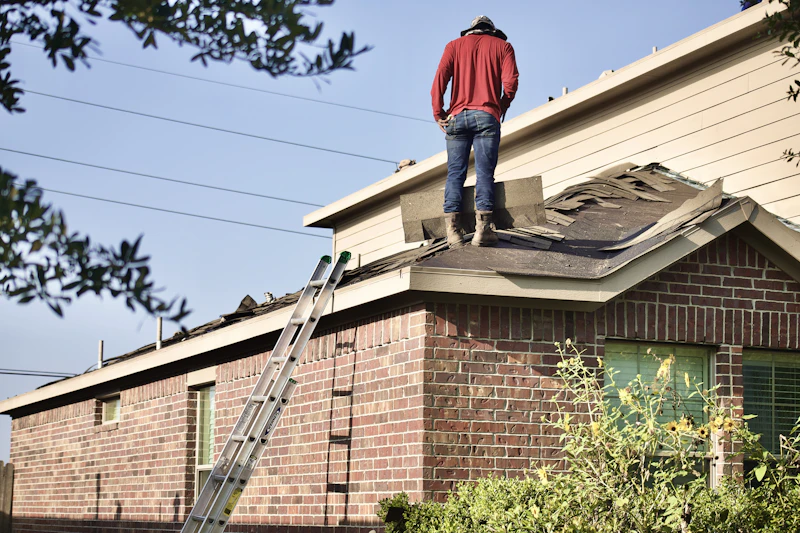
Based on Bureau of Labor Statistics wage data for the Los Angeles-Long Beach-Anaheim metropolitan area, roofing in Anaheim costs between $2,370 and $16,700, with an average of $5,760.
Roofing Cost Breakdown — Anaheim, CA
| Service/Item | Low Estimate | Average | High Estimate |
|---|---|---|---|
| Asphalt Shingles (per sq) | $130 | $180 | $280 |
| Metal Roofing (per sq) | $350 | $470 | $680 |
| Flat Roof Repair | $250 | $360 | $550 |
| Full Replacement (2,000 sq ft) | $4,340 | $5,760 | $8,200 |
| Roof Inspection | $20 | $40 | $70 |
| Gutter Installation (per ft) | $10 | $10 | $20 |
Roofing in Anaheim isn’t just about keeping the sun out—it’s about building resilience against extreme heat, wildfire fallout, and the subtle creep of seismic risk.
With summer highs regularly hitting 100°F in inland pockets like East Anaheim and tight local codes that demand solar-readiness, your roof is doing more than ever. That means materials, labor, and compliance all shape what you’ll pay—often 25% above national averages.
Why Roofing Costs Vary in Anaheim
Roofing costs here reflect a high-cost labor market and demanding environmental conditions.
According to the Bureau of Labor Statistics, roofers in this metro area earn a median wage of $28.17 per hour—among the highest in the country.
Contractors typically apply a 20–35% markup on labor and materials to cover insurance, equipment, permitting, and project management, pushing total project costs higher than in regions with lower overhead. Homeowners may also want to compare Roofing in Los Angeles.
Anaheim’s climate splits the difference between coastal Mediterranean mildness and inland desert heat. For a nearby comparison, check Roofing in San Francisco.
Homes in neighborhoods like Anaheim Hills face prolonged UV exposure and temperatures that degrade asphalt faster, requiring more durable underlayment and impact-resistant shingles.
Meanwhile, wildfire season—peaking from late summer through fall—means soot buildup, ember exposure, and post-fire insurance claims that strain roofing availability and pricing. Homeowners may also want to compare kitchen remodel costs in Anaheim.
Seismic concerns add another layer.
While not on a major fault line, Anaheim falls within Zone 4 for earthquake risk, prompting many contractors to reinforce roof-to-wall connections during re-roofing—especially on older ranch homes and mid-century builds.
Spanish-style homes with clay tile roofs are common in central neighborhoods like Anaheim Village, where fragile tiles require specialized handling and matching, increasing labor time and material costs. Related: bathroom remodel costs in Anaheim.
Stucco construction dominates the area, meaning roof flashing and eave integration must be meticulously detailed to prevent moisture intrusion behind walls.
Newer tract developments in Anaheim Hills and East Lake follow strict Title 24 energy codes, often requiring cool roofing materials or radiant barriers—further raising material specs and installation complexity. See how costs compare: Roofing in Long Beach.
Comparing Quotes: Budget vs. Mid-Range vs. Premium
| Feature | Budget | Mid-Range | Premium |
|---|---|---|---|
| Materials | 3-tab asphalt shingles, basic underlayment | Architectural shingles, synthetic underlayment, drip edge | Impact-rated Class 4 shingles or clay tile, ice & water shield on eaves, radiant barrier decking |
| Warranty | 10-year labor, manufacturer shingle warranty only | 15-year labor, enhanced shingle warranty with algae resistance | 25-year labor, full system warranty including flashings and ventilation |
| Workmanship | Basic installation, minimal flashing upgrades | Code-compliant flashing, ridge venting, drip edge installed | Custom flashing at chimneys and valleys, full attic ventilation system, solar-ready layout |
| Timeline | 3–5 days, possible subcontractor turnover | 5–7 days, consistent crew, daily cleanup | 7–10 days, detailed inspections, coordination with solar or HVAC if needed |
| Permit & Code Compliance | Basic permit pulled, minimal Title 24 attention | Full permit, meets current energy code for ventilation | Full compliance with Title 24, solar-ready framing, earthquake tie-downs if required |
| Best For | Short-term ownership, rental properties | Homeowners planning 5–10 year stay | Long-term equity building, high-wind or fire-prone zones |
Seasonal Pricing Patterns in CA
Roofing in Anaheim isn’t bound by snow seasons, but by heat, fire, and permitting cycles. Late spring through early fall sees peak demand—especially June to August—when homeowners want work done before wildfire season spikes. That’s also when labor is tight and scheduling stretches out.
- Target September to November for better availability and softer pricing—after summer rush, before winter rains set in.
- Avoid December through February if possible; while it’s technically off-peak, winter storms can delay work and trigger emergency call-out fees for leak repairs.
- Emergency rates apply during and immediately after wildfire events or El Niño rains—when roofs fail from ash buildup or water intrusion. Proactive inspections in spring can prevent costly off-schedule repairs.
- Contractors are most flexible in October and early November, often offering small discounts to maintain crew employment before year-end slowdowns.
- Plan solar integration early—Title 24 requires new roofs on homes with solar permits to be “solar-ready,” so coordination with electricians before roofing starts avoids rework.
- Verify active CSLB license number and check for disciplinary history at cslb.ca.gov. Confirm they carry workers’ comp and general liability insurance—request certificates.
- Ask if they pull permits directly. In Anaheim, Fullerton, and Orange, roofing permits are filed online through the city portal—contractors should provide the permit number and inspection schedule.
- Require a written scope detailing materials, flashing details, disposal fees, and cleanup. Vague estimates often lead to change orders.
- Ask how they handle tile matching on Spanish-style homes. Premium contractors source from regional salvage yards or blend new tiles with sealant tinting.
- Confirm they install drip edge and ice & water shield on eaves—even in Southern California, Title 24 mandates it for wind-driven rain zones.
- Request recent local references, especially in neighborhoods like Anaheim Hills or East Lake where slope and material challenges differ from flat tracts.
- Local labor rates — Anaheim roofing labor averages 25% above the national rate due to high regional cost of living, strong union presence in construction trades, and sustained demand from both new builds and retrofitting. With BLS reporting area wages at $28.17/hr, skilled labor commands premium pay, especially for licensed contractors.
- Seasonal demand — Roofing peaks in late spring through early fall when dry weather allows for safe, uninterrupted work, driving up contractor availability and pricing. Homeowners who schedule during off-peak months (winter and early spring) can avoid 10–20% seasonal premiums common during summer months.
- Project scope — A minor repair for wind or rain damage may involve patching and flashing replacement, while full roof replacements require full tear-off, underlayment upgrades, and disposal fees. The gap between low and high estimates often reflects hidden structural damage, decking replacement, or added ventilation needs common in older homes.
- Permits & inspections — California State License Board (CSLB) regulations require licensed contractors for any job over $500. All roofing work must comply with Title 24, the nation’s strictest energy code, which may require radiant barriers or cool roofing materials—impacting both design and cost. Permit fees typically range from $50 to $300 depending on project size.
- Materials quality — Builder-grade asphalt shingles are common in tract homes, but premium options like Class A fire-rated composition shingles, clay tile (popular on Spanish-style homes), or metal roofing cost 30–50% more. In wildfire-prone areas near the hills, fire-resistant materials are increasingly standard.
- Property characteristics — Ranch homes and mid-century builds with low-slope roofs are easier to access, while multi-story homes or those on sloped lots in neighborhoods like Anaheim Hills increase labor time and safety requirements. Stucco construction and tile roofs—common in Spanish and Mediterranean styles—require specialized handling during repairs.
- Emergency vs scheduled — Storm damage or sudden leaks often require after-hours or weekend service, where rates can be 1.5 to 2 times higher than standard scheduling. Planning inspections and repairs proactively avoids costly emergency markups, especially during wildfire smoke seasons or winter rains.
Hiring the Right Contractor in Anaheim
In California, any job over $500 in labor and materials requires a CSLB-licensed contractor. Unlicensed workers can’t pull permits, and cities like Anaheim enforce this strictly.
Worse, unpermitted work invalidates warranties and can derail escrow during resale. Title 24 energy compliance is non-negotiable—especially for attic ventilation, radiant barriers, and solar readiness—and only licensed pros can certify adherence.
Red flags include cash-only demands, refusal to provide a written contract, or pressure to sign same-day. During estimates, ask: “Will this roof meet current Title 24 ventilation requirements?” and “Are seismic straps or hurricane clips included if required by zone?” If they hesitate, keep looking. In Anaheim, the cheapest quote often costs more in the long run.
What Affects Roofing Costs in Anaheim?
What Affects Roofing Costs in Anaheim?
Roofing costs in Anaheim, CA, are shaped by a mix of local labor economics, climate demands, and regulatory standards unique to the Los Angeles-Long Beach-Anaheim metro. Here’s what homeowners should know:
Popular Roofing Brands in Anaheim
Frequently Asked Questions
How much does roofing cost in Anaheim, CA?
The average roofing cost in Anaheim, CA is $5,760, with prices typically ranging from $2,370 to $16,700 depending on roof size, materials, and labor. This reflects the higher cost of living and labor rates in the Los Angeles-Long Beach-Anaheim metro area. According to the Bureau of Labor Statistics (BLS), roofers in this region earn an average hourly wage of $28.17, contributing to overall project costs. Premium materials and complex roof designs can push prices toward the upper end of the range.
Why is roofing more expensive in Anaheim than the national average?
Roofing in Anaheim is more expensive due to higher labor costs, local building codes, and material transportation expenses in the densely populated metro area. The BLS reports that roofers in this region earn $28.17 per hour, above the national average, reflecting the elevated cost of living. Additionally, strict California regulations and permit requirements add administrative and compliance costs. Premium materials and the need for weather-resistant installations further increase expenses compared to national averages.
How can I save money on roofing in Anaheim?
You can save money by scheduling roof replacement during the off-season, such as late fall or early winter, when contractors may offer discounts due to lower demand. Getting multiple bids from licensed, insured contractors helps ensure competitive pricing based on the local average of $5,760. Choosing cost-effective materials like asphalt shingles instead of tile or metal can reduce costs without sacrificing durability. Regular maintenance can also extend your roof's life, delaying the need for full replacement.
Do I need a permit for roofing in CA?
Yes, most roofing projects in California, including Anaheim, require a permit from the local building department to ensure compliance with state and municipal codes. Permits are typically required for roof replacements, structural repairs, and re-roofing projects, but not always for minor repairs. Your licensed contractor should handle the permit application process and include associated fees in the project estimate. Failure to obtain a permit can result in fines or issues when selling your home.
How long does roofing take in Anaheim?
A typical roof replacement in Anaheim takes 2 to 5 days, depending on the size and complexity of the roof, weather conditions, and material availability. Smaller homes with simple roof designs may be completed in as little as one to two days, while larger homes or those with tile or custom materials can take longer. Delays can occur due to unexpected structural damage or permitting issues. Most reputable contractors aim to minimize disruption while adhering to strict California building standards.
What warranty should I expect from a roofing contractor?
You should expect at least a 5-year labor warranty from a licensed roofing contractor in Anaheim, though many offer 10 years or more depending on the company and materials used. Manufacturer warranties typically cover materials for 20 to 50 years, especially for asphalt shingles or tile. Always get the warranty in writing and verify what is covered, such as leaks, workmanship, or storm damage. Given the $28.17/hr BLS wage rate, higher labor costs justify ensuring strong labor coverage.
What's the best time of year for roofing in Anaheim?
The best time for roofing in Anaheim is late fall to early winter, between November and February, when temperatures are mild and rainfall is minimal, allowing for safer, more efficient installations. Contractors often have more availability during this off-season, potentially leading to lower labor costs or scheduling flexibility. Avoid summer months when high heat can make shingle installation more difficult and increase labor fatigue. Since Anaheim has a relatively stable climate, roofing can be done year-round, but scheduling during slower periods may save money and reduce wait times.
