How Much Does Roofing Cost in Long Beach, CA?
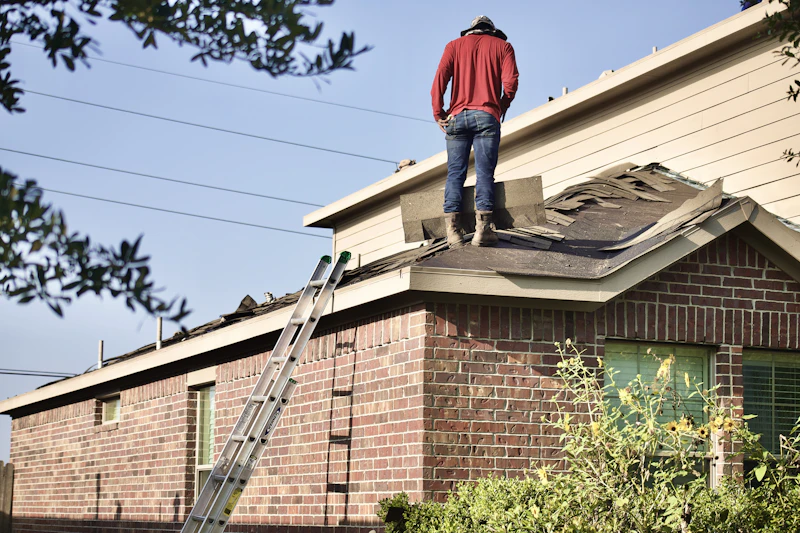
Based on Bureau of Labor Statistics wage data for the Los Angeles-Long Beach-Anaheim metropolitan area, roofing in Long Beach costs between $2,370 and $16,700, with an average of $5,760.
Roofing Cost Breakdown — Long Beach, CA
| Service/Item | Low Estimate | Average | High Estimate |
|---|---|---|---|
| Asphalt Shingles (per sq) | $130 | $180 | $280 |
| Metal Roofing (per sq) | $350 | $470 | $680 |
| Flat Roof Repair | $250 | $360 | $550 |
| Full Replacement (2,000 sq ft) | $4,340 | $5,760 | $8,200 |
| Roof Inspection | $20 | $40 | $70 |
| Gutter Installation (per ft) | $10 | $10 | $20 |
Complete Guide to Roofing in Long Beach
Long Beach homeowners know their roofs face a unique mix of coastal salt air, inland heat domes, and seasonal wildfire fallout.
Whether you're replacing a 1950s ranch-style tile roof or upgrading a Spanish-revival stucco home near the Bluff Park area, your roofing decision impacts not just curb appeal but long-term resilience. The city’s mix of vintage construction and newer developments—many built on soft soils near the coast—means roofing isn’t just about shingles or tiles; it’s about structural readiness, wind uplift resistance, and fire-rated underlayment compliance.
The local climate splits sharply across zip codes. Coastal areas like Naples and Alamitos Beach see mild, fog-buffered summers, but just 10 miles inland in East Long Beach or Lakewood, temperatures regularly hit 100°F+ during summer heatwaves.
That heat accelerates asphalt shingle degradation and expands metal flashing, leading to premature wear.
Add in seasonal wildfire smoke from the San Gabriel or Cleveland National Forests, and soot buildup on tile and metal roofs becomes a recurring maintenance factor. Many homes—especially mid-century builds in Bixby Knolls or Los Altos—also require seismic retrofitting before re-roofing, particularly if the existing structure lacks proper tie-downs or shear walls.
Housing styles further shape roofing needs. Spanish-tile roofs dominate in vintage neighborhoods like Belmont Heights and Signal Hill, while newer tract homes in California Heights often use composite or lightweight concrete tiles.
Stucco construction is widespread, and improper roof-to-wall flashing is a common source of moisture intrusion.
Contractors here must understand how to integrate modern underlayment systems with older, less breathable wall assemblies. Homeowners may also want to compare Roofing in Los Angeles.
Pricing in Long Beach runs about 25% above national averages due to higher labor costs, strict permitting requirements from the City of Long Beach Development Services, and the need for fire-resistant materials under CA Building Code Title 24.
These factors, combined with transportation logistics in a dense urban corridor, push project costs upward—even for standard replacements. For a nearby comparison, check Roofing in San Francisco.
Material and Labor Cost Breakdown
In Long Beach, roofing projects typically split 60% to 70% toward materials and 30% to 40% toward labor. Homeowners may also want to compare kitchen remodel costs in Long Beach.
This tilt reflects the high cost of fire-rated underlayment, Class A fire-resistant tiles, and impact-rated shingles—especially on larger homes in high-wind zones near the coast. Labor rates start with the Bureau of Labor Statistics base of $28.17/hr for roofers, but local contractors apply a 65% to 100% markup to cover workers’ comp insurance (required in California), equipment transport across congested freeways, and compliance with Cal/OSHA fall protection rules on steep-slope jobs.
The wide gap between low and high estimates often comes down to scope transparency. A low bid may skip tear-off of existing layers, assume no decking repairs, and use basic three-tab shingles.
A high-end estimate includes full deck inspection and replacement of rotten sheathing—common in older homes with decades of patchwork repairs. It may also factor in required upgrades: for example, installing ridge vents to meet energy code, or adding ice-and-water shield along eaves even in a mild climate, because insurers like State Farm or Farmers now demand it for policy renewal.
Other cost drivers include roof complexity. A simple gable roof on a post-1980 tract home costs less than a multi-level Spanish tile roof with ornate parapets and copper flashing in the Bluff Park Historic District.
Tile removal alone can double labor hours due to fragility and disposal fees at the Long Beach Landfill on Cherry Avenue. And if your home sits on a narrow lot with limited access—common in densely built areas like North Long Beach—crane use or manual material hauling adds to the bill.
Timeline and Scheduling Considerations
Roofing in Long Beach is best scheduled during the dry season, but timing involves trade-offs.
The coastal Mediterranean climate offers long stretches of stable weather from May through October, but this is peak demand. Contractors book out 8 to 12 weeks in advance, and material delivery delays are common due to port congestion at the Port of Long Beach affecting supply chains.
- Schedule tear-off work in late spring or early fall to avoid summer heat extremes that warp asphalt shingles during installation.
- Avoid September and October if possible—wildfire smoke from regional fires can ground crane operations and delay inspections due to poor air quality alerts from the South Coast Air Quality Management District.
- Book early if your home is in a seismic retrofit zone; structural upgrades must be permitted and inspected before roofing can begin, adding 3–6 weeks to the timeline.
- Coordinate with your HOA if you're in a planned community like Los Altos or Lakewood—some require pre-approval of tile color and disposal methods.
- Request a weather clause in your contract that pauses work during Santa Ana wind events, which can exceed 40 mph and make scaffolding unsafe.
- Local labor rates — Roofing labor in Long Beach averages 25% above the national rate due to high regional costs of living, strong union presence in construction trades, and sustained demand for skilled workers across the densely populated South Coast region.
- Seasonal demand — Peak roofing season aligns with the dry months from May to October, when homeowners prepare for winter rains; during this period, contractors often charge 10–20% more due to high demand, while off-peak work (winter/spring) may offer better availability and pricing.
- Project scope — A simple repair like fixing a leak or replacing a few damaged shingles costs significantly less than a full tear-off and replacement; the gap in estimates often reflects hidden damage from moisture, underlayment upgrades, or structural decking repairs common in older coastal homes.
- Permits & inspections — California State License Board (CSLB) rules require a licensed contractor for any job over $500, and all roofing work must comply with California’s Title 24 Energy Efficiency Standards—the strictest in the U.S.—which can influence ventilation and radiant barrier requirements; permit fees typically range from $50 to $300 depending on project size.
- Materials quality — Builder-grade asphalt shingles cost noticeably less than premium architectural shingles, clay tile, or fire-resistant Class A materials like concrete tile or metal, with price differences ranging from 30% to 50%; in wildfire-prone areas near the inland valleys, fire-rated materials are increasingly preferred.
- Property characteristics — Roofing costs rise with home complexity—common in Long Beach’s mix of mid-century ranch homes, Spanish-style stucco houses, and multi-story buildings—where steep pitches, limited access, or intricate rooflines increase labor time and safety requirements.
- Emergency vs scheduled — Emergency roofing after storm damage or sudden leaks often incurs after-hours or weekend rates that can be 1.5 to 2 times higher than standard pricing, especially during heavy rain events or wildfire smoke seasons that accelerate wear.
Emergency rates apply when storm damage or sudden leaks require immediate tarping and repair. Related: bathroom remodel costs in Long Beach.
These calls—common after rare winter downpours or El Niño events—can cost 2–3 times standard labor rates.
Avoid them by scheduling proactive inspections every 3–5 years, especially if your roof is over 15 years old and near mature eucalyptus or palm trees that shed debris into gutters. See how costs compare: Roofing in Anaheim.
Protecting Yourself: Warranties and Guarantees
In California, roofing labor warranties should be at least 3 years, though many reputable Long Beach contractors offer 5.
Material warranties come from manufacturers—GAF, Owens Corning, or Boral—but read the fine print: full coverage often requires certified installation and may be voided if ventilation or flashing doesn’t meet code. For tile roofs, ensure the warranty covers freeze-thaw cycles, even in mild climates, because condensation under tiles can cause spalling over time.
Always verify that your contractor carries a valid California CSLB license, workers’ comp insurance (ask for the Certificate of Insurance with your job address listed), and general liability coverage of at least $1 million. The CSLB’s “Check the License Status” tool is essential—unlicensed operators are common after storms and often skip required inspections.
Put these items in writing before work starts: exact material specifications (including underlayment type and fastener schedule), debris removal method (dumpster placement, driveway protection), and timeline with milestones.
For homes in historic districts or with stucco exteriors, include a clause requiring daily cleanup to prevent alkaline runoff from damaging landscaping. Never pay more than 10% down—California law limits initial deposits to prevent contractor scams.
What Affects Roofing Costs in Long Beach?
What Affects Roofing Costs in Long Beach?
Homeowners in the Los Angeles-Long Beach-Anaheim metro area face unique factors that influence roofing costs. From coastal weather patterns to strict building codes, understanding these variables helps ensure informed decisions when budgeting for roof repairs or replacements.
Popular Roofing Brands in Long Beach
Frequently Asked Questions
How much does roofing cost in Long Beach, CA?
The average roofing cost in Long Beach, CA is $5,760, with prices typically ranging from $2,370 to $16,700 depending on roof size, materials, and labor. This reflects the higher cost of living and labor rates in the Los Angeles-Long Beach-Anaheim metro area. According to the Bureau of Labor Statistics (BLS), roofers in this region earn an average hourly wage of $28.17, contributing to overall project costs. Factors like roof pitch, accessibility, and material choices (e.g., asphalt shingles vs. tile) also influence the final price.
Why is roofing more expensive in Long Beach than the national average?
Roofing in Long Beach is more expensive due to higher labor costs, local building codes, and material transportation expenses in the densely populated metro area. The BLS reports that roofers in this region earn $28.17 per hour, above the national average, reflecting the region's elevated cost of living. Additionally, strict California building regulations and seismic requirements can increase installation complexity and material standards. Urban logistics, such as permit fees and disposal costs for old materials, also contribute to higher overall pricing.
How can I save money on roofing in Long Beach?
You can save money by scheduling roof replacement during the off-season, such as late winter, when contractors may offer lower rates due to reduced demand. Opting for standard asphalt shingles instead of premium materials like tile or metal can significantly reduce costs while maintaining durability. Getting multiple bids from licensed, insured contractors helps ensure competitive pricing based on the local average of $5,760. Also, timing replacements before major damage occurs can prevent costly emergency repairs and structural issues.
Do I need a permit for roofing in CA?
Yes, most roofing projects in California, including repairs and replacements, require a permit from your local building department to ensure compliance with state and local building codes. Permits are typically needed for structural changes, re-roofing, or adding new roofing layers, and the contractor is usually responsible for pulling them. Failure to obtain a permit can result in fines and complications when selling your home. Always verify that your contractor includes permit acquisition in their service and provides documentation.
How long does roofing take in Long Beach?
A typical roof replacement in Long Beach takes 2 to 5 days for an average-sized home, depending on the roof's complexity, weather conditions, and material type. Simpler asphalt shingle roofs can often be completed in 2–3 days, while tile or custom installations may take longer. Unforeseen issues like rot or structural damage can extend the timeline. Contractors in the area generally work efficiently, but scheduling may be impacted during peak seasons due to high demand.
What warranty should I expect from a roofing contractor?
A reputable roofing contractor in Long Beach should offer a labor warranty of 2 to 10 years, covering workmanship, in addition to the manufacturer's warranty on materials, which can range from 10 to 50 years. Always ask for warranty details in writing, including what's covered and any required maintenance. Some contractors offer prorated warranties that decrease in value over time. Given the local average cost of $5,760, it's important to choose a contractor who stands behind their work with a solid, transferable warranty.
What's the best time of year for roofing in Long Beach?
The best time for roofing in Long Beach is late winter to early spring (February to April), when weather is typically dry and mild, minimizing delays from rain. Contractors may also have more availability during this off-peak period, potentially leading to better pricing and scheduling flexibility. Since Long Beach has a relatively stable climate, roofing can occur year-round, but summer brings higher demand and heat, which can slow work and increase labor costs. Planning ahead during the quieter months can help you avoid seasonal price hikes and long wait times.
