How Much Does Bathroom Remodel Cost in Sanford, FL?
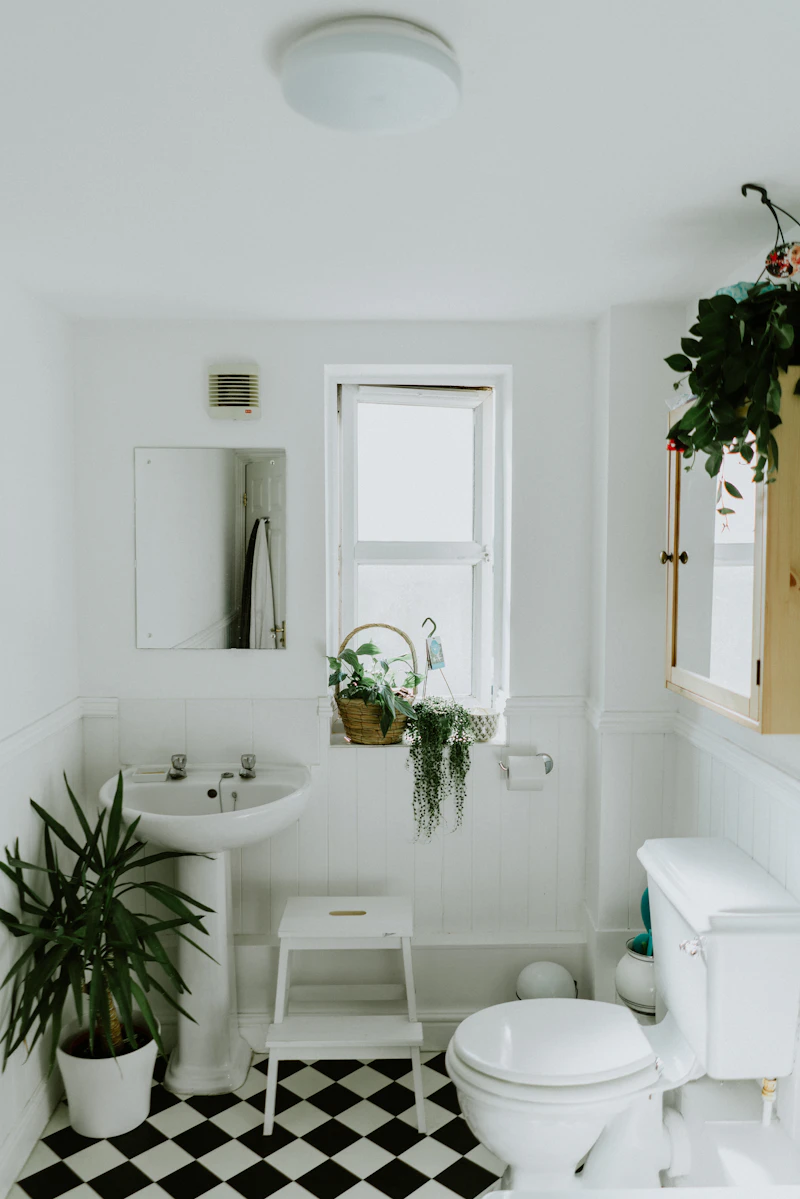
Based on Bureau of Labor Statistics wage data for the Orlando-Kissimmee-Sanford metropolitan area, bathroom remodel in Sanford costs between $2,540 and $23,660, with an average of $7,330.
Bathroom Remodel Cost Breakdown — Sanford, FL
| Service/Item | Low Estimate | Average | High Estimate |
|---|---|---|---|
| Vanity + Sink Install | $780 | $1,030 | $1,470 |
| Shower/Tub Replacement | $1,960 | $2,620 | $3,750 |
| Tile Work (floor + walls) | $1,650 | $2,280 | $3,390 |
| Toilet Replacement | $310 | $420 | $610 |
| Full Gut Remodel | $8,220 | $11,100 | $16,170 |
| Fixture Upgrade Package | $1,140 | $1,510 | $2,140 |
Is It Time for Bathroom Remodel? Warning Signs
In Sanford, where humidity hovers near 80% most of the year and hurricane season brings sudden storms, your bathroom takes a beating. That once-pristine tile starts to buckle, grout turns black with mold, and fixtures corrode faster than you’d expect.
These aren’t just cosmetic issues—they’re early warnings that your bathroom is losing the battle against Florida’s relentless climate. Ignoring them can lead to costly water damage, structural decay, or even failed inspections during resale.
Timing your remodel around Central Florida’s weather patterns isn’t just smart—it’s essential. The subtropical climate means outdoor work rarely stops, but indoor jobs like bathroom remodels have strategic windows.
Peak season runs from October through May, when storm risks drop and homeowners prep for winter visitors or spring listings. During these months, contractor availability tightens and lead times stretch. Off-peak, from June through September, brings more scheduling flexibility—but also hurricane watch alerts that can halt work unexpectedly.
- Remodel after a storm if you’ve had water intrusion—even minor flooding can compromise subflooring and drywall in high-humidity environments.
- Schedule inspections in early fall to catch hurricane-related wear before the busy winter season clogs contractor calendars.
- Start planning in August or September to lock in off-peak rates and avoid emergency pricing during winter demand spikes.
- Replace aging grout and caulking every 5–7 years—a must in Sanford’s damp air, where mold regrowth is rapid.
- Upgrade plumbing before Category 3+ storm season; older supply lines are vulnerable to pressure surges during evacuations and power outages.
- Local labor rates
Skilled trade labor in Sanford averages $25.87 per hour—about 2% below the national average—due to lower overall cost of living and limited union presence. However, high demand during dry-season remodeling peaks can offset savings, especially for licensed plumbers and electricians regulated by the Florida DBPR.
- Seasonal demand
Bathroom remodels peak between November and April when humidity drops and hurricane season ends, driving contractor availability down and prices up. Homeowners who schedule during the off-peak summer months (June–September) may save 10–20% due to reduced demand, despite the heat and rain.
- Project scope
A basic repair—like re-tiling or fixture replacement—costs significantly less than a full tear-out involving plumbing rerouting or structural updates. The gap between low and high estimates often comes down to hidden water damage, mold remediation, or outdated plumbing in older Sanford homes built before 1990.
- Permits & inspections
Florida law requires state-licensed contractors (via DBPR) for most remodel work, and all renovations within one mile of the coast must use hurricane-rated materials and pass strict inspections. Permit fees typically range from $50 to $300, depending on project complexity and municipality rules in Sanford or unincorporated Seminole County.
- Materials quality
Premium materials like porcelain tile, solid surface countertops, and marine-grade vanities cost 30–50% more than builder-grade options but resist humidity, mold, and salt air corrosion better. In Sanford’s damp climate, investing in moisture-resistant materials such as PVC trim or stainless steel fixtures pays off long-term.
- Property characteristics
Most homes in Sanford are concrete block (CBS) with stucco exteriors and flat or low-slope roofs, affecting access and labor time. Older homes or stilt-style properties near Lake Monroe may require additional structural support or elevated work platforms, increasing costs due to complexity and safety measures.
- Emergency vs scheduled
Water damage from burst pipes or storm-related leaks often requires emergency repairs, with after-hours labor rates running 1.5 to 2 times standard fees. Scheduling during normal business hours avoids weekend or urgent-service premiums and allows better contractor availability.
Emergency rates apply when work must start within 48 hours—typically after a burst pipe, failed wax ring, or hurricane-related leak. These jobs disrupt scheduled crews and often require after-hours labor, pushing costs up.
Avoid them by maintaining exhaust fans year-round, checking for musty odors behind vanities, and replacing shower membranes before tile cracks. A $200 preventive sealant job can prevent a $4,000 emergency tear-out.
What Drives Price Differences Between Contractors
You might get three bids for the same bathroom remodel in Sanford and see wildly different numbers. The reason isn’t just markup—it’s what each contractor includes, where they source materials, and how they account for local risks.
The Bureau of Labor Statistics reports a median wage of $25.87/hr for Florida plumbers and tile setters, but that’s just the baseline. Contractors in the Orlando-Kissimmee-Sanford metro typically add 20–35% for overhead, insurance, project management, and compliance with Seminole County building codes.
Sanford sits 2% below the national average for remodel costs, but that doesn’t mean corners are cut. It reflects a competitive market with skilled labor, regional supply chains, and standardized practices for concrete block (CBS) homes. Most houses here are built with stucco exteriors, flat or low-slope roofs, and interior layouts that limit plumbing rerouting.
That reduces labor time compared to framed homes in northern states. But coastal proximity—even inland areas like Sanford feel salt air effects—means fixtures must be corrosion-resistant, and subfloors need moisture barriers. These aren’t optional upgrades; they’re code-mandated in many cases.
Termites are active year-round, so any remodel that opens walls requires a WDO (wood-destroying organism) inspection. Contractors who skip this risk failed inspections and callbacks.
Likewise, homes on stilts near Lake Monroe or the St. Johns River may need reinforced support for heavier fixtures like walk-in tubs. These nuances explain why two seemingly identical bids diverge: one includes termite shielding and vapor-rated drywall, the other doesn’t.
And then there’s hurricane prep. In a Cat 3–5 zone, plumbing must be anchored, and electrical components in bathrooms must meet flood elevation rules if near waterways.
Reputable contractors bake these into estimates; others wait until permits are pulled, then surprise you with change orders. Always ask: “Does this quote meet Seminole County flood and wind-resistance standards?” The answer shapes the final cost.
Financing Options for Bathroom Remodel in FL
Paying cash gives you leverage and avoids interest, but not every homeowner in Sanford has $15,000 sitting aside for a master bath overhaul. That’s where financing comes in—and not all options are equal.
Many local contractors offer in-house payment plans, especially for jobs over $10,000. These typically require 10–20% down, with the balance split over 6–12 months at no interest if paid on time. It’s a practical choice if you’re staying put and want to preserve emergency funds.
Home equity loans or HELOCs are popular in established neighborhoods like Goldsboro or Midway, where property values have risen steadily. Rates are low, and interest may be tax-deductible.
But they put your home at risk if payments lapse—something to weigh if retirement income is fixed. Personal loans from credit unions like Space Coast or Patelco offer fixed terms and quick approval, though rates vary by credit score.
Zero-percent financing through partners like GreenSky or Hearth is common with larger remodeling firms. These promotions last 6–18 months, but watch for deferred interest clauses.
If the balance isn’t paid in full by the end, you’re charged interest from day one. Best used for predictable, fixed-scope projects—not full gut remodels with potential overruns.
Financing makes sense when delaying the remodel risks bigger costs—like replacing a failing subfloor before it causes a collapse.
It also helps if you’re preparing to sell; a modern bathroom can boost resale value by 60–70% of project cost in Sanford’s active market. Pay cash if you can, but don’t let perfect be the enemy of necessary.
How to Avoid Overpaying in Sanford
Overpaying isn’t just about inflated quotes—it’s about missing opportunities to save. The best way to protect your budget is to understand what’s negotiable and when. Start by getting at least three bids, but don’t just compare totals.
Ask each contractor to break down labor vs. materials, and verify they’re using the same specs—like moisture-resistant backer board or PEX-a vs. PEX-c plumbing.
Negotiation works best when you’re flexible. Offering a mid-week start date or allowing the crew to stage materials in your garage can save 5–10%.
Contractors appreciate homeowners who streamline access and decision-making. If you’re doing multiple projects—say, a bathroom and screened-in lanai—ask about bundling. Many firms will discount 5–15% to keep their crew on-site longer, reducing mobilization costs.
Time your project for June through August, when demand dips. Some contractors offer 10–15% off-season discounts to maintain cash flow.
Pair that with a July 4th or Labor Day sale at local suppliers like Ferguson or Lowe’s in Lake Mary, and you can lock in lower material prices. Just ensure your contract includes a hurricane clause—so if a storm hits, work pauses without penalty.
Finally, avoid change orders by finalizing every detail upfront: fixture models, tile cuts, vent fan specs. In Sanford’s fast-paced market, assumptions lead to disputes. A clear scope, signed off by both parties, is your best defense against budget creep.
What Affects Bathroom Remodel Costs in Sanford?
What Affects Bathroom Remodel Costs in Sanford?
Homeowners in Sanford, FL—and across the Orlando-Kissimmee-Sanford metro—face unique cost factors when remodeling bathrooms.
From hurricane codes to year-round humidity, local conditions shape pricing. Here are the key factors influencing bathroom remodel costs in this subtropical, coastal-influenced region.
Popular Bathroom Remodel Brands in Sanford
Frequently Asked Questions
How much does bathroom remodel cost in Sanford, FL?
The average cost of a bathroom remodel in Sanford, FL is $7,330, with prices typically ranging from $2,540 for minor updates to $23,660 for full-scale renovations. This includes labor, materials, and fixtures. Labor rates average $25.87 per hour based on Bureau of Labor Statistics (BLS) data for the Orlando-Kissimmee-Sanford metro area.
Why is bathroom remodel less expensive in Sanford than the national average?
Bathroom remodels in Sanford tend to cost less than the national average due to lower labor rates and competitive local pricing among contractors. The BLS reports an hourly wage of $25.87 for tradespeople in the area, which is below the U.S. mean. Additionally, material costs benefit from regional supplier competition and proximity to distribution hubs in Central Florida.
How can I save money on bathroom remodel in Sanford?
You can save money by keeping the existing plumbing layout to avoid costly rerouting and by choosing mid-tier fixtures and finishes that balance quality and cost. Hiring licensed contractors during off-peak seasons may also yield better pricing due to lower demand. Always get multiple bids based on detailed scopes to ensure fair labor estimates aligned with the BLS rate of $25.87/hr.
Do I need a permit for bathroom remodel in FL?
Yes, most bathroom remodels in Florida require a permit if the work involves plumbing, electrical, or structural changes. Local jurisdictions in Sanford typically enforce building codes through permit inspections to ensure safety and compliance. Permits help protect your investment and are often required for insurance and resale purposes.
How long does bathroom remodel take in Sanford?
A typical bathroom remodel in Sanford takes 10 to 14 days for a full renovation, depending on scope and material availability. Smaller updates without structural or plumbing changes may be completed in 5 to 7 days. Delays can occur due to permit processing or supply chain issues, so scheduling with a licensed contractor is key.
What warranty should I expect from a bathroom remodel contractor?
Reputable bathroom remodel contractors in Sanford typically offer a 1- to 2-year labor warranty on workmanship, in addition to manufacturer warranties for materials and fixtures. Some may extend coverage for major components like showers or tiling. Always get the warranty terms in writing and verify they align with industry standards in the Orlando-Kissimmee-Sanford metro area.
What's the best time of year for bathroom remodel in Sanford?
The best time for a bathroom remodel in Sanford is during the fall or winter months, between October and February, when contractors have lower project volumes and may offer better rates. Avoid hurricane season (June–November) when supply chains and scheduling can be disrupted. Off-peak timing can also reduce wait times for permits and inspections.
