How Much Does Bathroom Remodel Cost in Round Rock, TX?
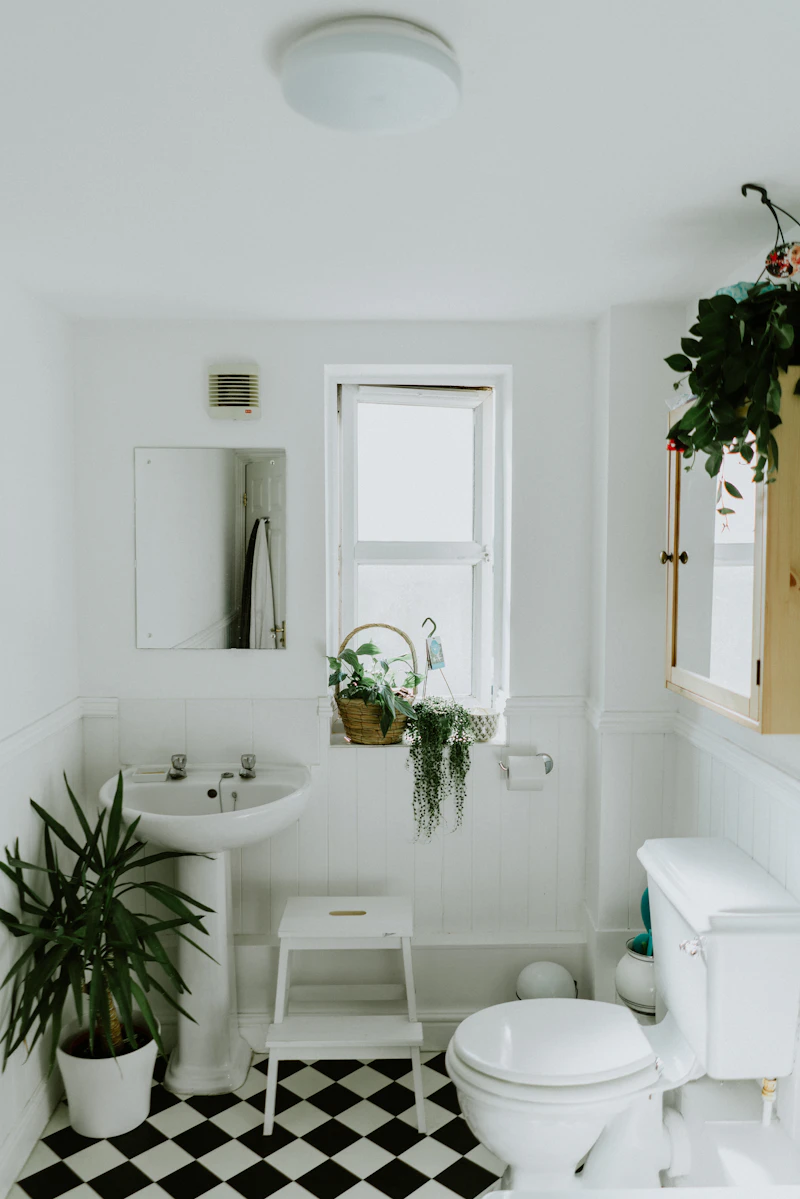
Based on Bureau of Labor Statistics wage data for the Austin-Round Rock-Georgetown metropolitan area, bathroom remodel in Round Rock costs between $2,540 and $23,570, with an average of $7,300.
Bathroom Remodel Cost Breakdown — Round Rock, TX
| Service/Item | Low Estimate | Average | High Estimate |
|---|---|---|---|
| Vanity + Sink Install | $770 | $1,030 | $1,470 |
| Shower/Tub Replacement | $1,960 | $2,610 | $3,740 |
| Tile Work (floor + walls) | $1,650 | $2,270 | $3,380 |
| Toilet Replacement | $310 | $420 | $600 |
| Full Gut Remodel | $8,200 | $11,070 | $16,120 |
| Fixture Upgrade Package | $1,140 | $1,510 | $2,130 |
How Bathroom Remodel Pricing Works in the Austin-Round Rock-Georgetown Area
Round Rock’s bathroom remodel costs reflect a fast-growing city where demand outpaces skilled labor availability.
While overall pricing sits about 3% below the national average, local conditions—like extreme summer heat, frequent storm damage, and a mix of aging urban bungalows and sprawling new subdivisions—shape how contractors price jobs. Labor drives a major portion of your cost.
According to the Bureau of Labor Statistics, the average trade worker in this region earns $25.61 per hour.
But that’s just the base. Contractors typically apply a markup of 20–35% to cover insurance, equipment, project management, and permitting—essential overhead in a market where weather delays and material supply hiccups are common.
Round Rock’s climate plays a direct role in remodel complexity. Summer temperatures regularly hit 95–105°F, increasing the risk of moisture buildup in poorly ventilated bathrooms. That means proper exhaust, vapor barriers, and mold-resistant materials aren’t optional—they’re built into every quote.
Severe storms and hail in the northern parts of the metro, near Pflugerville and Hutto, often trigger insurance-driven remodels, which keeps demand steady.
Tornado risk, though low, means structural assessments are routine during older home renovations, especially in 1950s bungalows near Old Town. Meanwhile, newer developments like Wolf Ranch or Stone Hill rely on slab-on-grade foundations and brick veneer exteriors, which limit plumbing rerouting options and affect layout costs.
Permitting varies by jurisdiction. Round Rock requires building permits for any structural, electrical, or plumbing changes, while nearby Georgetown and Austin have additional energy compliance rules.
Contractors must pull permits under their business license, but since Texas has no statewide contractor licensing, homeowners must verify city-specific requirements. This fragmented system means pricing transparency depends heavily on the contractor’s reputation and local experience—not just hourly rates.
What to Expect During the Estimate Process
Your bathroom remodel starts with a call, but the real work begins during the on-site estimate. A professional contractor will spend 45–90 minutes inspecting your space, not just measuring walls.
They’ll check for slab cracks affecting plumbing, assess ventilation in high-humidity conditions, and evaluate electrical circuits—especially if you’re adding heated floors or smart fixtures. In older homes near Chisholm Trail, they’ll look for outdated wiring or cast iron drain lines that could require upgrades before demo even begins.
After the visit, you’ll receive a detailed proposal outlining scope, materials, timeline, and payment schedule. A reputable Round Rock contractor includes line items for debris removal, permit fees, and potential weather delays—common during spring storm season.
Most bathroom remodels here take 10–16 days from demo to final walkthrough, assuming no hidden water damage or supply chain issues. Projects in historic districts or HOA-managed communities like La Frontera or Avery Ranch may add 3–5 days for approval processes.
Timeline isn’t just about speed—it’s about coordination. Your contractor should map out trade sequencing: plumbers first, then electricians, followed by tile and finish work.
In Round Rock’s tight labor market, scheduling conflicts can push start dates out 2–3 weeks, especially for high-end finishes like quartz or custom cabinetry. Ask about buffer time for storms or material delays—common with imported tile or specialty fixtures.
DIY vs. Professional Bathroom Remodel: When It Makes Sense
| Safe for DIY | Hire a Pro |
|---|---|
| Painting walls with moisture-resistant paint | Any plumbing rerouting or drain modifications |
| Replacing vanity countertop (if plumbing connections stay in place) | Electrical work involving outlets, lights, or GFCI circuits |
| Installing peel-and-stick flooring in low-moisture zones | Shower pan installation or waterproofing membrane application |
| Replacing toilet wax ring or flapper | Structural changes, including load-bearing wall removal |
| Adding non-structural shelving or grab bars (with proper stud finding) | Permit acquisition and code compliance inspections |
DIY can save on labor, but in Round Rock’s climate, mistakes in sealing or ventilation lead to mold—especially in north-facing bathrooms with limited sunlight. Even small plumbing errors can cause slab leaks in homes with concrete foundations, resulting in costly repairs.
Licensed professionals carry liability insurance and workers’ comp, protecting you if an injury occurs on your property. They also know local codes: for example, the City of Round Rock requires a 30-inch clearance around fixtures and specific venting for bathrooms without windows.
Questions to Ask Before Signing a Contract
Since Texas doesn’t license general contractors at the state level, due diligence is critical.
Round Rock doesn’t require a city-wide contractor license, but it does mandate permits for plumbing, electrical, and structural work—each needing trade-specific approvals. Always verify that your contractor is registered with the city and carries active liability insurance.
- Are you licensed for plumbing and electrical work, or do you use subcontractors? In Round Rock, only state-licensed plumbers and electricians can pull permits for those trades. If your contractor outsources, confirm the subs are TDLR-licensed.
- Can you provide proof of liability insurance and workers’ comp? Uninsured workers on your property expose you to financial risk if an injury occurs.
- What’s included in the quote? Ask for a line-item breakdown. Hidden costs often come from slab cutting, disposal fees, or code upgrades not mentioned upfront.
- How do you handle change orders? Weather damage or outdated wiring found during demo may require adjustments. Know how pricing and timeline will be updated.
- What’s your timeline, and how do you account for weather delays? Spring storms and summer heat can slow drying times for tile mortar and grout.
- Can I see references from recent bathroom remodels in Round Rock? Ask for 2–3 local projects, especially in neighborhoods like Cypress Creek or Round Rock Estates.
Red flags include contractors who demand full payment upfront, refuse to provide a written contract, or can’t produce a city business license. Avoid anyone offering “storm damage discounts” without proper documentation—this is common after hail events and often tied to insurance fraud. Trust contractors who walk you through the permit process and explain how Round Rock’s building codes affect your design choices.
What Affects Bathroom Remodel Costs in Round Rock?
What Affects Bathroom Remodel Costs in Round Rock?
Homeowners in Round Rock, Austin, and Georgetown face unique cost factors when remodeling bathrooms. Local labor trends, weather patterns, and housing characteristics all influence pricing. Here are the key elements that shape bathroom remodel costs in the region:
- Local labor rates
Round Rock’s average hourly labor rate for home repair trades is about 3% below the national average, influenced by a relatively lower cost of living and limited union presence in residential construction. However, high demand from fast-growing suburbs like Sun City and Stone Hill keeps skilled labor competitive, especially for licensed plumbers and electricians.
- Seasonal demand
Bathroom remodels peak in spring and early fall to avoid the region’s sweltering summers (95–105°F) and storm season, which runs from spring through early summer. Contractors may charge 10–20% more during these high-demand windows, especially after severe hail or tornado events common in northern Williamson County.
- Project scope
A basic repair—like fixing leaks or regrouting—costs significantly less than a full tear-out involving new plumbing, tiling, and layout changes. The gap between low and high estimates often comes down to whether walls are opened, fixtures are relocated, or mold remediation is needed after storm-related water intrusion.
- Permits & inspections
Texas doesn’t license contractors statewide, but Round Rock and nearby cities like Austin and Georgetown require trade-specific permits for plumbing and electrical work. Permit fees typically range from $50 to $300 and are essential for compliance, especially in newer developments with strict HOA and city code requirements.
- Materials quality
Premium materials—such as porcelain tile from Austin Tile Co., solid surface vanities, or frameless glass showers—can cost 30–50% more than builder-grade options like vinyl flooring or prefab tubs. In humid climates, moisture-resistant materials like cement board and mold-inhibiting paint are recommended, affecting overall material choices.
- Property characteristics
Most homes in Round Rock are slab-on-grade with brick veneer, common in post-2000 subdivisions like La Frontera or Forest Creek. Older homes may have outdated plumbing or knob-and-tube wiring, increasing costs, while multi-story homes or tight crawl spaces limit access and extend labor time.
- Emergency vs scheduled
After-hours or emergency repairs—frequent during hail storms or plumbing failures—can cost 1.5 to 2 times standard rates, especially on weekends. Scheduling work during regular business hours avoids premium charges and aligns better with inspector availability in Williamson County.
Popular Bathroom Remodel Brands in Round Rock
Frequently Asked Questions
How much does bathroom remodel cost in Round Rock, TX?
The average cost of a bathroom remodel in Round Rock, TX is $7,300, with prices typically ranging from $2,540 for minor updates to $23,570 for full, high-end renovations. Labor costs contribute significantly, with local contractors averaging $25.61 per hour according to Bureau of Labor Statistics (BLS) data. Factors like fixture quality, layout changes, and plumbing upgrades heavily influence the final price. This average is based on the Austin-Round Rock-Georgetown metro area's current remodeling market.
Why is bathroom remodel less expensive in Round Rock than the national average?
Bathroom remodels in Round Rock tend to be less expensive than the national average due to lower labor and material overhead costs in the region. According to BLS data, the average hourly wage for remodelers is $25.61, which is competitive but below rates in higher-cost metro areas. Additionally, local supply chains and competition among contractors in the Austin-Round Rock-Georgetown metro help keep project costs down. These regional economic factors contribute to more affordable remodeling compared to cities like New York or San Francisco.
How can I save money on bathroom remodel in Round Rock?
You can save money by keeping the existing plumbing layout to avoid costly rerouting, which can add thousands to the project. Choosing locally available materials and doing cosmetic updates—like painting and fixture swaps—can also reduce labor time and costs. Hiring licensed contractors during off-peak seasons, such as late winter, may yield better rates due to lower demand. With labor at $25.61/hr (BLS), minimizing labor hours is key to controlling overall expenses.
Do I need a permit for bathroom remodel in TX?
Yes, most bathroom remodels in Texas require a permit if they involve plumbing, electrical, or structural changes. The City of Round Rock mandates permits for work like moving walls, adding new fixtures, or upgrading electrical systems to ensure code compliance. Cosmetic updates such as painting or replacing countertops typically don't require permits. Always check with Round Rock's Development Services Department to confirm permit requirements for your specific project.
How long does bathroom remodel take in Round Rock?
A typical bathroom remodel in Round Rock takes 2 to 4 weeks, depending on the scope. Minor updates with no structural or plumbing changes can be completed in as little as 5 to 10 days. Larger projects involving custom tile, layout changes, or permitting may extend to 5 or 6 weeks. Delays can occur due to material availability or unexpected issues like water damage, so scheduling with a licensed contractor using BLS-aligned labor rates helps maintain timelines.
What warranty should I expect from a bathroom remodel contractor?
Most reputable bathroom remodel contractors in Round Rock offer a 1- to 2-year labor warranty covering workmanship issues like leaks or tile cracking. Materials usually come with separate manufacturer warranties, which your contractor should provide documentation for. Given the BLS-reported labor rate of $25.61/hr, ensure the warranty explicitly covers return visits for repairs at no extra cost. Always get the warranty in writing before work begins to protect your investment.
What's the best time of year for bathroom remodel in Round Rock?
The best time for a bathroom remodel in Round Rock is late winter to early spring (February to April), when contractor availability is higher and scheduling is more flexible. Cooler months avoid the summer heat, making indoor work more comfortable and reducing AC strain. Contractors may offer better rates during this off-peak season due to lower demand. With labor at $25.61/hr (BLS), taking advantage of seasonal pricing can help keep your project within the $7,300 average cost.
