How Much Does Plumbing Cost in Round Rock, TX?
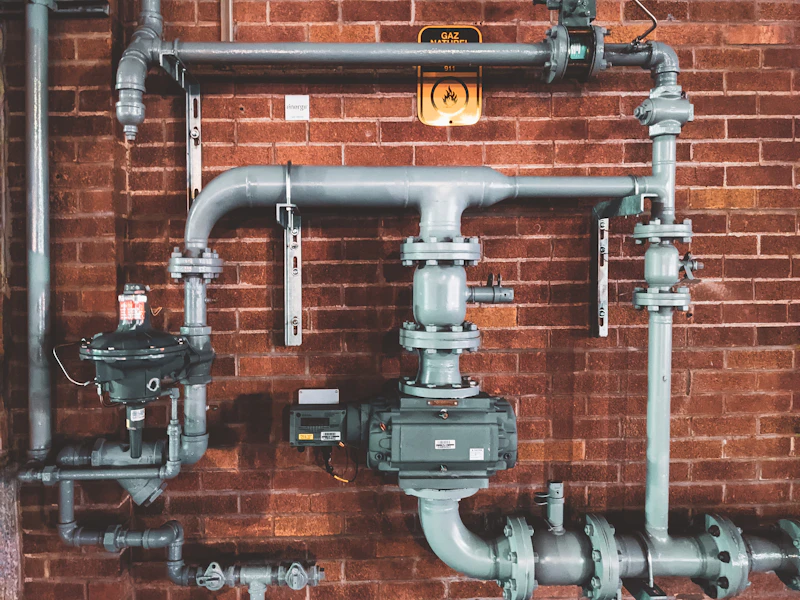
Based on Bureau of Labor Statistics wage data for the Austin-Round Rock-Georgetown metropolitan area, plumbing in Round Rock costs between $80 and $3,360, with an average of $340.
Plumbing Cost Breakdown — Round Rock, TX
| Service/Item | Low Estimate | Average | High Estimate |
|---|---|---|---|
| Faucet Repair/Replace | $90 | $120 | $180 |
| Toilet Repair | $80 | $120 | $190 |
| Water Heater Install | $1,070 | $1,380 | $1,900 |
| Drain Cleaning | $50 | $70 | $120 |
| Pipe Leak Repair | $130 | $190 | $300 |
| Sewer Line Repair | $1,520 | $2,050 | $2,970 |
How Plumbing Pricing Works in the Austin-Round Rock-Georgetown Area
Round Rock’s plumbing costs reflect a market shaped by rapid growth, climate extremes, and construction practices unique to Central Texas. While overall prices sit about 3% below the national average, labor and material markups are tightly calibrated to local demand and risk.
The Bureau of Labor Statistics reports a median wage of $28.47/hr for plumbers in this region—this base rate is just the starting point. Contractors typically apply a markup of 20–40% to cover overhead, insurance, tools, and project management, especially on larger jobs involving slab repairs or whole-home repipes.
What drives cost in Round Rock isn’t just labor—it’s geology and weather. Homes are predominantly slab-on-grade, meaning any pipe failure under the foundation requires jackhammering concrete, a costly step rarely needed in pier-and-beam areas.
Brick veneer exteriors complicate wall access, increasing labor time when chasing leaks behind finished walls. Newer subdivisions like La Frontera or Wolf Ranch use PEX piping, which holds up well in our hot, humid summers (95–105°F regularly from June to September), but older bungalows in the downtown core often have aging galvanized steel or cast iron, prone to corrosion after decades of hard water exposure.
Weather plays a direct role in both emergency calls and long-term costs.
While winters are mild, sudden freezes—like Winter Storm Uri in 2021—burst pipes in unconditioned crawl spaces or exterior hose bibs, spiking demand for repairs. Homeowners may also want to compare Plumbing in Dallas.
Severe thunderstorms and hail in spring and fall damage roof flashings and vent pipes, leading to slow leaks that go unnoticed until drywall sags or mold appears. Tornado risk in northern Williamson County means some homes have reinforced utility chases, complicating rerouting.
Though hurricane threats are coastal, Round Rock still sees heavy runoff from stalled systems, overwhelming drainage systems and backing up sewer lines—especially in low-lying areas near Brushy Creek. For a nearby comparison, check Plumbing in Arlington.
What to Expect During the Estimate Process
When you call a licensed plumber in Round Rock, the first step is a diagnostic conversation. Homeowners may also want to compare bathroom remodel costs in Round Rock.
The dispatcher or technician will ask about symptoms: Is water discolored? Is there a drop in pressure? Are there sounds in the walls? This helps prioritize urgency and equipment needs. Most reputable contractors offer same-day or next-day inspection slots, especially for leaks, backups, or no-water emergencies.
The estimate visit itself is hands-on.
A technician will inspect accessible fixtures, check water pressure, test drains, and use camera scopes for sewer lines—common in older neighborhoods where tree roots infiltrate clay pipes. For slab leaks, they may use acoustic listening devices or thermal imaging.
In subdivisions built after 2010, they’ll often trace PEX manifolds in garages or utility closets. You’ll get a written scope of work, timeline, and line-item pricing. No surprises.
Timelines vary. Fixture replacements (faucets, toilets) take a few hours. Water heater installs run 4–8 hours, depending on venting and gas line adjustments.
Sewer line repairs using trenchless methods (common along University Boulevard or SH-45) can be done in a day. Full repipes—especially in homes with slab foundations—take 2–5 days.
Permits are required for most work beyond simple repairs, and your contractor should pull them through the City of Round Rock’s Development Services Department. Inspections follow rough-in and final stages, ensuring code compliance. Related: roofing costs in Round Rock.
DIY vs. Professional Plumbing: When It Makes Sense
| Safe for DIY | Hire a Pro |
|---|---|
| Replacing a showerhead or aerator | Any work involving gas lines (e.g., water heaters) |
| Unclogging a sink with a plunger or hand auger | Repairing or replacing slab-embedded supply lines |
| Installing a water-saving toilet flapper | Sewer line repairs or camera inspections |
| Connecting a dishwasher or washing machine supply hose | Whole-home repiping (copper, PEX, or PVC) |
| Replacing a faucet with shut-off valves accessible | Permit-required work or modifications to main lines |
DIY can save money on simple tasks, but Central Texas plumbing codes are strict. Improperly vented drains cause slow drains and sewer gas leaks. See how costs compare: Plumbing in Fort Worth.
Mismatched pipe materials lead to galvanic corrosion. Worse, unpermitted work can void homeowner insurance claims after water damage. Licensed plumbers carry liability and workers’ comp—if a DIY job fails or causes a flood, you’re on the hook for repairs, mold remediation, and neighbor damages.
Questions to Ask Before Signing a Contract
Texas doesn’t license general contractors at the state level, but plumbing work is regulated locally.
Round Rock requires plumbers to be licensed and bonded, with permits pulled for most jobs. While TDLR oversees HVAC and electrical statewide, plumbing falls under city jurisdiction—so always verify your contractor is registered with the City of Round Rock and carries current liability insurance.
Before signing anything, confirm the following:
- Are you licensed and insured in Round Rock? Ask for license number and call the city to verify. Request proof of insurance—don’t accept verbal assurances.
- Will you pull the permit and schedule inspections? The contractor should handle all city paperwork. If they say “no permit needed,” question why—especially for water heaters or sewer work.
- Is the quote based on a visual inspection? Avoid over-the-phone estimates for slab leaks or repipes. A site visit is essential for accuracy.
- What’s included in the scope? Clarify whether shut-off valves, permits, disposal, or wall patching are covered. Hidden fees often appear in demolition or concrete repair.
- Do you offer a warranty? Reputable contractors provide at least a 1-year labor warranty on installations and repairs.
- Can you provide references from Round Rock projects? Ask for 2–3 recent jobs in your neighborhood—older homes near Main Street have different needs than new builds in Cypress Creek.
Red flags include demands for full payment upfront, refusal to provide a written contract, or pressure to start work before permit approval. If a quote seems too low compared to others, it may exclude critical steps like slab restoration or city fees. Trust transparency—especially when your home’s integrity and insurance coverage are on the line.
What Affects Plumbing Costs in Round Rock?
What Affects Plumbing Costs in Round Rock?
Homeowners in the Austin-Round Rock-Georgetown metro area face unique factors that influence plumbing repair and installation costs. From weather extremes to local construction practices, understanding these variables helps you make informed decisions and avoid unexpected expenses.
- Local labor rates — Round Rock plumbers earn an average of $28.47 per hour, about 3% below the national average due to lower overall cost of living and limited union presence in Texas. However, high demand from rapid population growth in Williamson County keeps wages competitive, especially during peak construction seasons.
- Seasonal demand — Plumbing services spike in summer (June–August) when extreme heat (95–105°F) strains systems and causes pipe failures, leading to 10–20% higher rates during peak months. Conversely, mild winters allow for off-peak scheduling with better availability and potential discounts on larger projects.
- Project scope — A simple faucet replacement differs drastically in cost from a full repipe or sewer line repair, with complexity driving price gaps. Factors like hidden slab leaks, rerouting through brick veneer walls, or upgrading outdated galvanized pipes in older homes significantly increase labor and material needs.
- Permits & inspections — Texas doesn’t have statewide contractor licensing, but cities like Round Rock, Austin, and Georgetown require trade-specific permits for major plumbing work. Permit fees typically range from $50 to $300 and are often included in contractor quotes, ensuring code compliance and avoiding fines for unpermitted work.
- Materials quality — Choosing between builder-grade PEX or PVC and premium options like copper or tankless water heaters can create a 30–50% price difference. High-end materials offer longer lifespans and better performance in Round Rock’s hard water conditions, reducing long-term maintenance.
- Property characteristics — Most homes in Round Rock are slab-on-grade with limited underfloor access, making repairs more invasive and costly. Older homes in established neighborhoods may have outdated plumbing systems, while newer subdivisions in areas like La Frontera or Chisholm Trail often allow easier access but still face challenges with brick exterior walls and tight utility corridors.
- Emergency vs scheduled — After-hours, weekend, or holiday plumbing calls—common during sudden winter freezes or storm-related flooding—can cost 1.5 to 2 times the standard rate. Scheduling non-urgent repairs during business hours in mild seasons helps avoid these premiums and ensures faster service availability.
Popular Plumbing Brands in Round Rock
Frequently Asked Questions
How much does plumbing cost in Round Rock, TX?
The average plumbing cost in Round Rock, TX is $340, with prices typically ranging from $80 to $3,360 depending on the job complexity. Labor rates average $28.47 per hour, according to the U.S. Bureau of Labor Statistics (BLS), which helps keep overall costs competitive. Common services like drain cleaning or faucet replacement fall on the lower end, while full repipes or water heater installations approach the higher end.
Why is plumbing less expensive in Round Rock than the national average?
Plumbing in Round Rock tends to be less expensive than the national average due to lower overhead costs for contractors and competitive market pricing within the Austin-Round Rock-Georgetown metro area. The BLS reports a local hourly wage of $28.47 for plumbers, which is below the national average, contributing to reduced labor costs. Additionally, the region's access to skilled labor and efficient permitting processes helps keep project expenses lower.
How can I save money on plumbing in Round Rock?
You can save money by scheduling routine maintenance to prevent costly emergency repairs, such as slab leak detection or sewer line replacements. Getting multiple quotes from licensed contractors ensures competitive pricing based on the local average of $340 per job. Addressing small issues like dripping faucets or running toilets early avoids escalation, and choosing off-peak scheduling—like mid-week or cooler months—can improve availability and pricing.
Do I need a permit for plumbing in TX?
Yes, most plumbing work in Texas requires a permit, especially for new installations, water heater replacements, or sewer line repairs. Permits ensure work meets state plumbing codes and are typically pulled by licensed contractors. Minor repairs like fixing a leak under a sink usually don't require one, but it's best to verify with the City of Round Rock's development services department.
How long does plumbing take in Round Rock?
Simple plumbing repairs, such as fixing a leak or unclogging a drain, are often completed in under 2 hours. Larger jobs like water heater installation or repiping a bathroom can take 1 to 3 days depending on complexity. Factors like permit approval, access to fixtures, and material availability influence timelines. Most licensed contractors provide time estimates based on the BLS-reported labor efficiency in the region.
What warranty should I expect from a plumbing contractor?
Reputable plumbing contractors in Round Rock typically offer a 1- to 2-year labor warranty on repairs and installations, in addition to manufacturer warranties on parts and equipment. For example, a new water heater may include a 6-year parts warranty with 1 year of labor coverage. Always confirm warranty terms in writing, as coverage varies by contractor and job type. These standards align with regional practices supported by BLS data on service quality and labor norms.
What's the best time of year for plumbing in Round Rock?
The best time for plumbing work in Round Rock is during the fall or winter months, particularly October to February, when contractors have more availability and demand is lower. Scheduling during cooler months avoids peak summer emergencies like AC condensate line clogs or high-pressure hose bib leaks. This timing can lead to faster appointments and potentially better pricing, as the average $340 job may see slight discounts during slower periods. Avoid spring and summer when storm-related issues and high AC usage increase service calls.
