How Much Does Plumbing Cost in Fort Worth, TX?
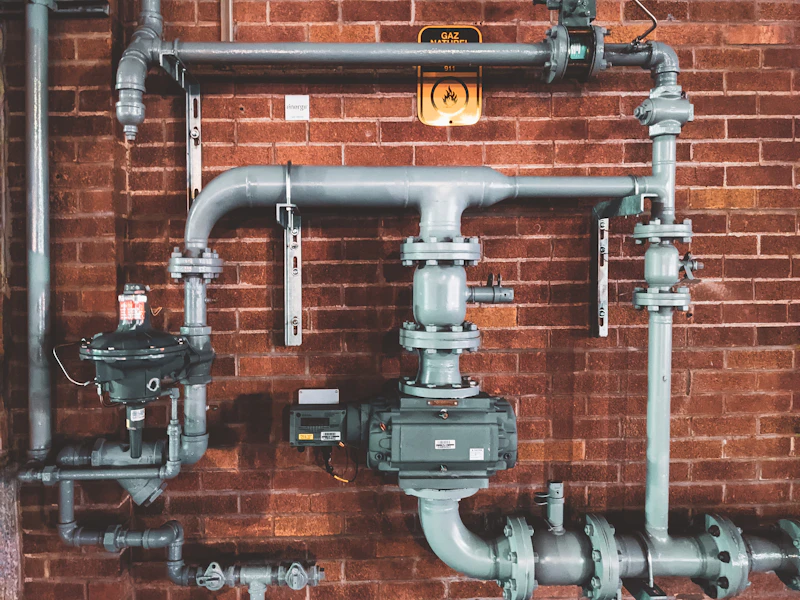
Based on Bureau of Labor Statistics wage data for the Dallas-Fort Worth-Arlington metropolitan area, plumbing in Fort Worth costs between $80 and $3,360, with an average of $340.
Plumbing Cost Breakdown — Fort Worth, TX
| Service/Item | Low Estimate | Average | High Estimate |
|---|---|---|---|
| Faucet Repair/Replace | $90 | $120 | $180 |
| Toilet Repair | $80 | $120 | $190 |
| Water Heater Install | $1,070 | $1,380 | $1,900 |
| Drain Cleaning | $50 | $70 | $120 |
| Pipe Leak Repair | $130 | $190 | $300 |
| Sewer Line Repair | $1,520 | $2,050 | $2,970 |
How Plumbing Pricing Works in the Dallas-Fort Worth-Arlington Area
Fort Worth’s plumbing costs reflect a mix of regional labor trends, climate demands, and housing characteristics unique to North Texas. While the metro area sees slightly lower pricing—about 3% below the national average—the underlying drivers keep the market competitive and technically demanding. The U.S.
Bureau of Labor Statistics reports a mean hourly wage of $28.47 for plumbers in this region, a baseline most contractors build upon when calculating project bids. This rate covers journeyman-level labor but doesn’t include overhead, tools, insurance, or markup for business sustainability. Most reputable firms apply a 20–35% markup on labor and materials to account for dispatch, fleet maintenance, licensing, and job supervision.
What sets Fort Worth apart is how local conditions shape plumbing needs. Summers routinely hit 95–105°F, spiking demand on water heaters, outdoor irrigation, and drain lines from increased shower and sink use.
High evaporation rates also contribute to slab foundation movement—common in slab-on-grade homes—leading to stress on copper and PEX piping. Brick veneer exteriors, while durable, complicate access to interior plumbing chases, often requiring careful patching and masonry coordination. In older neighborhoods like Polytechnic Heights or Fairmount, aging galvanized steel lines are a frequent replacement target, whereas newer subdivisions in Alliance or Southlake deal more with design-phase rough-in coordination and code-compliant gas line extensions.
Severe weather adds another layer. Hail storms and tornado risks in northern Tarrant County can damage roof-mounted vents and exterior shut-off valves. Homeowners may also want to compare Plumbing in Dallas.
Though hurricane threats are minimal this far inland, heavy spring rains from Gulf systems overwhelm drainage systems, especially in low-lying areas near the Trinity River. These recurring stressors mean plumbing systems here must be built resiliently—using freeze-resistant fixtures, proper venting, and elevated cleanouts—driving up material and labor quality expectations. For a nearby comparison, check Plumbing in San Antonio.
What to Expect During the Estimate Process
Starting a plumbing project in Fort Worth begins with a call, but the real clarity comes during the on-site evaluation. After initial contact, a licensed technician—often the project lead—will schedule a visit within 1–3 business days. Homeowners may also want to compare electrical costs in Fort Worth.
During this walkthrough, they’ll inspect accessible piping, check water pressure, assess fixture conditions, and identify code compliance issues specific to Fort Worth’s adopted plumbing codes (IPC with local amendments). If the job involves slab leaks or hidden lines, they may use electronic leak detection or camera inspection tools, common practice in this market due to limited under-slab access.
The estimator will document findings with photos and notes, then provide a written scope with line-item breakdowns. For minor repairs, you might get same-day service.
Larger jobs—like whole-house repipes or bathroom additions—require 1–2 weeks for material ordering and permit acquisition. Permits are mandatory for most non-trivial work and are typically pulled by the contractor through the City of Fort Worth Development Services department. Inspection timelines vary, but plan for 3–5 days between rough-in and final inspections.
Most residential plumbing projects in Fort Worth take 1–5 days to complete, depending on scope. Replacing a water heater? One day.
Repiping a 1,800 sq ft home with slab access? Closer to four. Always confirm whether the quoted timeline includes permit delays or material backorders, which can add 3–7 days during peak construction months (April–September).
DIY vs. Professional Plumbing: When It Makes Sense
| Safe for DIY | Hire a Pro |
|---|---|
| Replacing faucet cartridges or showerheads | Installing or relocating gas lines (requires TDLR-licensed technician) |
| Clearing minor drain clogs with a hand auger | Working on main sewer lines or sewer cleanout installations |
| Replacing toilet flappers or fill valves | Any work involving slab leak repair or repiping under foundation |
| Connecting portable appliances (dishwashers, under-sink filters) | Permit-required jobs like water heater replacements or new bathroom additions |
| Sealing minor grout or caulk around fixtures | Camera inspections, hydro-jetting, or root removal in sewer lines |
DIY efforts can save money on simple fixes, but Fort Worth’s plumbing code enforcement is strict. Unpermitted work can trigger fines, failed inspections during resale, and voided homeowner insurance claims—especially if a leak causes mold in humid conditions. Related: roofing costs in Fort Worth.
Licensed pros carry liability insurance and warranties, critical when working behind walls or under slabs. They also know how to navigate city inspections and utility coordination, avoiding costly rework. See how costs compare: Plumbing in Houston.
Questions to Ask Before Signing a Contract
Unlike many states, Texas has no statewide licensing for general contractors. Plumbing is regulated at the city level, and Fort Worth requires licensed plumbers for all permit work.
While the Texas Department of Licensing and Regulation (TDLR) oversees gas and electrical trades, plumbing licenses are issued locally—meaning a plumber licensed in Dallas may not be automatically approved in Fort Worth. Always verify the contractor holds a current City of Fort Worth plumbing license and carries general liability insurance.
- Is your Fort Worth plumbing license active and on file with Development Services?
- Will you pull all necessary permits and schedule city inspections?
- Do you carry liability insurance and worker’s comp coverage?
- Can you provide a written warranty on labor and materials?
- What’s included in the quote—pipe access, wall repair, disposal of old fixtures?
- What happens if we discover hidden damage during the job?
Red flags include requests for full payment upfront, refusal to provide a written contract, or pressure to skip permits. Be wary of “storm chasers” after hail events offering quick fixes—these crews often lack local licensing and vanish after collecting deposits.
A legitimate Fort Worth plumber will have a physical office, online reviews, and no hesitation to show credentials. Ask for references from recent jobs in your area—older bungalows in the Stockyards District have different challenges than new builds in Keller, and experience matters.
What Affects Plumbing Costs in Fort Worth?
What Affects Plumbing Costs in Fort Worth?
Homeowners in Fort Worth and the greater Dallas-Fort Worth-Arlington metro face unique factors that influence plumbing service costs. From local labor trends to weather-driven demand spikes, understanding these elements helps you budget wisely for repairs or upgrades.
- Local labor rates
Plumbing labor in Fort Worth averages around $28.47 per hour, roughly 3% below the national average due to lower overall cost of living and limited union presence in the Texas trades. High competition among independent contractors and steady demand across fast-growing suburbs help keep rates relatively stable.
- Seasonal demand
Plumbing services peak during late summer (July–September) when extreme heat (95–105°F) stresses water heaters and outdoor irrigation, increasing the chance of leaks and pipe failure. During these months, service calls can carry a 10–20% premium over off-peak winter rates, especially after severe storms or hail events common in North Texas.
- Project scope
A minor repair—like fixing a leaking faucet or unclogging a drain—differs significantly in cost from a full sewer line replacement or repiping an older home. The gap in estimates often reflects hidden damage, rerouting needs, or unexpected complications like slab leaks common in Fort Worth’s slab-on-grade homes.
- Permits & inspections
Texas does not issue statewide plumbing contractor licenses, but cities like Fort Worth, Dallas, and Arlington require local trade permits for major plumbing work. Permit fees typically range from $50 to $300 and are often included in contractor quotes to ensure code compliance and pass city inspections.
- Materials quality
Choosing between builder-grade PEX or PVC piping versus premium options like copper or tankless water heaters can increase material costs by 30–50%. Local plumbers often recommend durable, corrosion-resistant materials suited to Fort Worth’s hard water and fluctuating soil conditions.
- Property characteristics
Older homes in areas like Arlington Heights or Polytechnic may have outdated galvanized pipes, while newer subdivisions in southwest Fort Worth feature accessible PEX systems. Pricing is also impacted by home size, number of stories, brick veneer walls, and slab foundation access challenges common across Tarrant County.
- Emergency vs scheduled
After-hours, weekend, or holiday plumbing calls—especially during flash floods or winter pipe freezes—can cost 1.5 to 2 times more than standard appointments. Scheduling non-urgent work during weekdays helps avoid emergency premiums common across the DFW metro.
Popular Plumbing Brands in Fort Worth
Frequently Asked Questions
How much does plumbing cost in Fort Worth, TX?
Plumbing in Fort Worth, TX typically costs an average of $340, with prices ranging from $80 to $3,360 depending on the job's complexity. Labor rates average around $28.47 per hour, based on Bureau of Labor Statistics (BLS) data for the Dallas-Fort Worth-Arlington metro area. Common services like drain cleaning or faucet replacement fall on the lower end, while full repipes or water heater installations drive costs higher. Always get itemized quotes from licensed contractors to understand the full scope.
Why is plumbing less expensive in Fort Worth than the national average?
Plumbing costs in Fort Worth are generally lower than the national average due to a competitive local market and relatively lower cost of living. The BLS reports a mean hourly wage of $28.47 for plumbers in the area, which is below the national average, helping keep labor costs down. Additionally, the abundance of licensed contractors fosters price competition, benefiting consumers. Regional building codes and simpler permitting processes also reduce overhead for service providers.
How can I save money on plumbing in Fort Worth?
You can save money by scheduling routine maintenance to prevent costly emergency repairs, such as fixing small leaks before they cause water damage. Getting multiple quotes from licensed contractors ensures competitive pricing and transparency. Tackling minor jobs like drain cleaning with DIY methods may help, but always hire a professional for code-compliant work. Avoid peak seasons like winter when demand for burst pipe repairs can drive up response times and rates.
Do I need a permit for plumbing in TX?
Yes, most plumbing work in Texas requires a permit, especially for new installations, water heater replacements, or system modifications. Permits ensure work complies with the Texas Plumbing Code and are typically pulled by licensed contractors. Homeowners doing their own work must also obtain permits and pass inspections. Failure to secure permits can result in fines and complications during home sales.
How long does plumbing take in Fort Worth?
Simple plumbing repairs like fixing a leak or unclogging a drain can be completed in under two hours. Larger jobs such as water heater replacement or repiping a bathroom may take 1–3 days depending on complexity. Emergency services are often available same-day, minimizing downtime. Always confirm timelines with your licensed contractor before work begins.
What warranty should I expect from a plumbing contractor?
Most reputable plumbing contractors in Fort Worth offer a minimum one-year labor warranty on installations and repairs. Parts and fixtures typically come with separate manufacturer warranties, which your contractor should provide documentation for. Always ask for warranty terms in writing before work begins. Warranties help protect against defects and ensure accountability from licensed professionals.
What's the best time of year for plumbing in Fort Worth?
The best time for plumbing work in Fort Worth is late spring or early fall when temperatures are mild and contractors are less busy. Avoid winter, when freezing temperatures increase the risk of burst pipes and emergency calls spike, potentially delaying service. Scheduling non-urgent repairs during off-peak months can lead to faster appointments and better pricing. This timing also allows for thorough inspections before extreme weather hits.
