How Much Does Roofing Cost in Fort Worth, TX?
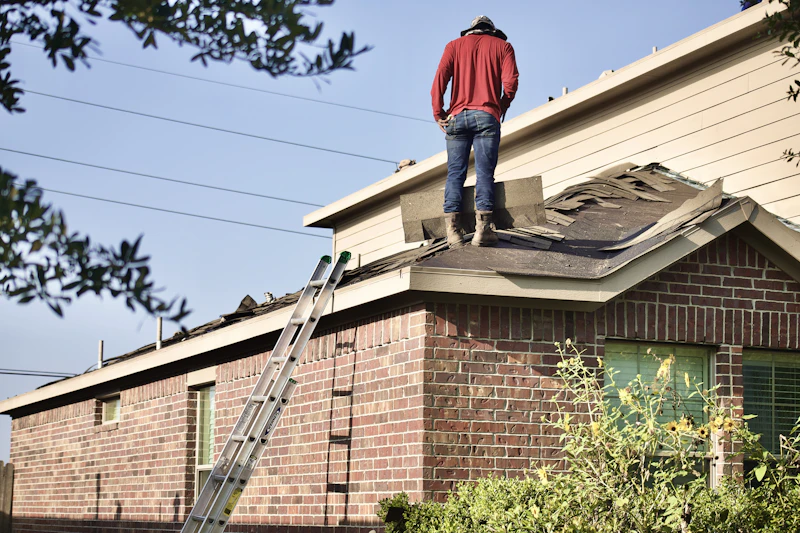
Based on Bureau of Labor Statistics wage data for the Dallas-Fort Worth-Arlington metropolitan area, roofing in Fort Worth costs between $2,290 and $15,640, with an average of $5,480.
Roofing Cost Breakdown — Fort Worth, TX
| Service/Item | Low Estimate | Average | High Estimate |
|---|---|---|---|
| Asphalt Shingles (per sq) | $120 | $160 | $240 |
| Metal Roofing (per sq) | $330 | $440 | $630 |
| Flat Roof Repair | $230 | $320 | $490 |
| Full Replacement (2,000 sq ft) | $4,170 | $5,480 | $7,670 |
| Roof Inspection | $20 | $30 | $60 |
| Gutter Installation (per ft) | $10 | $10 | $20 |
Complete Guide to Roofing in Fort Worth
Fort Worth homeowners know a good roof isn’t just about shelter—it’s about surviving 100-degree summers, sudden hailstorms, and decades of Texas sun without a costly meltdown.
With slab-on-grade foundations and brick veneer construction dominating both historic neighborhoods like Fairmount and fast-growing suburbs like Keller and Southlake, roofing performance ties directly into home integrity. Asphalt shingles remain the go-to, but material choice, storm exposure, and labor quality make or break long-term value.
The city’s climate demands resilience. Summer highs regularly hit 95–105°F with high humidity, accelerating shingle degradation.
Spring and early summer bring severe thunderstorms—especially in the northern parts of Tarrant County—where hail and tornado risk spike. While hurricane threats are minimal this far inland, wind-driven rain from Gulf systems can still test flashing and underlayment. Older bungalows in the Cultural District often need full reroofing due to outdated decking, while newer builds in Alliance or Ridgmar may only require periodic re-shingling.
Fort Worth roofing costs run about 3% below national averages, thanks to competitive local labor and readily available materials. But don’t mistake lower prices for lower stakes.
Poor ventilation in attic spaces—common in slab-built homes with limited soffit access—leads to trapped heat, shortening roof life. Proper underlayment and impact-rated shingles are non-negotiable in hail-prone ZIP codes like 76108 or 76131. And with insurance claims spiking after major storms, getting the right contractor matters more than saving a few hundred upfront. Homeowners may also want to compare Roofing in Dallas.
Material and Labor Cost Breakdown
In a typical roofing project, materials account for roughly 60% of total costs, with labor making up the remaining 40%. This split shifts slightly with premium materials—like architectural shingles or metal roofing—where material costs rise, but labor remains relatively consistent. For a nearby comparison, check Roofing in San Antonio.
The U.S. Bureau of Labor Statistics reports a median wage of $21.86/hr for roofers, but that’s just the baseline. Contractors in the DFW metro apply markup to cover insurance, equipment, crew supervision, and disposal fees for old shingles, which can total several tons on a full replacement. Homeowners may also want to compare kitchen remodel costs in Fort Worth.
The gap between low-end and high-end estimates isn’t arbitrary. At the lower end, contractors may skip full decking inspection, use basic #15 felt instead of synthetic underlayment, or omit ice and water shield in non-code areas.
Higher estimates often include reinforced decking, premium ventilation systems, and tear-off of multiple shingle layers—common in homes built before 2000 that were re-roofed more than once. Labor quality also varies: experienced crews working under licensed supervisors move faster, minimize damage to landscaping and gutters, and install flashing correctly—especially critical around chimneys and dormers common in Westover Hills and River Crest homes.
Don’t be misled by per-square pricing that seems too good to be true.
Some companies advertise low rates but charge extra for ridge caps, starter strips, or debris removal. Always ask what’s included in the bid and confirm whether the labor rate reflects licensed, insured workers—not subcontracted day laborers.
Timeline and Scheduling Considerations
Roofing in Fort Worth is a seasonal balancing act. Peak demand hits between March and June, when homeowners prep for storm season and avoid summer heat.
But booking early means better availability and fewer weather delays. July through September brings extreme heat—roof surfaces can exceed 160°F—slowing crews and increasing safety risks. Winter months, while cooler, bring unpredictable cold snaps and rain, especially during frontal passages in December and January.
- Book your roof replacement by January or February to secure spring scheduling before storm season ramps up.
- Avoid scheduling during May and June if possible—these months see the highest storm activity and contractor backlogs after hail damage.
- Monitor long-term forecasts; even one rainy day can delay underlayment installation and leave your home exposed.
- Plan for debris removal logistics—older neighborhoods with narrow streets may require smaller dump trailers or multiple trips.
- Coordinate with your insurance adjuster promptly after storm damage to avoid delays in emergency repairs.
- Local labor rates — Fort Worth labor averages $21.86/hr (Bureau of Labor Statistics, 2024), about 3% below the national average due to lower cost of living and limited union presence in residential roofing. High demand during storm season can push wages temporarily higher, especially for licensed or insured crews.
- Seasonal demand — Peak roofing season runs from April to October, coinciding with severe storm and hail activity, leading to 10–20% higher prices during these months. Off-peak work in late fall or winter may offer better availability and lower labor premiums.
- Project scope — A basic repair after hail or wind damage may involve shingle patching or flashing fixes, while full replacements include tear-off, underlayment, and new materials. The gap between low and high estimates often reflects hidden damage, decking repairs, or code upgrades not visible during initial inspections.
- Permits & inspections — Texas doesn’t license contractors statewide, but cities like Fort Worth, Dallas, and Arlington require roofing permits and inspections to ensure compliance with local codes. Permit fees typically range from $50 to $300 and are often included in contractor quotes.
- Materials quality — Builder-grade 3-tab asphalt shingles cost less than architectural or impact-resistant shingles rated for hail and high winds—common in Tarrant County. Premium options like metal roofing or Class 4 impact-rated shingles can cost 30–50% more but offer longer life in Fort Worth’s extreme heat and storm cycles.
- Property characteristics — Most homes in Fort Worth are single-story, slab-on-grade with brick veneer, affecting roof access and complexity. Steeper pitches, multiple levels, or homes in tight-knit newer subdivisions may increase labor time and safety requirements, influencing final pricing.
- Emergency vs scheduled — Storm damage often requires immediate tarping or repairs, triggering emergency rates that can be 1.5 to 2 times standard pricing, especially on weekends or after hours. Scheduling work during non-peak times avoids these premiums and ensures better contractor availability.
Emergency rates apply when immediate tarping or partial repair is needed after a storm. These can be 25–50% higher due to after-hours response and expedited material delivery.
To avoid them, maintain your roof with annual inspections—especially after severe weather—and address minor leaks before they become breaches. Many local contractors offer free post-storm assessments, which can help you file claims before hidden damage worsens. Related: bathroom remodel costs in Fort Worth.
Protecting Yourself: Warranties and Guarantees
A solid warranty is your best defense against future headaches. Most reputable contractors offer a labor warranty of 2–5 years, covering workmanship issues like improper flashing or shingle alignment. See how costs compare: Roofing in Houston.
Material manufacturers typically provide longer coverage—30-year, 40-year, or lifetime warranties—but these only hold if installation meets their standards. If a contractor skips required components like drip edges or proper nailing patterns, the warranty can be voided.
In Texas, roofing contractors must be licensed by the Texas Department of Licensing and Regulation (TDLR) and carry general liability insurance and workers’ compensation.
Always verify license status and request proof of insurance before signing a contract. Uninsured crews leave you liable for on-site injuries, and unlicensed work can void homeowner’s insurance claims.
Put everything in writing. Your contract should specify materials (including brand and grade), scope of work (tear-off depth, decking repair criteria), timeline, payment schedule, and cleanup responsibilities.
Never pay in full upfront—reputable companies require a deposit (usually 10–20%) with the balance due after completion. Include a clause requiring final inspection and debris removal confirmation. If your project involves insurance, ensure the contractor is familiar with TX wind and hail claim protocols and won’t inflate invoices—a practice that violates state law and can lead to fraud investigations.
What Affects Roofing Costs in Fort Worth?
What Affects Roofing Costs in Fort Worth?
Roofing costs in Fort Worth are shaped by a mix of local labor trends, climate challenges, and property-specific factors. Understanding these elements helps homeowners anticipate pricing and make informed decisions when repairing or replacing a roof in the DFW metroplex.
Popular Roofing Brands in Fort Worth
Frequently Asked Questions
How much does roofing cost in Fort Worth, TX?
The average cost of roofing in Fort Worth, TX is $5,480, with prices typically ranging from $2,290 to $15,640 depending on roof size, materials, and labor. This reflects local market conditions and aligns with regional labor rates, such as the BLS-reported average of $21.86 per hour for roofing contractors in the Dallas-Fort Worth-Arlington metro area. Costs can vary significantly based on whether you're replacing or repairing, and the type of shingles or materials used. Always get multiple quotes to ensure fair pricing within this range.
Why is roofing less expensive in Fort Worth than the national average?
Roofing in Fort Worth tends to be less expensive than the national average due to lower labor costs and a competitive local market among contractors. According to the Bureau of Labor Statistics (BLS), the average hourly wage for roofers in the Dallas-Fort Worth-Arlington area is $21.86, which is below the national average, helping keep overall project costs lower. Additionally, the region's access to materials and high volume of roofing activity contribute to reduced overhead and pricing. These factors combine to make Fort Worth a relatively affordable market for roofing services.
How can I save money on roofing in Fort Worth?
You can save money on roofing in Fort Worth by scheduling your project during the off-peak seasons, such as late fall or winter, when contractors may offer discounts due to lower demand. Getting multiple bids from licensed, insured contractors ensures competitive pricing within the local average of $5,480. Consider choosing cost-effective materials like standard asphalt shingles, which are durable and widely used in the area. Also, timing replacements before severe weather can prevent emergency repair premiums and help you avoid higher insurance deductibles.
Do I need a permit for roofing in TX?
Yes, most roofing projects in Fort Worth, TX require a permit, especially for full replacements or structural repairs. The City of Fort Worth mandates building permits to ensure work meets local codes and safety standards. Permits are typically obtained by licensed contractors, who include the fee in their overall estimate. Failure to secure a permit can result in fines or complications when selling your home.
How long does roofing take in Fort Worth?
A typical roof replacement in Fort Worth takes 1 to 3 days for an average-sized home, depending on the complexity, weather conditions, and crew size. Simpler repairs or smaller roofs may be completed in a single day. Delays can occur during rainy or extremely hot periods, which are common in North Texas summers. Working with experienced local contractors helps ensure efficient timelines within the region's climate constraints.
What warranty should I expect from a roofing contractor?
In Fort Worth, you should expect a roofing contractor to offer both a manufacturer's warranty on materials—typically 25 to 30 years for asphalt shingles—and a separate labor warranty covering workmanship, usually ranging from 2 to 10 years. Some contractors may offer extended labor warranties if you use premium materials or sign maintenance agreements. Always get warranty details in writing and verify coverage for issues like wind damage, which is common in the DFW area.
What's the best time of year for roofing in Fort Worth?
The best time for roofing in Fort Worth is during the fall, particularly October and November, when temperatures are mild and rainfall is typically lower, reducing the chance of weather delays. Spring can also be a good window, though unpredictable storms may interfere with scheduling. Avoiding summer is wise due to extreme heat, which can affect shingle installation and worker safety. Scheduling during these optimal seasons may also improve contractor availability and pricing flexibility.
