How Much Does Roofing Cost in Arlington, TX?
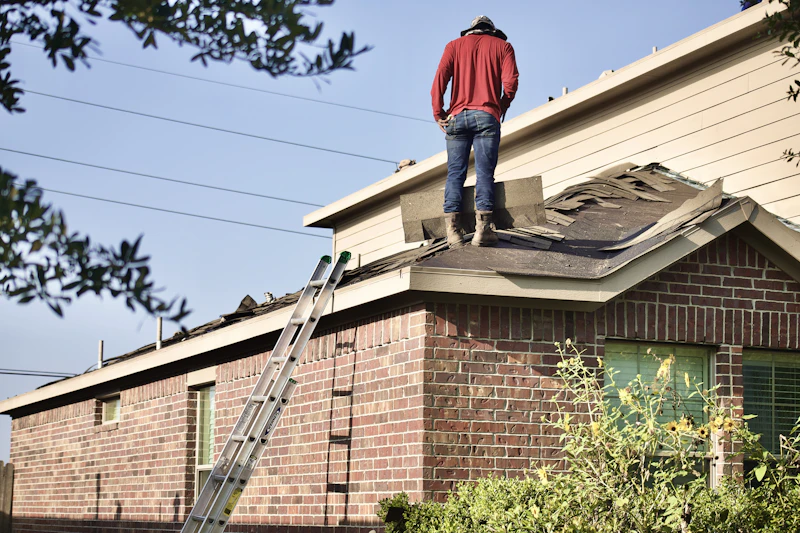
Based on Bureau of Labor Statistics wage data for the Dallas-Fort Worth-Arlington metropolitan area, roofing in Arlington costs between $2,290 and $15,640, with an average of $5,480.
Roofing Cost Breakdown — Arlington, TX
| Service/Item | Low Estimate | Average | High Estimate |
|---|---|---|---|
| Asphalt Shingles (per sq) | $120 | $160 | $240 |
| Metal Roofing (per sq) | $330 | $440 | $630 |
| Flat Roof Repair | $230 | $320 | $490 |
| Full Replacement (2,000 sq ft) | $4,170 | $5,480 | $7,670 |
| Roof Inspection | $20 | $30 | $60 |
| Gutter Installation (per ft) | $10 | $10 | $20 |
How Roofing Pricing Works in the Dallas-Fort Worth-Arlington Area
Arlington’s roofing market reflects a blend of regional weather demands, construction norms, and labor economics unique to North Texas.
With summer temperatures routinely hitting 95–105°F and high humidity, roofing materials face accelerated UV exposure and thermal expansion, pushing demand for heat- and moisture-resistant products. Add in frequent severe thunderstorms, hail events—especially in the northern parts of Tarrant County—and occasional tornado threats, and it’s clear why durability drives material selection and cost.
Labor plays a major role in pricing. According to the Bureau of Labor Statistics, the average wage for roofers in this region is $21.86 per hour.
However, most roofing contractors apply a standard markup—typically 25–40%—to cover overhead, equipment, insurance, project management, and profit. This means labor costs scale quickly on larger or more complex homes, especially those with multiple stories, steep pitches, or intricate detailing common in newer Fort Worth-area subdivisions.
Material choices also vary by neighborhood. In Arlington’s older urban cores, you’ll find historic bungalows with low-slope roofs needing specialty underlayment and ventilation retrofits.
In contrast, modern developments in the southern and western parts of the city often feature slab-on-grade homes with brick veneer and hip roofs, requiring full tear-offs and code-compliant flashing at masonry interfaces.
These differences influence both labor hours and material specs. Homeowners may also want to compare Roofing in Dallas.
Despite these pressures, overall roofing costs in Arlington run about 3% below the national average. For a nearby comparison, check Roofing in Houston.
This is due in part to competitive pricing among local contractors, a dense network of supply distributors in the DFW metro, and efficient permitting processes in Tarrant County.
However, post-storm demand spikes—especially after hail events in spring—can temporarily inflate prices and extend timelines due to labor shortages. Homeowners may also want to compare kitchen remodel costs in Arlington.
Another factor: Texas has no statewide contractor licensing. While Arlington doesn’t require a city-specific roofing license, contractors must still pull permits through Tarrant County or the city, depending on project scope.
Many reputable roofers hold certifications from manufacturers (like GAF or Owens Corning) or are licensed by the Texas Department of Licensing and Regulation (TDLR) for related trades. Always verify permit requirements before work begins—unpermitted roofing can void warranties and complicate insurance claims.
What to Expect During the Estimate Process
Start by contacting three to four licensed, insured roofing contractors with proven experience in Arlington.
The best ones will schedule an on-site inspection within 2–5 business days, especially during peak seasons like late spring or early fall. During the visit, a project manager or lead estimator will walk the roof, assess decking condition, check for signs of water intrusion, and evaluate flashing, vents, and chimney details.
They’ll also inspect the attic for ventilation adequacy and moisture buildup—critical in Arlington’s humid climate.
Poor airflow under the roof deck can lead to mold, shingle deterioration, and higher cooling costs. The estimator will take measurements, note roof pitch and obstructions (like skylights or solar panels), and discuss material options that suit your home’s style and exposure.
Within 1–3 days, you should receive a detailed proposal outlining scope, materials, labor, timeline, and warranty terms. Most full roof replacements in Arlington take 2–5 days from tear-off to final cleanup, depending on size and weather.
Smaller repair jobs may be completed in a single day. Delays often stem from rain or material delivery issues, especially if custom colors or impact-resistant shingles are ordered. Related: bathroom remodel costs in Arlington.
Permitting is typically handled by the contractor. In Arlington, roofing permits require proof of insurance and sometimes engineering stamps for structural modifications. See how costs compare: Roofing in Fort Worth.
Once approved, work can begin immediately. Always confirm that the contractor schedules a final inspection with the city or county—this ensures code compliance and protects your investment.
DIY vs. Professional Roofing: When It Makes Sense
| Safe for DIY | Hire a Pro |
|---|---|
| Replacing a few damaged shingles on a low-slope, accessible roof | Full roof replacement or tear-off involving decking repairs |
| Sealing minor flashing leaks around vents or pipes | Working on roofs with pitch greater than 6:12 or over two stories |
| Installing gutter guards or minor fascia touch-ups | Projects requiring building permits or structural assessments |
| Cleaning gutters and inspecting for debris buildup | Repairing or replacing chimney flashing, especially on brick veneer homes |
| Applying roof cement to small, isolated leaks | Post-storm damage assessment and insurance claim documentation |
Roofing is one of the most hazardous home improvement tasks. Falls account for the majority of serious injuries, and Arlington’s frequent summer heat increases the risk of dehydration or heat exhaustion.
Even experienced DIYers often overlook code requirements—like proper underlayment layers or ice-and-water shield placement—which can lead to leaks and failed inspections. Hiring a licensed professional ensures compliance with local codes, proper permitting, and access to manufacturer warranties that typically require certified installation.
Questions to Ask Before Signing a Contract
Texas doesn’t license general contractors at the state level, so due diligence is critical.
While cities like Dallas and Fort Worth require trade-specific permits for roofing, Arlington relies on county-level oversight through Tarrant County Building Inspection. Always verify that your contractor is registered, insured, and willing to pull permits.
- Are you licensed and insured? Ask for proof of liability insurance and workers’ comp. Uninsured workers on your property expose you to liability.
- Will you pull the permit? The contractor should handle permitting and schedule final inspections. Avoid those who suggest skipping this step.
- What’s included in the quote? Confirm whether tear-off, disposal, decking repairs, flashing, and ventilation upgrades are itemized.
- What warranties apply? Look for both workmanship (1–10 years) and manufacturer (25+ years) coverage. Ask how claims are processed.
- Can you provide references in Arlington? Local projects demonstrate familiarity with area-specific issues like clay soil expansion and storm patterns.
- What happens if hail or rain interrupts the job? A solid contract includes weather contingency plans and tarping protocols.
Red flags include requests for large upfront payments (more than 10–20%), pressure to sign immediately after a storm, or offers to “handle the insurance claim for you.” Reputable contractors will never pressure you—they’ll give you time to review, compare bids, and make an informed decision.
What Affects Roofing Costs in Arlington?
What Affects Roofing Costs in Arlington?
Homeowners in Arlington, TX face unique factors that influence roofing costs, from local labor trends to severe weather patterns. Understanding these elements helps in planning and budgeting for repairs or replacements in the Dallas-Fort Worth-Arlington area.
- Local labor rates — Arlington’s roofing labor averages $21.86 per hour, about 3% below the national average due to lower cost of living and limited union presence in residential construction. High regional demand during storm season keeps skilled labor busy, but competitive pricing persists among independent contractors.
- Seasonal demand — Roofing demand peaks in late spring and early fall when weather permits work between summer heatwaves and storm seasons. Contractors often charge 10–20% more during these high-demand windows, especially after hail storms in April–June.
- Project scope — A minor repair for wind-lifted shingles or flashing damage costs significantly less than a full tear-off and replacement. Larger or complex roofs with multiple layers, decking issues, or hidden water damage can drive estimates higher, especially in older neighborhoods like Arlington Heights.
- Permits & inspections — Texas doesn’t license contractors statewide, but Arlington and nearby cities like Dallas require trade-specific permits for roofing work. Permit fees typically range from $50 to $300 and are often included in contractor quotes to ensure code compliance and insurance validity.
- Materials quality — Builder-grade three-tab asphalt shingles cost less than premium architectural or impact-resistant shingles rated for Texas hail. Upgrades like synthetic underlayment, ridge vents, or Class 4 shingles can increase material costs by 30–50%, but improve durability in DFW’s severe weather.
- Property characteristics — Most Arlington homes are slab-on-grade with one to two stories and brick veneer, affecting roof access and scaffold needs. Steep pitches, tight lots in established areas like Far North Arlington, or roofs with multiple valleys and dormers require more labor and time.
- Emergency vs scheduled — Storm damage from summer thunderstorms or winter ice often triggers emergency calls, with after-hours or weekend service running 1.5 to 2 times standard rates. Scheduling during off-peak months avoids rush fees and ensures better contractor availability.
Popular Roofing Brands in Arlington
Frequently Asked Questions
How much does roofing cost in Arlington, TX?
The average roofing cost in Arlington, TX is $5,480, with prices typically ranging from $2,290 to $15,640 depending on roof size, materials, and labor. This aligns with regional labor rates, where roofers earn an average of $21.86 per hour according to the U.S. Bureau of Labor Statistics (BLS). Costs can vary significantly based on whether you're replacing or repairing, and the type of shingles or materials used. Local market competition and moderate material transportation expenses also help keep overall costs in check.
Why is roofing less expensive in Arlington than the national average?
Roofing in Arlington tends to be less expensive than the national average due to lower labor costs, with roofers earning $21.86 hourly per BLS data—below the national average for many metropolitan areas. Additionally, proximity to major suppliers in the Dallas-Fort Worth-Arlington metro reduces material transportation costs. The competitive local contracting market also helps keep pricing transparent and affordable for homeowners. Mild weather compared to regions with harsher climates reduces emergency repair demand spikes, stabilizing prices.
How can I save money on roofing in Arlington?
You can save money on roofing in Arlington by scheduling projects during off-peak seasons, such as late fall or winter, when contractors may offer discounts due to lower demand. Getting multiple bids helps leverage competitive pricing in the local market, where labor averages $21.86/hour (BLS). Opting for standard asphalt shingles instead of premium materials can significantly reduce material costs. Also, performing regular roof maintenance can prevent costly repairs and extend the life of your roof, delaying full replacement.
Do I need a permit for roofing in TX?
Yes, most roofing projects in Arlington, TX require a permit, especially for full replacements or structural repairs. The City of Arlington's Development Services Department enforces building codes and typically requires permits to ensure work meets safety and quality standards. Permits are usually obtained by licensed contractors, so hiring a licensed professional ensures compliance. Failure to secure a permit can result in fines or complications when selling your home.
How long does roofing take in Arlington?
A typical roof replacement in Arlington takes 1 to 3 days, depending on the size and complexity of the roof, weather conditions, and material availability. Smaller repair jobs may be completed in a single day, while larger homes or those with intricate designs may take longer. Contractors in the area generally work efficiently due to the region's flat terrain and accessible housing layouts. Delays can occur during rainy seasons, so scheduling during dry months improves timeline reliability.
What warranty should I expect from a roofing contractor?
In Arlington, a reputable roofing contractor should offer both a manufacturer's warranty on materials—typically 25 to 30 years for asphalt shingles—and a labor warranty covering workmanship, usually for 2 to 10 years. Some contractors may provide extended labor warranties if you use premium products or schedule regular maintenance. Always verify warranty terms in writing and understand what's covered, such as wind damage or leaks. Warranties are a sign of contractor confidence and are standard among licensed professionals in the DFW area.
What's the best time of year for roofing in Arlington?
The best time for roofing in Arlington is late spring to early fall, particularly April through October, when dry weather and mild temperatures allow for consistent workdays. Avoiding the summer peak heat in July and August can help secure better contractor availability and pricing. Scheduling during this window reduces the risk of weather-related delays common in winter months. With average roofer wages at $21.86/hour (BLS), labor costs remain stable, making timing a key factor for efficiency and savings.
