How Much Does Plumbing Cost in Arlington, TX?
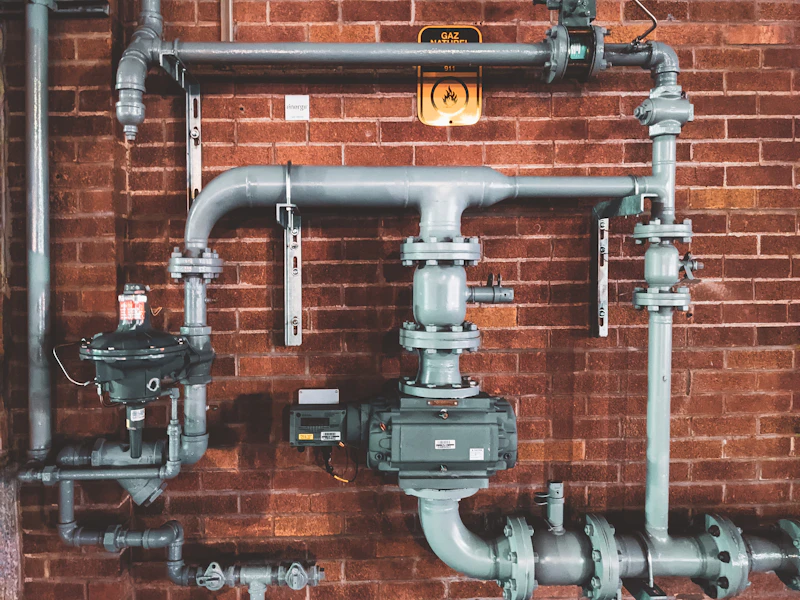
Based on Bureau of Labor Statistics wage data for the Dallas-Fort Worth-Arlington metropolitan area, plumbing in Arlington costs between $80 and $3,360, with an average of $340.
Plumbing Cost Breakdown — Arlington, TX
| Service/Item | Low Estimate | Average | High Estimate |
|---|---|---|---|
| Faucet Repair/Replace | $90 | $120 | $180 |
| Toilet Repair | $80 | $120 | $190 |
| Water Heater Install | $1,070 | $1,380 | $1,900 |
| Drain Cleaning | $50 | $70 | $120 |
| Pipe Leak Repair | $130 | $190 | $300 |
| Sewer Line Repair | $1,520 | $2,050 | $2,970 |
In Arlington, where summer heat routinely pushes past 100°F and sudden storms can overwhelm aging drainage systems, plumbing isn’t just about convenience—it’s about resilience. Whether you're renovating a mid-century bungalow near Downtown or upgrading a new build in the Great Southwest area, understanding what drives plumbing costs here helps you avoid overspending and underpreparing.
Why Plumbing Costs Vary in Arlington
Plumbing in Arlington reflects a blend of regional climate demands, construction norms, and labor economics. The U.S.
Bureau of Labor Statistics reports a local plumber’s average wage at $28.47/hr—lower than in coastal metro areas but competitive within Texas.
Contractors typically apply a markup of 20–35% on labor and materials to cover overhead, insurance, and project management. This keeps total project costs about 3% below the national average, a modest saving that can disappear fast with poor planning.
Local conditions heavily influence scope and pricing. Slab-on-grade foundations dominate both older neighborhoods like Arlington Heights and new developments such as Shady Oaks.
When leaks occur under slabs, repairs require jackhammering concrete, increasing labor and restoration costs.
Brick veneer exteriors, common in both vintage homes and modern builds, complicate access to wall-embedded supply lines, often requiring masonry work to open and reseal. Homeowners may also want to compare Plumbing in Dallas.
Weather plays a direct role. While freezing pipes are rare due to mild winters, the intense summer heat (95–105°F from June to September) accelerates wear on PVC drain lines and outdoor hose bibs. For a nearby comparison, check Plumbing in Houston.
Sudden severe storms—especially in spring—can trigger flash flooding, overwhelming sewer laterals and sump systems. Areas near Johnson Creek or the Trinity River floodplain see higher demand for backwater valves and upgraded drainage, adding to project complexity.
Tornado risks in North Texas mean some homeowners invest in reinforced utility connections, though hurricane threats remain minimal compared to the Gulf Coast. Homeowners may also want to compare electrical costs in Arlington.
Newer subdivisions often have standardized plumbing layouts, making replacements more predictable.
In contrast, older urban cores may contain galvanized steel pipes or cast iron drains, requiring full repiping for reliability. These hidden conditions aren’t always visible until work begins, which is why experienced contractors in Arlington build contingency allowances into their bids.
Comparing Quotes: Budget vs. Mid-Range vs. Premium
| Feature | Budget | Mid-Range | Premium |
|---|---|---|---|
| Materials | Basic PEX or PVC, economy fixtures | Cross-linked PEX-A, CPVC for supply lines, mid-tier faucets | Stainless steel or copper supply lines, high-efficiency fixtures (WaterSense), tankless water heater integration |
| Labor Approach | Minimal drywall/masonry repair, limited access optimization | Strategic routing to minimize structural damage, included patching | Full access planning, camera inspections, slab scanning, restoration by specialty trades |
| Warranty | 1-year labor, manufacturer-only on parts | 2-year labor, 5-year on major components | 5-year system-wide labor warranty, transferable coverage |
| Timeline | Fastest completion, may overlap with other trades | Staged workflow, coordination with electric or HVAC if needed | Dedicated crew, detailed scheduling, pre-installation walkthroughs |
| Inspection & Compliance | Meets minimum city code | Exceeds IPC standards, includes pressure testing report | Third-party verification, backflow prevention, city permit management included |
| Service Access | Limited after-hours support | Extended business hours, 24-hour callback for leaks | 24/7 emergency line, annual system checkups included |
Seasonal Pricing Patterns in TX
Arlington’s climate creates predictable shifts in plumbing demand and pricing. Summer brings peak stress on water heaters and cooling systems, while spring storms often expose drainage flaws. Knowing when to schedule work can save time and money.
- Schedule major repairs or repiping in late fall (October–November) when demand drops and crews have better availability.
- Book water heater replacements before winter (December–February), even though temps are mild—failure during cold snaps leads to emergency rates.
- Avoid scheduling outdoor drainage work during spring storm season (March–May); flooded sites delay projects and increase labor hours.
- Use summer AC service visits as an opportunity to inspect refrigerant lines and condensate drains—many plumbers offer bundled HVAC/plumbing checks.
- Confirm the contractor holds a valid TSBPE license and carries general liability and workers’ comp insurance. Request certificates and check expiration dates.
- Ask if they pull permits and schedule city inspections. Reputable firms handle this; others may skip it to cut costs, risking fines or failed resale inspections.
- Require a written scope of work detailing materials, brands, and disposal of old fixtures—especially important when removing cast iron or asbestos-wrapped pipes in older homes.
- Check for local experience with slab leaks and municipal sewer connections. Contractors familiar with Arlington’s clay-heavy soil and city tap fees avoid costly surprises.
- Review at least three recent Arlington-area references, focusing on projects similar in scope to yours.
- Get a line-item estimate. If labor is bundled or materials aren’t specified, ask for clarification—this can hide cost inflation or subpar substitutions.
- Local labor rates — Arlington’s average plumbing labor rate is about 3% below the national average, influenced by the region’s relatively lower cost of living and limited union presence in residential trades. High competition among contractors and steady demand across the growing DFW suburbs help keep hourly rates competitive.
- Seasonal demand — Summer brings peak demand due to aging systems failing under extreme heat (95–105°F) and increased water usage for irrigation and cooling. Emergency repairs surge during severe storm and hail seasons, leading to 10–20% higher service costs in late spring and summer compared to the milder winter months.
- Project scope — A minor leak repair may involve minimal labor and parts, while a full repipe or sewer line replacement requires extensive work, especially in slab-on-grade homes common in Arlington’s post-2000 subdivisions. The difference in scope—access, materials, and time—drives significant variation between lowball and accurate high-end estimates.
- Permits & inspections — Texas doesn’t license contractors statewide, but cities like Arlington often require permits for major plumbing work to ensure code compliance. Permit fees typically range from $50 to $300 depending on project type, and skipping them can lead to fines or issues when selling your home.
- Materials quality — Choosing between builder-grade PEX or PVC and premium options like copper or tankless water heaters can result in a 30–50% price difference. Higher-end materials offer longer lifespans and better performance in North Texas’s hard water conditions but increase upfront costs.
- Property characteristics — Older homes in established Arlington neighborhoods may have galvanized steel pipes prone to corrosion, while newer builds on slab foundations require specialized slab leak detection. Brick veneer walls and multi-story layouts also complicate access, increasing labor time and cost.
- Emergency vs scheduled — After-hours, weekend, or holiday service—common during sudden pipe bursts after freeze events or storms—can cost 1.5 to 2 times the standard rate. Scheduling non-urgent work during regular business hours helps avoid these premiums.
Emergency rates apply after hours, weekends, or during severe weather events when response time is critical. These can add 50–100% to standard labor. Related: roofing costs in Arlington.
Avoid them by addressing slow drains, dripping valves, and fluctuating water pressure before they escalate.
Install smart water sensors near water heaters and under sinks—several Arlington utility programs offer rebates for leak detection devices. See how costs compare: Plumbing in Fort Worth.
Hiring the Right Contractor in Arlington
Texas doesn’t have statewide licensing for general contractors, and plumbing regulations vary by city. Arlington follows the Uniform Plumbing Code and requires permits for most work, but doesn’t mandate city-specific contractor licensing.
Instead, plumbers must hold a state-issued license from the Texas State Board of Plumbing Examiners (TSBPE) or work under a licensed master plumber. Always verify this—unlicensed workers can void insurance claims and fail inspections.
Red flags include requests for full payment upfront, reluctance to provide references, or pressure to skip permits. During estimates, ask how they’ll handle unexpected slab damage or pipe corrosion.
A detailed, thoughtful response signals preparedness. A vague one means you’re likely on the hook for change orders later.
What Affects Plumbing Costs in Arlington?
What Affects Plumbing Costs in Arlington?
Homeowners in Arlington, TX face unique factors that influence plumbing repair and installation costs. From local labor trends to weather-related demand spikes, understanding these elements helps you plan and budget effectively for plumbing services in the Dallas-Fort Worth-Arlington metro.
Popular Plumbing Brands in Arlington
Frequently Asked Questions
How much does plumbing cost in Arlington, TX?
The average plumbing cost in Arlington, TX is $340, with prices typically ranging from $80 to $3,360 depending on the job complexity. Labor rates average $28.47 per hour, according to the U.S. Bureau of Labor Statistics (BLS), which helps keep overall costs competitive. Common services like drain cleaning or faucet replacement fall on the lower end, while full repipes or water heater installations approach the higher end. These figures reflect the Dallas-Fort Worth-Arlington metro area's overall pricing trends.
Why is plumbing less expensive in Arlington than the national average?
Plumbing in Arlington tends to be less expensive than the national average due to lower labor costs and overhead for contractors. The BLS reports an hourly mean wage of $28.47 for plumbers in the area, below the national average for many high-cost metro regions. Additionally, competition among licensed contractors in the DFW metro keeps service prices competitive. Lower material transportation costs and regional code efficiencies also contribute to reduced overall expenses.
How can I save money on plumbing in Arlington?
You can save money by scheduling routine maintenance to prevent costly emergency repairs, such as slab leak detection or sewer line replacements. Getting multiple quotes from licensed Arlington plumbers helps ensure fair pricing based on the local $28.47/hr BLS rate. Opting for off-peak scheduling, like mid-week or non-summer months, may also lead to lower labor charges. Always confirm whether estimates include both labor and materials to avoid surprise fees.
Do I need a permit for plumbing in TX?
Yes, most plumbing work in Texas requires a permit, especially for new installations, water heater replacements, or sewer line repairs. The Texas State Board of Plumbing Examiners enforces these rules to ensure compliance with state plumbing codes. Permits are typically pulled by licensed contractors, who also arrange for required inspections. Failure to obtain permits can result in fines and complications during home sales.
How long does plumbing take in Arlington?
Simple plumbing repairs like fixing a leak or unclogging a drain usually take 1–2 hours, aligning with the local $28.47/hr labor rate. Larger jobs such as water heater installation or repiping a bathroom can take 1–3 days depending on complexity. Most licensed contractors in Arlington provide time estimates upfront based on job scope and material availability. Emergency services may offer same-day response but at a premium.
What warranty should I expect from a plumbing contractor?
Most reputable plumbing contractors in Arlington offer a warranty of 1–2 years on labor, while manufacturer warranties typically cover fixtures and water heaters for longer periods. Some companies may extend warranties for premium service packages or new installations. Always get the warranty terms in writing and verify what’s covered—especially important given the average $340 service cost. Warranties are a sign of contractor confidence and adherence to local code standards.
What's the best time of year for plumbing in Arlington?
The best time for plumbing work in Arlington is late fall or winter, when demand is lower and contractors may offer better rates or faster scheduling. Summer brings high demand for water heater repairs and AC drain line maintenance, potentially increasing wait times. Scheduling non-emergency work during off-peak months helps avoid delays and aligns with the $28.47/hr BLS labor rate without rush fees. Cooler months also make it easier to detect hidden leaks before peak usage season.
