How Much Does Electrical Cost in Clearwater, FL?
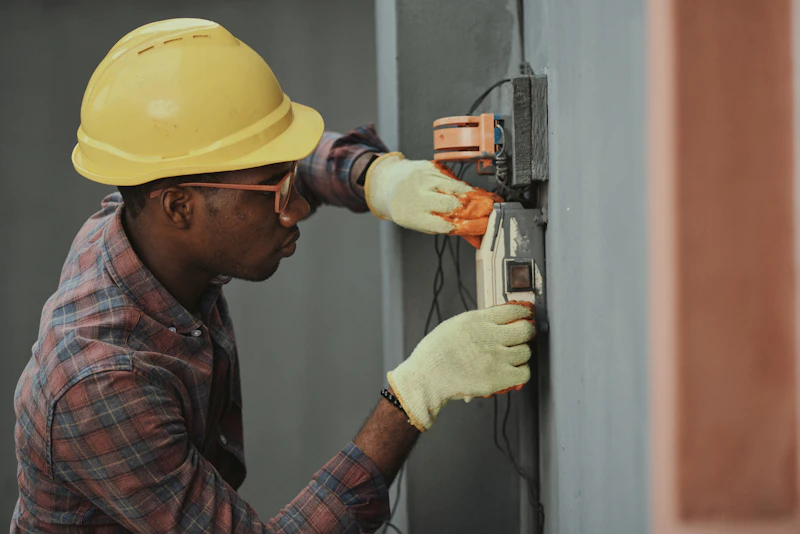
Based on Bureau of Labor Statistics wage data for the Tampa-St. Petersburg-Clearwater metropolitan area, electrical in Clearwater costs between $80 and $4,620, with an average of $670.
Electrical Cost Breakdown — Clearwater, FL
| Service/Item | Low Estimate | Average | High Estimate |
|---|---|---|---|
| Outlet Installation | $50 | $70 | $110 |
| Ceiling Fan Install | $170 | $240 | $360 |
| Panel Upgrade (200 amp) | $1,400 | $1,850 | $2,600 |
| EV Charger Install | $740 | $970 | $1,360 |
| Whole House Rewiring | $2,910 | $3,870 | $5,520 |
| Light Fixture Install | $70 | $90 | $150 |
How Electrical Pricing Works in the Tampa-St. Petersburg-Clearwater Area
Clearwater’s electrical costs reflect more than just labor and materials—they’re shaped by climate, code, and coastal construction. While the U.S.
Bureau of Labor Statistics reports an average electrician wage of $29.02/hr, most licensed contractors in this metro area operate with a markup that accounts for overhead, insurance, and compliance with Florida’s strict building codes.
Even though overall electrical pricing here runs about 2% below the national average, the work is anything but standard. What looks like a simple circuit upgrade can quickly involve hurricane-rated enclosures, corrosion-resistant wiring, or retrofitting into concrete block (CBS) walls—common in local homes built for durability in high-wind zones.
The subtropical environment demands more from every electrical system. Humidity regularly exceeds 80%, accelerating corrosion in junction boxes and service panels, especially near the coast where salt air eats at copper and aluminum components.
That’s why coastal properties from Clearwater Beach to Indian Rocks often require marine-grade materials and sealed conduits—upgrades not typically needed inland.
Termites, active year-round, can damage non-metallic sheathed cable, pushing many homeowners toward armored or metal-clad wiring in vulnerable areas. These aren’t optional extras; they’re code-mandated protections under the Florida Building Code (FBC), which exceeds the International Residential Code (IRC) in durability and storm resistance.
Stilt homes along the Gulf Intracoastal Waterway add another layer of complexity. Running feeder lines from ground-level utility connections to elevated living spaces means longer wire runs, additional support, and compliance with wind-load requirements for conduit bracing.
Flat or low-slope roofs common in mid-century and modern homes limit attic access, making rewiring or adding circuits a labor-intensive process.
And with nearly every home featuring a screened-in pool, outdoor electrical work must meet GFCI and bonding requirements within 10 feet of water—plus use UV-resistant cable to withstand relentless sun exposure. Homeowners may also want to compare Electrical in Miami.
Contractor pricing reflects these realities.
A straightforward outlet install might start near the base labor rate, but when you factor in FBC-compliant materials, permit fees, and the need for licensed electricians (required by the Florida Department of Business and Professional Regulation), the final cost reflects the region’s unique demands—not just time on the job. For a nearby comparison, check Electrical in Pompano Beach.
What to Expect During the Estimate Process
Start with a call or online request. Reputable electricians in Clearwater typically respond within 24 hours.
The first step is a site visit—no credible contractor will quote complex work without seeing your home. Homeowners may also want to compare plumbing costs in Clearwater.
During the estimate, the electrician will assess panel capacity, wiring condition, and existing circuit layout.
They’ll also check for signs of moisture intrusion, especially in coastal homes where stucco can trap water near outlets or meters. If you’re planning a major upgrade—like a panel replacement or whole-house rewiring—they’ll map out access points, noting how concrete block walls or slab foundations affect routing.
You’ll receive a written estimate that breaks down labor, materials, and permit costs. For jobs over $500, a permit is required, and your contractor should handle filing with the local building department.
Timeline depends on scope: a new outlet or light fixture might take a day, but a full service upgrade—including utility coordination, inspection, and final approval—can take 1–2 weeks from start to finish.
Inspections are strict in this metro area, especially within one mile of the coast where hurricane-rated materials are mandatory. Delays often come from back-and-forth on code compliance, not the work itself.
Expect clear communication throughout.
The best contractors provide a schedule, contact info for the lead electrician, and updates if weather or material shortages cause delays. In hurricane season, outdoor electrical work may be paused during tropical alerts—another reason to plan major projects in the drier months from November to April.
DIY vs. Professional Electrical: When It Makes Sense
| Safe for DIY | Hire a Pro |
|---|---|
| Replacing light fixtures (same location, same load) | Installing new circuits or outlets |
| Swapping out switches or outlets (existing boxes, no rewiring) | Upgrading electrical panels or main service |
| Adding plug-in GFCI outlets in dry areas | Any work involving the main panel or service drop |
| Installing battery-powered smoke detectors | Wiring for pools, spas, or outdoor kitchens |
| Connecting portable generators to transfer switches (if pre-wired) | Running new wiring through concrete block or stilt structures |
DIY electrical work is limited in Florida. Even minor changes can violate the FBC or void homeowner insurance if not permitted and inspected. Related: hvac costs in Clearwater.
Licensed electricians carry liability insurance and are bonded—critical if a wiring error causes fire or fails inspection.
In Clearwater, where termite damage and moisture compromise wiring integrity, professional assessment is not just safer—it’s smarter long-term. See how costs compare: Electrical in Fort Lauderdale.
Questions to Ask Before Signing a Contract
Florida’s electrical work is tightly regulated. The Department of Business and Professional Regulation (DBPR) requires licensing for all electrical contractors.
Never hire someone who can’t provide their license number on request. Within one mile of the coast, hurricane-rated materials are mandatory—ask for proof of compliance. The Florida Building Code also requires permits for nearly all electrical work over $500, and inspections are non-negotiable.
- Is your electrical license active and issued by the DBPR? Can I verify it online?
- Will you pull the permit and schedule inspections, or is that my responsibility?
- Are materials compliant with FBC Chapter 38 for high-velocity hurricane zones?
- Does the quote include surge protection and GFCI/AFCI devices where required?
- What’s your process if the inspector flags an issue?
- Do you use marine-grade components for coastal homes exposed to salt air?
Red flags: contractors who ask for full payment upfront, refuse to provide a written contract, or suggest skipping permits.
If an estimate seems too low, it may exclude code-required upgrades. Always confirm they’ve worked on CBS or stilt homes if that’s your property type—experience with local construction is non-negotiable.
What Affects Electrical Costs in Clearwater?
What Affects Electrical Costs in Clearwater?
Homeowners in Clearwater, FL face unique factors that influence electrical repair and upgrade costs. From subtropical weather to local building codes, these elements shape both project complexity and pricing. Understanding them helps you budget wisely and avoid surprises.
- Local labor rates — Electricians in Clearwater earn an average of $29.02 per hour, about 2% below the national average. This is due to a moderate cost of living and limited union presence, though high demand during hurricane prep season can tighten labor availability and push rates upward temporarily.
- Seasonal demand — Electrical work peaks in late spring and early summer as homeowners prepare for hurricane season and higher AC usage. During these months, contractors may charge 10–20% more due to increased demand, while fall and winter offer more availability and potentially lower rates.
- Project scope — A simple outlet replacement differs drastically from a full panel upgrade or rewiring an older home. The gap in estimates often comes from hidden wiring issues, circuit load requirements, and whether existing infrastructure meets current Florida Building Code standards for wind resistance and moisture protection.
- Permits & inspections — Most electrical work in Clearwater requires a permit through the Florida Department of Business and Professional Regulation (DBPR) and a local inspection. Within one mile of the coast, hurricane-rated materials and elevated installations are mandatory, adding complexity. Permit fees typically range from $50 to $300 depending on project size.
- Materials quality — Choosing corrosion-resistant, marine-grade electrical components (like stainless steel conduit, GFCI outlets, and salt-air-rated breakers) can cost 30–50% more than builder-grade but are essential near the coast. Premium materials improve longevity in Clearwater’s 80%+ humidity and salty air.
- Property characteristics — Older concrete block (CBS) homes and stilt-style coastal properties present access challenges that increase labor time. Stucco walls, flat roofs, and limited attic space common in the Tampa-St. Petersburg-Clearwater area can complicate wiring runs and raise costs compared to standard framed homes.
- Emergency vs scheduled — After-hours, weekend, or storm-related electrical calls—common during hurricane season—can cost 1.5 to 2 times the standard rate. Scheduling non-urgent work during weekdays avoids these premiums and ensures faster service availability.
Popular Electrical Brands in Clearwater
Frequently Asked Questions
How much does electrical cost in Clearwater, FL?
The average cost for electrical work in Clearwater, FL is $670, with prices typically ranging from $80 to $4,620 depending on the job's complexity. Labor rates average $29.02 per hour, based on U.S. Bureau of Labor Statistics (BLS) data for the Tampa-St. Petersburg-Clearwater metro area. This includes services like outlet installation, panel upgrades, or wiring repairs. Costs can vary based on materials, permits, and the contractor's experience.
Why is electrical less expensive in Clearwater than the national average?
Electrical labor in Clearwater averages $29.02 per hour, which is below the national average, according to BLS data. Lower overall cost of living and competitive local market conditions contribute to reduced rates. Additionally, Florida's standardized electrical codes help streamline work, reducing time and overhead for contractors. These factors combine to make electrical services more affordable compared to many other U.S. metro areas.
How can I save money on electrical in Clearwater?
You can save money by scheduling electrical repairs or upgrades during the off-peak season, typically in late summer or early fall when demand is lower. Get multiple quotes from licensed contractors to compare pricing and ensure fair labor rates near the $29.02/hr BLS average. Bundling several electrical projects at once reduces labor costs by minimizing site visits. Always verify if permits are required—avoiding fines from unpermitted work saves money long-term.
Do I need a permit for electrical in FL?
Yes, most electrical work in Florida requires a permit, including new installations, panel upgrades, and major wiring changes. Permits ensure work complies with the Florida Building Code and are typically obtained by licensed contractors. Small repairs like replacing a switch or outlet may not require one, but it's best to check with the local Clearwater building department. Unpermitted work can lead to fines or issues during home sales.
How long does electrical take in Clearwater?
Simple electrical jobs like installing outlets or fixtures usually take a few hours to one day in Clearwater. Larger projects such as panel upgrades or whole-house rewiring can take 2–5 days depending on complexity and permit approval times. Delays may occur during hurricane season due to higher demand for storm-related electrical work. Always confirm timelines with your licensed contractor based on your project scope.
What warranty should I expect from a electrical contractor?
Most reputable electrical contractors in Clearwater offer a warranty of 1–2 years on labor, covering defects or issues arising from installation. Materials are typically covered by manufacturer warranties, which can range from 1 year to lifetime depending on the brand. Always ask for warranty terms in writing before work begins. Warranties usually exclude damage from external factors like power surges or storms.
What's the best time of year for electrical in Clearwater?
The best time for electrical work in Clearwater is late summer to early fall, after peak hurricane prep season and before winter demand rises. Scheduling during this period may lead to faster service and better contractor availability. Contractors may offer slight discounts during slower months to maintain workflow. Avoid spring and early summer when electrical demand increases due to pre-hurricane season upgrades and home improvement projects.
