How Much Does Plumbing Cost in Clearwater, FL?
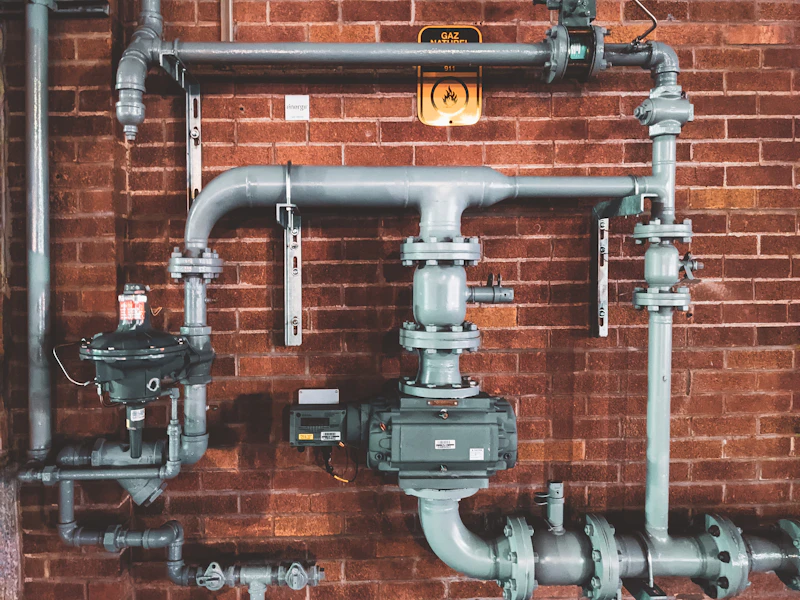
Based on Bureau of Labor Statistics wage data for the Tampa-St. Petersburg-Clearwater metropolitan area, plumbing in Clearwater costs between $80 and $3,370, with an average of $340.
Plumbing Cost Breakdown — Clearwater, FL
| Service/Item | Low Estimate | Average | High Estimate |
|---|---|---|---|
| Faucet Repair/Replace | $90 | $120 | $180 |
| Toilet Repair | $80 | $120 | $190 |
| Water Heater Install | $1,070 | $1,380 | $1,900 |
| Drain Cleaning | $50 | $70 | $120 |
| Pipe Leak Repair | $130 | $190 | $300 |
| Sewer Line Repair | $1,520 | $2,050 | $2,980 |
Complete Guide to Plumbing in Clearwater
Clearwater’s coastal charm comes with unique plumbing demands. Salt air eats away at exposed metal, relentless humidity feeds mold behind walls, and hurricane prep means every pipe and shutoff must be storm-ready.
Whether you're replacing a water heater on a stilt home near Sand Key or upgrading supply lines in a 1980s concrete block (CBS) home inland, plumbing here isn’t just about pipes—it’s about resilience.
Most homes rely on slab foundations with PEX or copper supply lines, but coastal properties often face earlier corrosion, especially where galvanized steel lingers in older builds. Termites don’t stop at wood—they chew through weak PVC, and flat roofs mean clogged drain lines can back up fast after summer thunderstorms.
Local conditions directly impact material choices and lifespan. Coastal homes within a half-mile of the Gulf require stainless steel clamps, shielded P-traps, and dielectric unions to slow salt-induced decay. Stucco exteriors hide leaks longer, making slab leak detection more complex and costly.
Pool equipment pads tied to plumbing systems demand isolation valves and backflow preventers—required under Pinellas County code.
And with hurricane season stretching from June to October, emergency shutoffs and elevated mechanical rooms are no longer optional for homes on stilts or in flood zones. These aren’t add-ons—they’re standard in a city where a Category 3 storm can saturate neighborhoods in hours.
Despite these challenges, plumbing costs in Clearwater run about 2% below the national average. This is due in part to competitive pressure among licensed contractors in the Tampa-St.
Petersburg-Clearwater metro and the widespread use of PEX, which reduces labor time compared to copper. However, premium coastal protections and storm-hardening upgrades can quickly offset those savings.
Older neighborhoods like Old Clearwater Beach or Harbor Oaks often see higher bids due to difficult access, outdated layouts, and termite-damaged chases. Homeowners may also want to compare Plumbing in Miami.
Material and Labor Cost Breakdown
In Clearwater, labor typically accounts for 60–70% of total plumbing project costs, with materials making up the remainder.
This reflects the complexity of working in tight slab-on-grade homes, retrofitting shut-offs in stucco-covered walls, and meeting county codes for flood and corrosion resistance. For a nearby comparison, check Plumbing in Pompano Beach.
The U.S. Bureau of Labor Statistics reports a mean hourly wage of $28.76 for plumbers in Florida, but fully burdened field rates—including insurance, vehicle, tools, and overhead—often double that.
Licensed contractors must also carry workers’ comp and general liability, which is non-negotiable in a litigious environment like Pinellas County. Homeowners may also want to compare bathroom remodel costs in Clearwater.
The wide gap between low and high estimates isn’t random. Lower bids may skip required permits, use non-code-compliant materials, or assume ideal access. High-end estimates often include hurricane-rated fittings, upgraded shut-offs, slab scanning, or termite-resistant enclosures.
For example, replacing a toilet in a master bath on a stilt home may require temporary deck disassembly—adding labor.
A simple faucet swap might involve dielectric unions if connecting to aging copper, or anti-siphon valves if near an irrigation line. Always ask what’s excluded: permit fees, disposal, wall repair, or inspection delays can add hidden costs.
Timeline and Scheduling Considerations
Clearwater’s subtropical climate allows plumbing work year-round, but timing affects availability, cost, and durability.
Peak demand hits in late spring as homeowners prepare for hurricane season, and again after major storms when permits flood the county system. Off-peak windows—late fall to early winter—offer faster scheduling and more contractor flexibility, especially for non-emergency upgrades like water line replacements or tankless heater installs.
- Schedule slab leak repairs or full repipes in October or November to avoid summer thunderstorm delays and pre-storm contractor backlogs.
- Book water heater replacements by early May—post-winter failures spike, and supply chain hiccups can delay units during hurricane prep season.
- Avoid scheduling drain line work during prolonged rainy periods; saturated ground increases collapse risk in trenching jobs, especially near coastal dunes.
- Coordinate plumbing upgrades with roof or stucco repairs—access holes can be sealed together, reducing long-term moisture intrusion.
- Complete backflow preventer testing and irrigation tie-ins before May 1 to meet county irrigation restrictions and avoid fines.
- Local labor rates
Plumbers in Clearwater earn a median wage of $28.76/hr (Bureau of Labor Statistics, 2024)—about 2% below the national average—due to moderate cost of living and limited union presence. However, high demand during hurricane season and strict licensing through the Florida Department of Business & Professional Regulation (DBPR) help sustain competitive wages.
- Seasonal demand
Plumbing services peak during hurricane season (June–November) and the dry season (November–May), when homeowners prepare for storms or address leaks from heavy rains. Off-peak months (June–September) may offer 10–20% lower rates due to reduced demand, though storm emergencies can override pricing trends.
- Project scope
A simple faucet repair differs drastically in cost from a full repipe of a 1970s concrete block (CBS) home. Larger projects require more labor, materials resistant to humidity and salt air, and potential drywall or stucco repairs, driving significant variation between low and high estimates.
- Permits & inspections
Most plumbing work in Clearwater requires a permit from local authorities and must comply with Florida Building Code, especially hurricane-rated materials within 1 mile of the coast.
Permit fees typically range from $50 to $300, depending on project size and jurisdiction (e.g., Pinellas County vs. City of Clearwater).
- Materials quality
Homeowners can choose between builder-grade PEX or PVC and premium corrosion-resistant options like chlorinated polyvinyl chloride (CPVC) or copper, which better withstand humidity and salt air. Upgrading materials can increase costs by 30–50%, but improves longevity in coastal environments.
- Property characteristics
Older CBS homes, stilt houses on barrier islands, and homes with slab-on-grade foundations common in Clearwater affect access and labor time. Multi-story homes or those with enclosed plumbing chases in stucco walls require more invasive work, increasing overall costs.
- Emergency vs scheduled
After-hours, weekend, or storm-related emergency plumbing calls—common during tropical downpours or pipe bursts—can cost 1.5 to 2 times more than standard appointments. Scheduled maintenance avoids these premiums and reduces risk of flood damage in high-humidity homes.
Emergency rates apply after hours, on weekends, or during declared storm events. These are common for slab leaks, burst pipes, or failed sump pumps in flood-prone areas like Harbor Isle or Belleair Shore.
To avoid premium charges, maintain accessible main shutoffs, insulate exposed P-traps under sinks, and service sump pumps twice a year.
Know your home’s plumbing layout—especially the location of the city-side shut-off at the meter—so you can stop flooding fast. Related: roofing costs in Clearwater.
Protecting Yourself: Warranties and Guarantees
Every licensed plumbing contractor in Florida must provide a written warranty. Expect a minimum one-year labor guarantee on repairs and installations. See how costs compare: Plumbing in Fort Lauderdale.
Material warranties vary: PEX and fittings often carry 25-year manufacturer coverage, while water heaters range from 6 to 12 years depending on brand.
Always request warranty documentation in writing—oral promises aren’t enforceable. For major repipes or new construction, some contractors offer extended labor warranties (up to 5 years) if you use their preferred materials.
Verify that any plumber you hire holds active Florida licensing (State License # required), current Pinellas County business tax receipt, and proof of insurance. Ask for a certificate of insurance naming you as additionally insured during the project.
Bonding is not required for standard plumbing but is common among larger firms—useful for projects over $10,000. Never pay more than 10–30% upfront; Florida law limits down payments to prevent contractor fraud.
Before work begins, get a detailed scope in writing: include fixture models, pipe types, shut-off locations, permit responsibility, and cleanup expectations. For slab work, specify whether electronic leak detection or pressure testing will be used.
If trenching near a pool deck or seawall, confirm restoration standards. In a city where salt, storms, and termites never stop working, your plumbing contract should be as durable as the materials it covers.
What Affects Plumbing Costs in Clearwater?
What Affects Plumbing Costs in Clearwater?
Homeowners in Clearwater, FL face unique factors that influence plumbing repair and installation costs. From subtropical weather to coastal corrosion, local conditions shape pricing. Below are the key elements impacting plumbing expenses in the Tampa-St. Petersburg-Clearwater metro area.
Popular Plumbing Brands in Clearwater
Frequently Asked Questions
How much does plumbing cost in Clearwater, FL?
The average plumbing cost in Clearwater, FL is $340, with prices typically ranging from $80 to $3,370 depending on the job's complexity. Labor rates average $28.76 per hour, according to the U.S. Bureau of Labor Statistics (BLS), which helps keep overall costs competitive. Common services like drain cleaning or faucet replacement fall on the lower end, while full repipes or sewer line repairs contribute to higher expenses.
Why is plumbing less expensive in Clearwater than the national average?
Plumbing in Clearwater tends to be less expensive than the national average due in part to lower labor costs, with BLS reporting an hourly mean wage of $28.76 for plumbers in the area—below the national average. The region's flat terrain and accessible infrastructure reduce installation and repair time. Additionally, high contractor competition in the Tampa-St. Petersburg-Clearwater metro area helps keep service pricing more affordable.
How can I save money on plumbing in Clearwater?
You can save money by scheduling routine maintenance to prevent costly emergency repairs, such as clogged drains or burst pipes. Getting multiple quotes from licensed contractors in the area ensures competitive pricing based on the local average of $340. Addressing small leaks early avoids water damage and higher bills, and choosing off-peak scheduling may yield better rates from contractors.
Do I need a permit for plumbing in FL?
Yes, most plumbing work in Florida requires a permit, especially for new installations, major repairs, or system modifications. Permits ensure compliance with state plumbing codes and are typically obtained by licensed contractors. Minor repairs like replacing a fixture or repairing a leak under a sink usually don’t require one, but it’s best to verify with local Pinellas County regulations.
How long does plumbing take in Clearwater?
Simple plumbing repairs like fixing a leak or unclogging a drain usually take 1–2 hours in Clearwater. Larger jobs such as water heater replacement or repiping a bathroom can take 1–3 days depending on complexity. Response times for service calls are often same-day or next-day due to the high density of licensed contractors in the metro area.
What warranty should I expect from a plumbing contractor?
Most reputable plumbing contractors in Clearwater offer a labor warranty of 1–2 years on repairs and installations, with some providing up to 5 years for major services. Parts and fixtures typically come with separate manufacturer warranties. Always get the warranty terms in writing and confirm what’s covered, especially since local humidity and water quality can affect system longevity.
What's the best time of year for plumbing in Clearwater?
The best time for plumbing work in Clearwater is during the dry season, from November to April, when contractors are less busy with storm-related repairs. Scheduling during this period can lead to faster appointments and potentially lower prices due to reduced demand. Avoid hurricane season (June–November), when emergency plumbing needs spike, delaying non-urgent jobs.
