How Much Does Plumbing Cost in Tampa, FL?
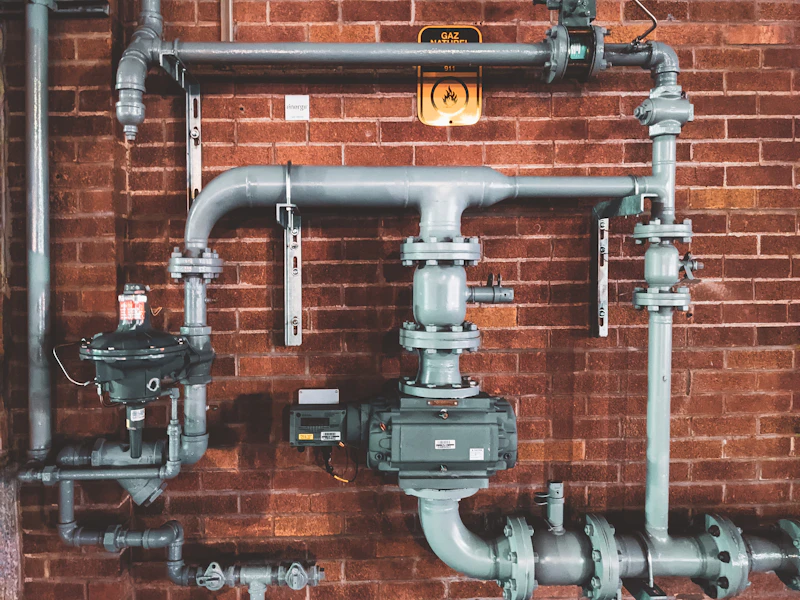
Based on Bureau of Labor Statistics wage data for the Tampa-St. Petersburg-Clearwater metropolitan area, plumbing in Tampa costs between $80 and $3,370, with an average of $340.
Plumbing Cost Breakdown — Tampa, FL
| Service/Item | Low Estimate | Average | High Estimate |
|---|---|---|---|
| Faucet Repair/Replace | $90 | $120 | $180 |
| Toilet Repair | $80 | $120 | $190 |
| Water Heater Install | $1,070 | $1,380 | $1,900 |
| Drain Cleaning | $50 | $70 | $120 |
| Pipe Leak Repair | $130 | $190 | $300 |
| Sewer Line Repair | $1,520 | $2,050 | $2,980 |
How Plumbing Pricing Works in the Tampa-St. Petersburg-Clearwater Area
Tampa’s plumbing costs are shaped by more than just supply and labor—they’re a direct response to the environment. With subtropical conditions persisting year-round, plumbing systems face constant stress from heat, humidity, and salt air, especially in coastal zones like St. Pete Beach or Clearwater.
These factors accelerate wear on pipes, fixtures, and water heaters, increasing both repair frequency and material requirements. Contractors in this metro area typically base labor on a baseline rate close to the Bureau of Labor Statistics’ reported $28.76 per hour, but this is just the starting point. Most licensed plumbing contractors apply a markup to cover overhead, insurance, compliance with Florida Building Code (FBC), and project management—especially critical when hurricane-rated materials are required within one mile of the coast.
Compared nationally, Tampa’s overall plumbing costs run about 2% below average. This slight edge comes from competitive local pricing and a deep pool of skilled tradespeople. However, that doesn’t mean corners can be cut.
The region’s concrete block (CBS) construction makes accessing plumbing behind walls more labor-intensive than in wood-frame homes. Stilt homes along the Gulf Intracoastal Waterway add complexity—running supply and drain lines vertically through pilings demands precision and often custom solutions. Flat or low-slope roofs increase the risk of water pooling, which can compromise vent stacks and roof flashings if not properly maintained.
Termites thrive in Florida’s warm climate and can damage wooden plumbing supports or access points in older homes. High humidity—often exceeding 80%—promotes mold growth behind walls when leaks go undetected, making early detection systems and proper ventilation part of any long-term plumbing strategy. Homeowners may also want to compare Plumbing in Miami.
Salt air corrosion is a silent killer for exposed copper and galvanized piping, particularly in beachfront properties from Pass-a-Grille to Indian Shores. As a result, many contractors now recommend PEX or PVC for supply lines and schedule 40 PVC for drains in coastal zones. These material choices factor directly into pricing but extend system life significantly. For a nearby comparison, check hvac costs in Tampa.
What to Expect During the Estimate Process
When you call a licensed plumber in Tampa, the process starts with a diagnostic conversation—whether it’s a slab leak in a Ybor City bungalow or a pool pump replacement in a gated community near Wesley Chapel.
The estimator will ask about symptoms, age of the home, and past plumbing work. If a site visit is needed, a technician arrives with tools to check water pressure, inspect accessible piping, and assess venting, especially important under FBC standards.
During the estimate visit, expect a visual inspection of under-sink areas, the water heater, main shutoff, and any exposed lines in the garage or crawl space. In homes with slab foundations—common across Hillsborough County—thermal imaging or acoustic testing may be used to locate leaks without destructive probing.
For renovations or new lines, the plumber will evaluate routing challenges through stucco-covered CBS walls or under tile flooring, which affects labor time. If permits are required—and they are for nearly all jobs over $500—the contractor handles filing with the local municipality, ensuring compliance with Pinellas, Hillsborough, or Pasco County codes.
Timeline expectations vary. Emergency repairs like burst pipes or sewer backups are addressed within 24 hours. Fixture replacements (toilets, faucets) typically take one day. Related: roofing costs in Tampa.
Full repipes or slab leak repairs can stretch 3–7 days, depending on access and finish restoration. Permits usually take 3–5 business days to process. For hurricane preparedness, any plumbing tied to backup generators or storm shutters must meet windborne debris zone requirements, adding coordination time but ensuring resilience when storms hit. See how costs compare: Plumbing in Orlando.
DIY vs. Professional Plumbing: When It Makes Sense
| Safe for DIY | Hire a Pro |
|---|---|
| Replacing a showerhead or aerator | Installing a new water heater |
| Unclogging a drain with a plunger or hand auger | Running new supply lines through walls or slab |
| Replacing a toilet flapper or fill valve | Repairing or replacing sewer lines, especially under slab |
| Connecting a dishwasher or washing machine supply hose | Working on gas line-fed appliances (e.g., gas water heaters) |
| Sealing minor grout or caulk around fixtures | Any work requiring a permit or inspection under FBC |
DIY repairs can save money on simple tasks, but safety and code compliance are non-negotiable. Florida law requires permits for most plumbing modifications, and insurance may not cover damage from unpermitted work.
Licensed plumbers carry bonding and liability coverage—critical if a DIY attempt leads to slab leaks or mold behind walls. In termite-prone areas, disturbing structural wood during plumbing access without treatment can invite infestation. When in doubt, consult a pro before turning a wrench.
Questions to Ask Before Signing a Contract
Florida’s Department of Business and Professional Regulation (DBPR) mandates state licensing for all plumbing contractors. Never hire someone without verifying their license number and checking for disciplinary history. Once you’ve confirmed credentials, use this checklist:
- Are you pulling permits for this work? In Tampa Bay, nearly all plumbing jobs over $500 require a permit and final inspection. Avoid contractors who suggest skipping this step.
- Will the materials meet Florida Building Code, especially for wind zones? Within one mile of the coast, hurricane-rated components are mandatory. Ask for product specs.
- Does your quote include slab penetration or stucco repair if needed? CBS homes often require cutting into walls or floors—restoration should be part of the bid.
- What’s your process for detecting hidden leaks in slab or wall systems? Thermal imaging or pressure testing should be used, not guesswork.
- Do you carry full liability and workers’ comp insurance? Request proof. If an uninsured worker is injured on your property, you could be liable.
- Can you provide references from recent jobs in my area? A reputable plumber will share contacts in your neighborhood—especially helpful in flood-prone zones.
Red flags include cash-only demands, refusal to pull permits, or pressure to sign immediately. If an estimator dismisses FBC requirements or suggests using non-code-compliant materials to save money, walk away. In a market where humidity, salt, and storms test every system, cutting corners today means higher costs tomorrow.
What Affects Plumbing Costs in Tampa?
What Affects Plumbing Costs in Tampa?
Homeowners in the Tampa-St. Petersburg-Clearwater metro face unique factors that influence plumbing repair and installation costs. From subtropical weather to local construction standards, these elements shape pricing across the region.
- Local labor rates
Tampa's average plumber earns $28.76 per hour—about 2% below the national average due to lower cost of living and limited union presence in the area. However, high demand during hurricane prep season and population growth in Pinellas and Hillsborough counties keeps skilled labor competitive, especially for licensed contractors.
- Seasonal demand
Plumbing demand peaks in late spring through early fall as homeowners prepare for hurricane season and increased humidity exposes hidden leaks. During this high-pressure window, service costs can rise 10–20% compared to the slower winter months when contractors offer more competitive scheduling.
- Project scope
A minor repair like fixing a leaky faucet or clearing a clogged drain costs significantly less than a full repipe or sewer line replacement. The gap in estimates often comes down to hidden damage—common in older homes with stucco or concrete block walls that require careful access and patching.
- Permits & inspections
Florida’s Department of Business and Professional Regulation (DBPR) requires licensed plumbers for most work, especially within one mile of the coast where hurricane-rated materials and wind-resistant installations are mandatory.
Permit fees typically range from $50 to $300, depending on project complexity and municipality rules in cities like St. Petersburg or Clearwater.
- Materials quality
Homeowners can choose between builder-grade PVC or PEX and premium corrosion-resistant materials like copper or chlorinated polyvinyl chloride (CPVC), which better withstand salt air and humidity. Upgrading materials can increase costs by 30–50%, but improves longevity in coastal areas like Madeira Beach or Tierra Verde.
- Property characteristics
Many Tampa Bay homes are built with concrete block (CBS), stucco exteriors, or on stilts in flood-prone coastal zones, making plumbing access more labor-intensive. Multi-story homes or older properties with outdated layouts in neighborhoods like Seminole Heights or Old Northeast add time and complexity to repairs.
- Emergency vs scheduled
After-hours, weekend, or storm-related plumbing emergencies—especially during hurricane season—can cost 1.5 to 2 times more than standard appointments. Rapid response is critical in this humid, high-rainfall climate to prevent mold and structural damage from burst or leaking pipes.
Popular Plumbing Brands in Tampa
Frequently Asked Questions
How much does plumbing cost in Tampa, FL?
The average plumbing cost in Tampa, FL is $340, with prices typically ranging from $80 to $3,370 depending on the job's complexity. This aligns with a Bureau of Labor Statistics (BLS) hourly wage of $28.76 for plumbers in the area. Costs can vary based on materials, location within the Tampa-St. Petersburg-Clearwater metro, and whether emergency services are required. Simple repairs like fixing a leaky faucet will be on the lower end, while full repipes or sewer line replacements reach the higher end.
Why is plumbing less expensive in Tampa than the national average?
Plumbing in Tampa tends to be less expensive than the national average due to lower overall labor and living costs in Florida compared to high-cost states. The Bureau of Labor Statistics reports Tampa plumbers earn $28.76/hr, which is below the national mean hourly wage for plumbers. Additionally, the competitive local market and abundance of licensed contractors help keep service rates reasonable. Climate also plays a role, as freeze-related emergencies are rare, reducing demand spikes.
How can I save money on plumbing in Tampa?
You can save money on plumbing in Tampa by scheduling repairs early before minor issues become costly emergencies. Getting multiple quotes from licensed contractors in the Tampa-St. Petersburg-Clearwater area ensures competitive pricing around the $340 average. Regular maintenance, like drain cleaning and water pressure checks, prevents expensive sewer or pipe damage. Avoiding DIY fixes on major systems also prevents costly mistakes that require professional correction.
Do I need a permit for plumbing in FL?
Yes, most plumbing work in Florida requires a permit, especially for new installations, water heater replacements, or sewer line repairs. Permits ensure work meets state and local codes and are typically pulled by licensed contractors. Minor repairs like fixing a faucet or unclogging a drain usually don’t require one. Always verify with your local municipality in the Tampa metro, as rules can vary slightly by city.
How long does plumbing take in Tampa?
Most standard plumbing jobs in Tampa, like fixing a leak or installing a toilet, take 1 to 4 hours. Larger projects such as repiping a bathroom or repairing a sewer line can take 1 to 3 days depending on complexity. The BLS-reported labor rate of $28.76/hr applies during active work time, but delays may occur due to permit processing or parts availability. Scheduling with a local contractor during off-peak seasons can reduce wait times.
What warranty should I expect from a plumbing contractor?
Most reputable plumbing contractors in Tampa offer a 1- to 2-year labor warranty on repairs and installations, in addition to manufacturer warranties on parts and fixtures. Some companies provide extended warranties for major jobs like water heater or sewer line replacement. Always get the warranty terms in writing before work begins. This protection is especially important given the average $340 cost and potential for high-end $3,370 repairs.
What's the best time of year for plumbing in Tampa?
The best time for plumbing work in Tampa is during the dry season, from November to April, when contractors have more availability and you can avoid rainy-season delays. Scheduling during this period may also help secure faster service and potentially better pricing due to lower demand. Since Tampa’s climate rarely causes frozen pipes, there’s no winter rush, making off-peak months ideal for non-emergency projects. This timing is helpful for planning around the BLS-reported $28.76/hr labor rate without emergency surcharges.
