How Much Does Plumbing Cost in Fort Lauderdale, FL?
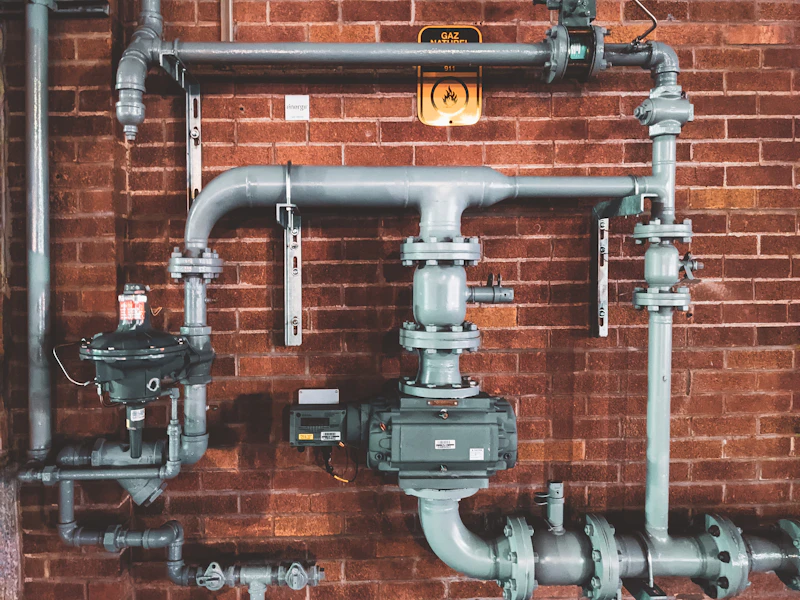
Based on Bureau of Labor Statistics wage data for the Miami-Fort Lauderdale-Pompano Beach metropolitan area, plumbing in Fort Lauderdale costs between $80 and $3,370, with an average of $340.
Plumbing Cost Breakdown — Fort Lauderdale, FL
| Service/Item | Low Estimate | Average | High Estimate |
|---|---|---|---|
| Faucet Repair/Replace | $90 | $120 | $180 |
| Toilet Repair | $80 | $120 | $190 |
| Water Heater Install | $1,070 | $1,380 | $1,900 |
| Drain Cleaning | $50 | $70 | $120 |
| Pipe Leak Repair | $130 | $190 | $300 |
| Sewer Line Repair | $1,520 | $2,050 | $2,980 |
The Fort Lauderdale Plumbing Market in 2026
Fort Lauderdale’s waterfront lifestyle fuels a steady stream of renovation projects, and plumbing sits at the heart of every remodel.
In 2026 the city’s demand for licensed plumbers remains high, driven by a combination of aging mid‑century homes and a surge of new construction in the downtown and Riverfront districts. Contractors who hold a Florida DBPR (Department of Business and Professional Regulation) license are plentiful, yet the most reputable firms are booked weeks in advance, especially during the winter months when homeowners rush to finish upgrades before the hurricane season.
The local economy, anchored by tourism, marine industries, and a growing tech corridor, keeps disposable income flowing into home improvement budgets.
When property values climb, owners are more willing to invest in high‑quality fixtures and long‑lasting pipe materials, which pushes average plumbing bids upward. Conversely, a slowdown in the rental market can temper spending, prompting contractors to offer more price‑competitive options without compromising code compliance.
Regional trends are shaping how plumbing work is approached. Hurricane‑resistant piping, such as ABS and CPVC rated for high wind uplift, has become standard within a mile of the coast.
Smart‑home water‑monitoring systems are also gaining traction, especially in luxury condos where owners seek real‑time leak detection. Finally, the push toward water‑conservation—mandated by the South Florida Water Management District—means many projects now include low‑flow fixtures and reclaimed‑water loops, adding a modest design layer but delivering long‑term savings.
How Local Housing Stock Affects Your Costs
Fort Lauderdale’s residential fabric is a mosaic of concrete block structures, elevated stilt homes along the Intracoastal, and low‑slope stucco houses that dominate the suburbs. Each construction type presents distinct plumbing challenges that influence labor and material expenses.
Concrete Block (CBS) Homes
Block walls are sturdy but often conceal older galvanized steel pipe that corrodes faster in the salty air.
Replacing these with modern PEX or copper typically requires cutting through the block, a labor‑intensive step that can extend the project timeline. Because the walls are load‑bearing, contractors must coordinate with structural engineers, adding a layer of cost beyond the basic material price.
Stilt and Elevated Homes
Homes built on pilings to protect against flooding have plumbing runs that travel vertically through the crawl space and across the stilts.
Accessing these areas demands specialized scaffolding and sometimes temporary de‑watering, both of which increase crew hours. The BLS average labor rate of $28.76/hr serves as a baseline, but the added complexity often results in higher hourly charges from local firms.
Stucco, Flat‑Roof, and Screened‑In Pools
Stucco exteriors paired with flat or low‑slope roofs create a tight envelope that limits where new pipe can be routed.
When a homeowner adds a screened‑in pool, the plumbing network must accommodate higher flow rates and corrosion‑resistant materials, especially for pool return lines that sit near the shoreline. These factors can push material selection toward more expensive, but longer‑lasting, options.
Older homes—those built before the 1990s—frequently suffer from pipe shrinkage, sediment buildup, and outdated venting.
Newer constructions, while benefiting from modern code compliance, may still require careful coordination with HVAC and electrical systems to avoid conflicts in the limited ceiling space typical of low‑slope designs. Understanding which generation your home belongs to helps you anticipate whether the bulk of your budget will go toward demolition and replacement or fine‑tuning existing infrastructure.
Permits, Codes, and Regulations in FL
Florida’s regulatory environment is among the strictest in the nation, reflecting the state’s exposure to hurricanes and its commitment to water conservation. Any plumbing work that exceeds $500 in labor or materials triggers a permit requirement from the City of Fort Lauderdale Building Department.
The permit process begins with a detailed scope of work submitted to the department, followed by a review against the Florida Building Code (FBC), which supersedes the International Residential Code (IRC) in this jurisdiction. The FBC mandates hurricane‑rated pipe and fittings within one mile of the coastline, and it enforces a minimum pipe slope for drainage to prevent backflow during heavy rain events.
Typical permit fees range from a modest administrative charge to a higher tier for extensive remodels involving multiple fixtures.
Once approved, the city issues a permit that is valid for 90 days, giving contractors a clear window to schedule inspections. Inspections occur at rough‑in, pressure‑test, and final stages, ensuring each connection meets the code’s pressure‑rating and leak‑prevention standards.
Skipping the permit may seem like a shortcut, but the consequences are severe.
Unpermitted work can void homeowner insurance, especially when water damage results from a non‑code‑compliant installation. Moreover, the city can levy fines that exceed the original permit cost, and future resale of the property may be delayed or jeopardized until the work is brought up to code.
Getting the Best Value on Plumbing
Securing a fair price without sacrificing quality hinges on strategic negotiation and timing.
Start by obtaining at least three detailed bids that break down labor, materials, and permit fees. Use the BLS labor rate of $28.76/hr as a benchmark; if a contractor’s hourly charge is significantly higher, ask for justification—such as specialized certifications or premium hurricane‑rated products.
Negotiation Strategies That Actually Work
- Ask for a fixed‑price contract rather than an hourly estimate to avoid surprise overtime charges during complex installations.
- Request a line‑item discount on bulk‑purchased materials, especially if you’re upgrading multiple fixtures at once.
- Leverage the contractor’s schedule—if they have a gap in their calendar, they may be willing to reduce their markup to keep the crew productive.
- Local labor rates — Fort Lauderdale’s average plumber earns about $28.76 per hour, roughly 2 % below the national average. The modest dip reflects a slightly lower cost‑of‑living index, but strong union presence and high demand for skilled trades keep wages competitive.
- Seasonal demand — The subtropical climate creates two distinct peaks: the summer‑rainy season (June‑September) when pipe corrosion and flood‑related repairs surge, and the hurricane‑pre‑season (October‑November) when homeowners rush to upgrade to hurricane‑rated fixtures. Contractors typically add a 10‑20 % premium during these high‑demand windows.
- Project scope — A simple faucet leak versus a full pipe replacement can differ dramatically in cost. Scope expands when you need to access concealed lines, re‑route plumbing for remodels, or upgrade to larger‑diameter pipes, driving labor hours and material quantities upward.
- Permits & inspections — The Florida Department of Business & Professional Regulation (DBPR) requires a licensed plumber for most work, and any installation within one mile of the coast must use hurricane‑rated components. Permit fees range from $50 to $300, and a city inspection is mandatory for new installations or major alterations.
- Materials quality — Builder‑grade PVC or CPVC can be 30‑50 % cheaper than premium options such as chlorinated polyvinyl chloride (CPVC) with UV inhibitors, brass fittings, or stainless‑steel supply lines. In coastal Fort Lauderdale, many homeowners opt for corrosion‑resistant brass or stainless steel to combat salt‑air degradation.
- Property characteristics — Most homes here are concrete block (CBS) structures with stucco exteriors, but waterfront properties often sit on stilts, requiring additional support and longer pipe runs. Older homes may have slab foundations and limited crawl‑space access, which can increase labor time and equipment needs.
- Emergency vs. scheduled — After‑hours calls, weekend work, or same‑day emergencies typically command 1.5‑2 × the standard hourly rate. The premium compensates for on‑call staffing, travel in heavy rain or hurricane‑related traffic, and the urgency of preventing water damage.
Seasonal Discounts and Timing Advantages
The off‑season, typically late summer after the peak hurricane‑prep period, offers the most competitive rates.
Contractors often have reduced workloads and are eager to fill their pipelines, so they may offer discounts on labor or waive certain permit processing fees. Conversely, scheduling work during the cooler months can reduce the risk of weather‑related delays, keeping the project on track and within budget.
Bundling Opportunities with Related Services
Many Fort Lauderdale firms provide integrated services—plumbing, electrical, and HVAC—under one roof.
Bundling a bathroom remodel with a new water‑heater installation, for example, can streamline the coordination of venting and drainage, eliminating duplicate trips to the job site. This synergy often translates into a lower overall cost per trade, as the contractor can allocate crew members more efficiently and reduce the total number of permits required.
Finally, always verify that the contractor’s insurance covers both general liability and workers’ compensation, and confirm that they hold a current DBPR license. A well‑vetted professional who adheres to the Florida Building Code will protect your investment, ensure compliance, and deliver a plumbing system that stands up to the unique challenges of Fort Lauderdale’s coastal environment.
What Affects Plumbing Costs in Fort Lauderdale?
What Affects Plumbing Costs in Fort Lauderdale?
Homeowners in the Miami‑Fort Lauderdale‑Pompano Beach market face a unique mix of economic, climatic, and regulatory factors that shape plumbing prices. Understanding these drivers helps you budget realistically and choose the right contractor for your project.
Popular Plumbing Brands in Fort Lauderdale
Frequently Asked Questions
How much does plumbing cost in Fort Lauderdale, FL?
Plumbing costs in Fort Lauderdale average $340, with prices typically ranging from $80 to $3,370 depending on the job's complexity. Labor rates align with the Bureau of Labor Statistics (BLS) reported average of $28.76 per hour for plumbers in the Miami-Fort Lauderdale-Pompano Beach metro area. Common services like drain cleaning or faucet replacement fall on the lower end, while full repipes or sewer line repairs drive costs higher. These figures reflect local market conditions and material costs as of the latest BLS data.
Why is plumbing less expensive in Fort Lauderdale than the national average?
Plumbing in Fort Lauderdale is not necessarily less expensive than the national average; the $28.76/hr BLS-reported wage is close to or slightly below national plumber wages, contributing to competitive pricing. Lower overhead costs for contractors, abundant labor supply, and regional differences in material and permit costs help keep overall expenses in check. Additionally, the flat terrain and accessible infrastructure in South Florida reduce labor time for certain outdoor or slab-level plumbing work. These factors collectively support pricing within the $80–$3,370 range for most residential jobs.
How can I save money on plumbing in Fort Lauderdale?
You can save money by scheduling repairs early before minor issues become costly emergencies, such as fixing a leaky faucet before water damage occurs. Getting multiple quotes from licensed local plumbers helps ensure you're paying a fair rate based on the BLS average of $28.76/hr. Regular maintenance like drain cleaning and water heater flushing can prevent expensive repairs down the line. Avoid DIY fixes for complex tasks—improper work may lead to code violations or property damage, increasing long-term costs.
Do I need a permit for plumbing in FL?
Yes, most plumbing work in Florida requires a permit, especially for new installations, water heater replacements, sewer line repairs, or system modifications. Permits ensure work meets state plumbing codes and are typically pulled by licensed contractors, not homeowners. The permitting process helps maintain safety and property value, and inspections may be required. Always verify your contractor is pulling permits to avoid fines or issues during home sales.
How long does plumbing take in Fort Lauderdale?
Simple plumbing repairs like fixing a leak or unclogging a drain usually take 1–2 hours, aligning with the BLS-reported labor rate of $28.76/hr. Larger jobs such as repiping a bathroom or replacing a water heater may take 1–2 days depending on complexity. Emergency services are often available same-day due to the high density of licensed contractors in the metro area. Project duration also depends on permit requirements and material availability.
What warranty should I expect from a plumbing contractor?
Most reputable plumbing contractors in Fort Lauderdale offer a minimum one-year labor warranty on installations and repairs, in addition to manufacturer warranties on parts and fixtures. Some companies provide extended labor coverage up to 3 years, especially for water heaters or tankless systems. Always request warranty terms in writing and confirm they cover both materials and workmanship. Warranties are a sign of contractor confidence and protect your investment beyond the initial $340 average job cost.
What's the best time of year for plumbing in Fort Lauderdale?
The best time for plumbing work in Fort Lauderdale is during the dry season, from November to April, when outdoor repairs like sewer lines or irrigation systems are easier due to lower rainfall. Scheduling during off-peak months can also reduce wait times and increase contractor availability. Cooler winter temperatures make indoor work more comfortable, especially for extensive repiping. Since emergency plumbing needs can arise year-round, preventative maintenance is best planned before the rainy season to avoid flood risks.
