How Much Does Plumbing Cost in St Petersburg, FL?
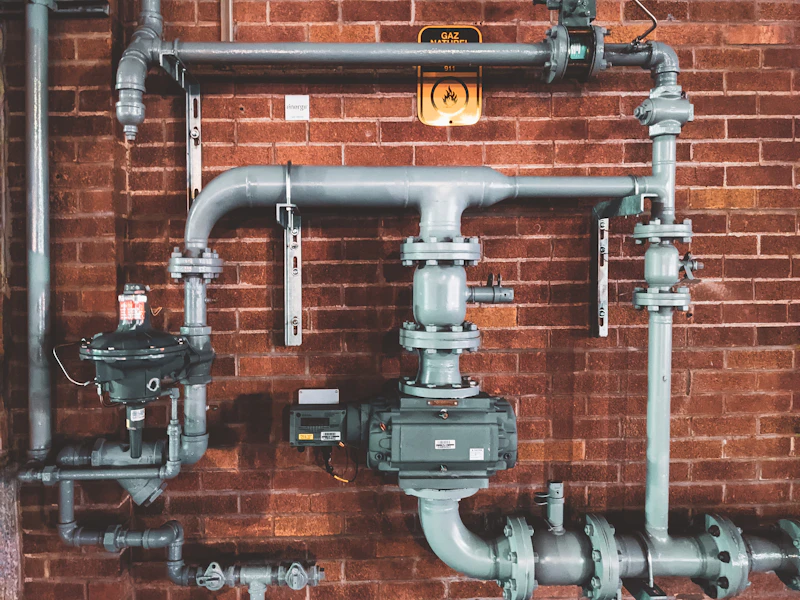
Based on Bureau of Labor Statistics wage data for the Tampa-St. Petersburg-Clearwater metropolitan area, plumbing in St Petersburg costs between $80 and $3,370, with an average of $340.
Plumbing Cost Breakdown — St Petersburg, FL
| Service/Item | Low Estimate | Average | High Estimate |
|---|---|---|---|
| Faucet Repair/Replace | $90 | $120 | $180 |
| Toilet Repair | $80 | $120 | $190 |
| Water Heater Install | $1,070 | $1,380 | $1,900 |
| Drain Cleaning | $50 | $70 | $120 |
| Pipe Leak Repair | $130 | $190 | $300 |
| Sewer Line Repair | $1,520 | $2,050 | $2,980 |
The St Petersburg Plumbing Market in 2026
With year-round humidity, salt air corrosion, and a housing market that’s rebounded sharply post-pandemic, St Petersburg’s plumbing landscape is tighter than ever. Demand for licensed plumbers remains high across the metro, especially in coastal neighborhoods like Pass-a-Grille, Treasure Island, and Madeira Beach, where aging infrastructure and storm-related wear drive frequent repairs.
Contractor availability is strained—many reputable firms are booking 2–3 weeks out, and emergency slots come at a premium. This isn’t just about clogged drains; it’s about systemic strain from a growing population and aging pipes.
The local economy, anchored by healthcare, tourism, and remote workers relocating to waterfront properties, has inflated both labor and material costs.
As home values rise—particularly in historic districts like Old Northeast and Snell Isle—homeowners are more willing to invest in upgrades, pushing demand for full repipes, tankless water heaters, and smart leak detection systems. This competition for skilled labor means you’re not just paying for work; you’re paying for reliability in a market where unlicensed handymen can’t legally pull permits.
Key trends are reshaping plumbing in the region. First, corrosion-resistant PEX and copper piping are replacing galvanized steel in homes built before the 1980s.
Second, stormwater management is becoming critical—many new or renovated homes are installing backwater valves and elevated fixtures to mitigate flood risks during hurricane season.
Third, water conservation is gaining traction, with low-flow fixtures and rainwater harvesting systems appearing in newer builds, especially in LEED-targeted renovations. These aren’t niche upgrades—they’re becoming standard in areas prone to water pressure fluctuations and supply restrictions.
How Local Housing Stock Affects Your Costs
St Petersburg’s housing mix is a major cost driver. The majority of homes are concrete block (CBS) construction, common from the 1950s onward.
While durable, CBS walls make plumbing access difficult—cutting into block for pipe replacement adds labor hours and patching costs. Homes on stilts along the Intracoastal or Gulf beaches add another layer: exposed piping underneath is vulnerable to salt spray, UV degradation, and storm surge, requiring more frequent inspection and replacement.
Stucco exteriors, while aesthetically popular, complicate repairs. A leak behind stucco can go unnoticed for months, leading to mold or structural damage before it’s detected. Homeowners may also want to compare Plumbing in Miami.
When repairs are needed, contractors must carefully cut and reseal the finish, which increases labor time and material costs for proper waterproofing.
Flat or low-slope roofs—common in mid-century and modern designs—can contribute to condensation in vent stacks or drainage issues if not properly maintained, especially after heavy summer rains. For a nearby comparison, check Plumbing in Pompano Beach.
Screened-in lanais with outdoor kitchens or pool baths are another regional feature that adds plumbing complexity. Homeowners may also want to compare bathroom remodel costs in St Petersburg.
These fixtures are exposed to humidity and temperature swings, accelerating wear on valves and connections. Older homes, particularly those built before 1970, often have cast iron or orangeburg drain lines that are now failing—replacing them requires excavation or trenchless methods, both of which are costly in tight urban lots.
Newer homes, especially those built post-2000, tend to use PEX and PVC, which are easier to service.
But even they face challenges: high water pressure from municipal lines, occasional salinity in groundwater, and strict code requirements for hurricane-rated fittings within one mile of the coast. These factors mean that even “simple” repairs can involve more steps than in other regions.
Common Plumbing Issues by Home Age
| Home Era | Common Materials | Frequent Issues | Repair Complexity |
|---|---|---|---|
| Pre-1970 | Galvanized steel, cast iron, orangeburg | Corrosion, low flow, slab leaks, root intrusion | High – often requires full repipe or trenchless replacement |
| 1970–1990 | Copper, early PVC | Pinning leaks, failing joints, outdated venting | Moderate – accessible in some areas, but CBS walls limit access |
| 1990–2010 | Copper, PEX, PVC | Water heater failures, fixture wear, minor slab leaks | Low to moderate – easier access, but still CBS constraints |
| 2010–Present | PEX, CPVC, HDPE | Smart system glitches, improper installation, code compliance | Low – but permit requirements add oversight time |
Permits, Codes, and Regulations in FL
In Florida, plumbing work isn’t a DIY zone.
The Department of Business and Professional Regulation (DBPR) requires a licensed plumber for any job over $500 or involving gas lines, water heaters, or sewer connections. In St Petersburg, this rule is enforced strictly—especially since the 2023 updates to the Florida Building Code (FBC), which now exceed the International Residential Code (IRC) in flood and wind resistance standards.
If your home is within one mile of the Gulf Coast—including neighborhoods like St Pete Beach or Indian Shores—hurricane-rated materials are mandatory.
This includes shielded shut-off valves, impact-resistant pipe supports, and flood-resistant venting. These aren’t optional upgrades; they’re code, and inspectors will reject work that doesn’t comply.
Permits are required for nearly all plumbing modifications. The City of St Petersburg typically charges a flat fee plus a percentage of project cost, with most residential jobs ranging from $75 to $300.
Processing takes 3–7 business days, and inspections are scheduled within 48 hours of request.
Skipping permits might seem like a shortcut, but the consequences are severe: fines up to $500 per violation, forced demolition of unpermitted work, and major complications when selling your home. Title companies routinely request Certificate of Completion, and unpermitted plumbing can kill a sale or trigger lender red flags.
Always verify your contractor’s license number on the DBPR website. Unlicensed work voids insurance coverage and leaves you liable for any damage. In a city where storm season stresses every pipe and joint, that protection isn’t just paperwork—it’s peace of mind.
Getting the Best Value on Plumbing
Value in St Petersburg plumbing isn’t about finding the cheapest bid—it’s about maximizing durability and compliance without overpaying.
Start by getting three detailed quotes from DBPR-licensed contractors who itemize labor at or near the BLS-reported average of $28.76/hr.
Avoid flat-rate quotes without breakdowns; they often hide inefficiencies or upsell unnecessary services. Related: roofing costs in St Petersburg.
Negotiation works best when you’re clear about scope. Ask for line-item adjustments, not overall discounts. See how costs compare: Plumbing in Fort Lauderdale.
For example, if one contractor includes a $400 camera inspection but you’ve had one recently, request removal. Or propose doing your own stucco patching to reduce labor hours. Contractors are more flexible when you show you understand the process.
Timing matters. The slowest months for plumbing work are September and October—just after hurricane prep and before the winter influx of snowbirds.
Scheduling non-emergency repairs then can yield faster service and slight discounts. Avoid June through August, when demand spikes for pool bath repairs and AC condensate line fixes.
Bundling is where real savings happen. If you’re replacing a water heater, consider upgrading to a tankless unit while repiping.
If you’re repairing a slab leak, ask about rerouting lines with PEX to prevent future issues.
Pairing plumbing with electrical or HVAC work under one general contractor can reduce mobilization fees and permit overhead. In neighborhoods like Harbor Oaks or Crescent Lake, where older homes need systemic updates, coordinated projects save time and reduce disruption.
Finally, prioritize preventive maintenance.
In a humid, coastal climate, annual inspections of shut-off valves, water pressure, and sewer lines can prevent $5,000 emergencies. Many reputable plumbers offer maintenance plans that include camera checks and leak testing—small investments that pay off when salt corrosion or root intrusion hits.
What Affects Plumbing Costs in St Petersburg?
What Affects Plumbing Costs in St Petersburg?
Homeowners in the Tampa-St. Petersburg-Clearwater metro face unique factors that influence plumbing repair and installation costs.
From coastal corrosion to hurricane codes and seasonal demand spikes, local conditions play a major role in pricing. Here’s what shapes plumbing expenses in St Petersburg, FL:
- Local labor rates — St Petersburg plumbing labor averages $28.76/hour, about 2% below the national average due to lower overall cost of living and limited union presence in the trade sector. However, high demand during hurricane prep seasons and strict state licensing through the DBPR help sustain competitive wages despite lower regional overhead.
- Seasonal demand — Plumbing services peak during the dry season (November–April) when homeowners schedule repairs before hurricane season and tourists increase water usage in rental properties. Off-peak months may offer 10–20% lower rates due to reduced demand and better contractor availability.
- Project scope — A minor leak repair differs drastically in cost from a full repipe, especially when slab leaks or corroded coastal piping require extensive access. The gap between low and high estimates often reflects hidden damage from humidity, termite activity, or outdated plumbing behind stucco or concrete block walls.
- Permits & inspections — Florida law requires licensed contractors (DBPR-registered) to pull permits for most plumbing work, especially within one mile of the coast where hurricane-rated materials are mandatory. Permit fees typically range from $50 to $300, depending on project size and municipality, and inspections ensure compliance with windborne debris and flood zone codes.
- Materials quality — In humid, salt-air environments like St Petersburg, homeowners often choose corrosion-resistant materials such as PEX or marine-grade copper over builder-grade PVC, creating a 30–50% price difference. Upgraded fixtures with anti-corrosion coatings also last longer near the coast but increase upfront material costs.
- Property characteristics — Older concrete block (CBS) homes and stilt-built coastal properties require specialized access and hurricane tie-down considerations, increasing labor time. Multi-story homes and flat-roof designs common in the region may also complicate pipe routing and venting, affecting overall pricing.
- Emergency vs scheduled — After-hours, weekend, or storm-related plumbing calls—common during hurricane season or sudden slab leaks—can cost 1.5 to 2 times the standard rate. Scheduled daytime appointments during the off-season typically offer the most predictable and economical service.
Popular Plumbing Brands in St Petersburg
Frequently Asked Questions
How much does plumbing cost in St Petersburg, FL?
The average plumbing cost in St Petersburg, FL is $340, with prices typically ranging from $80 to $3,370 depending on the job's complexity. Labor rates average $28.76 per hour, based on U.S. Bureau of Labor Statistics (BLS) data for the Tampa-St. Petersburg-Clearwater metro area. Common services like drain cleaning or faucet replacement fall on the lower end, while full repipes or sewer line repairs drive costs higher. Always get itemized quotes to understand labor and material breakdowns.
Why is plumbing less expensive in St Petersburg than the national average?
Plumbing labor in St Petersburg averages $28.76/hr, which is below the national average, according to BLS data. Lower overall cost of living and competitive market conditions in the Tampa-St. Petersburg-Clearwater metro contribute to reduced rates. Additionally, milder winters mean less emergency call volume for frozen pipes, helping stabilize pricing year-round. These regional economic and climate factors keep plumbing more affordable compared to many other U.S. cities.
How can I save money on plumbing in St Petersburg?
Schedule routine maintenance like water heater flushes and leak inspections to avoid costly emergency repairs later. Get multiple quotes from licensed contractors in the area, as competition can lead to better pricing around the $28.76/hr BLS average. Opt for preventative services such as drain cleaning before clogs become severe. Avoid DIY fixes for major issues—improper repairs often lead to higher expenses due to water damage or code violations.
Do I need a permit for plumbing in FL?
Yes, most plumbing work in Florida requires a permit, especially for new installations, water heater replacements, or sewer line repairs. Permits ensure work meets state plumbing codes and are typically pulled by licensed contractors. Homeowners doing their own work must also obtain permits unless exempt under Florida law. Skipping permits can result in fines and complications during home sales.
How long does plumbing take in St Petersburg?
Simple plumbing repairs like fixing a leak or unclogging a drain usually take 1–2 hours in St Petersburg. Larger jobs such as repiping a bathroom or replacing a water heater may take 1–3 days depending on complexity. Factors like permit approval and material availability can affect timelines, especially for code-mandated upgrades. Most licensed contractors provide time estimates based on local conditions and BLS-reported labor efficiency.
What warranty should I expect from a plumbing contractor?
Reputable plumbing contractors in St Petersburg typically offer a 1- to 2-year labor warranty on repairs and installations. Parts and fixtures often come with separate manufacturer warranties, which your contractor should provide documentation for. Some companies extend warranties on water heaters or tankless systems up to 6 years. Always get the warranty terms in writing and confirm they apply to the local climate conditions in the Tampa Bay area.
What's the best time of year for plumbing in St Petersburg?
The best time for plumbing work in St Petersburg is during the dry season, from November to April, when outdoor repairs are easier and scheduling is more reliable. Cooler months also reduce strain on systems, making it easier to identify issues like water heater inefficiency. Contractors may offer better rates in early spring due to lower demand compared to hurricane season prep months. Planning ahead avoids delays during summer rains, which can complicate sewer or trench work.
