How Much Does Roofing Cost in St Petersburg, FL?
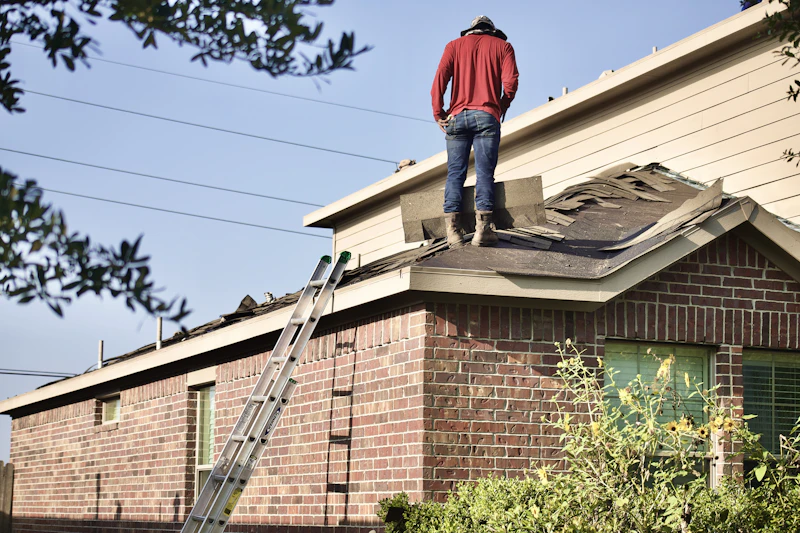
Based on Bureau of Labor Statistics wage data for the Tampa-St. Petersburg-Clearwater metropolitan area, roofing in St Petersburg costs between $2,290 and $15,680, with an average of $5,490.
Roofing Cost Breakdown — St Petersburg, FL
| Service/Item | Low Estimate | Average | High Estimate |
|---|---|---|---|
| Asphalt Shingles (per sq) | $120 | $160 | $250 |
| Metal Roofing (per sq) | $330 | $440 | $630 |
| Flat Roof Repair | $230 | $320 | $490 |
| Full Replacement (2,000 sq ft) | $4,180 | $5,490 | $7,690 |
| Roof Inspection | $20 | $30 | $60 |
| Gutter Installation (per ft) | $10 | $10 | $20 |
| Roofing Type | Average Cost per Sq Ft | Lifespan | Hurricane Resistance |
|---|---|---|---|
| Asphalt Shingle | $3.50–$6.00 | 15–25 years | Moderate (Class D) |
| Concrete Tile | $8.00–$14.00 | 50+ years | High (Class H) |
| Metal Roofing | $7.00–$12.00 | 40–70 years | High (Class H) |
| Flat Roof (TPO) | $5.50–$9.00 | 20–30 years | Moderate to High |
The St Petersburg Roofing Market in 2026
St Petersburg’s roofing market is under steady pressure from rising demand, insurance scrutiny, and a shrinking pool of licensed contractors. With hurricane season growing more unpredictable and insurance carriers tightening underwriting standards, homeowners are prioritizing roof upgrades—not just for protection but to maintain policy eligibility.
This surge in demand has led to tighter scheduling, with reputable contractors often booked 8 to 12 weeks out, especially between March and August. Labor availability remains constrained, partly due to Florida’s strict licensing requirements through the Department of Business and Professional Regulation (DBPR), which limits unlicensed operators from taking on major jobs.
The local economy plays a direct role in pricing. With St Petersburg seeing strong in-migration and steady home price appreciation—particularly in waterfront and historic districts like Old Northeast and Snell Isle—contractors can command higher margins.
New construction in the Grand Central and Edge District areas often sets premium benchmarks, which ripple into the repair and replacement market. Additionally, rising material costs tied to port delays at the Port of Tampa and increased demand for impact-resistant products continue to push average project totals upward.
Trends in 2026 favor durability and compliance. Homeowners are increasingly choosing concrete tile and metal roofing over asphalt, even if upfront costs are higher.
These materials meet Florida Building Code (FBC) standards for wind uplift and offer better insurance discounts.
Cool roofing technologies, especially reflective TPO membranes on flat roofs, are gaining traction in commercial-residential hybrids and pool cages. Solar-integrated roofing is still niche but growing, particularly in LEED-targeted renovations and new builds near the Innovation District.
How Local Housing Stock Affects Your Costs
The age, design, and construction of your home in St Petersburg directly impact roofing complexity and cost.
The region’s housing stock is dominated by concrete block (CBS) structures built from the 1950s through the 1980s, many with stucco exteriors and hip or gable roofs. Homeowners may also want to compare Roofing in Miami.
These homes often have degraded deck sheathing due to decades of humidity and occasional water intrusion, requiring full tear-offs and substrate repairs before re-roofing.
Older homes in neighborhoods like Roser Park or Pasadena may also have non-standard truss systems or asbestos-containing materials under old shingles, adding abatement costs and permitting delays. For a nearby comparison, check Roofing in Pompano Beach.
Coastal properties on stilts—common in Gulfport and Madeira Beach—pose access and safety challenges.
Working on elevated roofs requires additional scaffolding, fall protection, and wind mitigation measures, increasing labor time. Homeowners may also want to compare kitchen remodel costs in St Petersburg.
These homes also face stricter FBC requirements, including enhanced fastening systems and secondary water barriers, which raise material and installation costs. Flat or low-slope roofs, typical in mid-century modern homes and Mediterranean-style builds, require specialized membranes like TPO or modified bitumen and more frequent maintenance due to ponding water.
Screened-in lanais and pool enclosures add another layer of complexity. Many roof replacements require temporary disassembly of these structures, which must be carefully labeled, stored, and reinstalled—adding labor hours at roughly $22.09/hr (Bureau of Labor Statistics, 2024).
Newer constructions in developments like Waterline Square or Enclave at St.
Pete maintain better material consistency and code compliance, reducing surprise costs. However, their architectural details—barge rakes, barrel tiles, or integrated solar—can increase labor intensity even if the underlying structure is sound.
Permits, Codes, and Regulations in FL
In Florida, roofing work exceeding $500 in value requires a permit from the local building department—Pinellas County or the City of St Petersburg, depending on jurisdiction. The process typically takes 5 to 10 business days, with fees ranging from $100 to $400 based on project scope.
Contractors must submit structural calculations, product cut sheets, and proof of licensing. Only DBPR-licensed roofing contractors (CC-13) can legally pull permits for full replacements, ensuring compliance with the Florida Building Code, which is more stringent than the International Residential Code (IRC), especially for wind resistance.
Within one mile of the coastline—covering much of St Pete Beach, Treasure Island, and the Keys—hurricane-rated materials are mandatory. This includes Class H wind-resistant shingles, reinforced underlayment, and specific fastening patterns.
Homes in these zones must also meet HVHZ (High-Velocity Hurricane Zone) standards, which require impact testing and third-party inspections.
Skipping permits may seem like a shortcut, but it carries serious consequences: fines up to $5,000, denial of insurance claims, and liability during resale. Title companies routinely request Certificate of Completion, and unpermitted work can derail closing.
Additionally, Pinellas County enforces strict debris disposal rules. Roofing tear-offs must be hauled to approved landfills or recycling centers, with documentation provided to the city. Related: bathroom remodel costs in St Petersburg.
Contractors who dump illegally risk license suspension.
Always verify that your contractor includes permit acquisition, inspections, and disposal in the contract—not as line-item extras, but as required deliverables. See how costs compare: Roofing in Fort Lauderdale.
Getting the Best Value on Roofing
Value isn’t just about the lowest bid—it’s about long-term performance, code compliance, and risk reduction. In St Petersburg’s competitive market, smart homeowners leverage timing and bundling to reduce overall costs.
The best window for scheduling is late fall to early winter (November–February), when demand dips and contractors may offer 5%–10% seasonal discounts to maintain workflow. Avoid hurricane prep season (April–August), when prices peak and availability shrinks.
Negotiation works best when you’re informed. Contractors are more flexible when you present multiple bids and ask for line-item adjustments—such as downgrading from premium-edge metal to standard Kynar-coated panels or opting for 30-year instead of 50-year warranties on tile.
Always ask if they charge the standard $22.09/hr for labor or if volume discounts apply for larger scopes. Some will reduce rates when bundling roof replacement with related services like gutter upgrades, attic insulation, or screened enclosure repairs—especially if the same crew handles multiple phases.
Consider pairing your roof project with a 4-point inspection or wind mitigation survey. Many insurers offer immediate premium discounts (up to 45%) for roofs with hip designs, secondary water barriers, or reinforced decking.
These upgrades cost more upfront but often pay for themselves in the first policy cycle.
Finally, choose contractors who offer manufacturer-certified installations—this ensures transferable warranties and avoids voided coverage due to improper application. In a market where corners are sometimes cut, documented compliance is your best long-term investment.
What Affects Roofing Costs in St Petersburg?
What Affects Roofing Costs in St Petersburg?
Roofing costs in St Petersburg, FL are shaped by a mix of local labor, climate demands, and structural factors unique to the Tampa-St. Petersburg-Clearwater metro. Here are the key influences homeowners should understand:
- Local labor rates — St Petersburg roofing labor averages $22.09/hour, about 2% below the national average due to lower union presence and moderate cost of living. However, high demand during hurricane prep season can tighten labor supply and limit savings.
- Seasonal demand — Roofing peaks in spring and early summer before hurricane season, with contractors often booking months in advance. Off-peak winter months may offer 10–20% lower pricing due to reduced demand and more flexible scheduling.
- Project scope — A simple shingle patch or flashing repair costs significantly less than a full tear-off and replacement. Larger jobs involving decking replacement, moisture mitigation, or structural fixes—common after storm damage—can dramatically increase estimates.
- Permits & inspections — Florida’s Department of Business and Professional Regulation (DBPR) requires licensed contractors for roofing work, especially within one mile of the coast where hurricane-rated materials are mandated. Permit fees typically range from $50 to $300, depending on project size and municipality.
- Materials quality — Builder-grade asphalt shingles cost less but may not withstand St Petersburg’s humidity, UV exposure, or hurricane-force winds. Premium options like Class 4 impact-resistant shingles, metal roofing, or concrete tile offer better durability but come with a 30–50% price increase.
- Property characteristics — Older concrete block (CBS) homes and stilt-built coastal properties require specialized techniques and safety measures. Roof pitch, number of stories, stucco integration, and limited access can all increase labor time and complexity, affecting final pricing.
- Emergency vs scheduled — Storm-related damage often triggers emergency calls, with after-hours or weekend service commanding 1.5 to 2 times standard rates. Scheduling repairs proactively—especially outside hurricane season—can avoid costly premiums and material shortages.
Popular Roofing Brands in St Petersburg
Frequently Asked Questions
How much does roofing cost in St Petersburg, FL?
The average roofing cost in St Petersburg, FL is $5,490, with prices typically ranging from $2,290 to $15,680 depending on roof size, materials, and labor. This aligns with regional labor rates, where roofers earn a mean hourly wage of $22.09 according to the U.S. Bureau of Labor Statistics (BLS). Costs can vary significantly based on whether you're replacing or repairing, and the type of shingles or materials used. Flat roofs or those with complex designs may push projects toward the higher end of the range.
Why is roofing less expensive in St Petersburg than the national average?
Roofing in St Petersburg tends to be less expensive than the national average due to lower labor costs, with roofers earning $22.09/hour on average (BLS data), which is below rates in many northern or high-cost metro areas. The competitive local market and high number of licensed roofing contractors increase supply, helping keep prices in check. Additionally, the prevalence of similar roof designs in Florida's housing stock allows contractors to work more efficiently, reducing overall labor time and cost. Warm weather also enables year-round work, avoiding seasonal delays that can inflate prices elsewhere.
How can I save money on roofing in St Petersburg?
You can save money by scheduling roofing work during the off-peak season, such as late summer before hurricane season peaks, when contractors may offer discounts for early bookings. Getting multiple quotes from licensed contractors helps ensure competitive pricing and avoids overpayment. Choosing standard asphalt shingles instead of premium materials can significantly reduce costs while still providing durability in Florida's climate. Also, checking if your contractor can reuse existing underlayment or avoid full tear-off (if permitted and safe) may lower labor and disposal fees.
Do I need a permit for roofing in FL?
Yes, most roofing projects in Florida, including replacements and major repairs, require a building permit issued by the local municipality or county. Permits ensure the work meets Florida’s strict building codes, especially for wind resistance and hurricane compliance in St Petersburg’s high-wind zone. Your licensed roofing contractor is typically responsible for pulling the permit and including it in the project cost. Skipping permits can lead to fines, failed inspections, or issues when selling your home.
How long does roofing take in St Petersburg?
A typical roof replacement in St Petersburg takes 2 to 3 days for an average-sized home, assuming no major weather delays or structural issues. Simpler repairs or reroofing projects may be completed in a single day. The warm, dry weather in most months supports consistent progress, though hurricane season (June–November) can cause scheduling delays or work stoppages due to rain. Larger or complex roofs with multiple layers or custom features may take up to a week.
What warranty should I expect from a roofing contractor?
You should expect at least a 2- to 5-year labor warranty from a licensed roofing contractor in St Petersburg, covering workmanship issues like leaks or improper installation. Material warranties are typically provided by the manufacturer and can range from 10 to 30 years, especially for asphalt shingles. Always get the warranty in writing and verify what’s covered—many exclude damage from storms or improper maintenance. Some contractors offer extended labor warranties for an additional cost, which can be worthwhile for long-term protection.
What's the best time of year for roofing in St Petersburg?
The best time for roofing in St Petersburg is during the dry season from November to April, when rainfall is minimal and temperatures are mild, allowing for consistent work progress. This period avoids the summer thunderstorms and hurricane season (June–November), which can delay projects and increase scheduling wait times. Contractors may also offer better rates in early spring due to lower demand compared to post-storm periods. Scheduling during this window maximizes durability of adhesives and sealants, which perform best in stable, dry conditions.
