How Much Does Roofing Cost in Tampa, FL?
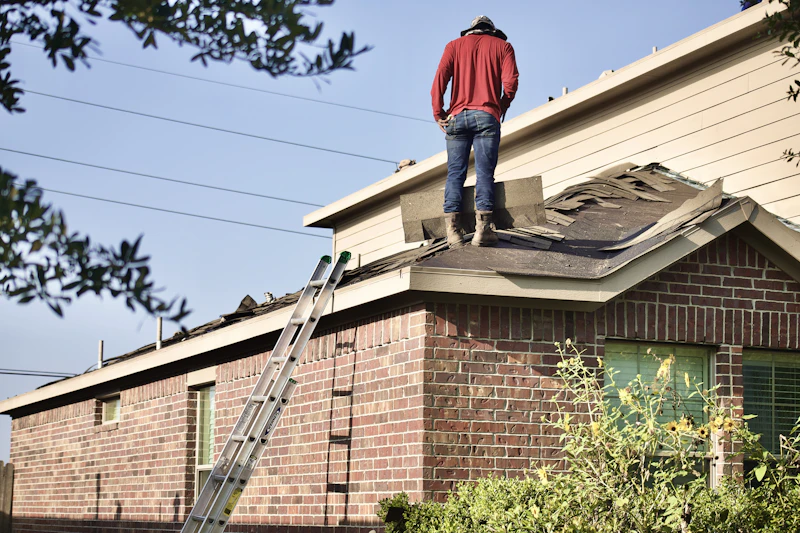
Based on Bureau of Labor Statistics wage data for the Tampa-St. Petersburg-Clearwater metropolitan area, roofing in Tampa costs between $2,290 and $15,680, with an average of $5,490.
Roofing Cost Breakdown — Tampa, FL
| Service/Item | Low Estimate | Average | High Estimate |
|---|---|---|---|
| Asphalt Shingles (per sq) | $120 | $160 | $250 |
| Metal Roofing (per sq) | $330 | $440 | $630 |
| Flat Roof Repair | $230 | $320 | $490 |
| Full Replacement (2,000 sq ft) | $4,180 | $5,490 | $7,690 |
| Roof Inspection | $20 | $30 | $60 |
| Gutter Installation (per ft) | $10 | $10 | $20 |
Complete Guide to Roofing in Tampa
Tampa’s skyline is dotted with stucco homes on concrete block, stilt-built coastal properties, and screened-in lanais—each with roofing demands shaped by relentless sun, hurricane threats, and salty Gulf breezes. A roof here isn’t just shelter; it’s a frontline defense.
Homeowners must prioritize impact resistance, moisture management, and corrosion-resistant materials, especially near the coast from Clearwater to St. Pete Beach. With hurricane season stretching from June to November and humidity routinely above 80%, even a minor roof flaw can lead to mold, wood rot, or structural failure when a Cat 3–5 storm hits.
The local housing stock plays a major role in roofing choices. Concrete block (CBS) homes dominate inland neighborhoods like Brandon and Riverview, often with low-slope or flat roofs requiring specialized membranes.
Coastal areas such as Indian Rocks Beach or Treasure Island feature elevated stilt homes where wind uplift and salt spray demand metal or modified bitumen systems. Termites are active year-round, so any wood decking or fascia must be pressure-treated or avoided altogether. Stucco exteriors mean flashing details are critical—poor integration between roof and wall can trap moisture and compromise the entire envelope.
Tampa’s roofing costs run about 2% below the national average, thanks to regional competition among licensed contractors and the widespread use of locally available materials. But don’t mistake lower prices for simplicity.
Building codes here—especially under the Florida Building Code (FBC) and High-Velocity Hurricane Zone (HVHZ) standards—require tighter fastening patterns, impact-rated underlayment, and often secondary water barriers. These aren’t optional upgrades; they’re code-mandated protections that affect both durability and insurance eligibility. Homeowners may also want to compare Roofing in Miami.
Material and Labor Cost Breakdown
In Tampa, materials typically account for 60–70% of total roofing costs, with labor making up the remainder. This split reflects the high cost of code-compliant materials—like Class 4 impact-resistant shingles, corrosion-proof fasteners, and synthetic underlayment—rather than inflated labor rates. For a nearby comparison, check bathroom remodel costs in Tampa.
According to the Bureau of Labor Statistics, roofers in Florida earn a median wage of $22.09/hr. Reputable contractors apply a modest markup to cover insurance, equipment, training, and project management—not to pad profits.
The wide gap between low and high estimates often comes down to scope, not pricing gimmicks. A $2,290 bid may cover a simple 10-square asphalt shingle replacement on a single-story home with easy access and no decking repairs.
In contrast, a $15,680 estimate could include tear-off of two layers, full decking replacement due to termite damage, upgraded underlayment, ice and water shield along eaves and valleys, and architectural shingles with enhanced wind ratings. Some contractors skip ventilation upgrades or ridge cap details to quote low—only to add them later as change orders. Always verify what’s included: decking inspection, flashing replacement, permit fees, and disposal costs.
Timeline and Scheduling Considerations
Roofting in Tampa is possible year-round, but timing affects availability, cost, and risk. The peak season runs from October through May—after hurricane season ends and before summer’s heat and afternoon thunderstorms make work hazardous.
During these months, top-rated crews book 4–6 weeks out. Scheduling in June or July might get you faster service, but crews face daily rain delays, and heat stress can slow progress.
- Plan inspections and permits in September to start work right after hurricane season ends.
- Avoid scheduling roof work during hurricane watches—active storms halt all tear-offs, and exposed homes risk catastrophic water intrusion.
- Book early if you’re in a coastal zone like Madeira Beach or Pass-a-Grille—specialty contractors familiar with salt-air corrosion and HVHZ codes fill fast.
- Coordinate with your insurance adjuster immediately after storm damage—most policies require repairs within 30 days to avoid claim denial.
- Factor in lanai screening removal and reinstallation if your roof abuts a screened-in pool—this adds 1–2 days and must be scheduled separately.
- Local labor rates — Tampa’s average roofing labor rate is about 2% below the national average, influenced by lower union presence and moderate cost of living. However, high demand during hurricane season and strict licensing through the Florida DBPR keep skilled labor competitive.
- Seasonal demand — Roofing demand peaks in late spring and early summer before hurricane season, with contractors often booking months in advance. Off-peak work (late fall to early winter) can reduce labor costs by 10–20% due to lower demand and better scheduling flexibility.
- Project scope — A minor repair for wind-lifted shingles or flashing damage costs significantly less than a full tear-off and replacement. Larger jobs require more materials, disposal fees, and labor hours—especially if underlying decking or insulation is compromised by humidity or storm damage.
- Permits & inspections — Florida law requires licensed contractors (via DBPR) to pull permits for most roofing work, especially within one mile of the coast where hurricane-rated materials are mandatory. Permit fees typically range from $50 to $300 and include structural and wind-resistance inspections to meet local building codes.
- Materials quality — Builder-grade asphalt shingles cost less but may not withstand Tampa’s extreme UV exposure, humidity, or hurricane-force winds. Premium options like Class 4 impact-resistant shingles, metal roofing, or concrete tile offer longer lifespans and better storm performance, increasing material costs by 30–50%.
- Property characteristics — Older concrete block (CBS) homes, stilt-built coastal properties, and homes with flat or low-slope roofs common in Pinellas County require specialized labor and materials. Roof height, pitch, and access challenges (e.g., tight lots or stucco wall protection) also increase labor time and cost.
- Emergency vs scheduled — Storm damage repairs after hurricanes or tropical storms often require after-hours or weekend service, leading to emergency rates that are 1.5 to 2 times higher than standard pricing. Scheduling during non-peak times avoids these premiums and ensures better contractor availability.
Emergency rates apply when a storm causes immediate exposure—missing shingles, open decking, or active leaks. These jobs require tarping, rapid mobilization, and often overtime labor.
To avoid emergency pricing, maintain your roof proactively: inspect after major storms, clean gutters quarterly, and replace damaged flashing before it fails. A $500 preventive repair beats a $7,000 emergency fix. Related: kitchen remodel costs in Tampa.
Protecting Yourself: Warranties and Guarantees
In Florida, roofing warranties fall into two categories: manufacturer warranties covering materials (typically 25–50 years for shingles, 10–20 for underlayment), and labor warranties from the contractor (usually 2–10 years). See how costs compare: Roofing in Orlando.
Beware of “lifetime” shingle warranties—they often prorate after 10 years and void if installation doesn’t follow strict guidelines. A solid labor warranty should cover wind blow-off, leaks from workmanship, and fastener failure—critical in Tampa’s high-wind environment.
Always verify that your contractor is licensed (CBC1254 or CC-13), insured, and bonded under Florida law. Request a certificate of insurance naming you as additionally insured during the project.
Unlicensed operators can’t pull permits, and their work won’t pass city inspection—putting your home and insurance at risk. In Hillsborough, Pinellas, and Pasco counties, roofing permits are required for any tear-off or structural repair, and final sign-off ensures code compliance.
Before a single nail is pulled, get everything in writing: scope of work, material specs (including wind rating and impact class), timeline, payment schedule, and cleanup policy. Never pay in full upfront—reputable contractors request 10–30% at signing, with the balance due after inspection.
Include a clause requiring the contractor to obtain permits and schedule municipal inspections. If they resist, walk away. In Tampa’s high-stakes roofing market, documentation isn’t bureaucracy—it’s your only real protection.
What Affects Roofing Costs in Tampa?
What Affects Roofing Costs in Tampa?
Homeowners in the Tampa-St. Petersburg-Clearwater metro face unique roofing cost factors due to the region’s climate, building codes, and housing stock. Understanding these variables helps explain why estimates vary and how to plan for long-term roof investment.
Popular Roofing Brands in Tampa
Frequently Asked Questions
How much does roofing cost in Tampa, FL?
The average roofing cost in Tampa, FL is $5,490, with prices typically ranging from $2,290 to $15,680 depending on roof size, materials, and labor. This reflects local market conditions in the Tampa-St. Petersburg-Clearwater metro area. Labor rates average $22.09 per hour according to the U.S. Bureau of Labor Statistics (BLS), contributing to competitive overall pricing compared to national averages.
Why is roofing less expensive in Tampa than the national average?
Roofing in Tampa tends to be less expensive than the national average due to lower labor costs, with roofers earning $22.09/hour on average (BLS data), and strong local competition among contractors. The region's high volume of roofing activity also drives efficiency and cost control. Additionally, readily available materials and regional specialization in heat- and storm-resistant roofing keep overhead low.
How can I save money on roofing in Tampa?
You can save money on roofing in Tampa by scheduling replacement during the off-peak season, obtaining multiple bids, and choosing cost-effective, durable materials like asphalt shingles rated for hurricane zones. Timing projects outside hurricane season may also yield contractor discounts due to lower demand. Make sure to verify contractor licensing and avoid unusually low bids that may cut corners on permits or materials.
Do I need a permit for roofing in FL?
Yes, most roofing work in Florida requires a permit to ensure compliance with strict building codes, especially in hurricane-prone Tampa. The permit process verifies that materials and installation meet wind resistance and safety standards. Reputable contractors typically handle permit applications and inspections as part of their service.
How long does roofing take in Tampa?
A typical roof replacement in Tampa takes 1 to 3 days for an average-sized home, depending on complexity, weather, and material type. Tear-off and disposal of old materials usually take the first day, with underlayment and new shingles installed afterward. Delays can occur during rainy or stormy weather, which is common in the region, so scheduling during dry months improves timeline reliability.
What warranty should I expect from a roofing contractor?
In Tampa, you should expect at least a 1- to 5-year labor warranty from your roofing contractor, covering workmanship issues like leaks or improper installation. Material warranties are typically provided by the manufacturer and can range from 10 years to a lifetime, depending on shingle quality. Always request warranty details in writing and confirm that the contractor is licensed and insured to honor service claims.
What's the best time of year for roofing in Tampa?
The best time for roofing in Tampa is during the dry season, from November to April, when rain is less frequent and temperatures are milder. This reduces the risk of weather delays and allows for safer, more efficient installation. Scheduling during this off-peak window may also lead to better contractor availability and potential cost savings.
