How Much Does Roofing Cost in Orlando, FL?
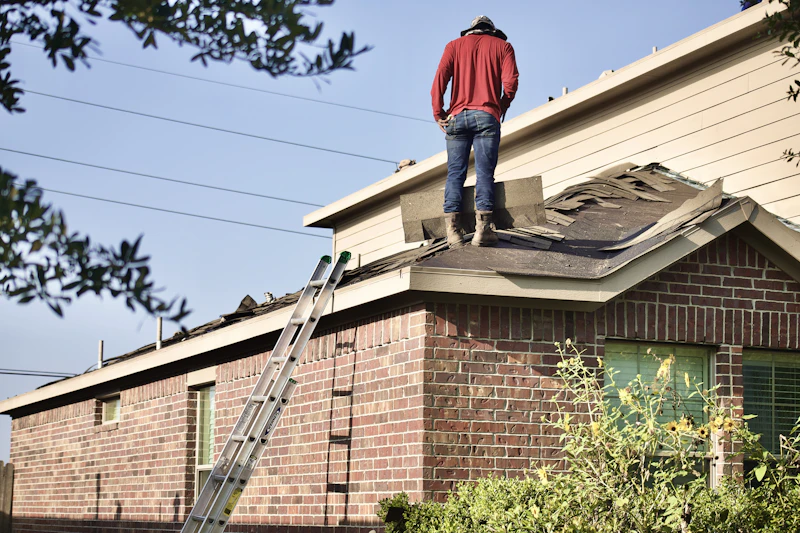
Based on Bureau of Labor Statistics wage data for the Orlando-Kissimmee-Sanford metropolitan area, roofing in Orlando costs between $2,290 and $15,680, with an average of $5,490.
Roofing Cost Breakdown — Orlando, FL
| Service/Item | Low Estimate | Average | High Estimate |
|---|---|---|---|
| Asphalt Shingles (per sq) | $120 | $160 | $250 |
| Metal Roofing (per sq) | $330 | $440 | $630 |
| Flat Roof Repair | $230 | $320 | $490 |
| Full Replacement (2,000 sq ft) | $4,180 | $5,490 | $7,690 |
| Roof Inspection | $20 | $30 | $60 |
| Gutter Installation (per ft) | $10 | $10 | $20 |
Why Roofing Costs Vary in Orlando
Orlando’s rooftops endure more than just sun—they battle humidity that hovers above 80%, hurricane-force winds every storm season, and relentless termite pressure year-round. These aren’t just weather patterns; they’re cost drivers.
Labor in the Orlando-Kissimmee-Sanford metro averages $22.09 per hour according to the Bureau of Labor Statistics, but skilled roofers with wind-resistant installation certifications often command higher rates due to the technical demands of Florida Building Code (FBC) compliance. Contractors typically apply a markup of 20–35% to cover insurance, equipment, permitting, and project management—essential in a region where one missed fastener pattern can lead to catastrophic failure during a Cat 3+ storm.
While overall roofing costs here run about 2% below the national average, the real story is in material performance and longevity. Coastal proximity—even inland areas feel salt-laden air during summer storms—accelerates corrosion on metal components, pushing homeowners toward impact-resistant shingles or concrete tile. Homeowners may also want to compare Roofing in Miami.
Most homes in Orlando are built with concrete block (CBS), which handles uplift loads better than wood framing, but also requires specialized flashing and fastening methods. Stilt homes near Reedy Creek or Shingle Creek demand extra safety rigging and access planning, adding time and labor. Flat or low-slope roofs, common in Mediterranean-style developments and PUDs around Lake Nona and Winter Garden, require tapered insulation and enhanced drainage systems to combat standing water from sudden downpours. For a nearby comparison, check bathroom remodel costs in Orlando.
Screened-in lanais, standard in 90% of single-family homes, complicate tear-offs and disposal. They restrict crane use and force manual debris removal, increasing labor hours.
Add in year-round termite activity that can compromise roof decking even if the structure appears sound, and it’s clear why inspections in Orlando go beyond surface-level assessments. The FBC mandates hurricane straps, secondary water barriers, and specific underlayment types within one mile of any coast—even inland zones like Kissimmee and Sanford fall under stricter wind-borne debris regulations. All of this shapes pricing: not just what you’re paying for, but why you must pay it to survive Florida’s climate. Related: kitchen remodel costs in Orlando.
Comparing Quotes: Budget vs. Mid-Range vs. Premium
| Feature | Budget | Mid-Range | Premium |
|---|---|---|---|
| Materials | 3-tab asphalt shingles, Class A fire rating | Architectural shingles, Class 4 impact resistance | Concrete tile or standing seam metal, Miami-Dade NOA approved |
| Warranty | 10-year labor, 20-year material (prorated) | 15-year labor, 30-year non-prorated material | 25-year labor, lifetime material with transferable coverage |
| Underlayment | Synthetic felt (one layer) | Double-layer synthetic with ice & water shield at eaves | Self-adhering modified bitumen at all perimeters, valleys, penetrations |
| Installation | Basic ventilation, standard fastening | Code-compliant attic ventilation, FBC-mandated nailing patterns | Enhanced uplift resistance, sealed decking joints, smart ventilation |
| Timeline | 3–5 days (weather dependent) | 5–7 days including inspection wait | 7–10 days with structural review if needed |
| Best For | Rental properties, short-term ownership | Primary residences, 5+ year plans | High-wind zones, luxury homes, insurance-sensitive areas |
Seasonal Pricing Patterns in FL
Orlando’s subtropical climate means roofing never fully shuts down—but timing your project can save time, money, and stress. Unlike northern states, there’s no true “off-season,” but there are smarter windows. See how costs compare: Roofing in Tampa.
- Schedule tear-offs between January and March—post-hurricane season, pre-summer rains—when crews are available and material supply chains are stable.
- Avoid May through October: peak thunderstorm months increase job delays and trigger emergency pricing after named storms.
- September and October see the highest emergency rates—insurers rush claims, contractors double up on storm-damaged areas like Windermere and Celebration.
- November through December is ideal for inspections and repairs; many contractors offer 5–10% off for scheduling in this window to maintain cash flow.
- Emergency rates apply when a roof breach creates immediate water intrusion—avoid them by addressing missing shingles or ponding water before heavy rains return.
- Verify active DBPR license status at floridaprofessionals.gov—check for disciplinary actions or expired insurance.
- Ask for proof of FBC-specific training, especially for high-wind installations—look for designations like “Wind-Resistant Roofing Certified.”
- Require a detailed scope that includes fastener schedule, underlayment type, and ventilation calculations—vague estimates are red flags.
- Confirm they pull permits and schedule final inspections—unpermitted work voids warranties and complicates resale.
- Get material cut sheets showing impact rating, fire class, and NOA (Notice of Acceptance) numbers for coastal zones.
- Request references from recent projects in your neighborhood—roof performance varies by microclimate, even within Orlando.
- Local labor rates — Orlando’s average roofing labor rate is about 2% below the national average, currently around $22.09 per hour according to BLS data. This is due to lower overall cost of living and limited union presence, though high demand during storm season can tighten labor availability and pressure wages upward.
- Seasonal demand — Roofing demand peaks in late spring through early fall as homeowners prepare for hurricane season, leading to 10–20% higher pricing during these months. The off-peak winter months (December–February) often offer better availability and potential discounts as contractors compete for work.
- Project scope — A minor repair, such as fixing wind-lifted shingles or resealing flashing, costs significantly less than a full tear-off and replacement. The gap in estimates often reflects hidden damage from moisture, rot, or termite infestation common in Florida’s humid environment, which may only be visible once old materials are removed.
- Permits & inspections — Florida requires licensed contractors (via DBPR) to pull permits for most roofing work, especially within one mile of the coast where hurricane-rated materials are mandatory. Permit fees typically range from $50 to $300 depending on municipality and project size, and skipping this step risks failed inspections or insurance claim denials.
- Materials quality — Builder-grade asphalt shingles cost less but may not withstand Orlando’s extreme UV exposure and hurricane-force winds. Premium options like Class 4 impact-resistant shingles, metal roofing, or concrete tile offer better durability and can cost 30–50% more, but often qualify for insurance discounts.
- Property characteristics — Orlando’s common concrete block (CBS) homes, stilt-built coastal properties, and homes with flat or low-slope roofs require specialized techniques and safety measures. Older homes with stucco or multiple stories increase labor complexity, raising costs due to scaffolding needs and careful material handling.
- Emergency vs scheduled — Storm damage or sudden leaks often require emergency repairs, which can carry 1.5 to 2 times the normal rate, especially on weekends or after hours. Scheduling work proactively avoids these premiums and ensures better contractor selection and material availability.
Hiring the Right Contractor in Orlando
Florida’s roofing regulations are among the toughest in the nation—and for good reason. The Department of Business and Professional Regulation (DBPR) requires all roofing contractors to hold an active license with proof of workers’ comp and general liability insurance.
Within one mile of any coastline—including inland waterways classified as wind-borne debris regions—only hurricane-rated materials approved by Miami-Dade County are permitted. The Florida Building Code (FBC) exceeds the International Residential Code (IRC) in wind resistance, uplift testing, and secondary water barriers. Permits are required for nearly all roofing work exceeding $500, and final inspections are mandatory before insurance claims are released.
Red flags include cash-only demands, offers to skip permits, or pressure to file insurance claims for minor damage. During estimates, ask: “Will your installation meet FBC Section 15 for high-velocity hurricane zones?” and “Can you provide a wind uplift test report for this system?” If they hesitate, keep looking. In Orlando, a roof isn’t just shelter—it’s your first line of defense.
What Affects Roofing Costs in Orlando?
What Affects Roofing Costs in Orlando?
Homeowners in the Orlando-Kissimmee-Sanford area face unique factors that influence roofing costs, from local labor trends to Florida’s demanding climate. Understanding these elements helps you make informed decisions and avoid unexpected expenses.
Popular Roofing Brands in Orlando
Frequently Asked Questions
How much does roofing cost in Orlando, FL?
The average roofing cost in Orlando, FL (Orlando-Kissimmee-Sanford metro) is $5,490, with prices typically ranging from $2,290 to $15,680 depending on roof size, materials, and labor. This average reflects both residential replacement and repair projects across the metro area. Labor rates average $22.09 per hour according to the U.S. Bureau of Labor Statistics (BLS), contributing to moderate overall costs. Factors like tile vs. shingle material and storm damage repairs can significantly affect the final price.
Why is roofing less expensive in Orlando than the national average?
Roofing in Orlando is often less expensive than the national average due to competitive local labor rates, with roofers earning $22.09/hour on average (BLS data), which is below the national mean for many construction trades. The warm climate allows for year-round work, increasing contractor availability and reducing scheduling delays that can drive up costs. Additionally, the high density of roofing contractors in the Orlando-Kissimmee-Sanford metro fosters price competition. Abundant local supply of common materials like concrete tile also helps keep material costs stable.
How can I save money on roofing in Orlando?
You can save money on roofing in Orlando by scheduling repairs or replacements during the fall or early spring, when demand is lower and contractors may offer discounts. Getting multiple bids from licensed, insured contractors helps ensure competitive pricing based on the local average of $5,490. Choosing durable but cost-effective materials like architectural asphalt shingles instead of premium tile can reduce costs without sacrificing longevity. Regular maintenance, such as cleaning gutters and inspecting for storm damage, can also prevent expensive repairs down the line.
Do I need a permit for roofing in FL?
Yes, most roofing work in Florida, including repairs and replacements, requires a permit issued by your local building department to ensure compliance with state and local building codes. The contractor is typically responsible for pulling the permit, though they must be licensed and insured to do so. Permit costs vary by jurisdiction but are usually a small fraction of the total project cost. Skipping permits can lead to fines and complications when selling your home.
How long does roofing take in Orlando?
A typical roof replacement in Orlando takes 2 to 3 days for an average-sized home, depending on complexity, weather, and material type. Simpler jobs like shingle repairs may be completed in a single day, while tile roofing or homes with extensive damage can take up to a week. Since Orlando's dry season (November to May) offers more predictable weather, projects during this time are less likely to face delays. Contractors in the Orlando-Kissimmee-Sanford area are experienced in working efficiently under local conditions.
What warranty should I expect from a roofing contractor?
A reputable roofing contractor in Orlando should offer a labor warranty of 2 to 5 years, covering workmanship defects, in addition to manufacturer warranties on materials that can range from 10 to 50 years. Always verify that the warranty is transferable if you plan to sell your home and confirm what it covers, such as leaks or wind damage. Warranties vary by contractor and product, so review the terms carefully before signing. Some contractors may offer extended warranties for an additional cost.
What's the best time of year for roofing in Orlando?
The best time for roofing in Orlando is during the dry season, from November to May, when rain is less frequent and temperatures are mild, reducing the chance of weather-related delays. Scheduling in late winter or early spring often means better contractor availability and potential off-season pricing. Avoid hurricane season (June to October) when high humidity, storms, and scheduling demand can complicate roofing projects. With average labor at $22.09/hour (BLS), completing work efficiently in favorable conditions helps control overall costs.
