How Much Does Plumbing Cost in Orlando, FL?
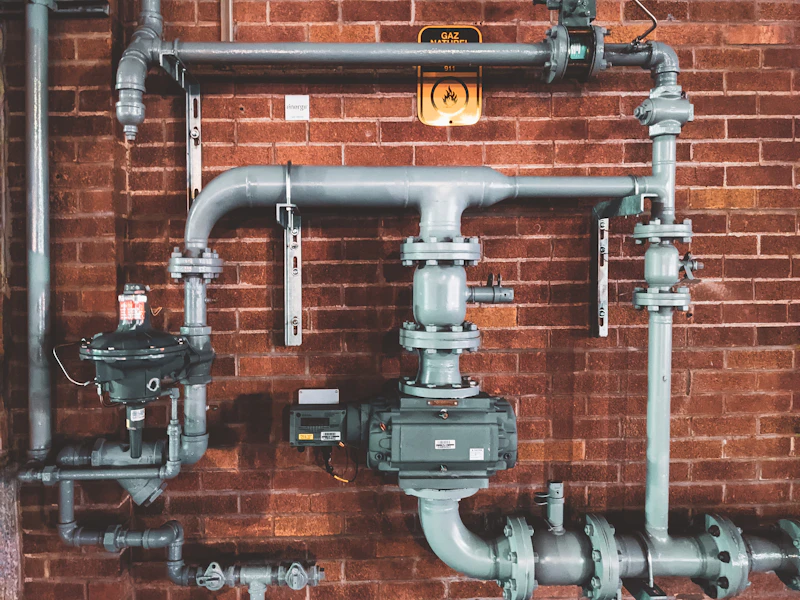
Based on Bureau of Labor Statistics wage data for the Orlando-Kissimmee-Sanford metropolitan area, plumbing in Orlando costs between $80 and $3,370, with an average of $340.
Plumbing Cost Breakdown — Orlando, FL
| Service/Item | Low Estimate | Average | High Estimate |
|---|---|---|---|
| Faucet Repair/Replace | $90 | $120 | $180 |
| Toilet Repair | $80 | $120 | $190 |
| Water Heater Install | $1,070 | $1,380 | $1,900 |
| Drain Cleaning | $50 | $70 | $120 |
| Pipe Leak Repair | $130 | $190 | $300 |
| Sewer Line Repair | $1,520 | $2,050 | $2,980 |
Is It Time for Plumbing? Warning Signs
Orlando’s relentless humidity and frequent storms don’t just make your hair frizz—they’re silently attacking your home’s plumbing. When pipes sweat, joints corrode, and termites chew through access points, small issues escalate fast.
A slow drip today can mean mold growth or slab leaks tomorrow, especially with our porous limestone bedrock and high water table. Recognizing early warning signs isn’t just about convenience; it’s about preventing costly structural damage in a region where plumbing failures compound quickly.
Peak plumbing demand in Orlando runs from May through October—hurricane season. When storms hit, even inland homes face sump pump overloads, sewer backups, and irrigation line breaches.
Off-peak months (November–April) see fewer emergency calls, giving you better scheduling flexibility and lower stress on systems already strained by summer’s 90%+ humidity. Coastal areas like Windermere or Bay Hill face added salt air corrosion, accelerating wear on exterior fixtures and pool supply lines.
- Schedule inspections before hurricane season—ideally in March or April—to catch vulnerabilities in drain lines, cleanouts, and backflow preventers.
- Watch for musty smells near baseboards or under sinks; in Orlando’s damp climate, mold can develop within 48 hours of a hidden leak.
- Check outdoor spigots and irrigation manifolds monthly—salt-laden breezes and UV exposure degrade seals faster here than in inland markets.
- If you hear knocking in pipes after AC cycles, it may signal water hammer—a common issue in homes with rigid PEX runs in concrete block (CBS) walls.
- Inspect under sinks in stilt homes near Conway or Buenaventura Lakes; termite activity and humidity can rot cabinetry and hide leaks.
- Local labor rates — Orlando’s average plumbing labor rate is about 2% below the national average, currently around $28.76 per hour according to the Bureau of Labor Statistics. This is due to lower overall cost of living and limited union presence, though high demand during hurricane season and new construction booms can tighten labor availability and push rates upward.
- Seasonal demand — Plumbing demand peaks during the summer rainy season (June–October) and after hurricanes, when flooding and storm damage spike service calls. Off-peak winter months may offer 10–20% lower pricing due to reduced demand and more contractor availability.
- Project scope — A minor leak repair differs drastically in cost from a full repipe or sewer line replacement. The gap in estimates often reflects hidden damage from humidity-related mold, slab leaks common in Florida’s sandy soil, or the need to cut through concrete block walls or stucco finishes.
- Permits & inspections — Florida’s Department of Business and Professional Regulation (DBPR) requires licensed plumbers for most work, and permits are mandatory within one mile of the coast for hurricane-rated materials. Permit fees typically range from $50 to $300, depending on project complexity and municipality rules in Orange, Seminole, or Osceola counties.
- Materials quality — Opting for corrosion-resistant PEX-A or CPVC over standard builder-grade PEX-B can increase material costs by 30–50%, but is recommended due to Orlando’s high humidity and coastal salt air. Upgraded fixtures with anti-microbial seals or UV resistance also improve longevity in our subtropical climate.
- Property characteristics — Older homes with concrete block (CBS) construction or stilt foundations near the coast require specialized access and corrosion protection. Multi-story homes and flat-roof designs common in the area may increase labor time, especially when rerouting pipes through slab foundations or attic spaces.
- Emergency vs scheduled — After-hours, weekend, or storm-related emergency plumbing calls—common during hurricane season—can cost 1.5 to 2 times the standard rate. Scheduling during dry, off-peak months helps avoid surcharges and ensures faster service availability.
Emergency rates apply after hours, on weekends, or during storm events when flooding or burst pipes occur.
These surcharges are unavoidable when safety or habitability is at risk. To avoid them, maintain your system proactively: replace aging hose bibs, install a whole-house shutoff with smart monitoring, and ensure your irrigation system has a working rain sensor—required under Orlando city code.
What Drives Price Differences Between Contractors
Plumbing costs in Orlando aren’t arbitrary—they reflect the unique demands of building in a subtropical, hurricane-exposed metro. The U.S.
Bureau of Labor Statistics reports a local plumber’s base wage at $28.76/hr, but final pricing includes more than labor. Contractors factor in overhead for specialized tools (like slab leak detectors), licensing compliance with Florida’s Department of Business & Professional Regulation, and insurance premiums that rise after each hurricane season. Homeowners may also want to compare Plumbing in Miami.
Orlando’s market runs about 2% below the national average for plumbing services, but that doesn’t mean corners are cut. It reflects competition among licensed providers in a saturated market, where many contractors operate out of unincorporated Orange County to reduce fees. For a nearby comparison, check hvac costs in Orlando.
Still, quality varies. Some companies markup materials 40–50%, while others use flat-rate pricing models tied to regional cost databases.
Local construction methods directly impact pricing. Homes built with concrete block (CBS) walls require core drilling for pipe runs, increasing labor time.
Stilt homes in flood zones demand elevated waste lines and specialized venting. Flat-roof designs limit vent stack placement, often requiring creative routing through interior walls. And with nearly every home featuring a screened-in pool, backflow device installation and irrigation integration are standard in most service calls.
Corrosion from humidity and coastal air means exterior fittings fail faster—especially galvanized or copper components.
Many Orlando contractors now specify PEX-A or chlorinated polyethylene (CPE) piping for durability. Termite activity also plays a role: service entries through slab or wall penetrations must be sealed with approved barriers, adding steps to every repair.
Key Cost Drivers in Orlando Plumbing
| Factor | Impact on Cost |
|---|---|
| Concrete block (CBS) construction | Requires core drilling; increases labor by 15–25% |
| High humidity (80%+) | Accelerates corrosion; mandates moisture-resistant materials |
| Hurricane-prone (Cat 3–5) | Requires storm-rated shut-offs, elevated mechanicals |
| Termite activity | Demands sealed penetrations and protective casings |
| Screened enclosures & pools | Adds backflow testing and irrigation integration |
Financing Options for Plumbing in FL
Major plumbing work—like repiping a 2,000 sq ft home or replacing a sewer line—can strain cash flow, even with Orlando’s favorable pricing.
Most licensed contractors offer in-house payment plans, typically 3–12 months same-as-cash with no interest if paid in full. Some partner with lenders like GreenSky or Hearth to provide 0% financing for 6–18 months, though deferred interest applies if unpaid by term end.
Home equity loans or HELOCs make sense for larger projects, especially if you’re also upgrading AC or roofing—common combo jobs in Florida’s climate.
Rates are often lower than personal loans, and interest may be tax-deductible. Personal loans from credit unions like Orlando Credit Union or Space Coast Credit Union offer fixed rates and fast approval, ideal for urgent repairs not covered by insurance.
Financing is wise when the repair prevents further damage—like replacing a failing main line before it collapses under your slab.
Paying cash makes sense for smaller jobs under $1,500, where interest savings outweigh convenience. Always confirm whether your contractor reports to financing platforms—some smaller operators don’t qualify, limiting your options. Related: roofing costs in Orlando.
How to Avoid Overpaying in Orlando
Overpaying isn’t inevitable. See how costs compare: Plumbing in Tampa.
In a market with hundreds of licensed plumbers, savvy homeowners use timing, bundling, and negotiation to lock in fair pricing. Start by getting three detailed bids with line-item breakdowns—avoid contractors who quote flat rates without explaining material and labor splits.
Negotiation works best when you’re flexible. Offer to schedule non-urgent work on short notice—contractors often discount by 10–15% to fill gaps left by cancellations. Ask about “rain checks” for jobs delayed by storms; some companies honor original quotes for up to 60 days.
Seasonal discounts appear in late fall and winter. November through February is the slowest period for plumbing, and companies may bundle services—like sewer camera inspection with hydro-jetting—at reduced rates. This is also the best time to negotiate a maintenance agreement for recurring work.
Bundling delivers real savings. Pair a water heater replacement with a plumbing re-pipe, and you’ll save on permit fees, mobilization, and wall patching.
Combine irrigation repairs with exterior faucet upgrades to reduce labor overlap. In communities like Lake Nona or Horizon West, where homes share similar CBS construction, contractors can standardize processes and pass on efficiency gains.
Finally, verify licensing through the Florida DBPR portal. Unlicensed operators may quote lower prices but can’t pull permits or offer warranties—risking costly rework. In Orlando, where code compliance affects insurance claims after storm damage, that protection is worth every penny.
What Affects Plumbing Costs in Orlando?
What Affects Plumbing Costs in Orlando?
Homeowners in the Orlando-Kissimmee-Sanford metro face unique factors that influence plumbing repair and installation costs. From subtropical weather to regional construction standards, these elements shape pricing across Central Florida. Below are the key drivers of plumbing expenses in our area.
Popular Plumbing Brands in Orlando
Frequently Asked Questions
How much does plumbing cost in Orlando, FL?
The average plumbing cost in Orlando, FL (Orlando-Kissimmee-Sanford metro) is $340, with prices typically ranging from $80 to $3,370 depending on the job's complexity. Labor rates average $28.76 per hour, based on U.S. Bureau of Labor Statistics (BLS) data for the area. Common services like drain cleaning or fixture installations fall on the lower end, while full repipes or sewer line repairs can reach the higher end of the range.
Why is plumbing less expensive in Orlando than the national average?
Plumbing in Orlando tends to be less expensive than the national average due to lower labor costs and a competitive local market among licensed contractors. The BLS reports an hourly mean wage of $28.76 for plumbers in the area, which is below the national average. Additionally, the warm climate reduces demand for certain services like frozen pipe repairs, helping keep overall costs lower.
How can I save money on plumbing in Orlando?
You can save money by scheduling routine maintenance to catch small issues before they become costly repairs, such as leak detection or water heater flushing. Getting multiple quotes from licensed contractors in the Orlando-Kissimmee-Sanford metro ensures competitive pricing. Avoid emergency after-hours calls when possible, as those often carry premium rates, and consider scheduling non-urgent work during off-peak seasons.
Do I need a permit for plumbing in FL?
Yes, most plumbing work in Florida requires a permit, especially for new installations, repairs involving gas lines, or major modifications to existing systems. Permits ensure work meets state and local building codes and are typically pulled by licensed contractors. Failure to obtain a permit can result in fines and complications during home sales.
How long does plumbing take in Orlando?
Simple plumbing repairs like fixing a leak or unclogging a drain usually take 1–2 hours in Orlando. Larger jobs such as water heater replacement or repiping a bathroom may take 1–3 days depending on complexity. Factors like permit requirements, home age, and contractor availability can influence timelines, especially during peak summer months.
What warranty should I expect from a plumbing contractor?
Most reputable plumbing contractors in Orlando offer a minimum one-year labor warranty on installations and repairs, in addition to manufacturer warranties on parts and equipment. Some companies provide extended warranties on water heaters or tankless systems, often up to 6–10 years. Always request warranty terms in writing and verify they cover both labor and materials.
What's the best time of year for plumbing in Orlando?
The best time for plumbing work in Orlando is during the fall or early winter months (October to January), when demand is lower and contractors have more availability. Scheduling during this period may lead to faster service and potential discounts. Avoid peak summer months when HVAC and plumbing systems are under high stress, leading to longer wait times and emergency pricing.
