How Much Does Electrical Cost in Kissimmee, FL?
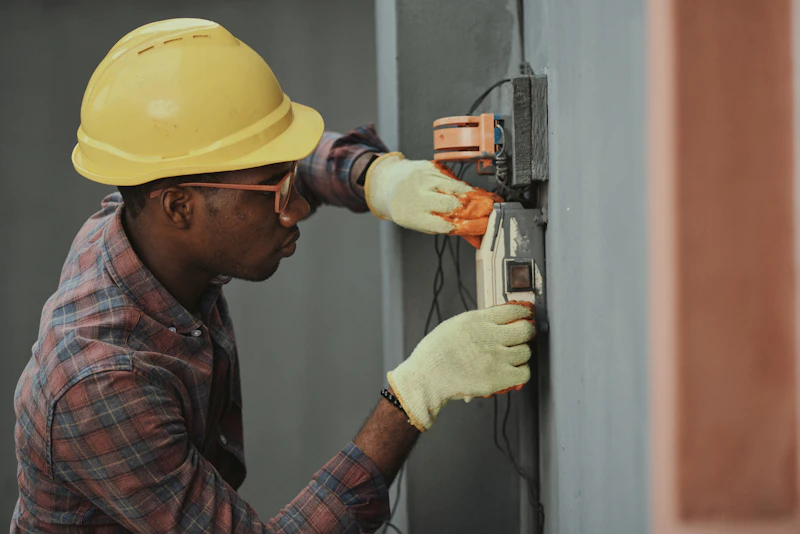
Based on Bureau of Labor Statistics wage data for the Orlando-Kissimmee-Sanford metropolitan area, electrical in Kissimmee costs between $80 and $4,620, with an average of $670.
Electrical Cost Breakdown — Kissimmee, FL
| Service/Item | Low Estimate | Average | High Estimate |
|---|---|---|---|
| Outlet Installation | $50 | $70 | $110 |
| Ceiling Fan Install | $170 | $240 | $360 |
| Panel Upgrade (200 amp) | $1,400 | $1,850 | $2,600 |
| EV Charger Install | $740 | $970 | $1,360 |
| Whole House Rewiring | $2,910 | $3,870 | $5,520 |
| Light Fixture Install | $70 | $90 | $150 |
Is It Time for Electrical? Warning Signs
Kissimmee’s relentless sun, hurricane threats, and near-constant humidity don’t just wear down roofs and siding—they silently degrade electrical systems inside walls, panels, and outdoor fixtures.
What starts as a flickering light can escalate into a fire hazard when moisture infiltrates compromised conduits or when termites chew through wiring insulation hidden behind concrete block walls. Recognizing early warning signs isn’t just about convenience—it’s a safety imperative in this subtropical zone.
Peak demand for electrical work in Kissimmee spikes from May through October, aligning with hurricane season and the surge in AC usage.
Off-peak, November through March, offers more contractor availability and often lower rates—especially after storm damage clears and before summer load strains return. Scheduling non-emergency upgrades during these quieter months can save time and money.
- If your circuit breaker trips more than twice a month—especially during AC cycling—your system may be overloaded or deteriorating due to moisture exposure.
- Flickering lights when large appliances start (like pool pumps or AC units) suggest voltage drops, common in older homes with undersized service or corroded connections.
- Buzzing outlets or warm faceplates indicate arcing or loose wiring, a critical risk in high-humidity environments where oxidation accelerates.
- Aluminum wiring or Federal Pacific panels in homes built before 1985 require immediate evaluation—both are known fire hazards, especially in salt-affected areas within 20 miles of the coast.
- Any musty odor near electrical panels or outlets may signal moisture intrusion, a frequent issue in stucco-clad homes with poor attic ventilation.
- Local labor rates — Electricians in Kissimmee earn a median wage of $29.02/hr (Bureau of Labor Statistics, 2024), about 2% below the national average. This reflects the region’s relatively lower cost of living, limited union presence, and high competition among contractors due to consistent demand from both residential growth and tourism-driven property maintenance.
- Seasonal demand — Electrical work peaks between May and October, coinciding with hurricane season and extreme humidity that stresses aging systems. Contractors often charge 10–20% more during this high-demand period due to scheduling pressure and storm-related emergency work, while off-peak months (November–April) offer more availability and competitive pricing.
- Project scope — A simple circuit repair may involve minimal labor and materials, but full electrical panel upgrades or rewiring older homes can drastically increase costs. The gap between low and high estimates often comes from hidden issues like corroded wiring, outdated knob-and-tube systems, or the need to bring work up to current Florida Building Code standards.
- Permits & inspections — The Florida Department of Business and Professional Regulation (DBPR) requires licensed electricians for most electrical work, and permits are mandatory for upgrades, especially within one mile of the coast where hurricane-rated materials are enforced. Permit fees typically range from $50 to $300, depending on project complexity and jurisdiction, and skipping them risks failed inspections or fines.
- Materials quality — Choosing between builder-grade and premium electrical components can result in a 30–50% price difference. In Kissimmee’s humid, salt-air environment, corrosion-resistant materials like THHN wire in EMT conduit, GFCI/AFCI breakers, and UV-rated outdoor fixtures offer longer life and better safety, justifying higher upfront costs.
- Property characteristics — Most homes in Kissimmee are concrete block (CBS) with stucco exteriors and flat or low-pitched roofs, making wall access more labor-intensive than in wood-frame homes. Older properties, stilt homes near water, and multi-story residences add complexity due to limited attic or crawlspace access, increasing labor time and overall cost.
- Emergency vs scheduled — After-hours, weekend, or storm-related electrical services—common during hurricane prep or power surge events—can cost 1.5 to 2 times more than standard appointments. Scheduling non-urgent work during daylight hours on weekdays avoids premium rates and ensures faster contractor availability.
Emergency electrical rates apply after hours, weekends, or during active storm events when safety is at risk—like a tripped main breaker during a hurricane warning. These calls often cost significantly more due to urgency and limited availability.
Avoid them by scheduling annual inspections before hurricane season and upgrading aging components proactively. A $200 diagnostic visit in January can prevent a $1,500+ emergency call in September.
What Drives Price Differences Between Contractors
Electrical pricing in Kissimmee reflects a mix of local risk factors, labor standards, and material demands unique to Central Florida’s built environment.
While the U.S. Bureau of Labor Statistics reports an average electrician wage of $29.02/hr, most licensed contractors in this metro area apply a markup to cover overhead, insurance, and compliance with Florida’s strict building codes—especially those related to wind resistance and flood zones. Homeowners may also want to compare Electrical in Miami.
Kissimmee labor and material costs run about 2% below the national average, but that doesn’t mean corners are cut. For a nearby comparison, check Electrical in Pompano Beach.
In fact, the opposite: homes here are predominantly concrete block (CBS), which requires specialized drilling and anchoring techniques that increase labor time. Stucco finishes demand careful patching after conduit runs, and flat or low-slope roofs often hide complex wiring for HVAC and attic ventilation systems critical in 90°F+ summers. Homeowners may also want to compare roofing costs in Kissimmee.
Coastal proximity—even in inland Kissimmee—affects material specs. Contractors routinely use corrosion-resistant conduit, GFCI-protected circuits, and tamper-resistant outlets to meet code and withstand humidity-driven degradation.
Homes on stilts or with screened-in lanai enclosures add access challenges, increasing labor hours. Termites, active year-round, can damage non-metallic sheathed cable, forcing upgrades to armored or conduit-protected wiring.
Contractor pricing varies based on licensing level (Certified vs. Licensed electricians), bonding capacity, and experience with utility interconnection—especially for solar or generator tie-ins, which are common in this blackout-prone region.
Some firms cut costs with unlicensed labor, but that risks failed inspections and voided insurance claims. Always verify license status through the Florida Department of Business and Professional Regulation.
Financing Options for Electrical in FL
Major electrical upgrades—like panel replacements, whole-house rewiring, or generator installations—often exceed $3,000, making financing a practical option for many Kissimmee homeowners. Most established contractors offer in-house payment plans, typically 3-12 months same-as-cash or low-interest installment agreements, especially for storm-hardening projects.
Home equity loans or HELOCs are popular for larger electrical retrofits, particularly when bundled with roof, HVAC, or impact window upgrades.
These loans leverage your home’s value and often carry lower interest rates than personal loans. For those without equity, unsecured personal loans from credit unions or online lenders provide flexibility, though rates vary widely based on credit score.
Zero-percent financing through contractors partnered with lenders like GreenSky or Hearth is common for energy-efficient electrical work, including EV charger installations or solar-ready panels. These promotions typically require credit approval and full payment within 12–24 months to avoid retroactive interest.
Financing makes sense when the upgrade enhances safety or property value—like replacing a Zinsco panel or adding surge protection ahead of hurricane season.
Paying cash is ideal for smaller repairs under $1,000, where interest and fees outweigh benefits. Always ask contractors for written disclosures on financing terms, including deferred interest clauses and prepayment penalties. Related: plumbing costs in Kissimmee.
How to Avoid Overpaying in Kissimmee
Overpaying for electrical work often stems from urgency, lack of competition, or incomplete scope definition. See how costs compare: Electrical in Fort Lauderdale.
In a market where storm damage can trigger price surges, preparation is your best defense. Start by getting at least three detailed bids that itemize labor, materials, and permit fees—vague estimates often hide change orders later.
Negotiation works best when you’re informed.
Mentioning the $29.02/hr BLS benchmark gives you leverage, but focus on value: ask how the contractor handles inspections, warranty work, and compliance with Florida’s Energy Efficiency Code. A slightly higher bid from a bonded, insured firm with local references is safer than the lowest quote from an unknown crew.
Time your project strategically. Schedule non-urgent work between November and March, when demand drops and contractors compete for business.
Some offer 5–10% seasonal discounts for jobs booked during slower months. Ask about “rainy day” specials or referral incentives—many local firms reward repeat customers.
Bundling delivers real savings. Combine electrical upgrades with roofing, AC replacement, or pool rescreening—many full-service contractors offer 10–15% off coordinated projects.
For example, running new circuits during a roof tear-off avoids separate attic access costs. Similarly, upgrading your panel while installing a new AC unit reduces labor overlap.
| Service Bundle | Typical Labor Savings | Best Time to Schedule |
|---|---|---|
| Electrical + Roof Replacement | 12–15% | Post-hurricane season (Oct–Nov) |
| Panel Upgrade + AC Installation | 10–12% | Early spring (Feb–Mar) |
| Generator + Surge Protection | 8–10% | Pre-hurricane season (Apr–May) |
What Affects Electrical Costs in Kissimmee?
What Affects Electrical Costs in Kissimmee?
Homeowners in Kissimmee, part of the Orlando-Kissimmee-Sanford metro, face unique electrical repair and upgrade challenges due to local labor, climate, and building requirements. Understanding these factors helps manage expectations and plan for expenses.
Popular Electrical Brands in Kissimmee
Frequently Asked Questions
How much does electrical cost in Kissimmee, FL?
The average electrical cost in Kissimmee, FL is $670, with prices typically ranging from $80 to $4,620 depending on the project scope. Labor rates average $29.02 per hour, according to the U.S. Bureau of Labor Statistics (BLS), which tracks the Orlando-Kissimmee-Sanford metro area. This includes common jobs like outlet installations, panel upgrades, or wiring repairs. Costs can vary based on materials, accessibility, and whether permits are required.
Why is electrical less expensive in Kissimmee than the national average?
Electrical work in Kissimmee is often less expensive than the national average due to lower labor rates and operating costs in the Orlando-Kissimmee-Sanford metro area. The BLS reports an hourly mean wage of $29.02 for electricians here, below the national average for many high-cost metro areas. Additionally, competition among licensed contractors and relatively standardized permitting processes help keep prices stable. However, project-specific factors like materials and code compliance can still influence final costs.
How can I save money on electrical in Kissimmee?
You can save money by getting multiple quotes from licensed electricians in Kissimmee and scheduling work during off-peak seasons like late summer. Bundling multiple electrical jobs—such as replacing outlets and upgrading switches—can reduce labor time and costs. Always verify contractors are licensed and insured to avoid costly rework, and ask if they charge by the job or hour, as flat rates may offer better value for defined tasks. Using your own materials is rarely recommended unless specified by a contractor.
Do I need a permit for electrical in FL?
Yes, most electrical work in Florida requires a permit, including new installations, panel upgrades, and major rewiring. Local jurisdictions in Osceola County, including Kissimmee, enforce the Florida Building Code, which mandates permits to ensure safety and compliance. Permits are typically pulled by licensed contractors, who will schedule inspections. Minor repairs like replacing a switch or outlet may not require one, but it's best to confirm with the local building department.
How long does electrical take in Kissimmee?
Simple electrical jobs like installing outlets or fixtures usually take a few hours, while larger projects such as panel upgrades or whole-house rewiring can take several days. The timeline depends on permit approval, job complexity, and contractor availability. In Kissimmee, permit processing through Osceola County typically takes 1–3 business days. Delays may occur during peak construction seasons due to high demand for inspections.
What warranty should I expect from a electrical contractor?
Most reputable electrical contractors in Kissimmee offer a 1- to 2-year labor warranty on installations and repairs, in addition to manufacturer warranties on parts and devices. This covers issues like faulty connections or workmanship errors. Always ask for warranty terms in writing before work begins. Some contractors may extend warranties for larger projects like service panel replacements.
What's the best time of year for electrical in Kissimmee?
The best time for electrical work in Kissimmee is late summer to early fall, particularly August and September, when demand is lower due to hurricane season and reduced tourism. Contractors may offer better availability and competitive rates during this off-peak period. Avoid scheduling during winter months when the area sees high visitor volume and increased construction activity. This timing can help you secure faster service and potentially lower costs.
