How Much Does Roofing Cost in Kissimmee, FL?
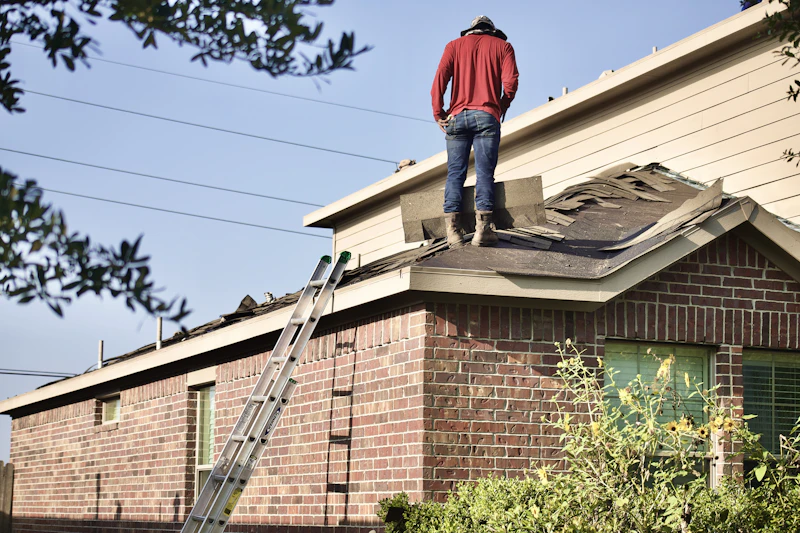
Based on Bureau of Labor Statistics wage data for the Orlando-Kissimmee-Sanford metropolitan area, roofing in Kissimmee costs between $2,290 and $15,680, with an average of $5,490.
Roofing Cost Breakdown — Kissimmee, FL
| Service/Item | Low Estimate | Average | High Estimate |
|---|---|---|---|
| Asphalt Shingles (per sq) | $120 | $160 | $250 |
| Metal Roofing (per sq) | $330 | $440 | $630 |
| Flat Roof Repair | $230 | $320 | $490 |
| Full Replacement (2,000 sq ft) | $4,180 | $5,490 | $7,690 |
| Roof Inspection | $20 | $30 | $60 |
| Gutter Installation (per ft) | $10 | $10 | $20 |
| Roofing Service | Avg. Cost Range | Labor Rate | Time to Complete |
|---|---|---|---|
| Asphalt Shingle Roof Replacement | See pricing table | $22.09/hr | 3–5 days |
| Metal Roof Installation | See pricing table | $22.09/hr | 5–7 days |
| TPO Roofing (Flat Roofs) | See pricing table | $22.09/hr | 4–6 days |
| Roof Inspection & Repair | See pricing table | $22.09/hr | 1–2 days |
The Kissimmee Roofing Market in 2026
Kissimmee’s roofing market is under pressure. Demand remains high as new construction booms near Lake Tohopekaliga and along US-192, while existing homeowners rush to replace roofs damaged by repeated summer thunderstorms and aging materials.
Contractor availability is tight—especially for licensed, insured crews familiar with Florida Building Code (FBC) requirements. Many top-rated roofing companies are booking jobs 6 to 8 weeks out, particularly from May through September.
The local economy plays a direct role in pricing.
With tourism driving residential investment—especially in short-term rental zones near Disney World and Reunion—property owners are upgrading roofs not just for durability but for curb appeal. This demand inflates labor and material costs, especially for impact-resistant shingles or metal roofing that meet insurance discounts under Florida’s wind mitigation standards.
Trends in 2026 favor durability and storm readiness. Homeowners are shifting from 25-year to 30-year architectural shingles, and metal roofing is gaining traction in newer developments like Hunter’s Creek and Celebration.
Cool roofing materials—especially white TPO for flat roofs—are increasingly common in commercial-style homes and pool cages. Solar-ready underlayment is also being pre-installed, even without immediate panel plans, to future-proof for energy incentives.
How Local Housing Stock Affects Your Costs
The age and construction of your home in Kissimmee directly impact roofing complexity and cost.
Much of the housing stock built before 2000 uses concrete block construction (CBS), which holds up well in storms but often has outdated roof framing and deck materials.
Older homes in downtown Kissimmee or the Poinciana area may have wood decking beneath asphalt shingles, requiring full tear-off and replacement due to rot or inadequate nailing patterns. Homeowners may also want to compare Roofing in Miami.
Stilt homes are less common inland but appear in flood-prone areas near Shingle Creek or Boggy Creek. For a nearby comparison, check Roofing in Pompano Beach.
These structures require additional safety measures and scaffolding, increasing labor time.
Flat or low-slope roofs—common in Mediterranean-style homes in ChampionsGate or Costa del Sol—typically use modified bitumen or TPO membranes, which cost more to install and maintain than sloped systems. Homeowners may also want to compare kitchen remodel costs in Kissimmee.
Stucco exteriors complicate roof replacements. Contractors must protect stucco during tear-off to avoid costly repairs.
If flashing isn’t properly re-integrated, water can infiltrate behind the stucco, leading to mold or structural damage.
Screened-in lanais, standard in 90% of Kissimmee homes, also add complexity. Roofers must work around the cage structure, and damaged screen sections often need repair after debris removal.
Newer homes, especially those built post-2005, generally follow stricter FBC standards. They feature hurricane clips, sealed deck seams, and impact-rated underlayment.
While these homes may need less structural prep work, they still require certified materials and installation methods, keeping labor rates near the $22.09/hr BLS benchmark. Older homes without proper attic ventilation often need soffit or ridge vent upgrades during re-roofing, adding to project scope.
Permits, Codes, and Regulations in FL
In Florida, roofing work over $500 requires a permit issued by the local building department—Osceola County or the City of Kissimmee, depending on jurisdiction.
The permit ensures compliance with the Florida Building Code (FBC), which is more rigorous than the International Residential Code (IRC), especially for wind resistance. Contractors must be licensed through the Florida Department of Business and Professional Regulation (DBPR), and unlicensed work voids insurance and may result in fines.
Hurricane-rated materials are mandatory within one mile of the coast, but Kissimmee’s inland location doesn’t exempt it.
The entire Orlando-Kissimmee-Sanford metro is classified as a High-Velocity Hurricane Zone (HVHZ) due to storm surge modeling and wind tunnel effects from flat terrain. This means all new roofs must use FBC-compliant shingles, fasteners, and underlayment—typically Class 4 impact resistance and ASTM D7158 wind ratings of at least 130 mph.
Permit costs in Kissimmee typically range from $150 to $400, depending on roof size and scope. The approval process takes 5 to 10 business days if plans are complete. Inspections occur at two stages: after deck prep and underlayment, and after final installation.
Skipping permits may save money upfront but creates serious consequences. Unpermitted work can trigger insurance denial after storm damage, complicate home sales, and result in stop-work orders or liens.
Buyers in Kissimmee’s competitive market now routinely request proof of permits during inspections, especially for roofs less than 10 years old. Related: bathroom remodel costs in Kissimmee.
Getting the Best Value on Roofing
Value isn’t just about the lowest bid—it’s about durability, compliance, and long-term savings. In Kissimmee, smart homeowners negotiate based on timing and bundling, not just price. See how costs compare: Roofing in Fort Lauderdale.
The best window for discounts is late fall, from November to early January, when demand drops after hurricane season and contractors seek year-end work. Scheduling during this period can yield 5% to 10% savings or added upgrades like ridge vent installation at no extra cost.
Negotiation works best when you have multiple detailed bids. Focus on scope differences: one contractor may include full decking replacement, while another assumes existing sheathing is sound.
Ask for line-item breakdowns and verify that all bids include permit fees, debris removal, and flashing replacement at penetrations. A bid that’s significantly lower may cut corners on fastener count or underlayment—critical in a region where wind-driven rain is common.
Bundling delivers real savings. Many roofing contractors in Osceola County also offer gutter replacement, attic insulation, or screened lanai repairs.
Replacing gutters during a roof job eliminates duplicate mobilization costs.
Adding radiant barrier insulation in the attic while the roof is off can reduce cooling costs by 10%–15%, a strong selling point in Kissimmee’s humid climate. Some contractors even partner with solar installers—coordinating roof prep with future panel mounting systems.
Finally, leverage insurance. If your roof has storm damage, file a claim before getting bids. Many local contractors work directly with insurers and can help document damage for wind mitigation credits.
A new, code-compliant roof can reduce your annual homeowner’s insurance by 15% or more—effectively paying for itself over time. In Kissimmee, where insurance rates are among the highest in Florida, that’s not just value. It’s necessity.
What Affects Roofing Costs in Kissimmee?
What Affects Roofing Costs in Kissimmee?
Homeowners in the Orlando-Kissimmee-Sanford metro face unique roofing challenges due to Florida’s harsh subtropical climate and hurricane exposure.
From labor rates to mandatory storm-resistant materials, several local factors influence roofing costs. Understanding these elements helps Kissimmee residents make informed decisions when repairing or replacing their roofs.
- Local labor rates — Roofing labor in Kissimmee averages $22.09 per hour, about 2% below the national average, primarily due to lower overall cost of living and limited union presence in the construction sector. However, high demand during hurricane season can temporarily push wages up, especially for licensed, experienced crews.
- Seasonal demand — Roofing demand peaks in late spring through early fall as homeowners prepare for hurricane season, leading to 10–20% higher pricing during these months. The off-peak winter and early spring months offer more availability and potential savings, as contractors compete for business during Florida’s milder weather.
- Project scope — A basic roof repair—such as fixing wind-lifted shingles or sealing leaks—costs significantly less than a full tear-off and replacement. The gap between low and high estimates often reflects hidden damage from moisture, rot, or termite infestation common in older Kissimmee homes with prolonged humidity exposure.
- Permits & inspections — Florida requires all major roofing work to be performed by a licensed contractor (DBPR-registered), and permits are mandatory within 1 mile of the coast for hurricane zone compliance. Permit fees typically range from $50 to $300 and include structural and wind-resistance inspections to meet Florida Building Code standards.
- Materials quality — Builder-grade asphalt shingles are common in new developments but offer limited lifespan in Kissimmee’s intense sun and storms. Premium options like Class 4 impact-resistant shingles, metal roofing, or concrete tile cost 30–50% more but provide better durability against hurricanes, UV damage, and salt air corrosion.
- Property characteristics — Many Kissimmee homes are concrete block (CBS) with stucco exteriors and low-slope or flat roofs, which require specialized flashing and drainage solutions. Multi-story homes, stilt construction near water, or limited access due to tight lots increase labor complexity and pricing.
- Emergency vs scheduled — Storm damage repairs during or immediately after hurricanes often incur emergency rates—1.5 to 2 times standard pricing—especially for after-hours or weekend service. Scheduling work proactively avoids these premiums and ensures better contractor availability.
Popular Roofing Brands in Kissimmee
Frequently Asked Questions
How much does roofing cost in Kissimmee, FL?
The average cost of a roof replacement in Kissimmee, FL is $5,490, with prices typically ranging from $2,290 to $15,680 depending on roof size, materials, and labor. This estimate aligns with regional labor rates, where roofers in the Orlando-Kissimmee-Sanford metro earn a mean hourly wage of $22.09 according to the U.S. Bureau of Labor Statistics (BLS). Costs can vary significantly based on shingle type, underlayment, and removal of old materials. For accurate pricing, obtain multiple quotes from licensed local contractors.
Why is roofing less expensive in Kissimmee than the national average?
Roofing in Kissimmee is often less expensive than the national average due to lower labor costs and competitive pricing among a high concentration of licensed roofing contractors. According to BLS data, roofers in this metro area earn $22.09 per hour on average, which is below the national mean wage for the occupation. Additionally, the local climate and building codes favor standardized roofing practices, reducing complexity and material costs. These factors contribute to more affordable overall project pricing for homeowners.
How can I save money on roofing in Kissimmee?
You can save money on roofing in Kissimmee by scheduling replacements during the off-peak season, such as late fall or early spring, when contractors may offer discounts due to lower demand. Choosing standard architectural shingles instead of premium materials helps control costs while maintaining durability in Florida’s humid climate. Getting at least three detailed bids from licensed contractors ensures competitive pricing based on the local $22.09/hr BLS labor rate. Also, avoid unnecessary upgrades and ensure proper attic ventilation to extend roof life and reduce long-term expenses.
Do I need a permit for roofing in FL?
Yes, you typically need a building permit for any roof replacement or major repair in Florida, including Kissimmee, to ensure compliance with state and local building codes. The permit process verifies that the work meets wind resistance and structural requirements for hurricane-prone areas. Licensed roofing contractors usually handle permit applications and associated fees on behalf of the homeowner. Failure to obtain a permit can result in fines and complications during property sales.
How long does roofing take in Kissimmee?
A typical roof replacement in Kissimmee takes 2 to 3 days for an average-sized home, depending on roof complexity, weather conditions, and crew size. Simple repairs or partial replacements may be completed in a single day. Delays can occur during the rainy season due to afternoon thunderstorms common in Central Florida. Working with licensed contractors who follow BLS-reported labor standards helps ensure efficient, timely completion.
What warranty should I expect from a roofing contractor?
A reputable roofing contractor in Kissimmee should offer both a labor warranty (typically 2 to 5 years) and a manufacturer’s warranty on materials (often 25 to 30 years for asphalt shingles). The labor warranty covers workmanship defects, such as improper installation or flashing issues, while the material warranty protects against premature shingle failure. Ensure the warranty details are in writing and verify that the contractor is licensed and in good standing with the Florida DBPR. Some contractors may offer extended labor warranties for an additional cost.
What's the best time of year for roofing in Kissimmee?
The best time for roofing in Kissimmee is during the dry season, from November to April, when rainfall is lower and temperatures are more moderate, reducing the risk of weather delays. Scheduling during this period increases the likelihood of completing the project in 2 to 3 days without interruptions from afternoon thunderstorms. Contractors may also offer better rates during late winter due to lower demand compared to hurricane preparedness season. Planning ahead ensures access to quality licensed roofers who follow BLS labor standards and local building codes.
