How Much Does Electrical Cost in Sandy Springs, GA?
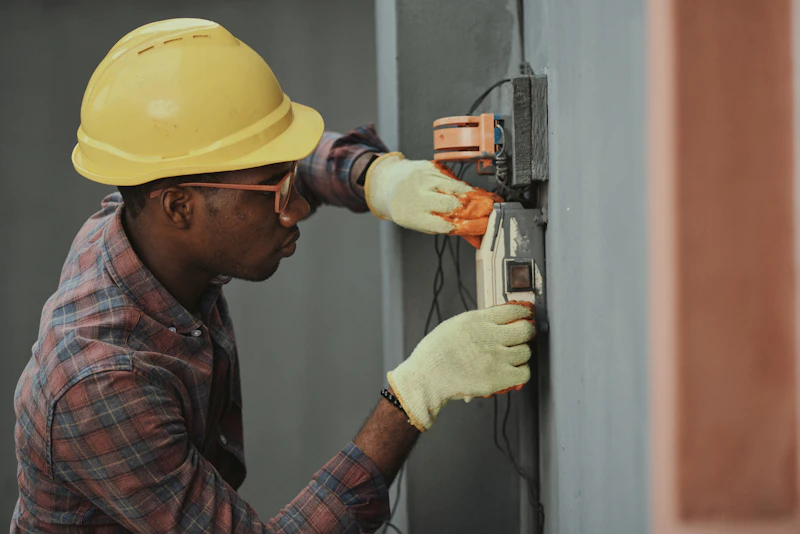
Based on Bureau of Labor Statistics wage data for the Atlanta-Sandy Springs-Alpharetta metropolitan area, electrical in Sandy Springs costs between $70 and $4,570, with an average of $670.
Electrical Cost Breakdown — Sandy Springs, GA
| Service/Item | Low Estimate | Average | High Estimate |
|---|---|---|---|
| Outlet Installation | $40 | $70 | $110 |
| Ceiling Fan Install | $170 | $230 | $350 |
| Panel Upgrade (200 amp) | $1,400 | $1,840 | $2,580 |
| EV Charger Install | $740 | $970 | $1,350 |
| Whole House Rewiring | $2,890 | $3,840 | $5,470 |
| Light Fixture Install | $60 | $90 | $140 |
How Electrical Pricing Works in the Atlanta-Sandy Springs-Alpharetta Area
Sandy Springs homeowners often find electrical costs slightly below the national average—typically around 5% lower—thanks to a competitive contractor market and a high volume of newer homes built after 2000. While the U.S.
Bureau of Labor Statistics reports an average electrician wage of $28.13 per hour in this region, actual field rates are shaped by more than just labor. Contractors apply a markup to cover overhead, insurance, tools, and project management, but the dense concentration of licensed professionals in the Atlanta-Sandy Springs-Alpharetta metro keeps pricing disciplined.
The local climate plays a direct role in electrical demand. With summer temperatures regularly hitting 90–100°F and high humidity, HVAC systems run longer and harder, increasing strain on circuits and service panels.
This drives frequent upgrades to electrical service, especially in older brick ranch homes on slab foundations. Red clay soil, common across Sandy Springs, expands and contracts with moisture changes, leading to foundation shifts that can stress underground wiring and conduit. Homeowners with crawl spaces—more common in pre-1980s construction—often face moisture-related issues like corroded junction boxes or rodent-damaged wiring, requiring full circuit inspections before any upgrade.
Termite pressure is another local factor. While termites don’t eat wiring, they tunnel through wood framing and insulation, often displacing or gnawing through low-voltage and power cables. Homeowners may also want to compare Electrical in Atlanta.
Many electrical repairs in older neighborhoods like Sandy Springs West or Williamsburg trace back to termite activity discovered during panel upgrades. Afternoon thunderstorms, frequent in spring and summer, cause power surges that degrade breakers and connected devices—prompting demand for whole-house surge protectors and generator-ready subpanels. For a nearby comparison, check hvac costs in Sandy Springs.
Newer developments in Perimeter, Northridge, or Abernathy Corridor typically have 200-amp services, GFCI/AFCI protection, and structured wiring, reducing retrofit needs.
But even in these homes, smart home integrations, EV charging stations, and outdoor kitchen circuits are driving demand for expanded capacity. Permits are required for all new circuits and panel work, and while Sandy Springs follows the Georgia State Electrical Code, inspections are handled locally—meaning faster turnaround than in Atlanta, where permitting can be more stringent.
What to Expect During the Estimate Process
When you call a licensed electrician in Sandy Springs, the first step is a site visit—not a phone quote.
A qualified contractor will inspect your panel, assess circuit loads, and evaluate existing wiring conditions, especially if your home has sections built before 1990. They’ll check for aluminum wiring, outdated knob-and-tube runs, or overloaded neutrals, all of which are red flags in older slab-on-grade homes.
During the estimate, expect a walkthrough where the electrician asks about your goals: Are you adding a hot tub? Upgrading to a tankless water heater? Installing recessed lighting in a vaulted ceiling? These details shape the scope.
They’ll also review permit requirements—Sandy Springs requires permits for any new circuit, service upgrade, or outdoor installation—and provide a timeline. Most residential electrical jobs take 1–3 days, though panel upgrades or whole-house rewires in homes with limited attic or crawl space access can stretch to 5–7 days. Related: plumbing costs in Sandy Springs.
After the visit, you’ll receive a written estimate detailing labor, materials, permit fees, and expected inspection dates. Reputable contractors include a diagram for complex jobs like generator interlocks or multi-zone lighting controls. See how costs compare: Electrical in Alpharetta.
Once you approve, scheduling typically occurs within 1–2 weeks, depending on permit approval and material availability. Inspections are usually scheduled within 48 hours of work completion, and passing inspection is required before final payment.
DIY vs. Professional Electrical: When It Makes Sense
| Safe for DIY | Hire a Pro |
|---|---|
| Replacing light fixtures (same location, same wattage) | Installing new circuits or outlets |
| Swapping out switches or outlets (existing boxes, same amperage) | Upgrading electrical service or main panel |
| Adding plug-in landscape lighting | Running wiring in walls, attics, or under slabs |
| Installing battery-powered smoke detectors | Connecting major appliances (oven, HVAC, EV charger) |
| Using smart plugs or portable surge protectors | Working in homes with aluminum or knob-and-tube wiring |
DIY electrical work is limited in Sandy Springs. Even minor changes can violate the Georgia State Electrical Code if not inspected.
More importantly, insurance companies may deny claims if unpermitted or unlicensed work contributes to a fire or failure. Licensed electricians carry liability insurance and pull permits—providing protection you don’t get with DIY. If your home has red clay soil shifting conduits or a history of termite damage, professional assessment is non-negotiable.
Questions to Ask Before Signing a Contract
Sandy Springs doesn’t issue its own electrical licenses—contractors must be licensed by the State of Georgia for certain trades, but electrical work is regulated at the local level through permits and inspections. While Atlanta enforces stricter energy and wiring standards, Sandy Springs follows the Georgia Energy Code with local amendments, especially for HVAC and insulation-related electrical loads.
- Are you licensed and insured in Georgia? Verify their contractor license number and check with the Georgia Secretary of State. Ask for proof of general liability and workers’ comp insurance.
- Will you pull the permit? All circuit additions, panel changes, and outdoor installations require a Sandy Springs permit. The contractor should handle this—not you.
- Does the estimate include inspection fees and utility coordination? Some jobs require Georgia Power to disconnect/reconnect service. Make sure those costs are included.
- What’s your experience with homes like mine? If you’re in a brick ranch on a slab or have a crawl space, ask about past projects in neighborhoods like Eastover or Riverside.
- How do you handle hidden issues? Termite damage, corroded grounds, or undersized conduits under slabs can emerge mid-job. Ask how change orders are managed.
- Can you provide references in Sandy Springs? Local references help confirm reliability and code compliance.
Red flags include contractors who demand full payment upfront, refuse to pull permits, or suggest bypassing inspections. If an estimate seems unusually low, it may exclude permit fees or use substandard materials. Always get everything in writing—and never let work begin without a signed contract and approved permit.
What Affects Electrical Costs in Sandy Springs?
What Affects Electrical Costs in Sandy Springs?
Homeowners in Sandy Springs, GA face unique factors that influence electrical repair and upgrade expenses. From climate-driven demand to local construction practices, understanding these variables helps you budget wisely for electrical work in the Atlanta-Sandy Springs-Alpharetta metro area.
- Local labor rates — Electricians in Sandy Springs earn a median hourly wage of $28.13, about 5% below the national average. This is due to a moderately lower cost of living compared to other major metro areas and limited union presence in Georgia’s electrical trade sector, which keeps labor pricing competitive despite steady demand from new construction and renovations.
- Seasonal demand — Electrical service demand peaks in late spring and summer when homeowners prepare for sweltering temperatures (often 90–100°F) and frequent afternoon thunderstorms. During peak months (May–August), contractors may charge 10–20% more due to high workloads, especially for surge protection, panel upgrades, and HVAC electrical system checks.
- Project scope — A simple outlet replacement differs drastically in cost from a full-service panel upgrade or rewiring an older home. The gap between low and high estimates often comes down to hidden wiring issues, circuit load requirements, and whether the job involves slab-on-grade access challenges common in Sandy Springs’ post-2000 brick ranch and single-story homes.
- Permits & inspections — Georgia requires licensed electricians for most electrical work, and Sandy Springs enforces strict permitting for upgrades affecting service panels, outdoor installations, or new circuits. Permit fees typically range from $50 to $300 depending on project scale, and skipping them risks failed inspections or complications during home resale.
- Materials quality — Choosing between builder-grade and premium electrical components can result in a 30–50% price difference. In Sandy Springs, homeowners often upgrade to tamper-resistant outlets, weather-resistant exterior fixtures, and AFCI/GFCI breakers to handle humidity and storm risks, while premium wiring and panels offer longer durability in red clay soil environments.
- Property characteristics — Homes built on slab foundations—common in this area—can increase labor time if accessing wiring beneath floors. Older homes may have outdated knob-and-tube wiring or aluminum circuits, while multi-story or tightly packed floor plans in newer construction reduce job accessibility and raise labor hours.
- Emergency vs scheduled — After-hours, weekend, or storm-related electrical calls—frequent during Sandy Springs’ intense summer thunderstorms—can cost 1.5 to 2 times more than standard appointments. Scheduling non-urgent repairs during weekdays helps avoid emergency premiums and ensures faster technician availability.
Popular Electrical Brands in Sandy Springs
Frequently Asked Questions
How much does electrical cost in Sandy Springs, GA?
The average electrical cost in Sandy Springs, GA is $670, with prices typically ranging from $70 to $4,570 depending on the scope of work. Labor rates average $28.13 per hour, in line with the U.S. Bureau of Labor Statistics (BLS) data for the Atlanta-Sandy Springs-Alpharetta metro area. This includes common jobs like outlet installations, panel upgrades, or wiring repairs. Costs can vary based on materials, project complexity, and contractor pricing.
Why is electrical less expensive in Sandy Springs than the national average?
Electrical work in Sandy Springs is not necessarily less expensive than the national average; the $28.13/hr labor rate aligns closely with national BLS figures for similar metro areas. Lower material costs, competitive local markets, and efficient permitting processes may help keep overall project costs in check. Regional differences in overhead and licensing requirements also contribute to pricing stability. Always compare licensed contractor bids to ensure fair pricing.
How can I save money on electrical in Sandy Springs?
You can save money by scheduling electrical work during off-peak seasons, such as late winter, when contractors may offer lower rates due to reduced demand. Bundling multiple electrical projects—like adding outlets and upgrading lighting—can reduce labor costs. Always get multiple quotes from licensed contractors to compare pricing and avoid overpaying. Preventative maintenance, like updating old wiring early, can also prevent costly emergency repairs.
Do I need a permit for electrical in GA?
Yes, most electrical work in Georgia requires a permit, including new installations, panel upgrades, and major wiring changes. Permits ensure work complies with the Georgia State Electrical Code and are typically obtained by licensed contractors. Minor repairs like replacing switches or outlets may not require permits, but it's best to verify with the Sandy Springs Building Division. Unpermitted work can lead to fines or issues during home sales.
How long does electrical take in Sandy Springs?
Simple electrical jobs like replacing fixtures or adding outlets usually take a few hours to one day in Sandy Springs. Larger projects such as panel upgrades or whole-home rewiring can take several days to a week, depending on complexity and permitting. Delays may occur if inspections are backlogged or materials are unavailable. Hiring a licensed contractor who handles permits efficiently can help maintain timelines.
What warranty should I expect from a electrical contractor?
Most reputable electrical contractors in Sandy Springs offer a warranty of 1 to 2 years on labor, covering defects or issues arising from installation. Some may also provide extended warranties or manufacturer-backed coverage for parts and materials. Always get the warranty terms in writing before work begins. Warranties typically exclude damage from external factors like power surges or homeowner modifications.
What's the best time of year for electrical in Sandy Springs?
The best time for electrical work in Sandy Springs is late winter, particularly January to early February, when demand for contractors is lower. Scheduling during this period may result in faster appointments and potential discounts. Mild weather also supports timely outdoor electrical projects like lighting or garage upgrades. Avoid peak seasons like summer, when HVAC and renovation demand can delay scheduling.
