How Much Does Electrical Cost in Alpharetta, GA?
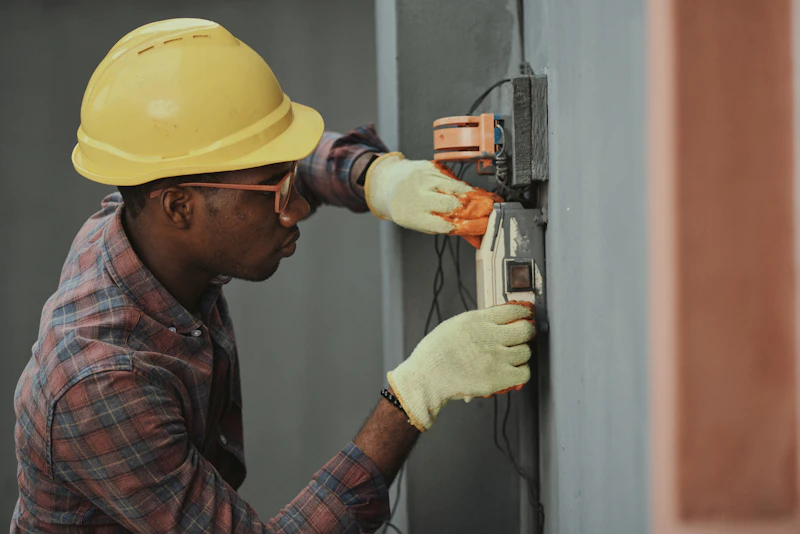
Based on Bureau of Labor Statistics wage data for the Atlanta-Sandy Springs-Alpharetta metropolitan area, electrical in Alpharetta costs between $70 and $4,570, with an average of $670.
Electrical Cost Breakdown — Alpharetta, GA
| Service/Item | Low Estimate | Average | High Estimate |
|---|---|---|---|
| Outlet Installation | $40 | $70 | $110 |
| Ceiling Fan Install | $170 | $230 | $350 |
| Panel Upgrade (200 amp) | $1,400 | $1,840 | $2,580 |
| EV Charger Install | $740 | $970 | $1,350 |
| Whole House Rewiring | $2,890 | $3,840 | $5,470 |
| Light Fixture Install | $60 | $90 | $140 |
How Electrical Pricing Works in the Atlanta-Sandy Springs-Alpharetta Area
Alpharetta’s electrical costs reflect a blend of regional labor trends, climate demands, and housing characteristics unique to North Fulton County. While the U.S.
Bureau of Labor Statistics reports an average electrician wage of $28.13 per hour, contractors in this metro area typically apply a markup to cover overhead, insurance, tools, and project management—especially critical during peak summer months when demand surges. Despite this, overall electrical pricing in Alpharetta runs about 5% below the national average, driven by competitive market conditions and a high concentration of licensed electrical firms serving the Atlanta corridor.
Local environmental factors directly impact electrical system performance and longevity. Summer temperatures regularly climb to 90–100°F, placing sustained stress on HVAC circuits and outdoor electrical components.
Afternoon thunderstorms are common from May through September, increasing the need for surge protection and grounding system integrity. Red clay soil, prevalent across Alpharetta, expands and contracts with moisture changes, potentially shifting slab foundations and damaging buried conduit or crawl space wiring in older homes. Termite pressure is another concern—especially in pre-2000 homes with wood-framed walls—where infestations can compromise wire insulation and junction boxes.
Housing stock also shapes electrical project scope. Most homes in Alpharetta are post-2000 builds with brick exteriors, slab-on-grade foundations, and open-concept layouts that require more circuits for lighting and outlets. Homeowners may also want to compare Electrical in Atlanta.
Crawl spaces in older neighborhoods like Cambridge or Haynes Bridge Road add complexity due to moisture and limited access. Newer developments follow updated Georgia Energy Code standards, but upgrades like EV charging stations, whole-house generators, or smart home systems often require panel upgrades—common drivers of project cost. For a nearby comparison, check hvac costs in Alpharetta.
What to Expect During the Estimate Process
When you call an Alpharetta electrical contractor, the first step is a site visit—never a quote over the phone for anything beyond minor repairs. A qualified electrician will inspect your panel, existing circuits, and the specific work area.
They’ll assess wire gauge, grounding, load capacity, and compliance with the National Electrical Code (NEC) and local amendments enforced by Fulton County or the City of Alpharetta. If you’re adding circuits or a subpanel, they’ll also evaluate attic or wall access, especially in brick homes where running new conduit requires precision drilling.
During the visit, expect questions about your goals: Are you preparing for a kitchen remodel? Installing a backup generator for storm season? Upgrading lighting for energy efficiency? The contractor may take photos, sketch a rough layout, and note any code issues—like outdated aluminum wiring or double-tapped breakers—that must be corrected. You’ll receive a written estimate within 1–3 business days, itemizing labor, materials, permit fees, and timeline.
Permitting is handled locally. Alpharetta requires electrical permits for all new circuits, panel changes, and outdoor installations. The process usually takes 2–5 days for approval, and inspections occur at rough-in and final stages.
For typical projects—like adding outlets, replacing fixtures, or installing a ceiling fan—expect 3–7 days from estimate to completion. Larger jobs, such as whole-house re-wiring or generator hookups, may take 1–3 weeks depending on material availability and inspection scheduling. Delays often stem from permit backlogs during spring and fall, when renovation activity peaks. Related: plumbing costs in Alpharetta.
DIY vs. Professional Electrical: When It Makes Sense
| Safe for DIY | Hire a Pro |
|---|---|
| Replacing light fixtures (same circuit, same location) | Installing new circuits or outlets |
| Swapping out switches or outlets (existing boxes, no load changes) | Upgrading electrical panels or main service |
| Adding plug-in landscape lighting | Running wiring through walls, attics, or slabs |
| Installing battery-operated smoke detectors | Connecting generators or transfer switches |
| Resetting tripped breakers or GFCI outlets | Working in older homes with knob-and-tube or aluminum wiring |
DIY electrical work is limited in Georgia. Even minor changes can violate code if not permitted and inspected. Without proper permits, you risk failed home inspections during resale and denied insurance claims in case of fire. See how costs compare: Electrical in Sandy Springs.
Most homeowner policies won’t cover damage from unpermitted electrical work. Licensed electricians carry liability insurance and are trained to handle Alpharetta-specific challenges like moisture-prone crawl spaces and storm-hardened installations. If you’re unsure, assume it requires a pro—especially when dealing with the main panel, outdoor circuits, or anything involving the slab or structural elements.
Questions to Ask Before Signing a Contract
Georgia does not issue statewide licenses for electricians, but local jurisdictions like Alpharetta and Fulton County require permits and inspections for all electrical work.
Contractors must be registered and often carry their own local licensing. While low-voltage, plumbing, and HVAC work are state-regulated, electrical permits fall under municipal authority—meaning standards in Atlanta may differ from Alpharetta or Milton.
- Are you registered with the City of Alpharetta or Fulton County for electrical work? Verify they can pull permits locally.
- Will you obtain all necessary permits and schedule inspections? Avoid contractors who suggest “no permit needed” for major work.
- Does the estimate include materials, labor, permits, and disposal? Hidden fees often appear in wiring projects involving wall patching or conduit.
- What’s your experience with homes like mine—slab-on-grade, brick, or with crawl spaces? Access challenges affect labor time and cost.
- Can you provide proof of liability and workers’ compensation insurance? Uninsured workers on your property expose you to financial risk.
- How do you handle unexpected issues—like damaged wires in the slab or termite damage? A clear change-order process protects both parties.
Red flags include cash-only demands, refusal to pull permits, or estimates that seem unusually low—often a sign of skipped inspections or substandard materials. During the estimate, ask to see past Alpharetta projects, especially in neighborhoods like St. Ives or Windward where HOA rules may affect outdoor electrical installations. A reputable contractor will explain code requirements, not bypass them.
What Affects Electrical Costs in Alpharetta?
What Affects Electrical Costs in Alpharetta?
Homeowners in Alpharetta, GA, face unique factors that influence electrical repair and upgrade costs. From climate-driven demand to local construction practices, understanding these elements helps you plan and budget effectively for electrical projects in the Atlanta-Sandy Springs-Alpharetta metro area.
- Local labor rates — Alpharetta’s average electrical labor rate is about 5% below the national average, influenced by a moderate cost of living and limited union presence in residential electrical work. However, high demand during summer storm seasons can tighten labor availability, occasionally pushing rates upward despite the baseline discount.
- Seasonal demand — Electrical services peak in late spring and summer (May–August) when afternoon thunderstorms, humidity-related system strain, and AC overloads cause frequent outages and panel issues. Contractors may charge a 10–20% seasonal premium during these months due to high call volumes, while fall and winter offer more availability and stable pricing.
- Project scope — A simple outlet replacement differs drastically in cost from a full service panel upgrade or whole-home rewiring. The gap between low and high estimates often reflects hidden issues like damaged wiring from termites, outdated knob-and-tube systems in older homes, or the need to cut through brick or slab foundations common in local ranch-style homes.
- Permits & inspections — Georgia requires licensed electricians for all major electrical work, and Alpharetta enforces strict permitting for upgrades involving service panels, outdoor circuits, or low-voltage systems tied to security or smart home tech. Permit fees typically range from $50 to $300 depending on project size and are often passed on to homeowners by contractors.
- Materials quality — Choosing premium electrical materials—such as tamper-resistant outlets, arc-fault breakers, or commercial-grade wiring—can increase costs by 30–50% over builder-grade components. In Alpharetta’s humid climate, corrosion-resistant conduit and GFCI outlets in outdoor or garage areas are recommended upgrades that affect material pricing.
- Property characteristics — Most Alpharetta homes are post-2000 slab-on-grade constructions with brick exteriors, limiting access to wiring and increasing labor time for retrofits. Multi-story homes or those with finished basements require more complex routing, while older properties may sit on shifting red clay soil, leading to foundation movement that damages buried electrical lines.
- Emergency vs scheduled — After-hours, weekend, or storm-response electrical calls—common during summer thunderstorms—can cost 1.5 to 2 times the standard rate. Scheduling non-urgent repairs during weekdays in the off-season helps avoid these premiums and ensures faster service availability.
Popular Electrical Brands in Alpharetta
Frequently Asked Questions
How much does electrical cost in Alpharetta, GA?
The average electrical cost in Alpharetta, GA is $670, with prices typically ranging from $70 to $4,570 depending on the scope of work. Labor rates average $28.13 per hour, according to the U.S. Bureau of Labor Statistics (BLS), which tracks the Atlanta-Sandy Springs-Alpharetta metro area. This includes common jobs like outlet installations, panel upgrades, or wiring repairs. Costs can vary based on materials, job complexity, and contractor pricing.
Why is electrical less expensive in Alpharetta than the national average?
Electrical work in Alpharetta is not necessarily less expensive than the national average; the $28.13/hr BLS-reported rate is competitive but reflects regional labor market conditions. Lower overhead costs for local contractors, efficient permitting processes, and high contractor density in the Atlanta-Sandy Springs-Alpharetta metro may help keep prices stable. Additionally, access to skilled labor and standardized practices can reduce project time and expenses. However, total project costs depend on materials and scope, so savings vary by job.
How can I save money on electrical in Alpharetta?
You can save money by scheduling electrical work during off-peak seasons, such as late fall or winter, when contractors may offer better rates due to lower demand. Bundling multiple electrical projects—like adding outlets while upgrading lighting—reduces labor time and costs. Always get multiple quotes and verify contractors are licensed and using code-compliant materials to avoid costly rework. Preventative maintenance, such as inspecting wiring early, can also prevent expensive emergency repairs later.
Do I need a permit for electrical in GA?
Yes, most electrical work in Georgia requires a permit, especially for new installations, panel upgrades, or major rewiring. The Georgia State Electrical Board enforces the National Electrical Code (NEC), and local jurisdictions like Alpharetta typically require inspections to ensure compliance. Minor repairs like replacing switches or outlets may not need permits, but it's best to check with the city or hire a licensed contractor who handles permitting. Failure to obtain permits can result in fines or issues during home sales.
How long does electrical take in Alpharetta?
Simple electrical jobs like installing outlets or fixtures typically take a few hours to one day in Alpharetta. Larger projects such as panel upgrades or whole-house rewiring can take 2–5 days depending on complexity and permitting timelines. Delays may occur if inspections are needed or materials are backordered. Hiring a licensed contractor familiar with local codes helps ensure timely completion.
What warranty should I expect from a electrical contractor?
Most reputable electrical contractors in Alpharetta offer a 1- to 2-year warranty on labor, covering defects or issues arising from installation. Manufacturer warranties typically apply to parts like breakers, outlets, or fixtures and can last several years. Always ask for the warranty terms in writing and confirm what’s covered—labor, materials, or both. Warranties may be voided if work is altered by unlicensed individuals or not maintained properly.
What's the best time of year for electrical in Alpharetta?
The best time for electrical work in Alpharetta is late fall or winter, when demand for HVAC and construction services declines, potentially leading to lower rates and faster scheduling. Contractors are often more available during these months, allowing for quicker project start times. Avoiding peak summer months—when cooling systems strain electrical loads—can also reduce emergency service fees. Planning ahead ensures time for permits and inspections without seasonal delays.
