How Much Does Plumbing Cost in Alpharetta, GA?
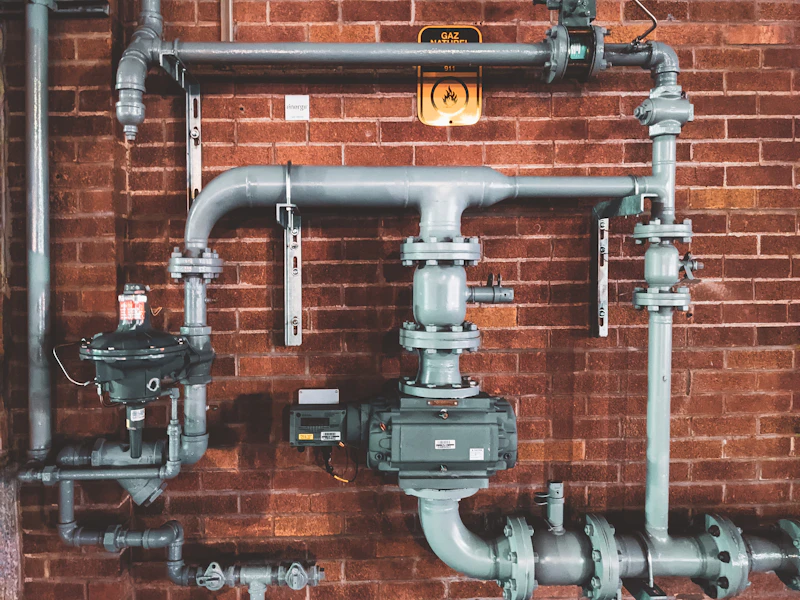
Based on Bureau of Labor Statistics wage data for the Atlanta-Sandy Springs-Alpharetta metropolitan area, plumbing in Alpharetta costs between $80 and $3,330, with an average of $330.
Plumbing Cost Breakdown — Alpharetta, GA
| Service/Item | Low Estimate | Average | High Estimate |
|---|---|---|---|
| Faucet Repair/Replace | $90 | $120 | $180 |
| Toilet Repair | $80 | $120 | $190 |
| Water Heater Install | $1,060 | $1,380 | $1,890 |
| Drain Cleaning | $50 | $70 | $120 |
| Pipe Leak Repair | $130 | $190 | $300 |
| Sewer Line Repair | $1,510 | $2,040 | $2,950 |
Alpharetta’s blend of modern infrastructure and older neighborhoods means plumbing systems face unique challenges—from red clay expansion under slab foundations to relentless summer humidity that strains water lines. Whether you're upgrading a 1980s Buford Highway ranch or maintaining a new Avalon-area build, understanding local cost drivers helps you budget wisely and avoid costly surprises.
Why Plumbing Costs Vary in Alpharetta
Plumbing expenses in Alpharetta reflect a mix of regional labor economics, environmental conditions, and housing stock. The U.S.
Bureau of Labor Statistics reports a mean hourly wage of $27.88 for plumbers in this metro area, but most licensed contractors apply a 30–50% markup to cover insurance, equipment, permits, and project management—standard across metro Atlanta. Despite this, overall plumbing costs in Alpharetta run about 5% below the national average, thanks to competitive pricing among a dense network of contractors serving the northern suburbs.
Local conditions heavily influence repair frequency and material needs.
The region’s red clay soil expands and contracts dramatically with rainfall, often shifting slab foundations and stressing water and drain lines—especially in homes built on grade without deep piers. Homeowners may also want to compare Plumbing in Atlanta.
This leads to cracked sewer laterals, a common issue in neighborhoods like Haynes Bridge and Mansell Crossing.
Mild winters reduce freeze-related bursts, but afternoon thunderstorms in spring and summer can overwhelm aging drainage systems, particularly in homes with crawl spaces where moisture hides pipe corrosion. For a nearby comparison, check bathroom remodel costs in Alpharetta.
Termite pressure is another hidden cost driver. While termites don’t eat PVC or copper, their tunneling can displace soil around pipes, and infestations in support structures may require plumbing rerouting during repairs.
Newer developments post-2000 often use more durable PEX and cast-iron waste lines, but older brick ranch homes on crawl foundations still rely on aging galvanized steel or cast iron, which fail prematurely in humid conditions. These factors make material choice and site assessment critical—not just for function, but for long-term cost control.
Comparing Quotes: Budget vs. Mid-Range vs. Premium
| Feature | Budget | Standard | Premium |
|---|---|---|---|
| Materials | Basic PVC, galvanized steel, or reused sections | PVC and PEX for supply lines, cast-iron for main drains | Chlorinated polyvinyl (CPVC) or copper supply, HDPE sewer lines |
| Labor Approach | Single technician, minimal cleanup | Dedicated crew, daily site tidy-up | Project manager + team, full dust and debris control |
| Warranty | 30–90 days on labor, parts only | 1–2 years on labor, manufacturer warranties honored | 5+ years on labor, transferable coverage |
| Timeline | Fastest completion, may cut corners | Realistic scheduling, weather-adjusted | Phased work with inspections, minimal rush |
| Permit Handling | Owner responsible or skipped | Contractor pulls permits, includes in quote | Full permitting and city inspection coordination |
| After-Hours Support | No emergency line | Business hours only | 24/7 response for covered systems |
Seasonal Pricing Patterns in GA
Alpharetta’s climate creates predictable demand cycles for plumbing work. Summer brings peak demand as AC condensate lines clog, water heaters fail under heavy use, and outdoor irrigation systems leak in the 90–100°F heat.
Thunderstorms flood basements and overwhelm sump pumps, triggering emergency calls.
Winter sees fewer emergencies, but slab shifts from dry clay can crack lines—often discovered during holiday gatherings when water use spikes. Related: kitchen remodel costs in Alpharetta.
- Schedule non-urgent repairs in late fall (October–November) when contractors have openings and before holiday rates kick in.
- Avoid June–August for major re-piping—crews are booked solid, and heat slows indoor work.
- Inspect sewer lines in early spring before heavy rains expose blockages in older clay pipes common in North Point-area homes.
- Winterize outdoor plumbing by early December, especially in elevated decks or pool houses where freeze damage is rare but costly.
- Emergency rates—often 1.5x standard—apply after 6 PM, weekends, and during storms. Prevent them with annual maintenance, especially for sump pumps in low-lying areas like Wills Road.
- Verify active Georgia Construction Contractor License (GCC) with the Secretary of State, specifically for plumbing (Class A or B).
- Ask for proof of workers’ compensation and general liability insurance—uninsured crews risk leaving you liable for injuries on your property.
- Confirm they pull permits for your project; unpermitted work can void home insurance and complicate resale.
- Request references from two recent Alpharetta jobs—older neighborhoods like Cambridge or Rogers Lake have different needs than new builds.
- Review warranty terms in writing: labor coverage should be at least one year, with clear exclusions.
- Ensure they use camera inspection for drain and sewer issues—critical in clay-heavy soil where root intrusion is common.
- Local labor rates — Alpharetta’s average plumber earns about $27.88 per hour, roughly 5% below the national average. The lower rate reflects a relatively moderate cost‑of‑living, a strong presence of union‑negotiated wage floors that keep salaries predictable, and high demand that spreads work across many contractors, preventing steep price spikes.
- Seasonal demand — Hot, humid summers (90‑100°F) and frequent afternoon thunderstorms drive higher water usage and occasional pipe failures, creating a peak season from May through September. During these months, contractors typically add a 10‑20% premium to cover overtime and increased material handling, while the cooler, drier months see lower rates.
- Project scope — A simple faucet repair versus a full pipe replacement can differ dramatically. Basic repairs involve limited labor and standard fittings, whereas full replacements require extensive excavation, possible slab work, and coordination with other trades, widening the cost gap between low‑end and high‑end estimates.
- Permits & inspections — Georgia requires state licensing for plumbing, low‑voltage, and conditioned‑air work, and Alpharetta’s municipal code adds permit fees ranging from $50 to $300. These fees cover plan review and final inspections, ensuring work meets safety standards and can affect the overall project timeline.
- Materials quality — Choosing premium components (e.g., copper or PEX‑Alpha tubing, brass fixtures, and high‑grade shut‑off valves) can raise material costs by 30‑50% compared with builder‑grade PVC or chrome‑plated fixtures. Homeowners often weigh durability and warranty length against the upfront price difference.
- Property characteristics — Most Alpharetta homes are post‑2000 brick ranches on slab‑on‑grade foundations, but older homes with crawl spaces or basements may require additional access work. Multi‑story houses or properties with limited yard access increase labor time, especially when red clay soil shifts foundations and necessitates careful trenching.
- Emergency vs. scheduled — Calls after regular business hours, on weekends, or during severe weather trigger emergency rates that are typically 1.5‑2× the standard hourly charge. Scheduling work during normal weekdays avoids these surcharges and often allows contractors to allocate resources more efficiently.
Hiring the Right Contractor in Alpharetta
Georgia requires state licensing for plumbing contractors, including proof of experience, exams, and bonding. See how costs compare: Plumbing in Sandy Springs.
While Fulton and Cherokee counties handle most permits, Atlanta enforces stricter inspections—so contractors familiar with city codes are essential if your home borders the city limits. All work must comply with the Georgia Energy Code, especially for water heater replacements and insulation of hot water lines.
Red flags include cash-only demands, refusal to provide a written contract, or pressure to skip permits.
During estimates, ask how they handle slab leaks—common in Alpharetta’s slab-on-grade homes—and whether they partner with structural repair specialists. A reliable contractor will coordinate with foundation experts if pipe failure stems from settling, not just replace the line and leave you vulnerable to repeat damage.
What Affects Plumbing Costs in Alpharetta?
What Affects Plumbing Costs in Alpharetta?
Homeowners in the Atlanta‑Sandy Springs‑Alpharetta metro area face a unique set of factors that shape the price of any plumbing project. Below is a concise, numbered guide that explains why your quote may vary, using local labor data, climate considerations, and regional building trends.
Popular Plumbing Brands in Alpharetta
Frequently Asked Questions
How much does plumbing cost in Alpharetta, GA?
The average plumbing cost in Alpharetta, GA is $330, with prices typically ranging from $80 to $3,330 depending on the job complexity. Labor rates average $27.88 per hour, according to the U.S. Bureau of Labor Statistics (BLS), which tracks the Atlanta-Sandy Springs-Alpharetta metro area. Costs can vary based on emergency calls, materials, and the specific system being serviced. Simple repairs like fixing a leaky faucet are on the lower end, while full repipes or sewer line work reach the higher end.
Why is plumbing less expensive in Alpharetta than the national average?
Plumbing in Alpharetta is not necessarily less expensive than the national average; the $27.88/hr BLS-reported wage is close to or slightly below national plumber wages, but total project costs depend on local market competition and overhead. The region benefits from a high concentration of licensed contractors, which helps keep labor rates competitive. Additionally, lower regional overhead costs compared to coastal metro areas contribute to more affordable service pricing. However, material and permit costs remain similar to national standards.
How can I save money on plumbing in Alpharetta?
You can save money by scheduling repairs early before small issues become costly emergencies, such as addressing dripping faucets or slow drains promptly. Getting multiple quotes from licensed contractors in the Alpharetta area ensures competitive pricing based on the $27.88/hr BLS average. Opting for routine maintenance, like water heater flushing, can prevent expensive breakdowns. Avoid after-hours emergency calls when possible, as those typically carry premium rates beyond standard labor costs.
Do I need a permit for plumbing in GA?
Yes, most plumbing work in Georgia requires a permit, especially for new installations, water heater replacements, sewer line repairs, or system modifications. Permits ensure work meets state plumbing codes and are typically pulled by licensed contractors. Minor repairs like fixing a toilet or replacing a faucet usually don’t require one. Always verify with your local Alpharetta building department or hire a licensed pro who handles permitting.
How long does plumbing take in Alpharetta?
Simple plumbing repairs, such as fixing a leak or unclogging a drain, usually take 1–2 hours and align with the $27.88/hr BLS labor rate. Moderate jobs like water heater replacement may take 4–8 hours in a single day. Larger projects, including repiping or sewer line repair, can take several days depending on scope and access. Most licensed contractors provide time estimates upfront based on local conditions and code requirements.
What warranty should I expect from a plumbing contractor?
Most reputable plumbing contractors in Alpharetta offer a 1- to 2-year labor warranty on repairs and installations, in addition to manufacturer warranties on parts and equipment. Some companies provide extended coverage for major jobs like water heater or sewer line replacement. Always ask for warranty terms in writing before work begins. Warranties typically exclude damage from improper use or lack of maintenance.
What's the best time of year for plumbing in Alpharetta?
The best time for non-emergency plumbing work in Alpharetta is during spring or fall when contractor availability is higher and scheduling is easier. Avoid peak summer months when HVAC and plumbing demands surge due to system strain. Winter can bring emergency calls for frozen pipes, leading to higher demand and potential wait times. Scheduling maintenance in off-peak seasons may also lead to better pricing and service flexibility.
