How Much Does Flooring Installation Cost in San Diego, CA?
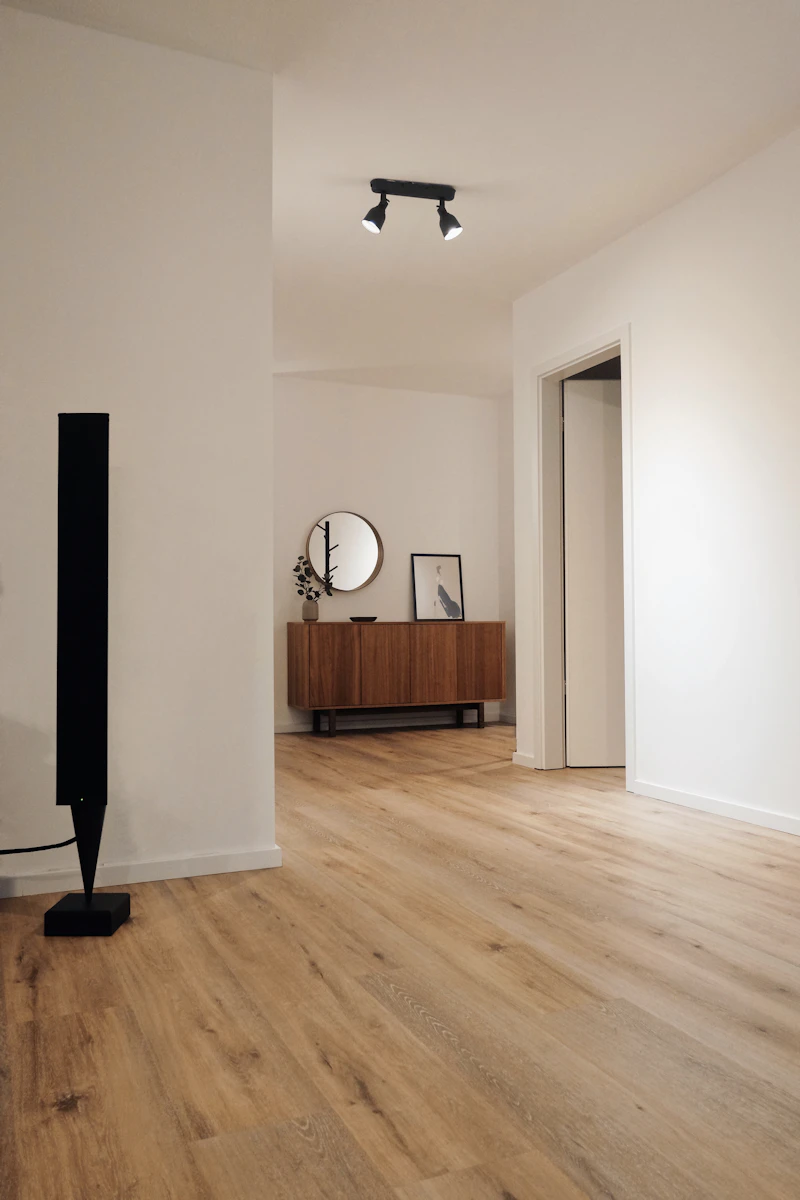
Based on Bureau of Labor Statistics wage data for the San Diego-Chula Vista-Carlsbad metropolitan area, flooring installation in San Diego costs between $590 and $8,060, with an average of $2,320.
Flooring Installation Cost Breakdown — San Diego, CA
| Service/Item | Low Estimate | Average | High Estimate |
|---|---|---|---|
| LVP Install (per 200 sq ft) | $670 | $930 | $1,390 |
| Hardwood Install (per 200 sq ft) | $1,570 | $2,090 | $3,000 |
| Tile Install (per 200 sq ft) | $1,350 | $1,860 | $2,780 |
| Carpet Install (per 200 sq ft) | $540 | $750 | $1,110 |
| Subfloor Repair | $430 | $630 | $1,000 |
| Hardwood Refinishing (per 200 sq ft) | $400 | $610 | $1,030 |
| Flooring Type | Material Cost (per sq. ft.) | Installation Cost (per sq. ft.) | Total Avg. Cost (500 sq. ft.) |
|---|---|---|---|
| Hardwood (Oak) | $5.50 – $9.00 | $4.00 – $8.00 | $4,750 – $8,500 |
| Laminate | $2.00 – $4.50 | $2.50 – $5.00 | $2,250 – $4,750 |
| Tile (Ceramic) | $3.00 – $7.00 | $5.00 – $10.00 | $4,000 – $8,500 |
| Carpet | $2.50 – $6.00 | $1.50 – $3.50 | $2,000 – $4,750 |
| Luxury Vinyl Plank | $3.50 – $7.50 | $3.00 – $6.50 | $3,250 – $7,000 |
The San Diego Flooring Installation Market in 2026
San Diego’s flooring market remains tight, with skilled installers booked 4–6 weeks out in most neighborhoods from La Jolla to El Cajon.
Demand is steady, driven by homeowners upgrading for resale and aging homes needing modern, low-maintenance surfaces. Contractors with bilingual crews are in especially high demand—many job sites now require Spanish fluency for coordination with subcontractors and homeowners.
The local economy continues to influence pricing. With tourism strong and military bases stable, housing turnover stays active.
That keeps flooring jobs flowing, but labor costs remain elevated. At $29.39/hr, the BLS-reported average wage for San Diego construction workers pressures bids upward, especially for specialty work like herringbone hardwood or large-format tile in hillside homes.
Trends are shifting toward water-resistant materials.
With coastal humidity and increasing wildfire smoke concerns, homeowners in Point Loma, Pacific Beach, and North County coastal zones are choosing luxury vinyl plank and sealed concrete over traditional hardwood. Spanish-tile accents remain popular in older neighborhoods like Bankers Hill and Mission Hills, but full tile installations are declining due to higher labor costs and cracking risks on shifting soils.
Energy efficiency is also shaping decisions.
Underfloor radiant heating, while still niche, is gaining traction in high-end remodels in Rancho Santa Fe and Encinitas. These systems require precise subfloor prep and tie into Title 24 compliance—adding cost but boosting long-term comfort and resale value.
How Local Housing Stock Affects Your Costs
San Diego’s mix of home styles directly impacts flooring installation complexity and price. Ranch homes dominate neighborhoods like Clairemont and Tierrasanta—single-level layouts with minimal transitions make installation faster, but older ones often have uneven slab foundations requiring self-leveling compound before any finish floor goes down.
Spanish-style and stucco homes, common in Hillcrest and Kensington, frequently have brick or concrete substrates. These are stable but difficult to modify. Homeowners may also want to compare Flooring Installation in Los Angeles.
Cutting door jambs or adding thresholds for new flooring can take twice as long as in wood-framed homes. Mid-century modern homes in University City and La Mesa often feature radiant heat embedded in concrete slabs. Disturbing these systems during removal can trigger costly repairs—always have a contractor inspect before demo. For a nearby comparison, check hvac costs in San Diego.
Newer tract homes in Eastlake and Otay Ranch are easier to work with—consistent subfloors, modern framing, and wider doorways.
But they often come with builder-grade laminate already glued down, which must be fully removed before upgrades. That adds labor and disposal fees, especially if asbestos testing is needed in homes built before 1980.
Older homes bring other challenges. Homes in Barrio Logan or Logan Heights may have unpermitted additions with mismatched floor levels.
Uneven transitions between rooms can require custom thresholds or even structural shimming. Homes on slopes—common in La Jolla and Del Mar—often experience slab movement, increasing the risk of tile cracking. Installers here often recommend flexible adhesives and expansion joints, which add to material and labor costs.
Coastal proximity also plays a role. Homes within a half-mile of the ocean face higher moisture exposure. Contractors now routinely install vapor barriers under all flooring types—even hardwood—in areas like Ocean Beach and Imperial Beach to prevent warping and mold.
Permits, Codes, and Regulations in CA
In California, any flooring job exceeding $500 in labor or materials requires a CSLB-licensed contractor.
This isn’t just a formality—unlicensed work can void insurance claims and create liability if injuries occur on-site. Always verify a contractor’s license number at cslb.ca.gov before signing anything.
Title 24 energy regulations affect flooring indirectly but significantly.
When replacing flooring in a bedroom or living area, especially in new additions, insulation under slabs or at perimeter edges may be required to meet thermal performance standards. Radiant barrier underlayment or insulated vinyl planks are becoming common solutions in new builds in Poway and Santee.
Solar-ready requirements also come into play.
If your remodel includes a new electrical panel or major upgrade, some cities like Carlsbad and Chula Vista require solar readiness—even for flooring-only projects if they trigger a broader permit. Always check with the local building department before starting.
Permit costs vary by city but typically range from $80 to $250 for flooring work. The process is mostly online now—cities like San Diego, Encinitas, and El Cajon offer e-submittal and digital inspections.
Approval usually takes 5–10 business days. Skipping permits might save a few hundred dollars upfront, but it risks fines, failed inspections during resale, and denial of insurance claims for water or fire damage tied to improper installation.
When selling, unpermitted work must be disclosed. Buyers in competitive markets like La Jolla or Coronado often back out or demand price reductions when they discover unlicensed or unpermitted remodels. The cost of tearing out and redoing work later far exceeds the permit fee and proper oversight.
Getting the Best Value on Flooring Installation
Value isn’t just about the lowest bid—it’s about balancing quality, timeline, and long-term performance. In San Diego’s market, timing matters. Related: plumbing costs in San Diego.
Scheduling flooring installation between September and November often yields better availability and slight discounts, as contractors wrap up summer projects and avoid holiday slowdowns. Avoid May through August—peak resale season means higher demand and tighter scheduling. See how costs compare: Flooring Installation in San Francisco.
Negotiation works best when you’re clear about scope and payment terms.
Contractors are more willing to reduce margins if you pay 50% upfront and the balance upon completion—this improves their cash flow. Asking for a slightly lower rate in exchange for handling your own furniture removal or disposal can also yield savings.
Bundling with related services is where real savings emerge.
If you’re also replacing baseboards, refinishing cabinets, or upgrading lighting, one contractor managing multiple trades cuts coordination costs. In neighborhoods like Carmel Valley and Rancho Bernardo, many general contractors offer package deals that reduce overhead and tool mobilization fees.
Ask about material discounts. Contractors who buy flooring in bulk often get 10–15% off retail.
Some pass that to clients, especially on large jobs. If you’re open to slightly older stock or discontinued runs, you can get high-end materials at lower prices—common with tile suppliers in the Mira Mesa industrial zone.
Finally, get at least three detailed bids—and compare line items. A low bid might skip subfloor prep or debris removal.
A higher bid may include moisture testing, sound barrier underlayment, or upgraded trim. In San Diego’s varied terrain and climate, those extras often pay for themselves in durability and comfort.
What Affects Flooring Installation Costs in San Diego?
What Affects Flooring Installation Costs in San Diego?
Homeowners in the San Diego-Chula Vista-Carlsbad metro face unique cost factors when installing new flooring.
From coastal humidity to inland heat and strict building codes, local conditions significantly influence pricing. Below are the key elements that shape flooring installation costs in the region.
- Local labor rates
San Diego labor averages $29.39/hour—25% above the national average—due to high cost of living, strong union presence in construction trades, and consistent demand for skilled flooring installers. Coastal communities like La Jolla and Del Mar often command premium rates.
- Seasonal demand
Flooring installation peaks in spring and fall when mild coastal weather supports indoor-outdoor workflow, while summer heat in inland valleys (like El Cajon or Santee) slows productivity. Contractors may charge 10–20% more during peak months due to high booking volume.
- Project scope
A basic repair—such as replacing water-damaged subfloor in a bathroom—costs significantly less than a full home replacement. Larger jobs require more materials, labor hours, and disposal fees, especially when removing tile or addressing termite damage common in older homes.
- Permits & inspections
In California, any job over $500 requires a CSLB-licensed contractor. Title 24 energy compliance may indirectly affect flooring if underfloor heating or radiant barriers are installed, as these impact HVAC load calculations. Permit fees typically range from $50 to $300 depending on municipality.
- Materials quality
Premium materials like wide-plank engineered hardwood, porcelain tile with stone finishes, or fire-resistant laminate cost 30–50% more than builder-grade vinyl or basic laminate. Coastal homes often choose moisture-resistant options, while inland areas prioritize heat-reflective surfaces.
- Property characteristics
Ranch homes, Spanish-style estates, and mid-century modern homes common in areas like North Park or Encinitas may have stucco exteriors, uneven slabs, or limited access, increasing labor time. Multi-story homes require extra coordination for material transport and noise control.
- Emergency vs scheduled
Urgent repairs after water leaks or wildfire smoke infiltration (which can damage flooring adhesives) often incur after-hours rates up to double standard pricing. Weekend or holiday installations are especially costly due to limited crew availability.
Popular Flooring Installation Brands in San Diego
Frequently Asked Questions
How much does flooring installation cost in San Diego, CA?
The average cost for flooring installation in San Diego, CA is $2,320, with prices typically ranging from $590 to $8,060 depending on materials, labor, and project scope. Labor rates average $29.39 per hour according to the U.S. Bureau of Labor Statistics (BLS), which contributes significantly to overall costs. Larger homes or premium materials like hardwood or tile will push projects toward the higher end of the range.
Why is flooring installation more expensive in San Diego than the national average?
Flooring installation in San Diego is costlier than the national average due to high local labor rates, with BLS reporting an hourly average of $29.39—above many other U.S. regions. Additionally, elevated cost of living, strict building codes, and demand in the San Diego-Chula Vista-Carlsbad metro area drive up contractor overhead and pricing. Material delivery and compliance with California-specific environmental standards also add to expenses.
How can I save money on flooring installation in San Diego?
You can save money by scheduling flooring installation during off-peak seasons, such as late fall or winter, when contractors may offer discounts due to lower demand. Choosing mid-range materials and preparing the subfloor yourself, if qualified, can reduce labor time and costs. Getting multiple bids ensures competitive pricing, and coordinating with contractors during promotional periods or bulk material purchases may yield savings.
Do I need a permit for flooring installation in CA?
Generally, flooring installation does not require a permit in California if it does not involve structural changes, electrical work, or plumbing modifications. However, projects in multi-family buildings or those affecting accessibility may need approval from local authorities in San Diego. Always check with your city building department or contractor to confirm compliance with local codes.
How long does flooring installation take in San Diego?
Most residential flooring installations in San Diego take 1 to 3 days, depending on the size of the area and type of material—vinyl or laminate typically installs faster than tile or hardwood. Larger homes or complex layouts may extend the timeline, especially if subfloor repairs are needed. Delays can occur during high-demand seasons due to contractor scheduling constraints.
What warranty should I expect from a flooring installation contractor?
A reputable flooring contractor in San Diego should offer a labor warranty of 1 to 5 years covering workmanship, such as seams, buckling, or improper adhesion. Material warranties are typically provided by the manufacturer and can last 10 years or more. Always request warranty details in writing and confirm what exclusions apply, such as water damage or improper maintenance.
What's the best time of year for flooring installation in San Diego?
The best time for flooring installation in San Diego is late fall to early winter, when demand is lower and contractors may offer better rates due to seasonal slowdowns. San Diego's mild climate allows year-round installation, but avoiding summer—peak tourist and construction season—can reduce scheduling delays. Installing during cooler, drier months also helps with adhesive curing and material acclimation.
