How Much Does Flooring Installation Cost in San Francisco, CA?
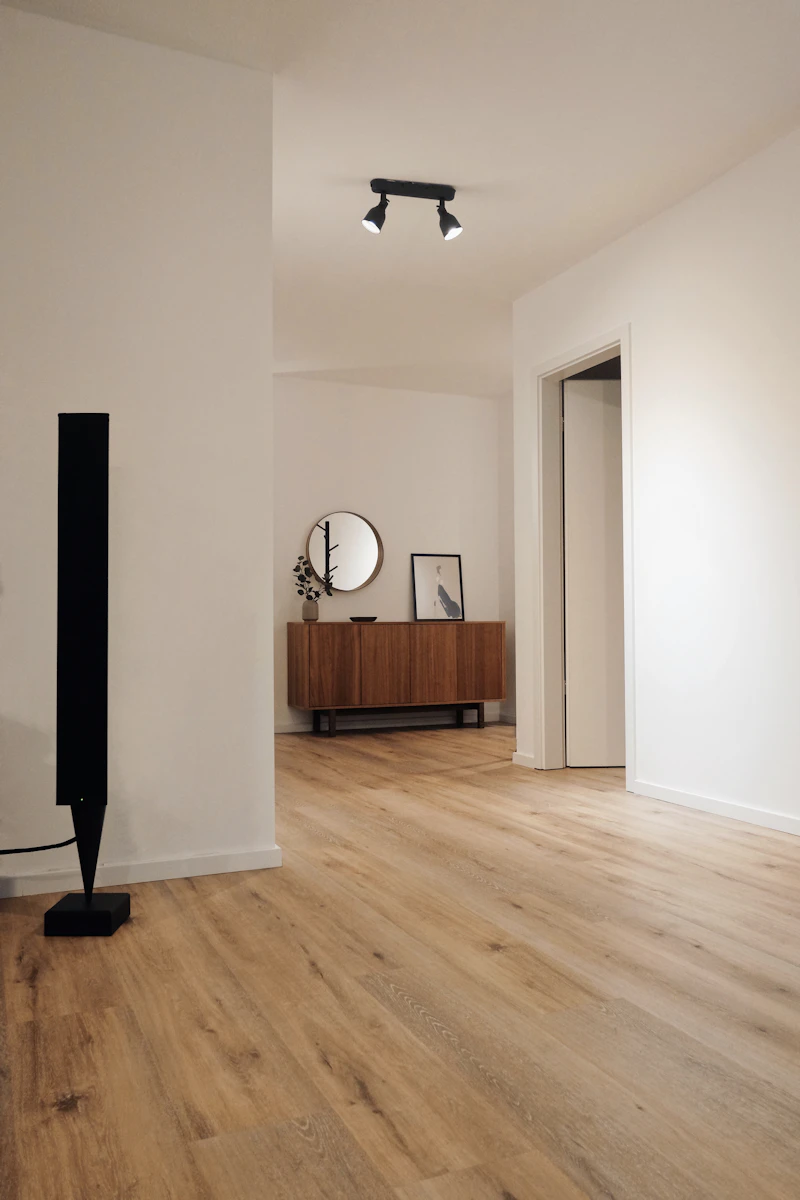
Based on Bureau of Labor Statistics wage data for the San Francisco-Oakland-Berkeley metropolitan area, flooring installation in San Francisco costs between $590 and $8,060, with an average of $2,320.
Flooring Installation Cost Breakdown — San Francisco, CA
| Service/Item | Low Estimate | Average | High Estimate |
|---|---|---|---|
| LVP Install (per 200 sq ft) | $670 | $930 | $1,390 |
| Hardwood Install (per 200 sq ft) | $1,570 | $2,090 | $3,000 |
| Tile Install (per 200 sq ft) | $1,350 | $1,860 | $2,780 |
| Carpet Install (per 200 sq ft) | $540 | $750 | $1,110 |
| Subfloor Repair | $430 | $630 | $1,000 |
| Hardwood Refinishing (per 200 sq ft) | $400 | $610 | $1,030 |
How Flooring Installation Pricing Works in the San Francisco-Oakland-Berkeley Area
Walking into a 1920s Spanish-style home in Noe Valley or a mid-century modern in the Berkeley Hills, you’ll notice how flooring sets the tone—whether it’s warm oak complementing stucco walls or tile that withstands Bay Area microclimates. But those finishes come at a premium.
Labor costs here are anchored by a Bureau of Labor Statistics hourly rate of $29.39, but that’s just the baseline. Most licensed contractors apply a markup to cover overhead, insurance, tools, and project management—especially critical in a market where delays from weather, permitting, or structural surprises can add up fast.
San Francisco-area flooring projects typically run 25% above the national average, not just because of labor but due to material handling in dense urban lots, strict building codes, and the need for specialized work in older homes.
Many residences in neighborhoods like the Sunset or Rockridge were built on reactive clay soils or near fault lines, requiring underlayment upgrades or seismic retrofitting before any flooring goes down. Contractors often include structural assessments in their quotes, especially when replacing flooring in homes with original redwood framing or failing moisture barriers.
Climate plays a bigger role than most realize. Coastal fog and humidity in San Francisco demand moisture-resistant materials—engineered hardwood or luxury vinyl—while inland zones like Walnut Creek or Concord face summer spikes above 100°F, causing solid wood to expand and crack if improperly acclimated. Homeowners may also want to compare Flooring Installation in Los Angeles.
Wildfire smoke seasons now mean indoor air quality is a concern during demolition; pros use HEPA filters and sealed containment, adding time and cost. And because Title 24 energy compliance affects everything from subfloor insulation to radiant heating integration, flooring choices can’t be made in isolation. For a nearby comparison, check hvac costs in San Francisco.
Construction type also shapes pricing. Stucco homes common in Bernal Heights or Alamo Square often have limited access points, making debris removal harder.
Ranch homes in Daly City may need leveling across long spans, while newer tract developments in Dublin or Fremont use engineered joists that require specific fastening methods. Each of these factors gets priced into labor and prep work—so two homes with the same square footage can have vastly different bids based on structure, access, and local code enforcement.
What to Expect During the Estimate Process
Start by calling three licensed contractors who’ve worked on homes similar to yours—ideally within your ZIP code.
The first conversation should clarify availability, licensing, and whether they handle permits. Most reputable pros in the Bay Area will offer a same-week site visit, especially if you’re in a high-demand corridor like Oakland’s Temescal or San Mateo County.
During the estimate visit, the contractor will inspect subfloor integrity, check for moisture (critical in fog-prone areas), measure rooms precisely, and note transitions to adjacent spaces.
They’ll ask about furniture removal, pet or occupancy constraints, and whether you’re considering radiant heating or soundproofing—common in multi-unit buildings or homes near BART lines. Expect them to take photos, sketch layout patterns, and discuss acclimation timelines, especially if you’re using solid hardwood that must adjust to Bay Area humidity.
Most detailed estimates are delivered within 48 hours and include line items for demo, haul-away, subfloor repair, underlayment, and finish work. Related: plumbing costs in San Francisco.
If your home is pre-1978, they may flag potential lead or asbestos in adhesives—common in mid-century homes—and include abatement options. Permits are typically pulled by the contractor; cities like Berkeley and San Francisco allow online submissions, but approval can take 5–10 business days depending on project scope. See how costs compare: Flooring Installation in San Diego.
Timeline-wise, simple installations take 3–5 days.
But if structural repairs or moisture barriers are needed—common in homes with original 2x6 joists or failing vapor barriers—add 2–3 weeks. Material lead times also vary: European oak can take 8–12 weeks to arrive, while domestic bamboo or LVP is often in stock at Bay Area distributors like Floor Coverings International or local lumberyards in South San Francisco.
DIY vs. Professional Flooring Installation: When It Makes Sense
| Safe for DIY | Hire a Pro |
|---|---|
| Installing click-together LVP or laminate in a single room under 200 sq ft with a flat, clean subfloor | Any job requiring structural subfloor repairs or leveling across uneven joists |
| Replacing flooring in a permitted ADU or garage conversion with simple geometry | Projects in homes near fault zones needing seismic-rated fastening or underlayment |
| Using pre-finished engineered wood in a climate-controlled environment like a basement | Installing radiant heating systems beneath tile or hardwood—requires hydronic knowledge and permits |
| Simple straight-run layouts in new construction with accessible crawlspaces | Working in stucco or plaster homes where wall removal or threshold cuts risk structural damage |
| Projects where you can verify moisture readings below 75% RH in concrete slabs | Any job over $500 that requires a CSLB-licensed contractor for warranty and insurance validity |
DIY can save on labor, but missteps in moisture management or improper fastening can lead to buckling, mold, or failed inspections—especially under Title 24.
Home insurance may not cover damage from unpermitted work. Professionals carry liability coverage and know how to document compliance, which matters when selling a home in this competitive market.
Questions to Ask Before Signing a Contract
- Is your CSLB license active and does it cover “C-15” (Flooring) or “B” (General Building) for multi-trade jobs?
- Will you pull permits and schedule city inspections, especially for projects involving structural changes or energy code compliance?
- How do you handle moisture testing in concrete slabs or wood subfloors, and what’s your protocol in high-humidity zones?
- Can you provide references from recent jobs in my neighborhood—especially homes with similar construction (e.g., stucco, mid-century, tract)?
- What’s included in your warranty, and does it cover material defects, workmanship, and post-installation movement?
- How do you manage wildfire smoke or indoor air quality during demo in fire-prone areas like the East Bay Hills?
Red flags include contractors who ask for more than 10% down, refuse to provide a written contract, or won’t list subcontractors. If they dismiss Title 24 compliance or seismic considerations in older homes, keep looking. In San Francisco, a solid estimate isn’t just about price—it’s about who can navigate the city’s unique mix of aging infrastructure, strict codes, and environmental challenges without cutting corners.
What Affects Flooring Installation Costs in San Francisco?
What Affects Flooring Installation Costs in San Francisco?
Homeowners in the San Francisco-Oakland-Berkeley area face unique factors that influence flooring installation costs. From labor rates shaped by the city’s high cost of living to strict energy codes and seismic considerations, understanding these variables helps ensure accurate budgeting for your project.
- Local labor rates — Labor for flooring installation in San Francisco averages 25% higher than the national rate, with skilled workers earning around $29.39 per hour. This premium reflects the region’s extreme cost of living, strong union presence in construction trades, and consistently high demand for remodeling in dense urban neighborhoods.
- Seasonal demand — Flooring projects peak in late spring through early fall when dry weather supports interior renovations and homeowners prepare for holiday gatherings. Contractors often charge 10–20% more during these high-demand months, while scheduling in winter—during the rainy season—can ease availability and pricing, especially after wildfire smoke clears.
- Project scope — Costs vary significantly between repairing damaged subfloors and full tear-outs with disposal. In older homes common to the Bay Area, hidden issues like water damage, uneven joists, or asbestos underlayment can expand scope quickly, turning a simple install into a complex retrofit.
- Permits & inspections — Any flooring job exceeding $500 in labor or materials requires a CSLB-licensed contractor. Additionally, modifications affecting thermal performance—such as underfloor insulation—may trigger Title 24 energy compliance, the strictest in the nation. Permit fees typically range from $50 to $300 depending on project scale and jurisdiction.
- Materials quality — Builder-grade laminate or basic vinyl plank costs significantly less than premium engineered hardwood or tile designed for seismic resilience. In earthquake-prone areas like San Francisco, higher-end materials with flexible underlays or locking systems are often recommended, creating a 30–50% price gap.
- Property characteristics — Flooring costs rise with home age and complexity. Spanish-style homes with intricate tile patterns, mid-century modern builds with radiant heat, or stucco-clad homes requiring careful subfloor access all demand specialized labor. Multi-story homes in hilly neighborhoods also increase material transport time and difficulty.
- Emergency vs scheduled — Water damage from burst pipes or post-wildfire cleanup may require immediate flooring removal. Emergency or weekend installations can cost 1.5 to 2 times standard rates due to after-hours labor, urgent material delivery, and coordination with restoration specialists.
Popular Flooring Installation Brands in San Francisco
Frequently Asked Questions
How much does flooring installation cost in San Francisco, CA?
The average cost of flooring installation in San Francisco, CA is $2,320, with prices typically ranging from $590 to $8,060 depending on materials, labor, and project scope. Labor rates average $29.39 per hour according to the U.S. Bureau of Labor Statistics (BLS), contributing significantly to overall costs. Factors like floor type, square footage, and subfloor preparation can influence the final price within this range.
Why is flooring installation more expensive in San Francisco than the national average?
Flooring installation in San Francisco is more expensive due to high local labor costs, with BLS reporting an hourly average of $29.39—above the national norm—and elevated living expenses that drive up contractor rates. Additional factors include strict building codes, permit requirements, and the prevalence of older homes needing extra prep work. Material delivery and disposal fees also tend to be higher in the densely populated metro area.
How can I save money on flooring installation in San Francisco?
You can save money by scheduling flooring installation during the off-peak season, such as late fall or winter, when contractors may offer discounts due to lower demand. Choosing cost-effective materials and doing demolition or subfloor prep yourself can also reduce labor time and costs. Getting multiple bids and coordinating with contractors during slower periods may leverage better rates, especially since the BLS reports average labor at $29.39/hr, making labor efficiency key.
Do I need a permit for flooring installation in CA?
In California, flooring installation typically does not require a permit unless it involves structural changes, egress modifications, or is part of a larger renovation project. However, San Francisco and other cities in the metro area may have specific rules, especially for multifamily units or historic buildings. Always check with your local building department to confirm requirements before starting work.
How long does flooring installation take in San Francisco?
Most flooring installations in San Francisco take 1 to 3 days for a standard 500–1,000 sq ft area, depending on the material and condition of the subfloor. Projects may take longer if demolition, repairs, or specialty finishes are needed, especially in older homes common in the Bay Area. Labor efficiency is influenced by the BLS-reported average rate of $29.39/hr, reflecting skilled but costly labor.
What warranty should I expect from a flooring installation contractor?
Most reputable flooring contractors in San Francisco offer a 1- to 5-year labor warranty covering workmanship issues like gaps, buckling, or improper seams. Material warranties are typically provided by the manufacturer, not the installer, and can last much longer. Always get the warranty in writing and confirm what's covered, as terms vary—especially important given the region's high installation costs averaging $2,320.
What's the best time of year for flooring installation in San Francisco?
The best time for flooring installation in San Francisco is late fall to early winter, when demand for contractors is lower and scheduling is easier, potentially reducing labor costs. This period avoids the spring and summer renovation rush common in the Bay Area. Stable indoor conditions also help with acclimating materials like hardwood or engineered flooring, ensuring better long-term performance.
