How Much Does Flooring Installation Cost in Denver, CO?
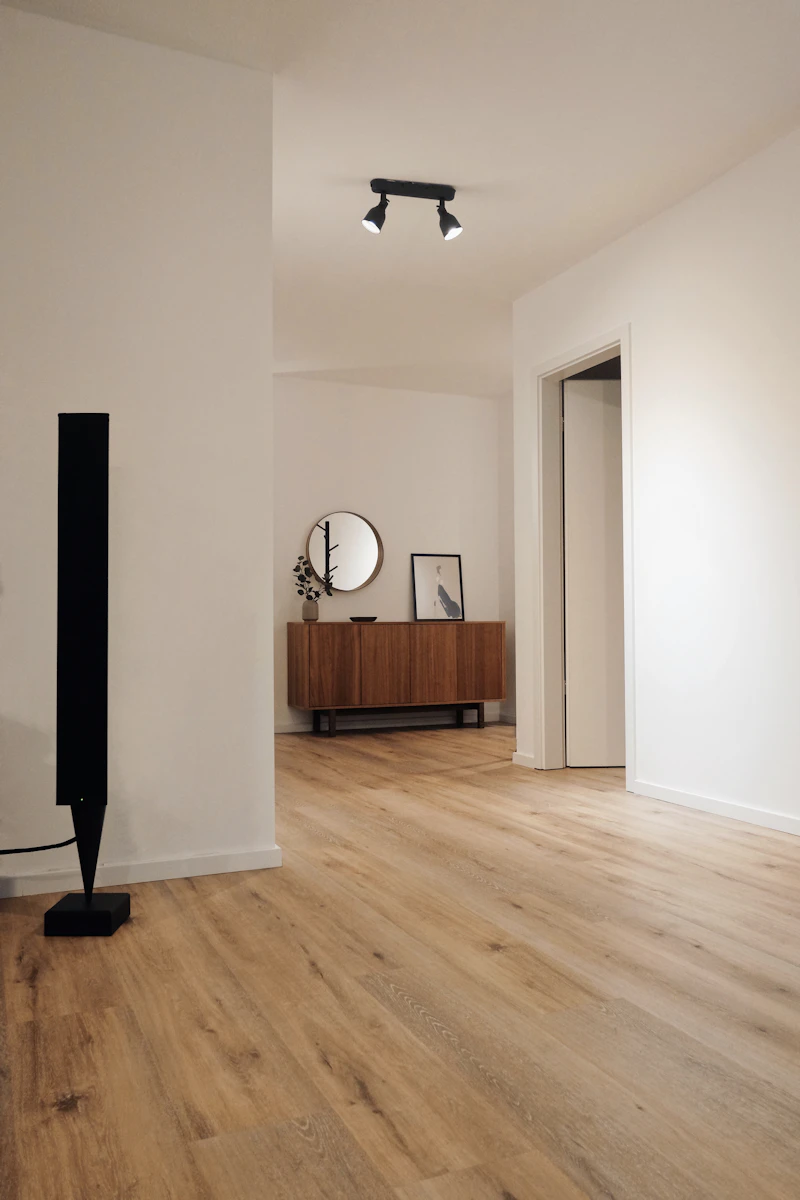
Based on Bureau of Labor Statistics wage data for the Denver-Aurora-Lakewood metropolitan area, flooring installation in Denver costs between $570 and $7,690, with an average of $2,220.
Flooring Installation Cost Breakdown — Denver, CO
| Service/Item | Low Estimate | Average | High Estimate |
|---|---|---|---|
| LVP Install (per 200 sq ft) | $650 | $890 | $1,320 |
| Hardwood Install (per 200 sq ft) | $1,530 | $2,030 | $2,890 |
| Tile Install (per 200 sq ft) | $1,300 | $1,780 | $2,640 |
| Carpet Install (per 200 sq ft) | $530 | $720 | $1,050 |
| Subfloor Repair | $410 | $590 | $930 |
| Hardwood Refinishing (per 200 sq ft) | $370 | $560 | $930 |
Denver’s dramatic skyline and mountain backdrop aren’t the only things shaping home renovations—its climate and housing styles directly impact flooring installation costs and choices.
From the dry air that shrinks hardwood to sudden hailstorms delaying deliveries, every square foot laid here faces unique demands. Understanding these local forces helps homeowners make smarter decisions, avoid costly mistakes, and get the most value from their investment.
Why Flooring Installation Costs Vary in Denver
Denver’s flooring costs run about 10% above the national average, driven by labor, materials, and environmental factors.
The Bureau of Labor Statistics reports a local flooring installer wage of $25.86 per hour—on the higher end nationally—reflecting the skilled labor needed to adapt to Colorado’s conditions. Contractors typically apply a markup of 20–35% on top of labor and materials to cover insurance, equipment, permits, and project management, especially given the region’s strict local codes.
The high-altitude, semi-arid climate plays a major role. At 5,280 feet, Denver’s low humidity causes wood to expand and contract more than in coastal cities, requiring acclimation periods and moisture barriers. Homeowners may also want to compare hvac costs in Denver.
Intense UV exposure fades finishes faster, pushing homeowners toward UV-resistant laminates or sealed hardwoods. Sudden temperature swings—sometimes 40°F in a single day—stress adhesives and subfloors, demanding higher-grade installation methods.
Local housing styles add complexity. Ranch homes and split-levels dominate older neighborhoods like Park Hill and Washington Park, where uneven subfloors are common.
Walkout basements on hillside lots in areas like Evergreen or Genesee require vapor barriers and structural prep due to moisture exposure. Stucco and stone exteriors often mean rigid interior layouts, making demolition and disposal harder. These factors increase prep time and labor, directly affecting final pricing.
Comparing Quotes: Budget vs. Mid-Range vs. Premium
| Feature | Budget | Mid-Range | Premium |
|---|---|---|---|
| Materials | Laminate or basic vinyl plank; limited color options | Engineered hardwood or WPC vinyl; wider plank choices | Solid hardwood or luxury SPC vinyl; custom finishes and textures |
| Warranty | 5–10 year manufacturer coverage; limited stain/scratch protection | 15–25 year; includes wear layer and fade resistance | Lifetime; full transferable coverage with UV and pet protection |
| Installation Method | Floating floor; minimal subfloor prep | Glue-down or nail-down; moisture testing and leveling | Full structural prep; custom transitions, radiant heat integration |
| Timeline | 2–3 days; limited scheduling flexibility | 4–6 days; includes acclimation and inspections | 7–10+ days; phased work for multi-level homes |
| Subfloor Work | Basic cleaning; minor patching only | Leveling, moisture barrier, underlayment | Structural repairs, vapor barriers, sound reduction systems |
| Best For | Rentals, basements, low-traffic areas | Main-level living rooms, hallways, kitchens | Primary residences, high-end finishes, whole-home installs |
Seasonal Pricing Patterns in CO
Denver’s climate creates predictable peaks and lulls in flooring demand. Spring through early fall is peak season—homeowners renovate before winter, and contractors book out 4–6 weeks.
During these months, availability tightens and change orders cost more. Winter, especially December and January, sees slower demand. Some contractors offer 5–10% discounts to fill gaps, but snow and ice can delay material deliveries from the I-70 corridor.
- Schedule demo work in late fall before snowpack—dry ground allows easier dumpster placement in driveways and alleys
- Avoid May through July if you’re on a tight timeline; this overlaps with roofing and siding crews, increasing competition for skilled labor
- Order materials by early September for holiday-season installations—supply chain delays from Denver International Airport freight backups are common
- Use winter months to finalize designs and permits; many flooring suppliers offer free in-home consultations during slower periods
- Emergency rates apply after hail storms—when entire neighborhoods need repairs, labor surcharges of 15–25% can appear overnight
- Verify the contractor holds active licensing in the city where the work will occur—ask for their license number and check it online through the city’s community planning department
- Confirm they carry general liability insurance and workers’ comp—Colorado’s dry climate increases fire risk during sanding, and uninsured crews leave homeowners liable
- Ask for references from recent jobs in your neighborhood—installers familiar with Denver’s clay soil and slab foundations spot moisture risks faster
- Require a written scope that includes acclimation time, subfloor prep, and disposal—many disputes arise from skipped steps in older homes with asbestos tile or uneven slabs
- Check for experience with radiant floor heating—common in newer builds in Highlands Ranch and Stapleton, where flooring must withstand thermal expansion
- Ensure they pull permits—unpermitted work can void home insurance and complicate resale, especially in historic districts like Five Points or Capitol Hill
- Local labor rates
Flooring contractors in Denver earn about 10% more than the national average, with average hourly wages around $25.86. This reflects the city’s rising cost of living, strong union presence in construction trades, and high demand driven by ongoing population growth and new development across the Front Range.
- Seasonal demand
Flooring installations peak between May and September when dry weather and stable temperatures make subfloor prep and adhesive curing more predictable. Contractors often charge 10–20% more during these months, while off-peak winter installations (November–February) may offer better availability and slight pricing flexibility—though extreme cold can delay projects.
- Project scope
A small repair, such as replacing water-damaged laminate in a basement rec room, costs significantly less than a full home replacement involving multiple rooms or levels. The gap in estimates often comes from labor time, material waste, and whether subfloor repairs or moisture barriers are needed—common in older Denver homes with concrete slabs or crawl spaces.
- Permits & inspections
Colorado doesn’t issue a statewide contractor license, but cities like Denver, Aurora, and Lakewood require local permits for structural or multi-room flooring work, typically costing $50–$300. These ensure compliance with building codes, especially important in historic districts or when upgrading insulation beneath floors for energy efficiency in our extreme climate.
- Materials quality
Premium materials like engineered hardwood with UV-resistant finishes, commercial-grade luxury vinyl plank (LVP), or radiant-heated tile cost 30–50% more than builder-grade laminate or basic carpet. In Denver’s high-altitude sun and temperature swings, UV-stable, low-expansion flooring is worth the investment to prevent warping and fading.
- Property characteristics
Denver’s mix of 1950s ranch homes, split-levels, stucco-and-stone townhomes, and walkout basements affects access, labor time, and subfloor prep. Multi-story homes or those with tight staircases increase complexity, while older homes may need asbestos testing or joist leveling before installation begins.
- Emergency vs scheduled
After a burst pipe or hailstorm water intrusion, emergency flooring repairs—especially on weekends or holidays—can cost 1.5 to 2 times standard rates due to urgency and contractor overtime. Scheduling during normal business hours avoids these premiums and allows better material lead-time in our high-demand market.
Planning around Denver’s weather extremes prevents delays and premium charges. A job started after a July hailstorm may sit incomplete for weeks due to higher-priority roofing claims.
Hiring the Right Contractor in Denver
Colorado doesn’t issue a statewide contractor license, but Denver, Aurora, and Boulder require local registration. See how costs compare: plumbing costs in Denver.
Permits are mandatory for structural changes and often required even for full-floor replacements in municipalities like Lakewood and Centennial. High-altitude building codes—especially those related to snow load and vapor barriers in basements—must be followed, particularly in foothill areas.
Red flags include contractors who demand full payment upfront, refuse to provide a written contract, or dismiss the need for moisture testing.
During estimates, ask: “How do you adjust for Denver’s humidity swings?” and “Have you worked on walkout basements in the past year?” Their answers reveal whether they truly understand local challenges. A crew that’s installed flooring in a Hilltop ranch home knows how to handle stucco expansion joints; one that hasn’t may miss critical details.
What Affects Flooring Installation Costs in Denver?
What Affects Flooring Installation Costs in Denver?
Homeowners in the Denver-Aurora-Lakewood metro area face unique factors when budgeting for flooring installation. From fluctuating labor rates to high-altitude climate demands, here’s what shapes your project cost:
Popular Flooring Installation Brands in Denver
Frequently Asked Questions
How much does flooring installation cost in Denver, CO?
The average cost for flooring installation in the Denver-Aurora-Lakewood metro area is $2,220, with prices typically ranging from $570 to $7,690 depending on materials, labor, and project scope. Labor rates average $25.86 per hour, according to the U.S. Bureau of Labor Statistics (BLS), which aligns with regional wage trends. Costs can vary significantly based on flooring type, subfloor condition, and square footage.
Why is flooring installation more expensive in Denver than the national average?
Flooring installation in Denver often exceeds the national average due to higher local labor costs, with BLS reporting hourly wages at $25.86 for installers in the area. Increased demand during peak construction seasons and rising material transportation costs also contribute. Additionally, Denver's variable climate can require more precise subfloor preparation, especially for sensitive materials like hardwood.
How can I save money on flooring installation in Denver?
You can reduce costs by scheduling installation during off-peak months like late winter when contractors may offer discounts due to lower demand. Choosing locally available materials reduces shipping fees, and doing prep work yourself—like removing old flooring—can cut labor hours. Always get multiple quotes and confirm labor is priced near the BLS average of $25.86/hr to avoid overpaying.
Do I need a permit for flooring installation in CO?
In most cases, flooring installation in Colorado does not require a permit if it doesn't involve structural changes or electrical work. However, if you're modifying egress windows, adding radiant heating, or working in a historic district, local codes in Denver or surrounding cities may require permits. Always check with your city's building department or contractor to ensure compliance.
How long does flooring installation take in Denver?
Most standard flooring installations in Denver take 1 to 3 days, depending on the size of the area and type of flooring. Larger homes or complex layouts with multiple rooms may take up to 5 days, especially if subfloor repairs are needed. Delays can occur during humid summer months or dry winter conditions, which affect acclimation times for wood and laminate.
What warranty should I expect from a flooring installation contractor?
Reputable flooring contractors in Denver typically offer a 1- to 5-year labor warranty covering workmanship issues like uneven seams or improper adhesion. Material warranties are provided separately by manufacturers and can last decades. Always get the warranty in writing and confirm it includes protection against common regional issues like expansion due to Denver's dry climate.
What's the best time of year for flooring installation in Denver?
The best time for flooring installation in Denver is late spring to early fall when humidity and temperature levels are stable, allowing proper acclimation of materials like hardwood and laminate. Winter installations can be problematic due to dry indoor air and potential subfloor moisture issues. Scheduling during slower months may also yield lower labor costs, though installers using BLS-aligned rates around $25.86/hr may not discount heavily.
