How Much Does Roofing Cost in Pittsburgh, PA?
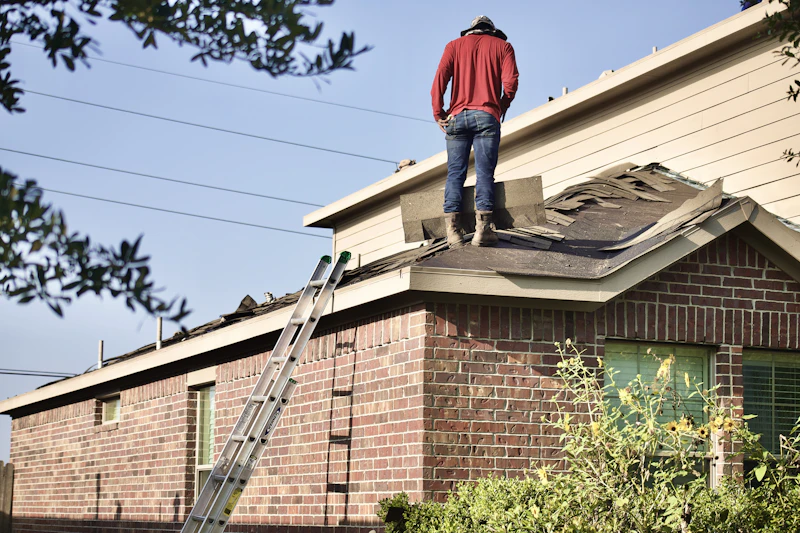
Based on Bureau of Labor Statistics wage data for the Pittsburgh metropolitan area, roofing in Pittsburgh costs between $2,300 and $15,830, with an average of $5,530.
Roofing Cost Breakdown — Pittsburgh, PA
| Service/Item | Low Estimate | Average | High Estimate |
|---|---|---|---|
| Asphalt Shingles (per sq) | $120 | $160 | $250 |
| Metal Roofing (per sq) | $340 | $450 | $630 |
| Flat Roof Repair | $240 | $330 | $500 |
| Full Replacement (2,000 sq ft) | $4,200 | $5,530 | $7,770 |
| Roof Inspection | $20 | $30 | $60 |
| Gutter Installation (per ft) | $10 | $10 | $20 |
Complete Guide to Roofing in Pittsburgh
Pittsburgh’s hills, historic architecture, and relentless winter weather make roofing more than just a home upgrade—it’s a necessity for long-term structural integrity. From steep-sloped slate roofs on Oakland row homes to asphalt shingle replacements on Mt.
Lebanon split-levels, every roofing project here faces unique environmental and structural challenges. Homeowners must consider not only material durability but also how decades-old framing, ice dam risks, and regional labor availability affect cost and quality.
The city’s older housing stock—much of it built between the 1920s and 1960s—often features original or outdated underlayment, uneven decking, and concealed damage hidden beneath intact surfaces.
These conditions are especially common in neighborhoods like Squirrel Hill, Point Breeze, and Brookline, where homes were constructed with materials and techniques no longer in use. When replacing a roof, what starts as a simple shingle job can quickly expand into structural repairs, flashing upgrades, or ventilation improvements, all of which impact final pricing.
Winters in Pittsburgh regularly hover between 15°F and 30°F, with frequent snow accumulation and freeze-thaw cycles that test roofing systems annually.
West-facing slopes and elevated areas like Beechview and Castle Shannon see heavier snow loads, increasing the risk of ice dams and water infiltration. This climate demands high-quality underlayment, proper attic insulation, and ice-and-water shield installation along eaves—features that raise initial costs but prevent costly interior damage down the line.
Compared to national averages, roofing in the Pittsburgh metro area runs about 2% higher. Homeowners may also want to compare Roofing in Philadelphia.
This slight premium reflects the specialized labor needed for older homes, transportation logistics across hilly terrain, and the added complexity of working in dense urban neighborhoods where access and debris removal require extra planning. While not the most expensive market in the Northeast, Pittsburgh’s combination of aging infrastructure and weather severity means corners cut today often become emergencies tomorrow.
Material and Labor Cost Breakdown
In most roofing projects across Pittsburgh, materials account for roughly 60% of total costs, with labor making up the remaining 40%. This split can shift depending on material choice—premium options like architectural shingles or metal roofing increase material share, while complex tear-offs on multi-story Oakland homes may elevate labor due to safety setup and disposal time.
The U.S.
Bureau of Labor Statistics reports a median wage of $22.99 per hour for roofers, but this figure represents base pay before overhead, insurance, and project-specific risk adjustments. Reputable Pittsburgh contractors typically apply a markup to cover equipment, licensing, workers’ compensation, and compliance with city building codes—particularly important when working on historic districts like Deutschtown or the South Side Slopes, where permits and inspections are strictly enforced.
The wide range between low and high estimates isn’t arbitrary. Lower bids often assume straightforward installations on accessible roofs with minimal tear-off and no hidden damage.
Higher estimates usually reflect full tear-offs, decking repairs, proper flashing details around chimneys and valleys, and compliance with Allegheny County stormwater management rules.
They may also include upgraded underlayment or ventilation systems designed to extend roof life in Pittsburgh’s humid summers and snowy winters. A bid that seems too low may skip these critical steps, risking callbacks or premature failure.
Timeline and Scheduling Considerations
Roofing in Pittsburgh is highly seasonal. The ideal installation window runs from late April through early November, when temperatures are stable and precipitation is less frequent.
Winter installations are possible but limited—cold weather makes shingles brittle, adhesives less effective, and job sites more hazardous. Contractors often avoid full replacements during sustained sub-35°F periods, especially with snow cover.
- Schedule inspections in early spring to identify winter damage before peak demand hits in May and June.
- Aim for mid-fall projects to avoid summer booking crunches while still working in safe temperatures.
- Avoid scheduling during major Pittsburgh events like Steelers home games or Three Rivers Arts Festival if your home is near downtown—delivery and crew access can be delayed.
- Coordinate with neighbors in row home sections like Bloomfield or Lawrenceville; shared walls and tight workspaces require communication and sometimes joint scheduling.
- Plan for at least two to three days of active work for a standard 1,800–2,200 sq ft roof, plus additional time if decking repairs or structural upgrades are needed.
- Local labor rates — Pittsburgh roofing labor averages 2% above the national rate, with skilled workers earning around $22.99 per hour. This reflects the area’s moderate cost of living, strong union presence in construction trades, and steady demand for roof repairs due to frequent freeze-thaw cycles that damage shingles.
- Seasonal demand — Roofing demand peaks in late spring through early fall when dry, stable weather allows for safe installations. Contractors often charge 10–20% more during these high-demand months, while off-season bookings (late fall or winter) may offer better availability and slightly lower rates—though snow and ice can delay work.
- Project scope — A minor repair, like fixing a leak or replacing a few damaged shingles, costs significantly less than a full tear-off and replacement. The wide range in estimates often reflects differences in underlying deck damage, flashing work, ventilation upgrades, and whether ice and water shield is being properly installed along eaves—common in Pittsburgh’s snow-prone areas.
- Permits & inspections — Under the PA Home Improvement Contractor Registration Act, all roofing contractors must be registered with the state. In Pittsburgh and surrounding municipalities, permits are typically required for full replacements and can cost between $50 and $300, depending on project size and locality—ensuring work meets local building codes and passes inspection.
- Materials quality — Builder-grade asphalt shingles are common but can cost 30–50% less than premium architectural shingles or durable options like synthetic slate and metal roofing. Given Pittsburgh’s heavy snow and wind, many homeowners opt for higher-grade materials that resist uplift and ice dams, improving longevity and performance.
- Property characteristics — Older homes, especially stone-faced colonials and multi-story houses in neighborhoods like Squirrel Hill or Mount Lebanon, often require more labor due to complex roof lines and limited access. Row homes and steep-pitched roofs, common in Pittsburgh’s historic districts, also increase labor time and safety requirements, affecting overall cost.
- Emergency vs scheduled — Storm damage or sudden leaks may require emergency service, where after-hours or weekend calls can cost 1.5 to 2 times more than standard appointments. Scheduling repairs proactively—especially before winter—helps avoid premium rates and prevents water damage from prolonged exposure.
Emergency rates apply when urgent storm damage or active leaks require immediate tarping and temporary repairs.
These services, often needed after spring thunderstorms or heavy snowmelt, cost more due to after-hours response and expedited material delivery. To avoid them, maintain regular roof inspections, keep gutters clear of debris (especially in tree-heavy areas like Fox Chapel), and address minor issues like missing shingles or cracked flashing before they escalate.
Protecting Yourself: Warranties and Guarantees
Every roofing project in Pittsburgh should include two distinct warranties: one from the manufacturer covering materials, and another from the contractor covering labor.
Material warranties vary widely—basic asphalt shingles may carry 20–30 year coverage, while premium architectural styles offer 50-year or lifetime protection, often transferable to future buyers.
However, these warranties are void if installation doesn’t follow manufacturer specs, which is why labor quality matters. See how costs compare: kitchen remodel costs in Pittsburgh.
Contractor labor warranties typically range from 2 to 10 years, depending on the company and scope.
Reputable local roofers offer at least a 5-year labor guarantee, especially for full-replacement jobs. Be cautious of companies offering “lifetime” labor warranties—these are often non-transferable and may not survive the business itself.
In Pennsylvania, all roofing contractors must carry general liability insurance and workers’ compensation.
Bonding is not legally required but is a strong indicator of legitimacy, particularly for projects involving historic homes or city permits. Always verify coverage through the PA Department of Labor & Industry or request a certificate of insurance before work begins.
Put everything in writing: the scope of work, timeline, payment schedule, cleanup responsibilities, and warranty terms. Verbal agreements hold little weight if disputes arise.
Use a signed contract that includes disposal fees, permit handling, and procedures for unexpected findings (like rotted decking). In Pittsburgh’s older homes, surprises are common—having a clear process protects both you and the contractor.
What Affects Roofing Costs in Pittsburgh?
What Affects Roofing Costs in Pittsburgh?
Homeowners in Pittsburgh face unique factors that influence roofing costs, from local labor standards to the region’s aging housing stock and harsh winter weather. Understanding these variables helps ensure you get fair pricing and quality work tailored to Western Pennsylvania’s climate and building environment.
Popular Roofing Brands in Pittsburgh
Frequently Asked Questions
How much does roofing cost in Pittsburgh, PA?
The average roofing cost in Pittsburgh, PA is $5,530, with prices typically ranging from $2,300 to $15,830 depending on roof size, materials, and labor. This reflects both standard asphalt shingle installations and more complex jobs involving steep pitches or premium materials. Labor rates in the area average $22.99 per hour according to the U.S. Bureau of Labor Statistics (BLS), contributing significantly to overall project costs.
Why is roofing more expensive in Pittsburgh than the national average?
Roofing in Pittsburgh can be higher than the national average due to regional labor costs, with roofers earning $22.99/hr on average (BLS data), and the prevalence of older homes requiring additional structural work. Steeper roof designs common in historic neighborhoods increase labor time and safety requirements, raising overall costs. Additionally, material transport and disposal fees in the metro area can exceed national norms.
How can I save money on roofing in Pittsburgh?
You can save money by scheduling roof replacement during the off-season, such as late fall or winter, when contractors may offer discounts due to lower demand. Getting multiple bids and choosing standard architectural shingles instead of premium materials can also reduce costs. Proper maintenance to avoid full replacements and coordinating with neighbors for group discounts in some Pittsburgh neighborhoods may further lower expenses.
Do I need a permit for roofing in PA?
Yes, most roofing projects in Pennsylvania, including Pittsburgh, require a building permit, especially for full replacements or structural changes. Local municipalities enforce codes to ensure safety and compliance, and permits are typically obtained by licensed contractors. Failure to secure a permit can result in fines or issues when selling your home.
How long does roofing take in Pittsburgh?
A typical residential roof replacement in Pittsburgh takes 1 to 3 days, depending on the size, complexity, and weather conditions. Larger homes or those with multiple layers of old shingles requiring removal may take longer. Unpredictable spring or fall weather in the Pittsburgh metro area can cause delays, so contractors often build in buffer time.
What warranty should I expect from a roofing contractor?
You should expect at least a 5-year labor warranty and a manufacturer warranty on materials, which can range from 25 to 50 years for asphalt shingles. Some reputable Pittsburgh contractors offer extended labor warranties up to 10 years, especially for premium installations. Always get warranty terms in writing and verify coverage for workmanship, materials, and storm damage.
What's the best time of year for roofing in Pittsburgh?
The best time for roofing in Pittsburgh is late spring to early fall (May through September) when weather is stable and temperatures are favorable for shingle adhesion. Scheduling during this window reduces the risk of rain delays and ensures optimal working conditions for contractors. Avoid winter months due to snow, ice, and cold temperatures that can compromise installation quality and safety.
