How Much Does Plumbing Cost in Pittsburgh, PA?
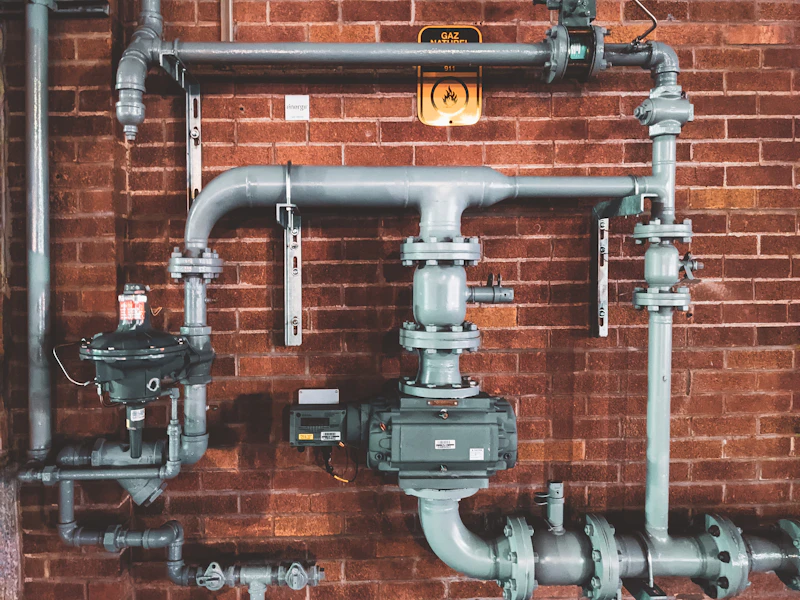
Based on Bureau of Labor Statistics wage data for the Pittsburgh metropolitan area, plumbing in Pittsburgh costs between $80 and $3,430, with an average of $340.
Plumbing Cost Breakdown — Pittsburgh, PA
| Service/Item | Low Estimate | Average | High Estimate |
|---|---|---|---|
| Faucet Repair/Replace | $90 | $120 | $190 |
| Toilet Repair | $80 | $120 | $200 |
| Water Heater Install | $1,070 | $1,390 | $1,920 |
| Drain Cleaning | $50 | $70 | $120 |
| Pipe Leak Repair | $140 | $200 | $310 |
| Sewer Line Repair | $1,540 | $2,070 | $3,020 |
Pittsburgh’s hills, rivers, and historic neighborhoods shape more than just its skyline—they directly impact how plumbing systems perform and what it costs to maintain them. From century-old row homes in Lawrenceville to split-levels in Mt.
Lebanon, the region’s unique housing stock and climate create a plumbing landscape unlike any other in the country. Understanding what drives costs here isn’t just about labor and materials—it’s about how steel city winters freeze pipes, how aging infrastructure strains systems, and how local regulations shape every repair and upgrade.
Why Plumbing Costs Vary in Pittsburgh
Plumbing costs in Pittsburgh run about 2% above the national average, and the reasons are deeply rooted in local conditions. The U.S.
Bureau of Labor Statistics reports a median hourly wage of $29.94 for plumbers in this metro area, but that’s just the starting point. Most licensed contractors apply a markup to cover overhead, insurance, tools, and project management—especially critical in older homes where hidden issues like galvanized steel piping or cast iron drain lines are common. Homeowners may also want to compare Plumbing in Philadelphia.
The city’s housing inventory plays a major role. Much of Pittsburgh’s residential core—neighborhoods like Squirrel Hill, Point Breeze, and East Liberty—is dominated by homes built between the 1920s and 1960s. For a nearby comparison, check bathroom remodel costs in Pittsburgh.
These structures often feature low-clearance crawl spaces, masonry walls, and outdated plumbing layouts that require more labor to access and modify. Row homes, especially in areas like South Side or Homewood, share party walls and underground lines, complicating repairs and increasing coordination time.
Winters here are unforgiving. With average temperatures between 15–30°F and frequent snowfall—especially in western suburbs like Moon Township and Coraopolis—pipe freezing is a recurring hazard.
This seasonal stress leads to higher emergency call volumes from December through February, which in turn affects availability and pricing for non-urgent work. Contractors must also account for weather delays, frozen ground for excavation, and the need for freeze protection during remodels.
Additionally, Pittsburgh’s hilly terrain affects water pressure and drainage design.
Homes on steep slopes often require specialized venting or booster pumps, adding complexity and cost. Meanwhile, neighborhoods near the rivers—like the Strip District or Hazelwood—face higher humidity and groundwater exposure, accelerating corrosion in older systems. See how costs compare: roofing costs in Pittsburgh.
Comparing Quotes: Budget vs. Mid-Range vs. Premium
| Feature | Budget | Mid-Range | Premium |
|---|---|---|---|
| Materials Used | Basic-grade fixtures; polybutylene or PVC where code allows | Copper water lines; PEX for runs; name-brand fixtures (Moen, Delta) | Full copper or oxygen-barrier PEX; high-efficiency fixtures (Kohler, Grohe) |
| Warranty | 1-year labor; manufacturer-only on parts | 2-year labor; 5-year on fixtures | 5-year system-wide warranty; includes leak detection and pressure testing |
| Timeline | Fastest scheduling (1–2 weeks) | Moderate wait (2–4 weeks) | 4+ weeks due to custom ordering and inspections |
| Permit Handling | Customer responsible | Contractor pulls permit; includes fee | Full permit and UCC compliance; includes final sign-off |
| Access & Cleanup | Minimal drywall repair; debris left on-site | Drywall patched; daily cleanup | Full restoration: mud, tape, prime; job-site containment |
| Inspection Readiness | Basic code compliance | Pre-inspection walkthrough included | Third-party pressure test and camera inspection report |
Seasonal Pricing Patterns in PA
Plumbing demand in Pittsburgh follows a clear seasonal rhythm. Winter brings the highest volume of emergency calls—burst pipes from freezing account for nearly 40% of January service requests. Summer, by contrast, is the most stable and cost-efficient time for planned work.
- Schedule major plumbing projects between April and October to avoid winter weather delays and emergency surcharges.
- Book water heater replacements in late spring—contractors are less busy, and you avoid the November rush.
- Take advantage of off-peak discounts; some companies offer 5–10% reductions for jobs scheduled in January or February, excluding emergency calls.
- Inspect exterior hose bibbs and irrigation lines by early November to prevent freeze damage and costly spring repairs.
- Emergency rates (typically 1.5x–2x standard labor) apply after hours, weekends, and during snow events—avoid them with proactive maintenance.
- Verify active registration with the PA Attorney General’s office—ask for their registration number and check it online.
- Confirm they carry both liability insurance and workers’ comp—uninsured workers on your property expose you to risk.
- Ask if they pull permits and schedule inspections—reputable contractors handle this; others pass the burden to you.
- Require a written scope that includes material specs, timeline, and cleanup responsibility—vague estimates are red flags.
- Check for experience with older homes—knowing how to work around knob-and-tube wiring or shared sewer laterals is critical.
- Request recent references in neighborhoods like Brookline or Swissvale—similar housing means relevant experience.
- Local labor rates — Pittsburgh plumbers earn an average of $29.94 per hour, about 2% above the national average. This reflects the city’s moderate cost of living, strong union presence in skilled trades, and steady demand for licensed professionals, especially in older neighborhoods like Squirrel Hill and Lawrenceville.
- Seasonal demand — Winter months (December to February) bring peak demand due to frozen or burst pipes from frequent sub-freezing temperatures (15–30°F). Emergency repairs during this time can carry a 10–20% seasonal premium, while scheduling non-urgent work in spring or summer often means faster service and better rates.
- Project scope — A minor leak repair may take under two hours, while a full bathroom repipe or sewer line replacement can span multiple days. The gap between low and high estimates often comes down to hidden damage, pipe accessibility, and whether walls or floors need to be opened—common challenges in Pittsburgh’s older homes.
- Permits & inspections — Under the PA Home Improvement Contractor Registration Act, all plumbing contractors must be registered with the state. In Pittsburgh and surrounding municipalities, permits are typically required for major work and cost between $50 and $300, depending on project complexity and local code enforcement requirements.
- Materials quality — Choosing between builder-grade (e.g., PVC drain lines, galvanized steel) and premium materials (like PEX water lines, copper supply pipes, or cast iron sewer lines) can create a 30–50% price difference. High-efficiency fixtures and freeze-resistant hose bibs are increasingly popular in Pittsburgh due to climate and water conservation efforts.
- Property characteristics — Pittsburgh’s housing includes narrow row homes, multi-story brick duplexes, and stone-built colonials from the early 1900s. Older plumbing systems with cast iron, lead, or polybutylene pipes require specialized handling, and limited access in tight crawl spaces or basements can increase labor time and cost.
- Emergency vs scheduled — After-hours, weekend, or holiday calls—common during sudden pipe freezes—can cost 1.5 to 2 times the standard rate. Scheduling non-urgent plumbing work during regular business hours helps avoid these premiums and ensures better availability among trusted local contractors.
Hiring the Right Contractor in Pittsburgh
Under Pennsylvania’s Home Improvement Contractor Registration Act, any contractor taking over $5,000 must register with the PA Attorney General.
In Philadelphia, separate L&I permits are required for plumbing alterations, and UCC (Uniform Construction Code) compliance is enforced statewide for new installations and major renovations. For homes built before 1978—which includes over 60% of Pittsburgh’s housing stock—lead paint disclosure is mandatory during any wall-cutting work.
Red flags include cash-only demands, refusal to provide a written contract, or pressure to start work before permits are pulled. During estimates, ask: “Have you worked on homes like mine in this neighborhood?” and “What happens if we hit lead pipe or asbestos during demolition?” A contractor familiar with Pittsburgh’s quirks won’t hesitate to answer.
What Affects Plumbing Costs in Pittsburgh?
What Affects Plumbing Costs in Pittsburgh?
Homeowners in Pittsburgh face unique factors that influence plumbing repair and installation costs. From the region’s aging housing stock to seasonal weather demands, understanding these variables helps you make informed decisions and budget effectively.
Popular Plumbing Brands in Pittsburgh
Frequently Asked Questions
How much does plumbing cost in Pittsburgh, PA?
Plumbing costs in Pittsburgh average $340, with prices typically ranging from $80 to $3,430 depending on the job's complexity. Labor rates average $29.94 per hour according to the U.S. Bureau of Labor Statistics (BLS), which aligns with regional wage standards. Common services like drain cleaning or faucet replacement fall on the lower end, while full repipes or sewer line repairs drive costs higher. These figures reflect the Pittsburgh metro area's mix of older housing and skilled labor demand.
Why is plumbing more expensive in Pittsburgh than the national average?
While Pittsburgh's plumbing costs are not drastically above the national average, certain factors contribute to higher-than-expected pricing for the region. Many homes in the metro area were built before 1950 and require specialized work to address outdated galvanized steel or cast iron pipes. This increases labor time and material replacement needs, raising overall costs. Additionally, licensed plumbers in Pittsburgh earn $29.94/hr on average (BLS data), which supports a skilled but higher-cost workforce.
How can I save money on plumbing in Pittsburgh?
You can save money by scheduling routine maintenance to catch small leaks or clogs before they require costly repairs, especially in older homes common across Pittsburgh. Getting multiple quotes from licensed contractors helps ensure fair pricing within the $80–$3,430 typical range. Addressing issues promptly prevents water damage, which is common in historic homes with hidden pipe corrosion. Avoid DIY fixes for major systems—improper work can increase expenses long-term and violate PA code.
Do I need a permit for plumbing in PA?
Yes, most plumbing work in Pennsylvania requires a permit, especially for new installations, water heater replacements, or sewer line repairs. Local municipalities in the Pittsburgh metro area enforce the Pennsylvania Uniform Construction Code (UCC), which mandates permits and inspections. Failure to obtain one can result in fines or issues when selling your home. Permits ensure work meets safety standards and is performed by licensed professionals.
How long does plumbing take in Pittsburgh?
Simple plumbing repairs like fixing a leak or unclogging a drain usually take 1–2 hours, aligning with the BLS-reported labor rate of $29.94/hr. Moderate jobs such as toilet or water heater replacement typically take 2–4 hours. Larger projects like repiping a bathroom or repairing a sewer line can take 1–3 days due to wall access and code compliance needs. Older homes in Pittsburgh often require extra time due to difficult pipe access and outdated configurations.
What warranty should I expect from a plumbing contractor?
Most reputable plumbing contractors in Pittsburgh offer a labor warranty of 1–2 years, while parts and fixtures typically come with manufacturer warranties. Some companies may offer extended labor coverage for major installations like tankless water heaters or sewer lines. Always request warranty terms in writing before work begins. Given the average $340 cost and BLS labor rate, warranties help protect your investment against premature failures.
What's the best time of year for plumbing in Pittsburgh?
Spring and early fall are the best times for plumbing work in Pittsburgh, as contractors are less busy than during winter emergency seasons. Scheduling during these months may help you avoid peak demand surges caused by frozen or burst pipes in winter. This can lead to faster service and potentially more flexible pricing within the $80–$3,430 range. Mild weather also allows for easier exterior repairs, such as sewer line access or outdoor faucet installation.
