How Much Does Bathroom Remodel Cost in Pittsburgh, PA?
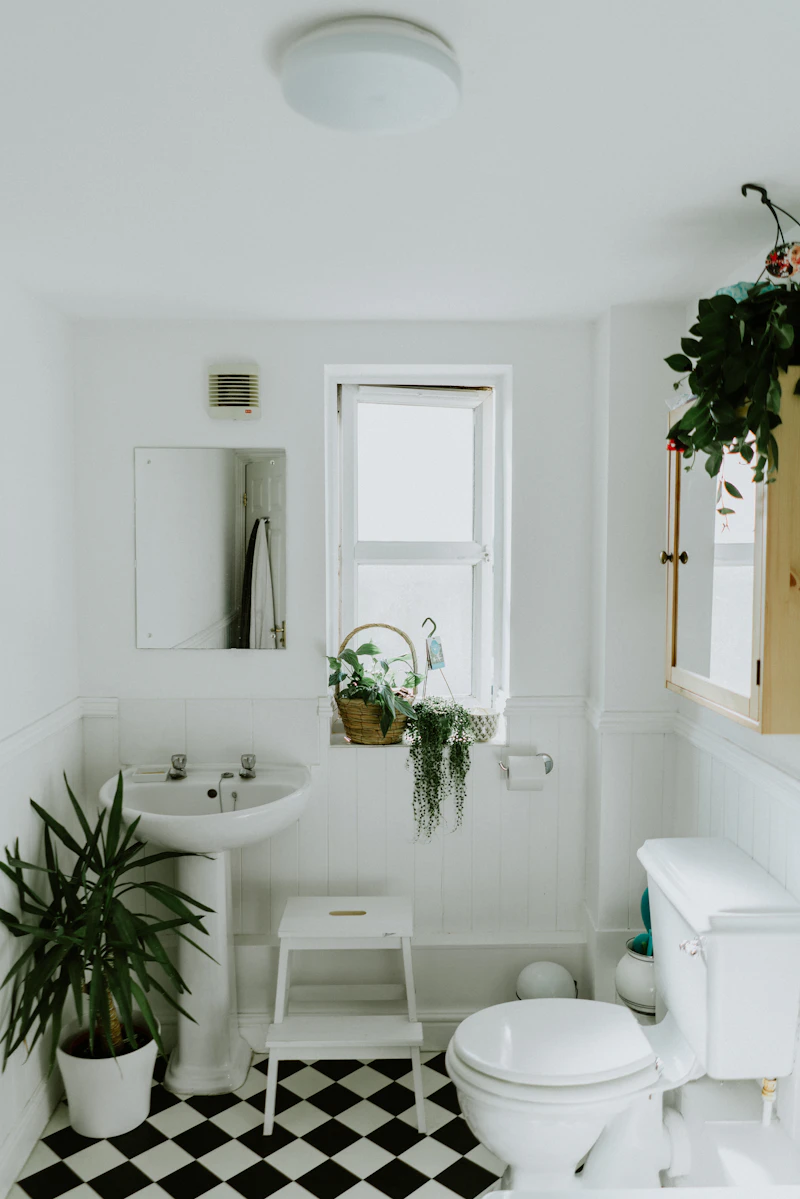
Based on Bureau of Labor Statistics wage data for the Pittsburgh metropolitan area, bathroom remodel in Pittsburgh costs between $2,570 and $24,020, with an average of $7,420.
Bathroom Remodel Cost Breakdown — Pittsburgh, PA
| Service/Item | Low Estimate | Average | High Estimate |
|---|---|---|---|
| Vanity + Sink Install | $780 | $1,040 | $1,490 |
| Shower/Tub Replacement | $1,980 | $2,650 | $3,800 |
| Tile Work (floor + walls) | $1,670 | $2,310 | $3,450 |
| Toilet Replacement | $310 | $420 | $620 |
| Full Gut Remodel | $8,290 | $11,230 | $16,410 |
| Fixture Upgrade Package | $1,150 | $1,520 | $2,160 |
How Bathroom Remodel Pricing Works in the Pittsburgh Area
Pittsburgh’s bathroom remodel costs reflect a mix of aging housing stock, seasonal extremes, and skilled labor demand.
Many homes in neighborhoods like Squirrel Hill, Point Breeze, and Mount Lebanon date from the 1920s to 1960s, meaning outdated plumbing, narrow floor plans, and materials like plaster walls that complicate renovations. These older systems often require full demolition before modern upgrades can begin, driving up labor and disposal costs.
Labor in Western Pennsylvania averages $26.93 per hour according to the Bureau of Labor Statistics, but most licensed contractors apply a markup of 20–35% to cover insurance, equipment, permits, and project management.
This is standard practice and ensures you’re paying for accountability, not just hourly work. Pittsburgh sits about 2% above the national average for bathroom remodels, not because of inflated prices, but due to the complexity of retrofitting modern fixtures into legacy structures.
Winter weather plays a role too. With average temperatures between 15–30°F and frequent snowfall—especially in western counties like Beaver and Washington—plumbing freezes are common.
Contractors often build in extra time and materials for insulation, heat tracing, and temporary heat during remodels to avoid pipe damage. This is especially critical in row homes and split-levels where access to piping may be limited and cold air infiltration is high. Homeowners may also want to compare Bathroom Remodel in Philadelphia.
The region’s architectural diversity also affects pricing. Stone colonials in Fox Chapel may have load-bearing walls or uneven subfloors that require structural adjustments. For a nearby comparison, check Bathroom Remodel in Wilmington.
In contrast, row homes in the city often have shared walls and tight access, making demolition and waste removal more labor-intensive. Each of these factors is evaluated during the estimate and directly impacts the final quote. Homeowners may also want to compare kitchen remodel costs in Pittsburgh.
What to Expect During the Estimate Process
When you call a registered contractor in Pittsburgh, the first step is usually a 15–20 minute phone screening to discuss scope, timeline, and budget range. If there’s a match, they’ll schedule an on-site estimate visit—never rely on a quote based solely on photos or descriptions.
During the visit, a project manager or lead technician will inspect the bathroom, noting plumbing locations, electrical circuits, floor structure, and signs of moisture damage. They’ll measure the space, check for lead paint (required for homes built before 1978), and assess ventilation.
This is your chance to ask questions about layout changes, material options, and timeline. A professional will take notes, sketch rough plans, and may use moisture meters or borescopes if hidden damage is suspected.
After the visit, you’ll receive a written estimate within 3–5 business days. It should itemize labor, materials, permits, and disposal fees.
In Pittsburgh, most full bathroom remodels take 10–16 days from demo to final walkthrough, assuming no structural surprises. Smaller updates (like vanity and fixture swaps) can be done in 5–7 days. Delays often come from material backorders or discovery of mold or rot behind walls—common in older homes with poor ventilation.
Permitting is handled by the contractor in most cases. Under Pennsylvania’s Uniform Construction Code (UCC), any plumbing or electrical work requires inspection. Related: roofing costs in Pittsburgh.
In Philadelphia, separate L&I permits are needed, but in Pittsburgh and surrounding counties, the process is streamlined through municipal building departments. Your contractor should include permit costs and schedule inspections as part of the project. See how costs compare: Bathroom Remodel in Camden.
DIY vs. Professional Bathroom Remodel: When It Makes Sense
| Safe for DIY | Hire a Pro |
|---|---|
| Painting walls or ceiling after moisture issues are resolved | Any plumbing rerouting or new drain installation |
| Replacing a toilet with same footprint using existing supply lines | Installing a new shower pan or custom tile shower |
| Mounting a new vanity with pre-existing plumbing connections | Electrical work, including GFCI outlets or new lighting circuits |
| Replacing light fixtures on existing circuits | Load-bearing wall modifications or structural floor repairs |
| Applying peel-and-stick tile in dry areas | Permitting and code compliance for UCC or local regulations |
DIY can save money, but mistakes in bathrooms are costly. Improperly sealed showers lead to mold and rot. Incorrect plumbing slopes cause backups.
Faulty electrical work risks shock or fire. In Pittsburgh’s older homes, hidden issues are common—what looks like a simple tile job might uncover crumbling substrate or outdated wiring. Professionals carry liability insurance and warranties; DIY does not. If your project involves water, waste, or watts, hire a registered contractor.
Questions to Ask Before Signing a Contract
Under Pennsylvania’s Home Improvement Contractor Registration Act, every contractor must be registered with the Department of State. You can verify registration online.
Never hire someone who refuses to provide their registration number. In Philadelphia, additional L&I permits are required for plumbing and electrical, but in Pittsburgh, local municipalities handle permitting under the statewide UCC.
- Are you registered under the PA Home Improvement Contractor Registration Act? Ask for the number and verify it at pacourts.us.
- Will you pull permits and schedule inspections? Most reputable contractors do this automatically, but confirm it’s included.
- Do you carry liability insurance and workers’ comp? Request certificates. If they don’t have coverage, you could be liable for on-site injuries.
- What’s your timeline, and what happens if it runs late? Weather, material delays, or hidden damage can push dates—know how they handle it.
- Is lead paint disclosure included for homes built before 1978? Required by law. If not mentioned, it’s a red flag.
- Can I see references from recent bathroom remodels in Pittsburgh? Ask for 2–3 local projects and follow up.
Red flags include requests for large upfront payments (more than 10–20%), refusal to provide a written contract, or pressure to skip permits. A legitimate estimate based on the $26.93/hr BLS rate will reflect realistic labor hours—not guesswork. Trust transparency: the best contractors explain costs clearly, anticipate local challenges, and stand by their work.
What Affects Bathroom Remodel Costs in Pittsburgh?
What Affects Bathroom Remodel Costs in Pittsburgh?
Homeowners in Pittsburgh face unique cost factors when remodeling a bathroom, shaped by local labor markets, weather patterns, housing stock, and regulations. Understanding these elements helps set realistic expectations and budget accordingly.
- Local labor rates — Pittsburgh’s average hourly rate for home repair trades is around $26.93, roughly 2% above the national average. This reflects the city’s moderate cost of living, strong union presence in construction trades, and steady demand for skilled labor due to the region’s aging housing inventory.
- Seasonal demand — Bathroom remodels peak in spring and summer when homeowners avoid winter disruptions and contractors have full schedules. In Pittsburgh’s cold climate, with frequent snowfall from December to February, off-season work (late fall to early winter) can yield 10–20% savings due to lower demand and contractor availability.
- Project scope — Costs vary widely between minor repairs—like re-tiling or fixture replacement—and full tear-outs involving plumbing, electrical, and structural changes. The gap between low and high estimates often comes down to hidden damage in older homes, accessibility challenges, and whether systems need upgrading to meet current codes.
- Permits & inspections — Under the PA Home Improvement Contractor Registration Act, all contractors must be registered, and most bathroom remodels require permits. In Pittsburgh and surrounding municipalities, permit fees typically range from $50 to $300, depending on project scope, and inspections ensure compliance with local plumbing and building codes.
- Materials quality — Choosing premium materials like quartz countertops, custom tile, or water-resistant hardwood flooring can cost 30–50% more than builder-grade options such as vinyl flooring or fiberglass surrounds. Pittsburgh homeowners often opt for durable, moisture-resistant materials to handle humidity and temperature swings.
- Property characteristics — Older homes in Pittsburgh’s neighborhoods—especially row homes, stone-faced colonials, and pre-1950s construction—present challenges like narrow layouts, outdated plumbing, and limited access. These factors increase labor time and complexity, especially on multi-story homes or properties with basement bathrooms.
- Emergency vs scheduled — Emergency repairs, such as fixing burst pipes after a freeze or water damage from failed seals, often incur after-hours rates that are 1.5 to 2 times higher than standard pricing. Scheduling work during regular business hours avoids weekend or urgent-service premiums common in the winter months.
Popular Bathroom Remodel Brands in Pittsburgh
Frequently Asked Questions
How much does bathroom remodel cost in Pittsburgh, PA?
The average cost of a bathroom remodel in Pittsburgh, PA is $7,420, with prices typically ranging from $2,570 for minor updates to $24,020 for full, high-end renovations. Labor costs contribute significantly, with skilled contractors earning an average of $26.93 per hour according to U.S. Bureau of Labor Statistics (BLS) data. Costs vary based on materials, bathroom size, and whether plumbing or electrical systems are upgraded.
Why is bathroom remodel more expensive in Pittsburgh than the national average?
While Pittsburgh's average remodel cost of $7,420 is in line with or slightly below national averages for mid-range projects, labor and material costs can be higher due to older housing stock requiring specialized work. Many homes in the Pittsburgh metro area are over 50 years old, necessitating asbestos abatement, lead pipe removal, or structural updates that increase project complexity. Additionally, skilled contractor wages at $26.93/hr (BLS) reflect regional demand and union presence, contributing to overall costs.
How can I save money on bathroom remodel in Pittsburgh?
You can save money by keeping the existing plumbing layout to avoid costly pipe rerouting, which can add thousands to labor and materials. Opting for prefabricated showers or vanity units instead of custom designs helps control costs, as does scheduling the project during winter months when contractors may offer discounts. Choosing locally available materials reduces shipping fees, and getting multiple bids ensures competitive pricing based on the regional average labor rate of $26.93/hr (BLS).
Do I need a permit for bathroom remodel in PA?
Yes, you typically need a permit in Pennsylvania if your bathroom remodel involves electrical, plumbing, or structural changes. Local municipalities in the Pittsburgh metro area, such as the City of Pittsburgh Department of Permits, Licenses, and Inspections, require permits to ensure compliance with state building codes. Cosmetic updates like painting or replacing fixtures usually don't require permits, but it's best to verify with your local authority.
How long does bathroom remodel take in Pittsburgh?
A typical bathroom remodel in Pittsburgh takes 2 to 4 weeks, depending on the scope. Minor updates like replacing fixtures and tiling may be completed in 7–10 days, while full gut renovations involving plumbing, electrical, and drywall can take 3–4 weeks. Delays may occur due to weather-related material delivery issues or discovery of hidden damage in older homes common in the region.
What warranty should I expect from a bathroom remodel contractor?
Most reputable bathroom remodel contractors in Pittsburgh offer a 1- to 2-year labor warranty covering workmanship issues such as leaking joints, tile cracks, or faulty installations. Materials typically come with separate manufacturer warranties, which your contractor should provide documentation for. Given the BLS-reported labor rate of $26.93/hr, it's important to choose a licensed contractor who stands by their work, especially in older homes prone to settling and moisture issues.
What's the best time of year for bathroom remodel in Pittsburgh?
The best time for a bathroom remodel in Pittsburgh is late fall or winter, when contractor availability increases and demand drops, potentially leading to lower labor rates or scheduling flexibility. Since indoor remodeling isn't weather-dependent, winter avoids the spring and summer construction rush common in the metro area. This timing also allows you to address moisture or insulation issues common in older homes before the humid months, improving long-term durability.
