How Much Does Bathroom Remodel Cost in Cleveland, OH?
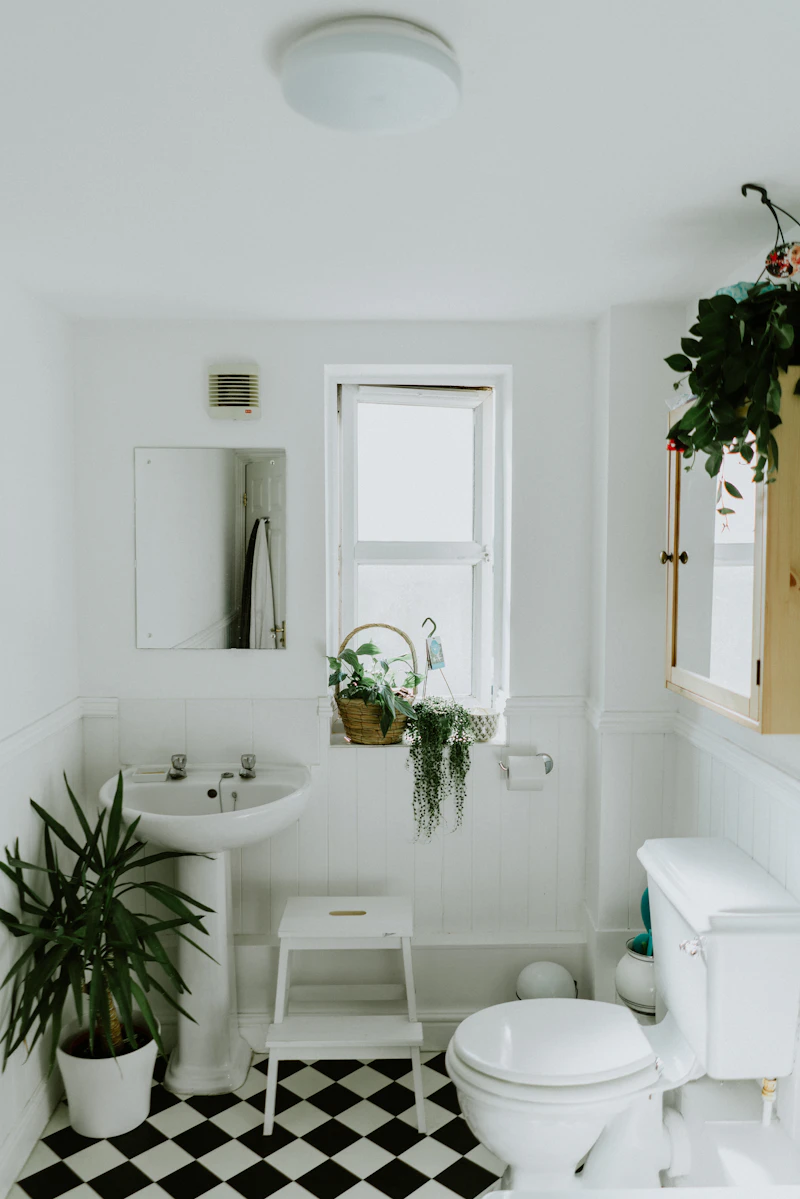
Based on Bureau of Labor Statistics wage data for the Cleveland-Elyria metropolitan area, bathroom remodel in Cleveland costs between $2,510 and $23,130, with an average of $7,190.
Bathroom Remodel Cost Breakdown — Cleveland, OH
| Service/Item | Low Estimate | Average | High Estimate |
|---|---|---|---|
| Vanity + Sink Install | $770 | $1,020 | $1,450 |
| Shower/Tub Replacement | $1,940 | $2,580 | $3,680 |
| Tile Work (floor + walls) | $1,630 | $2,230 | $3,310 |
| Toilet Replacement | $300 | $410 | $590 |
| Full Gut Remodel | $8,110 | $10,910 | $15,820 |
| Fixture Upgrade Package | $1,130 | $1,490 | $2,100 |
Complete Guide to Bathroom Remodel in Cleveland
Remodeling a bathroom in Cleveland isn’t just about aesthetics—it’s about building resilience. With winter temperatures routinely dipping to 15–25°F and lake-effect snow dumping over 100 inches in some eastern suburbs like Willoughby and Mentor, your bathroom must withstand moisture, freeze-thaw cycles, and long heating seasons.
Add in Ohio’s expansive clay soil and the region’s aging housing stock—brick colonials and Cape Cods from the 1920s to 1960s, most with full basements and vinyl siding—and you’ve got a unique set of challenges. These factors directly impact material choices, foundation stability, and moisture management in any remodel.
Cleveland’s construction market runs about 8% below national averages for bathroom renovations, thanks to lower labor and material overhead. But don’t mistake affordability for simplicity.
Older homes in Ohio City, Tremont, or Lakewood often hide outdated plumbing, knob-and-tube wiring, or asbestos tile beneath that vintage charm. A full gut may be necessary, especially if you’re upgrading from a single-stack drainage system or dealing with cast iron pipes prone to corrosion in damp basements. Tornado risk, though low, means high winds can affect roofing and ventilation integrity—critical when rerouting bathroom exhausts to exterior walls.
Local builders prioritize vapor barriers, insulated piping, and mold-resistant drywall (like green board or cement board) to combat condensation in tightly sealed, older homes.
Given Cleveland’s freeze-thaw pressure on foundations, slab-level waterproofing and proper grading are non-negotiable if your bathroom is on a basement level. Contractors here also know to avoid lightweight concrete backer boards in showers—instead using mortar beds or foam panel systems that resist cracking from soil movement. Homeowners may also want to compare Bathroom Remodel in Cincinnati.
Material and Labor Cost Breakdown
In a typical Cleveland bathroom remodel, materials account for roughly 60% of total costs, with labor making up the remaining 40%. For a nearby comparison, check kitchen remodel costs in Cleveland.
This split shifts in high-end projects where custom tile, heated floors, or freestanding tubs drive material costs upward. For standard renovations, labor remains predictable but is influenced by local wage structures and contractor availability.
The U.S. Bureau of Labor Statistics reports a median wage of $24.29/hr for plumbers, electricians, and tile setters in Ohio.
However, licensed contractors in the Cleveland-Elyria metro typically charge 1.8 to 2.5 times that rate after factoring in insurance, equipment, overhead, and project management. A $24.29 base doesn’t reflect the full cost of a skilled tradesperson managing code compliance, material sourcing, and scheduling across multiple jobs in a city with unpredictable winters.
The wide gap between low-end and high-end estimates stems from scope and system upgrades. At the lower end, projects often involve cosmetic updates—replacing fixtures, repainting, or installing prefab vanities—without touching plumbing lines or electrical.
High-end remodels, however, may include relocating drains, adding in-floor heating, installing frameless glass showers, or upgrading ventilation to meet Cleveland’s strict moisture control standards in older homes. Material quality also plays a role: porcelain tile from a local distributor like Bath Emporium in Independence costs more than big-box alternatives but lasts longer in high-humidity environments. Similarly, using PVC or PEX plumbing instead of copper can reduce costs and improve freeze resistance in exterior walls.
Timeline and Scheduling Considerations
Timing your bathroom remodel around Cleveland’s weather is critical. Winter months (December to February) bring extreme cold and snow, slowing material deliveries and making indoor drying times longer—especially for tile mortar and grout.
Spring (April to May) and early fall (September to October) are peak seasons, with contractors booking months in advance. Summer brings humidity and occasional thunderstorms, which can delay exterior venting or roof flashing work.
- Start planning in late winter to secure spring or early fall slots—contractors in suburbs like Rocky River and Shaker Heights are busiest May through October.
- Avoid scheduling demolition during heavy snowfall; frozen ground and icy sidewalks increase liability and delay debris removal.
- If your home has a basement bathroom, schedule plumbing work in drier months to reduce mold risk from leaks during testing.
- Coordinate with HVAC upgrades if adding heat lamps or radiant floors—Cleveland’s long heating season means ductwork or boiler load must be recalculated.
- Factor in 1–2 extra days for unexpected discoveries, like rotted subfloor from past leaks—common in pre-1970s homes with unvented showers.
- Local labor rates
Cleveland’s average hourly labor rate of $24.29 is about 8% below the national average, largely due to lower overall cost of living and moderate union presence in the construction trades. While demand for skilled contractors remains steady, especially in growing suburbs like Westlake and Pepper Pike, it hasn’t driven wages upward as sharply as in larger metropolitan areas.
- Seasonal demand
Bathroom remodels in Cleveland are most popular in spring and early summer, avoiding the harsh winter months when lake-effect snow and freezing temperatures (15–25°F) can delay material deliveries and site prep. Contractors may charge 10–20% more during peak season, while scheduling in late fall or winter could offer slight cost savings, though with potential weather-related delays.
- Project scope
A basic repair—such as re-grouting tile or replacing a vanity—costs significantly less than a full tear-out involving new plumbing, tiling, and layout changes. The gap between low and high estimates often comes down to structural modifications, waterproofing needs, and whether aging systems in older homes (common in Ohio City or Tremont) must be updated.
- Permits & inspections
Ohio does not require statewide general contractor licensing, but Cleveland and surrounding municipalities do require permits for plumbing, electrical, and structural changes. HVAC, electrical, and plumbing work must be done by state-licensed professionals, and permit fees typically range from $50 to $300 depending on project complexity and jurisdiction.
- Materials quality
Choosing premium materials like porcelain tile, solid-surface countertops, or custom cabinetry can increase costs by 30–50% compared to builder-grade options. In Cleveland’s humid climate, moisture-resistant materials such as ceramic tile and PVC trim are recommended, especially in basements, which are standard in most local homes.
- Property characteristics
Older brick colonials and Cape Cods common in neighborhoods like Lakewood and Euclid often have plaster walls, narrow floor joists, and clay soil foundations prone to expansion, increasing labor and structural prep costs. Multi-story homes and limited access (e.g., tight crawlspaces) also raise pricing due to logistical challenges.
- Emergency vs scheduled
Emergency repairs—such as fixing burst pipes after a freezing event—often incur after-hours rates that are 1.5 to 2 times standard labor charges. Scheduling your remodel proactively avoids weekend or urgent-service premiums and allows better contractor availability.
Emergency rates apply when water damage, burst pipes, or sewage backups require immediate action.
These situations often occur during deep freezes or after sudden thaws melt snow into basement-level bathrooms. To avoid premium pricing, maintain your plumbing, insulate exposed pipes in unheated areas, and schedule annual inspections—especially if your home is in a low-lying area like Slavic Village or Newburgh Heights, where groundwater pressure is higher.
Protecting Yourself: Warranties and Guarantees
Every Cleveland homeowner should demand written warranties before work begins. Labor warranties typically cover 1–2 years on installation, including tile work, plumbing hookups, and electrical connections. See how costs compare: Bathroom Remodel in Columbus.
Materials come with manufacturer warranties—often 5 to 25 years for fixtures like Kohler or Moen—but these only apply if installed correctly. Make sure your contractor registers the products; many warranties are void otherwise.
Ohio law requires all licensed contractors to carry general liability insurance and workers’ compensation. Ask for certificates of insurance before the first day of work.
If a subcontractor gets injured on your property and isn’t covered, you could be liable—especially in older homes where structural hazards are common. Bonding is not mandatory for residential remodels under $50,000 in Ohio, but reputable Cleveland contractors often carry surety bonds as a trust signal.
Put everything in writing: scope of work, materials list, timeline, payment schedule, and cleanup responsibilities. Include clauses for change orders—common when removing walls reveals mold or outdated wiring.
Cleveland’s older housing stock means surprises are expected, not exceptional. A solid contract protects both parties and ensures disputes don’t delay completion. Use a local attorney if needed—firms in University Circle or Downtown Cleveland specialize in residential construction agreements.
What Affects Bathroom Remodel Costs in Cleveland?
What Affects Bathroom Remodel Costs in Cleveland?
Homeowners in the Cleveland-Elyria metro area face unique cost factors when remodeling a bathroom, shaped by local labor economics, weather patterns, housing stock, and regulatory practices. Understanding these elements helps manage expectations and plan effectively for your project.
Popular Bathroom Remodel Brands in Cleveland
Frequently Asked Questions
How much does bathroom remodel cost in Cleveland, OH?
The average cost of a bathroom remodel in Cleveland, OH is $7,190, with prices typically ranging from $2,510 for basic updates to $23,130 for high-end renovations. This includes labor, materials, and fixtures. Labor rates average $24.29 per hour based on U.S. Bureau of Labor Statistics (BLS) data for the Cleveland-Elyria metro area.
Why is bathroom remodel less expensive in Cleveland than the national average?
Bathroom remodels in Cleveland are generally less expensive than the national average due to lower labor and material costs. The BLS reports local hourly wages for contractors at $24.29, which is below the national average for trade workers. Additionally, overhead costs for contractors in Cleveland are lower than in larger metropolitan areas, helping keep overall project prices down.
How can I save money on bathroom remodel in Cleveland?
You can save money by keeping the existing plumbing layout to avoid costly rerouting, choosing mid-range fixtures, and scheduling the project during the off-season. Hiring local contractors during slower months may also yield better labor rates near the BLS average of $24.29/hour. Doing some prep or cleanup work yourself can reduce labor hours and overall costs.
Do I need a permit for bathroom remodel in OH?
Yes, most bathroom remodels in Ohio require a permit if the project involves plumbing, electrical, or structural changes. The local building department in your city or township will review plans and inspect work to ensure code compliance. Permits help protect your investment and are often required for insurance and resale purposes.
How long does bathroom remodel take in Cleveland?
A typical bathroom remodel in Cleveland takes between 10 to 20 days, depending on the scope. Simple updates like fixtures and paint may be completed in a week, while full tear-outs with plumbing or tile work take longer. Weather delays are rare since the work is indoors, but material delivery or permit approvals can affect the timeline.
What warranty should I expect from a bathroom remodel contractor?
Most reputable bathroom remodel contractors in Cleveland offer a 1- to 2-year labor warranty on installation work. Materials and fixtures typically come with separate manufacturer warranties. Always get the warranty terms in writing and confirm coverage for leaks, tile work, and plumbing—especially important in older homes common in the Cleveland-Elyria metro.
What's the best time of year for bathroom remodel in Cleveland?
The best time for a bathroom remodel in Cleveland is late fall or winter, when contractors have lower demand and may offer better rates near the BLS average of $24.29/hour. Scheduling during these months can also reduce wait times for permits and inspections. Since bathroom remodels are indoor projects, weather disruptions are minimal, making off-season remodeling a practical and cost-effective choice.
