How Much Does Roofing Cost in Cleveland, OH?
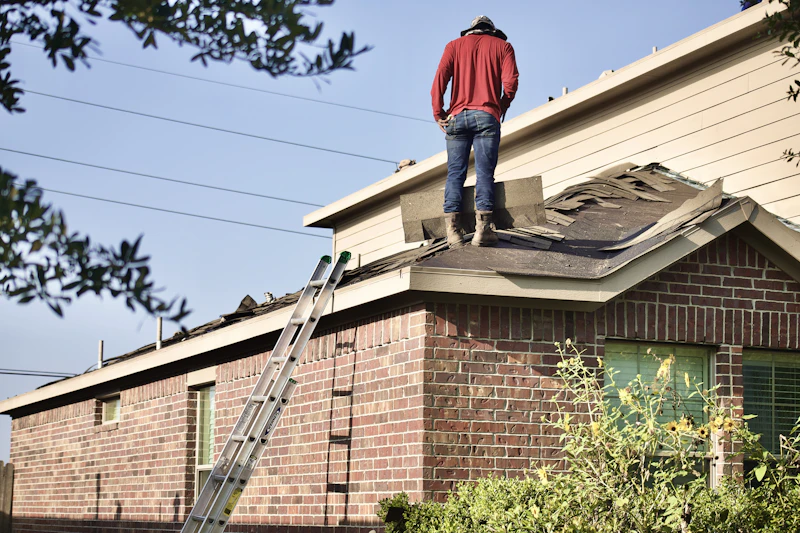
Based on Bureau of Labor Statistics wage data for the Cleveland-Elyria metropolitan area, roofing in Cleveland costs between $2,270 and $15,460, with an average of $5,430.
Roofing Cost Breakdown — Cleveland, OH
| Service/Item | Low Estimate | Average | High Estimate |
|---|---|---|---|
| Asphalt Shingles (per sq) | $110 | $160 | $240 |
| Metal Roofing (per sq) | $330 | $440 | $620 |
| Flat Roof Repair | $230 | $320 | $480 |
| Full Replacement (2,000 sq ft) | $4,140 | $5,430 | $7,580 |
| Roof Inspection | $20 | $30 | $50 |
| Gutter Installation (per ft) | $10 | $10 | $20 |
Is It Time for Roofing? Warning Signs
Cleveland’s harsh winters and volatile spring storms don’t just test your patience—they test your roof. When temperatures hover between 15°F and 25°F for weeks and lake-effect snow dumps two to three times the regional average on the east side of the city, your roofing system takes a beating.
Ice dams form along eaves, water backs up under shingles, and freeze-thaw cycles crack flashing and degrade underlayment. Add in the region’s expansive clay soils, which shift under footings and can subtly warp roof framing over time, and it’s clear that waiting too long can lead to structural damage.
Watch for these signs: missing or curling asphalt shingles, especially on south- and west-facing slopes exposed to afternoon sun; granules accumulating in gutters—this means shingles are eroding; sagging at the roofline, which could indicate rot in decking or truss failure; and daylight visible in the attic, a clear sign of gaps or holes. If you live in older neighborhoods like Ohio City, Tremont, or Lakewood, where homes often date to the early 1900s, inspect your roof annually—many still have original wood shakes or outdated underlayment.
- Schedule inspections in late spring (April–May) after winter damage is evident but before summer storms hit—this is Cleveland’s sweet spot for roofing work.
- Avoid peak months (June–August) when contractors are booked solid and heat makes shingle installation less precise.
- Book early for fall (September–October), but know that heavy lake-effect snow can delay projects after mid-November.
- If you spot active leaks during a storm, act fast—delaying can lead to mold in attics or damage to plaster ceilings, common in older Cape Cods and brick colonials.
- Consider preemptive replacement if your roof is 18+ years old—Cleveland’s climate shortens the typical 20–25-year shingle lifespan.
- Local labor rates — Cleveland’s average hourly wage for roofing labor is $20.74, about 8% below the national average, due to lower overall cost of living and moderate union presence in construction trades. While demand for roofing services remains steady, especially after winter storms, it hasn’t driven wages up as sharply as in larger metropolitan areas.
- Seasonal demand — Roofing work peaks in late spring through early fall when dry weather allows for safe, uninterrupted installation. Contractors often charge 10–20% more during these high-demand months, while scheduling in late fall or winter may offer cost savings, though weather delays become a risk due to lake-effect snow and freezing temperatures.
- Project scope — A minor repair to address ice dam leaks or shingle blow-offs from winter winds differs significantly in cost from a full tear-off and replacement. The gap between low and high estimates usually reflects underlying damage, decking replacement needs, and whether flashing, vents, or underlayment must be upgraded.
- Permits & inspections — Ohio doesn’t require statewide licensing for general contractors, but Cleveland, Lakewood, and other local jurisdictions do require permits for roof replacements. Permits typically cost between $50 and $300 and ensure compliance with local building codes, especially important in areas with clay soil expansion that can affect structural alignment and drainage.
- Materials quality — Builder-grade asphalt shingles cost significantly less than architectural or impact-resistant shingles, with a 30–50% price difference. In Cleveland, where heavy snow, freeze-thaw cycles, and occasional tornadoes occur, many homeowners opt for durable materials like GAF Timberline HDZ or Owens Corning Duration to improve longevity and wind resistance.
- Property characteristics — Older brick colonials and Cape Cods common in neighborhoods like Ohio City or Lakewood often have complex roof lines, steep pitches, and limited access, increasing labor time. Homes with multiple stories, finished attics, or standard full basements may require additional safety measures and equipment, affecting overall pricing.
- Emergency vs scheduled — Storm damage from sudden high winds or snow load collapse requires immediate attention, but emergency or weekend service can cost 1.5 to 2 times more than routine work. Scheduling repairs during off-peak times helps avoid after-hours premiums and ensures better contractor availability.
Emergency rates apply when wind, hail, or sudden collapse causes immediate water intrusion. These calls often come after spring thunderstorms or late-winter snowmelt events.
To avoid inflated pricing, maintain a relationship with a licensed roofer who offers 24/7 storm response.
Many Cleveland contractors waive emergency fees if you’re a repeat client or have a maintenance agreement. Never hire door-to-door storm chasers—Ohio has strict rules against post-disaster price gouging, but enforcement takes time.
What Drives Price Differences Between Contractors
Roofing costs in Cleveland-Elyria run about 8% below the national average, but that doesn’t mean all bids are equal.
The Bureau of Labor Statistics reports a local roofing labor rate of $20.74/hr—lower than in Chicago or Boston—but contractors typically apply a 30–50% markup to cover insurance, equipment, disposal, and project management. The real cost drivers lie in job complexity and material choices, not hourly rates.
In Cleveland, you’re likely working with homes that have steep-pitched roofs, multiple dormers, or slate-to-asphalt transitions—common in historic districts like Jefferson or Bratenahl.
These features increase labor time and waste. Homeowners may also want to compare Roofing in Cincinnati.
Contractors charging more often use higher-grade underlayment, ice-and-water shield along eaves (critical for lake-effect snow zones), and proper ventilation systems to combat attic moisture.
Others cut corners by skipping drip edges or using thin synthetic felt. For a nearby comparison, check Roofing in Dublin.
Local risk factors shape pricing too. Tornado risk, though low, spikes in spring, making wind-resistant shingle warranties and reinforced decking worth the premium. Homeowners may also want to compare kitchen remodel costs in Cleveland.
Clay soil expansion under foundations can lead to subtle roof misalignment, requiring extra framing checks. Contractors who include structural assessments in their bid aren’t overcharging—they’re preventing callbacks.
Material availability also affects cost. While asphalt shingles dominate (especially in middle-class neighborhoods like Parma or Euclid), supply chain hiccups still occur.
Contractors with established relationships with Cleveland-area distributors like ABC Supply or Beacon can lock in better pricing and pass some savings along. Those who don’t may charge more to buffer against delays.
Financing Options for Roofing in OH
Paying cash is ideal, but in a city where the median home value is below the national average, many Cleveland homeowners need financing.
Most reputable roofing contractors offer in-house payment plans—typically 12 to 24 months with deferred interest if paid in full. These are often backed by third-party lenders like Hearth or GreenSky, so read the fine print: deferred interest means all accrued interest is charged if the balance isn’t paid by the deadline.
Home equity loans or HELOCs are strong options if you’ve built equity, especially in appreciating areas like University Circle or Gordon Square.
Rates are lower than personal loans, and interest may be tax-deductible. Personal loans from credit unions like Chartway or Ohio Credit Union work for smaller projects or if you lack home equity, but expect higher APRs.
Zero-percent financing is available through select contractors during off-peak months (January–March) as a promotional tool. It’s a smart play if you need a roof now and can commit to the term. However, these offers often require excellent credit and may include balloon payments.
Financing makes sense when replacing a failing roof that threatens structural integrity or when bundling with insulation or gutter upgrades. It’s less justifiable for cosmetic updates unless you’re preparing to sell in a competitive market like Beachwood or Shaker Heights.
How to Avoid Overpaying in Cleveland
Smart homeowners in Cleveland don’t just compare bids—they dissect them. Related: bathroom remodel costs in Cleveland.
Start by getting at least three detailed quotes that break down labor, materials, disposal, and permits.
A bid that’s significantly lower than the others likely skips critical steps like decking repair or proper flashing installation. See how costs compare: Roofing in Fairfield.
Negotiate based on timing. Offer to book your project in February or March—contractors are slower then and more willing to discount. Mention if you’re referring neighbors; many local roofers offer $100–$200 referral credits.
Ask about seasonal promotions. Some companies, especially those with warehouse space in the Flats or near I-71, run “snowmelt specials” in early spring to clear inventory and secure jobs before summer. These can include free ridge vents or upgraded shingle warranties.
Bundling is your best leverage. If you’re replacing siding (common vinyl in Cleveland bungalows) or adding soffit and fascia—frequent needs due to moisture from snowmelt—ask for a package deal.
Many contractors use the same crews for roofing and siding, so overlapping labor reduces their overhead. In older homes with basements prone to moisture, bundling roof work with gutter and downspout extensions can prevent foundation issues down the line.
Finally, verify licensing and insurance through the Ohio Construction Industry Licensing Board.
Unlicensed contractors may quote lower prices but won’t carry liability coverage—leaving you on the hook for injuries on your property. In Cleveland, where older homes often require ladder access through tight lots, worker safety is a real concern.
What Affects Roofing Costs in Cleveland?
What Affects Roofing Costs in Cleveland?
Homeowners in the Cleveland-Elyria metro area face unique factors that influence roofing costs, from local labor trends to harsh weather patterns. Understanding these elements helps you make informed decisions and budget appropriately for repairs or replacements.
Popular Roofing Brands in Cleveland
Frequently Asked Questions
How much does roofing cost in Cleveland, OH?
The average cost of a roofing project in Cleveland, OH is $5,430, with prices typically ranging from $2,270 to $15,460 depending on roof size, materials, and labor. This reflects both material choices—such as asphalt shingles versus metal—and the complexity of the roof design. Labor rates in the area average $20.74 per hour according to the U.S. Bureau of Labor Statistics (BLS), contributing to the overall cost.
Why is roofing less expensive in Cleveland than the national average?
Roofing in Cleveland tends to be less expensive than the national average due to lower labor costs, with roofers earning $20.74 per hour on average (BLS data), which is below the national mean. Additionally, local material costs and competition among contractors in the Cleveland-Elyria metro area help keep overall project prices lower. The climate also allows for predictable work schedules, reducing delays that can inflate costs in other regions.
How can I save money on roofing in Cleveland?
You can save money on roofing in Cleveland by scheduling the project during the off-season, such as late fall or winter, when contractors may offer discounts due to lower demand. Choosing standard asphalt shingles instead of premium materials can also reduce costs significantly. Getting multiple bids and ensuring estimates include labor at or near the BLS average of $20.74/hr helps avoid overpayment. Additionally, maintaining your roof regularly can prevent costly repairs or early replacement.
Do I need a permit for roofing in OH?
Yes, most roofing projects in Ohio, including Cleveland, require a building permit to ensure compliance with local codes and safety standards. Your licensed contractor should handle the permit application process and include it in the project cost. Failure to obtain a permit can result in fines or complications when selling your home.
How long does roofing take in Cleveland?
A typical residential roof replacement in Cleveland takes 1 to 3 days, depending on the size and complexity of the roof. Weather conditions, especially during winter months, can extend the timeline due to snow or freezing temperatures. Crew size and material availability also influence duration, with most contractors working at rates consistent with the BLS-reported labor data of $20.74/hr.
What warranty should I expect from a roofing contractor?
You should expect at least a 5-year labor warranty and a manufacturer warranty on materials, which can range from 25 years to lifetime coverage for asphalt shingles. Some contractors in Cleveland offer extended labor warranties if you pay extra or use premium products. Always verify warranty terms in writing and ensure the contractor is licensed and adheres to industry standards based on local labor rates, such as the BLS-reported $20.74/hr.
What's the best time of year for roofing in Cleveland?
The best time for roofing in Cleveland is late spring through early fall, particularly May to September, when weather is dry and temperatures are above freezing. This reduces delays and allows adhesives and sealants to cure properly. Contractors are more available during this window, though booking early is advised due to high demand. Working during this period aligns with optimal labor efficiency, as reflected in the BLS hourly rate of $20.74 for local roofers.
