How Much Does Roofing Cost in Columbus, OH?
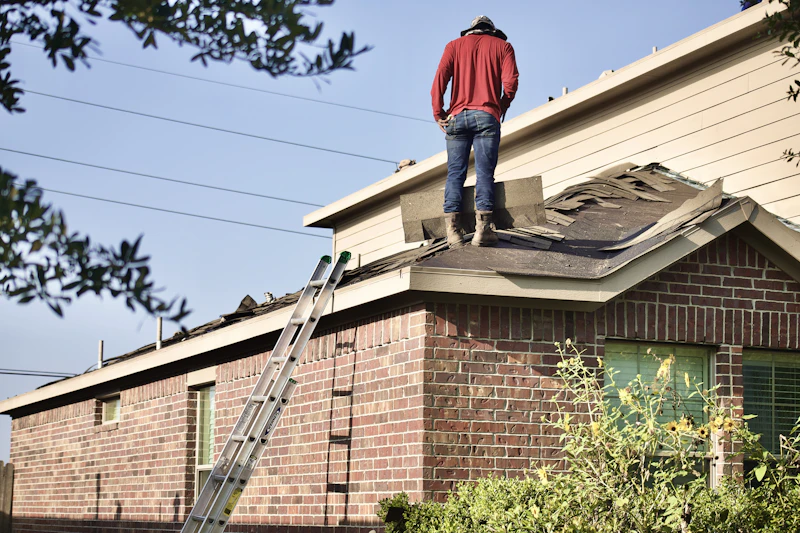
Based on Bureau of Labor Statistics wage data for the Columbus metropolitan area, roofing in Columbus costs between $2,270 and $15,460, with an average of $5,430.
Roofing Cost Breakdown — Columbus, OH
| Service/Item | Low Estimate | Average | High Estimate |
|---|---|---|---|
| Asphalt Shingles (per sq) | $110 | $160 | $240 |
| Metal Roofing (per sq) | $330 | $440 | $620 |
| Flat Roof Repair | $230 | $320 | $480 |
| Full Replacement (2,000 sq ft) | $4,140 | $5,430 | $7,580 |
| Roof Inspection | $20 | $30 | $50 |
| Gutter Installation (per ft) | $10 | $10 | $20 |
Columbus homeowners know a reliable roof isn’t just about shingles—it’s about surviving polar vortexes, sudden spring storms, and decades of freeze-thaw cycles that test every seam and flashing.
With older neighborhoods like German Village and Upper Arlington filled with brick colonials and Cape Cods, roofing here demands materials and techniques that match both architectural integrity and Ohio’s punishing climate. Understanding how pricing is shaped in this region helps you avoid overpaying while ensuring your home stays protected.
How Roofing Pricing Works in the Columbus Area
Roofer labor in Columbus averages around the Bureau of Labor Statistics' reported $20.74 per hour, but final project costs reflect more than just time on the job.
Contractors typically apply a markup of 25–40% to cover overhead, insurance, equipment, disposal fees, and project management—standard for mid-sized metro markets. What keeps Columbus pricing about 8% below the national average is lower cost of living and competitive pressure among the dense concentration of roofing contractors in Franklin, Delaware, and Fairfield counties.
Local conditions heavily influence material choices and labor complexity. Winters regularly dip to 15–25°F, increasing the risk of ice damming along eaves—especially on homes with poor attic ventilation, common in older housing stock.
This means ice and water shield installation is not optional; it’s a standard upgrade on most re-roofs. While Columbus doesn’t get lake-effect snow like Cleveland, sudden heavy snow loads still require roofs to be structurally sound. Tornado risk, though moderate, spikes in spring, making proper shingle nailing patterns and decking attachment critical for wind resistance. Homeowners may also want to compare Roofing in Cincinnati.
Soil composition also plays a role. Central Ohio’s expansive clay soils shift with moisture, contributing to subtle foundation movement that can stress roof framing over time—especially in homes with full basements, which are standard here. For a nearby comparison, check Roofing in Fairfield.
Brick exteriors, common in post-WWII builds, require careful flashing integration at roof-wall junctions to prevent water intrusion. And with vinyl siding prevalent, contractors must coordinate with siding removal and reinstallation around rakes and eaves. All these factors are priced into labor and material selection, even if they’re not immediately visible. Homeowners may also want to compare plumbing costs in Columbus.
What to Expect During the Estimate Process
Your roofing project starts with a call or online request. Reputable Columbus contractors respond within 24–48 hours, especially during peak seasons like spring and early fall.
The estimate visit typically lasts 45–90 minutes. A project manager or owner will walk the property, inspect the roof surface, check for soft decking, examine flashing at chimneys and valleys, and assess attic ventilation and insulation—common problem areas in older homes with original framing.
They’ll also review permit requirements. Columbus and most surrounding jurisdictions—like Westerville, Grove City, and Reynoldsburg—require roofing permits for full replacements.
The contractor usually pulls these through the local building department, submitting drawings if structural changes are made. Permits ensure compliance with the Ohio Building Code, which is based on ICC standards but includes local amendments, such as stricter wind-load requirements in high-risk zones.
After the visit, you’ll receive a detailed proposal within 3–5 business days. It should include material specs (e.g., architectural shingles with 30-year warranty), labor scope, timeline, disposal fees, and payment schedule.
Most roofing projects in Columbus take 2–5 days from tear-off to final cleanup, depending on roof size and weather. Scheduling typically has a 2–6 week lead time in busy months (April–October). If your home is in a historic district like Victorian Village, additional review may be required for material color or style.
DIY vs. Professional Roofing: When It Makes Sense
While some homeowners tackle minor repairs, roofing is one of the least forgiving DIY projects—especially in a climate like Columbus’s. Falls, improper flashing, and code violations can lead to costly damage or denied insurance claims. Related: hvac costs in Columbus.
| Safe for DIY | Hire a Pro |
|---|---|
| Replacing a few damaged shingles on a low-slope, accessible roof | Full roof tear-off and replacement |
| Cleaning gutters and checking for loose flashing | Installing ice and water shield in valleys and eaves |
| Sealing small vent boot leaks with roofing cement | Flashing around chimneys, skylights, or dormers |
| Inspecting attic for daylight or moisture signs | Structural repairs to rafters or decking |
| Installing gutter guards or snow guards | Permitting and code compliance in Columbus or suburban jurisdictions |
Homeowners insurance in Ohio may not cover DIY roofing damage, and mistakes can void shingle warranties. See how costs compare: Roofing in Mason.
Professionals carry liability insurance and workers’ comp—critical when working at height. In a city with frequent spring storms, a poorly executed repair can lead to interior water damage within days.
Questions to Ask Before Signing a Contract
Ohio doesn’t require statewide licensing for general contractors, but Columbus and many suburbs do require local registration. While roofing doesn’t fall under state-licensed trades like HVAC or electrical, always verify that your contractor is registered with the city where work will occur and carries valid liability insurance and workers’ comp.
Before signing, confirm the following:
- Are you registered with the City of Columbus or local municipality? Ask for their contractor registration number and verify it online.
- Do you carry liability insurance and workers’ comp? Request certificates naming you as additionally insured.
- Will you pull the roofing permit? In Columbus, unpermitted work can delay home sales and trigger fines.
- What’s included in the tear-off? Some contractors charge extra for ridge caps, vent removal, or hauling.
- How do you handle unexpected decking repairs? Soft or rotting sheathing is common in homes over 30 years old—get pricing clarity upfront.
- Can you provide references from recent Columbus-area projects? Ask for 2–3 local addresses and follow up.
Red flags include cash-only demands, unsolicited door-to-door offers after storms, and contracts missing start/end dates or material specs.
If an estimator pressures you to sign immediately or offers a “storm special,” walk away. In a market with established, reputable roofing companies, you should feel confident—not rushed.
What Affects Roofing Costs in Columbus?
What Affects Roofing Costs in Columbus?
Homeowners in Columbus, OH face several location-specific factors that influence roofing costs. From fluctuating seasonal demand to soil conditions and local building practices, understanding these variables helps make informed decisions when planning a repair or replacement.
- Local labor rates — Columbus labor averages $20.74/hr (Bureau of Labor Statistics, 2024), about 8% below the national average due to lower cost of living and limited union presence in residential roofing. Lower demand volatility compared to larger metro areas also keeps wages stable, reducing overall project costs.
- Seasonal demand — Roofing peaks in late spring through early fall when dry weather allows for safe, uninterrupted work. Contractors often charge 10–20% more during these high-demand months, while off-peak winter scheduling (excluding snow events) may offer better availability and pricing.
- Project scope — A simple shingle repair after a storm differs significantly from a full tear-off and replacement involving decking repairs. Larger or complex roofs with multiple valleys, dormers, or hard-to-remove layers can widen the gap between low and high estimates.
- Permits & inspections — Ohio doesn’t require statewide general contractor licensing, but Columbus and surrounding municipalities do require permits for roof replacements. Permit fees typically range from $50 to $300 and ensure compliance with local codes, especially important in older neighborhoods with historic housing stock.
- Materials quality — Builder-grade asphalt shingles cost significantly less than premium architectural shingles or impact-resistant options designed to withstand hail and high winds. Upgrading materials can increase costs by 30–50%, but improves longevity in Columbus’s freeze-thaw cycles and occasional tornado threats.
- Property characteristics — Older brick colonials and Cape Cods common in Clintonville, German Village, and Upper Arlington often have steep roofs, limited access, or structural quirks that increase labor time. Multi-story homes and those with basements on clay-rich soil may experience shifting, affecting roof alignment and repair complexity.
- Emergency vs scheduled — Storm damage from high winds or falling trees—common during spring tornado season—often requires immediate attention. Emergency or weekend service can cost 1.5 to 2 times more than a planned job due to after-hours labor and tarping urgency.
Popular Roofing Brands in Columbus
Frequently Asked Questions
How much does roofing cost in Columbus, OH?
The average roofing cost in Columbus, OH is $5,430, with prices typically ranging from $2,270 to $15,460 depending on roof size, materials, and labor. This average is based on local contractor rates and project data across the Columbus metro area. Labor costs align with the Bureau of Labor Statistics (BLS) reported rate of $20.74 per hour for roofers in the region. Factors like roof pitch, accessibility, and material choices (e.g., asphalt shingles vs. metal) significantly influence the final price.
Why is roofing less expensive in Columbus than the national average?
Roofing in Columbus tends to be less expensive than the national average due to lower labor and material costs in the Midwest. The BLS reports roofer wages at $20.74/hour in Columbus, which is below the national average wage for the trade. Additionally, competition among local contractors and lower overhead costs contribute to more affordable pricing. These factors combine to keep the average roof replacement cost at $5,430, below the U.S. average.
How can I save money on roofing in Columbus?
You can save money on roofing in Columbus by scheduling replacement during the off-season, such as late fall or winter, when contractors may offer discounts due to lower demand. Getting multiple quotes helps ensure competitive pricing based on the local $20.74/hour BLS labor rate. Choosing standard asphalt shingles instead of premium materials can also reduce costs significantly. Additionally, maintaining your roof with regular inspections can prevent costly repairs and extend its lifespan.
Do I need a permit for roofing in OH?
Yes, most roofing projects in Ohio, including Columbus, require a building permit to ensure compliance with local codes and safety standards. The permit process is typically handled by licensed contractors who include the fee in the overall project cost. Failure to obtain a permit can result in fines or issues when selling your home. Always verify that your contractor is pulling the necessary permits for your roof work.
How long does roofing take in Columbus?
A typical roof replacement in Columbus takes 1 to 3 days, depending on the size and complexity of the roof, weather conditions, and crew size. Smaller, straightforward residential roofs can often be completed in a single day. Unforeseen issues like structural damage or bad weather may extend the timeline. Contractors in the area generally work efficiently, with labor costs reflecting the BLS-reported rate of $20.74 per hour.
What warranty should I expect from a roofing contractor?
In Columbus, a reputable roofing contractor should offer both a manufacturer's warranty on materials—typically 25 to 30 years for asphalt shingles—and a labor warranty covering workmanship, usually ranging from 2 to 10 years. Some contractors may offer extended labor warranties for an additional cost. Always get warranty details in writing and verify coverage for issues like wind damage or improper installation. Warranties help protect your $5,430 average investment over time.
What's the best time of year for roofing in Columbus?
The best time for roofing in Columbus is late spring to early fall, particularly May through September, when weather is stable and temperatures are favorable for shingle installation. Scheduling during this window reduces the risk of weather-related delays common in winter months. Contractors are busiest during this period, so booking early ensures availability. Off-season work (late fall or winter) may offer lower prices due to reduced demand, but weather can impact timelines.
