How Much Does Plumbing Cost in Columbus, OH?
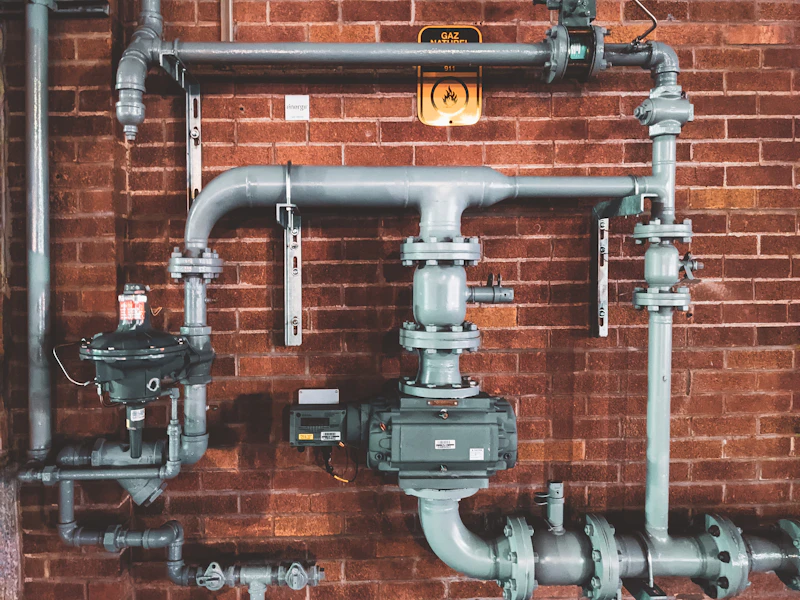
Based on Bureau of Labor Statistics wage data for the Columbus metropolitan area, plumbing in Columbus costs between $80 and $3,290, with an average of $330.
Plumbing Cost Breakdown — Columbus, OH
| Service/Item | Low Estimate | Average | High Estimate |
|---|---|---|---|
| Faucet Repair/Replace | $90 | $120 | $180 |
| Toilet Repair | $80 | $110 | $190 |
| Water Heater Install | $1,060 | $1,370 | $1,880 |
| Drain Cleaning | $50 | $70 | $110 |
| Pipe Leak Repair | $130 | $190 | $290 |
| Sewer Line Repair | $1,500 | $2,020 | $2,910 |
Complete Guide to Plumbing in Columbus
Columbus homeowners face unique plumbing challenges shaped by the city’s aging infrastructure, seasonal extremes, and soil composition.
From frozen pipes in January to shifting clay soil under century-old brick colonials, what happens beneath your floors matters just as much as what’s inside your walls. Understanding how local conditions impact plumbing performance—and repair costs—is essential before calling a contractor.
Central Ohio’s winters regularly dip to 15–25°F, increasing the risk of burst pipes—especially in unheated basements or exterior walls. While Columbus doesn’t get lake-effect snow like Cleveland, sudden thaws after deep freezes stress underground lines.
Tornado risk, though moderate, can lead to emergency shutoffs and sewer backups during severe storms. The region’s expansive clay soil swells when wet and shrinks in drought, causing foundation shifts that crack sewer laterals and slab-embedded water lines—common in homes with full basements, which are standard here.
The local housing stock adds another layer. Many neighborhoods—like German Village, Victorian Village, and Old North Columbus—are filled with pre-1950 brick colonials and Cape Cods.
These homes often have cast iron or galvanized steel plumbing that’s nearing or past its lifespan.
Even newer builds in suburbs like Dublin or Westerville use PVC and PEX, but still rely on underground clay or orangeburg sewer lines that degrade over time. Vinyl siding is common, but offers no protection against internal plumbing failure.
On average, plumbing costs in the Columbus metro run about 8% below national figures. Homeowners may also want to compare bathroom remodel costs in Columbus.
This is due in part to lower overhead for contractors, competitive pricing in a growing but not overheated market, and access to regional supply chains. However, complexity—like repiping a historic home or repairing a slab leak in a finished basement—can quickly erase those savings.
Material and Labor Cost Breakdown
For most plumbing jobs in Columbus, materials account for 40–60% of total costs, with labor making up the remainder.
Simple repairs, like fixing a leaky faucet or unclogging a drain, lean heavily on labor. Larger projects—such as water heater replacement or sewer line repair—involve higher material costs, especially if code-compliant PEX, copper, or HDPE piping is required.
The U.S. Bureau of Labor Statistics reports a median wage of $27.00/hr for plumbers in Ohio.
But that’s just the starting point.
Reputable Columbus contractors typically apply a 30–50% markup to cover insurance, equipment, licensing, and project management. What looks like a high hourly rate often reflects compliance with city codes, proper disposal of old materials, and adherence to Franklin County building regulations—not padding.
The gap between low and high estimates comes down to scope, access, and hidden damage. A $80 bid might cover a quick drain snake on a visible clog.
A $3,290 quote could include cutting into a basement floor to repair a corroded cast iron stack, replacing subfloor damaged by years of slow leaks, and rerouting pipes to meet current IPC (International Plumbing Code) standards enforced by the city. Older homes often reveal mold, outdated venting, or illegal DIY modifications once walls are opened—driving up final costs.
Timeline and Scheduling Considerations
Plumbing work in Columbus is most efficient during mild months.
Late spring through early fall offers stable ground conditions and easier access to underground lines. Winter brings complications: frozen soil delays sewer repairs, and indoor work increases demand for heating system compatibility checks.
- Schedule major plumbing upgrades between April and October to avoid weather-related delays, especially for outdoor sewer or water line work.
- Book appointments early in the week—Mondays and Tuesdays—when crews are fresh and parts are readily available from local suppliers like Ferguson or HD Supply in Polaris.
- Avoid scheduling during polar vortex events or heavy snowfall; frozen ground can double excavation time and cost.
- For homes on expansive clay soil, consider rooter service every 18–24 months to prevent tree root intrusion, especially near older clay sewer lines common in areas like Driving Park or Weinland Park.
- Coordinate plumbing work with HVAC or electrical upgrades—opening walls once saves labor and reduces drywall repair costs.
- Local labor rates — Columbus plumbers earn an average of $27.00 per hour, about 8% below the national average. This is due to the city’s lower cost of living, limited union presence in residential plumbing, and steady—but not inflated—demand compared to larger metro areas.
- Seasonal demand — Winter months (December–February) see higher demand for plumbing repairs due to frozen or burst pipes from frequent 15–25°F temperatures. Contractors may charge 10–20% more during peak cold spells, while fall and spring offer more availability and competitive pricing.
- Project scope — A minor leak repair differs drastically in cost from a full repipe or sewer line replacement. The gap in estimates often comes from hidden damage in walls or under slabs, especially in older homes with clay soil that expands and shifts foundations.
- Permits & inspections — While Ohio doesn’t require statewide general contractor licensing, plumbers must hold a state-issued license. Columbus and surrounding counties require permits for major plumbing work, typically costing $50–$300, which include mandatory inspections to meet local code.
- Materials quality — Choosing between builder-grade PEX or galvanized steel versus premium copper or tankless water heater systems can increase material costs by 30–50%. Columbus homeowners often upgrade to withstand freeze-thaw cycles and clay soil pressure on underground lines.
- Property characteristics — Older brick colonials and Cape Cods common in neighborhoods like German Village or Upper Arlington often have outdated galvanized pipes and tight access. Multi-story homes with full basements increase labor time, especially when rerouting lines through masonry or finished spaces.
- Emergency vs scheduled — After-hours, weekend, or holiday service—common during sudden pipe bursts in winter—can cost 1.5 to 2 times the standard rate. Scheduling non-urgent work during weekday business hours avoids these premiums and aligns with normal contractor availability.
Emergency rates apply after hours, weekends, or during sudden pipe bursts. You can avoid them by insulating exposed pipes in basements and crawl spaces, disconnecting outdoor hoses before winter, and installing a smart water shutoff valve—especially in vacant homes or rental properties.
Protecting Yourself: Warranties and Guarantees
Reputable Columbus plumbing contractors offer a minimum one-year labor warranty on repairs and installations.
Some provide extended coverage—up to three years—on full repipe jobs or water heater installations. See how costs compare: kitchen remodel costs in Columbus.
Always ask for the warranty in writing and confirm whether it covers callbacks for the same issue. Material warranties are separate and handled by manufacturers: PEX tubing, for example, often carries a 25-year limited warranty, while sump pumps may include a 3–5 year guarantee.
Ohio law requires licensed plumbers to carry general liability insurance and workers’ compensation if they have employees.
Always verify a contractor’s license through the Ohio Construction Industry Licensing Board (OCILB). Bonding is not mandatory for residential plumbing, but bonded contractors provide added protection against incomplete or substandard work.
Before any tools touch your home, get everything in writing. Your contract should include: a detailed scope of work, material specifications (brand, type, and gauge where applicable), timeline, payment schedule, and cleanup responsibilities.
In Columbus, where older homes often have undocumented modifications, a pre-job walkthrough with photos and notes can prevent disputes over unexpected conditions. Never pay in full upfront—30–50% at signing is standard, with the balance due after final inspection and water pressure testing.
What Affects Plumbing Costs in Columbus?
What Affects Plumbing Costs in Columbus?
Homeowners in Columbus, OH face unique factors that influence plumbing repair and installation costs. From seasonal weather patterns to local building codes and home design, understanding these variables helps you plan and budget effectively.
Popular Plumbing Brands in Columbus
Frequently Asked Questions
How much does plumbing cost in Columbus, OH?
The average plumbing cost in Columbus, OH is $330, with prices typically ranging from $80 to $3,290 depending on the job's complexity. Labor rates average around $27.00 per hour, according to the U.S. Bureau of Labor Statistics (BLS), which helps keep overall costs below the national average. Common services like fixing a leaky faucet or unclogging a drain fall on the lower end, while full repipes or water heater installations approach the higher end. These figures reflect the Columbus metro area's competitive contractor market and moderate cost of living.
Why is plumbing less expensive in Columbus than the national average?
Plumbing in Columbus is generally less expensive than the national average due to lower labor costs and a moderate cost of living. The BLS reports that plumbers in the Columbus metro earn an average of $27.00 per hour, below the national mean wage for the trade. This translates to lower hourly billing rates for consumers compared to larger, higher-cost cities. Additionally, overhead for local contractors tends to be lower, which helps keep service prices competitive.
How can I save money on plumbing in Columbus?
You can save money on plumbing in Columbus by scheduling repairs early before small issues become costly emergencies. Getting multiple quotes from licensed contractors ensures you’re paying a fair rate based on the local average of $330. Regular maintenance, such as drain cleaning and checking for leaks, can prevent expensive fixes later. Since labor averages $27.00/hr (BLS data), minimizing labor time through preventative care directly reduces total costs.
Do I need a permit for plumbing in OH?
Yes, most plumbing work in Ohio requires a permit, especially for new installations, major repairs, or changes to the existing system. Permits ensure work meets state and local plumbing codes and are typically pulled by licensed contractors. Homeowners doing their own work must also obtain permits through their local building department. Skipping permits can lead to fines and complications during home sales.
How long does plumbing take in Columbus?
The duration of plumbing work in Columbus depends on the job—simple repairs like fixing a toilet or unclogging a drain usually take 1–2 hours, while full repipes or water heater installations can take 1–3 days. Since labor averages $27.00/hr (BLS), longer jobs significantly impact total cost. Most contractors provide time estimates during the initial assessment based on local conditions like older galvanized pipes in historic neighborhoods. Scheduling can also be affected by permit requirements and material availability.
What warranty should I expect from a plumbing contractor?
Most reputable plumbing contractors in Columbus offer a warranty of 1–2 years on labor, while parts and fixtures typically come with manufacturer warranties. Some companies may offer extended labor warranties for water heaters or tankless systems. Always ask for the warranty terms in writing before work begins. Given the average job cost of $330, having a warranty protects your investment and ensures accountability.
What's the best time of year for plumbing in Columbus?
The best time for plumbing work in Columbus is late spring to early fall, when weather is mild and contractors have greater availability. Winter months often bring frozen pipes and emergency calls, increasing demand and potentially delaying non-urgent repairs. Scheduling during off-peak seasons may also help secure faster service and competitive pricing. With average labor at $27.00/hr (BLS), avoiding emergency winter rates can save money on labor and response fees.
